
A River Landscape with Storks — History & Facts
Could beauty survive in a century of chaos? In A River Landscape with Storks, the juxtaposition of serene nature and the looming shadows of time prompts a reflection on mortality and resilience. Look to the left at the tranquil river, its gentle currents mirroring the soft hues of twilight. The storks, poised on the banks, embody grace yet hint at the passage of seasons, their weightless forms contrasting against the stillness of the water. Notice how the golden light dapples the landscape, creating a warm embrace that invites the viewer into Daubigny's world, while the brushstrokes evoke both movement and stillness, weaving a narrative of life and death intertwined. The subtle interplay of light and shadow enhances the emotional depth of the composition.
The storks, symbols of renewal and transition, stand resolutely against the backdrop of fading daylight, suggesting a fleeting moment caught between life and the inevitability of change. This duality echoes not just the cycle of nature but also the fragility of existence itself, inviting contemplation on the beauty found within transience. In 1864, Daubigny painted this piece during a period marked by the rise of Impressionism, when artists began to explore the interplay of light and color more dynamically. Living in France, he was deeply influenced by the changing landscapes around him, capturing the essence of the natural world while embracing an emerging artistic vision that shifted focus from the grand historical themes to the intimate moments of everyday life.
More Artworks by Charles François Daubigny
Browse all →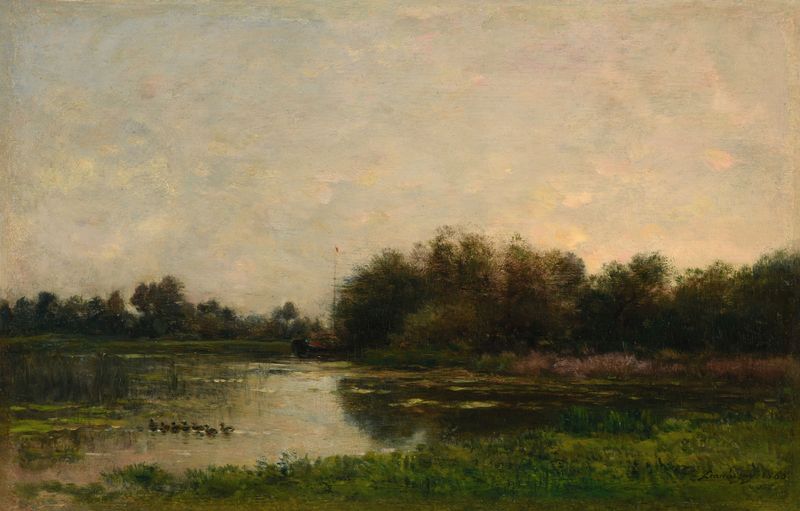
Bords de l’Oise
Charles François Daubigny
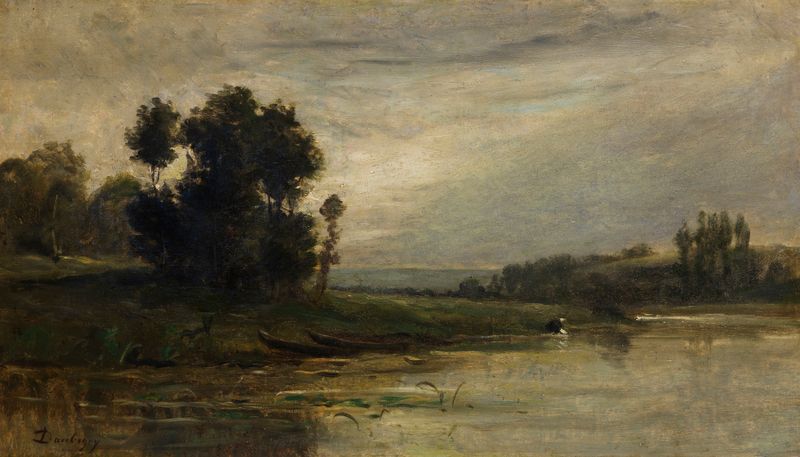
Bords de l’Oise
Charles François Daubigny
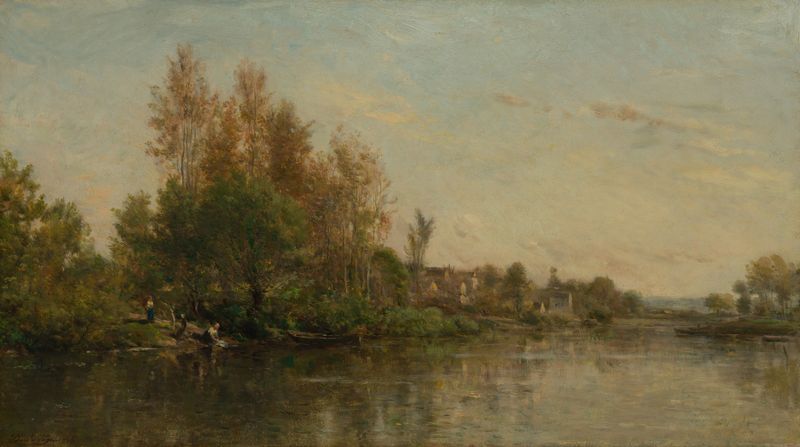
The Banks of the Oise
Charles François Daubigny
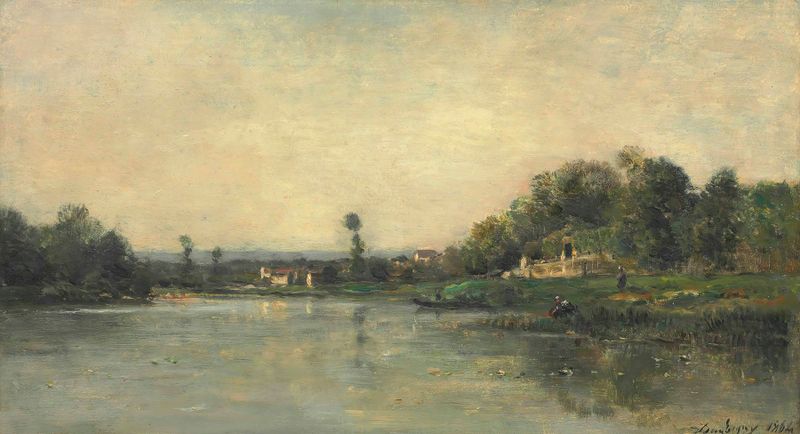
Les Bords De L’oise
Charles François Daubigny
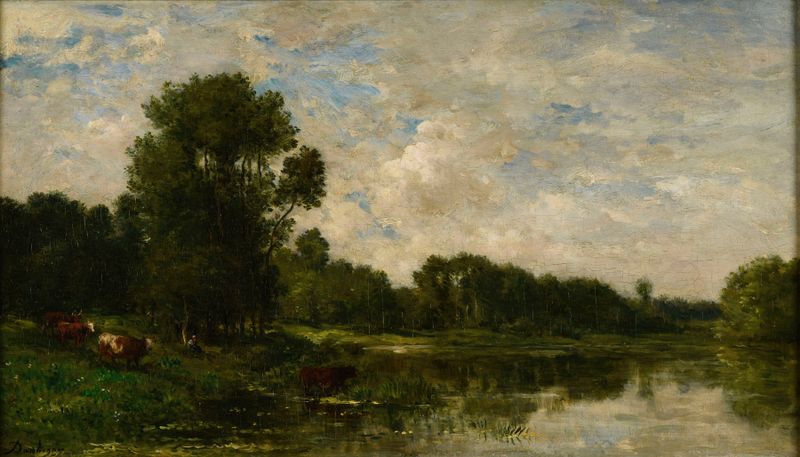
Bords de l’Oise
Charles François Daubigny
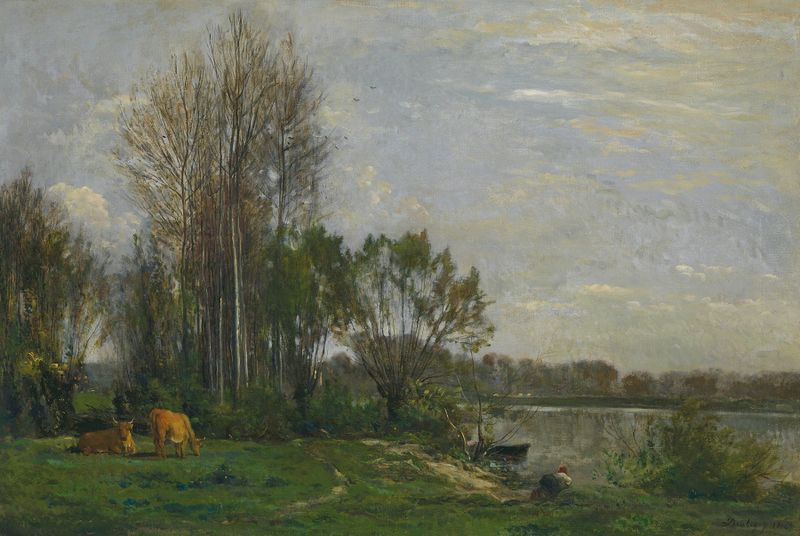
Les Bord De L’oise
Charles François Daubigny
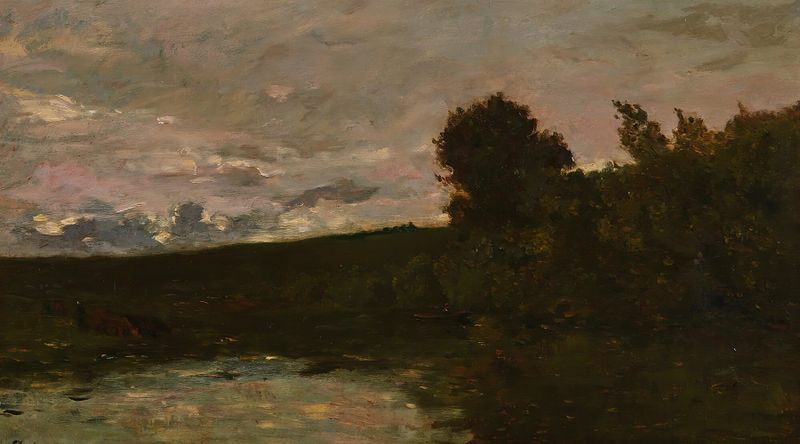
Bord De Riviére
Charles François Daubigny
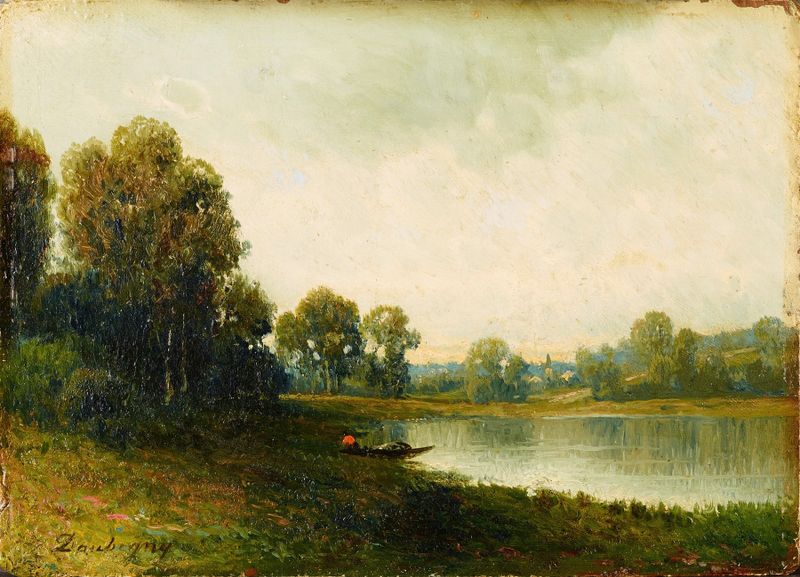
Landscape
Charles François Daubigny
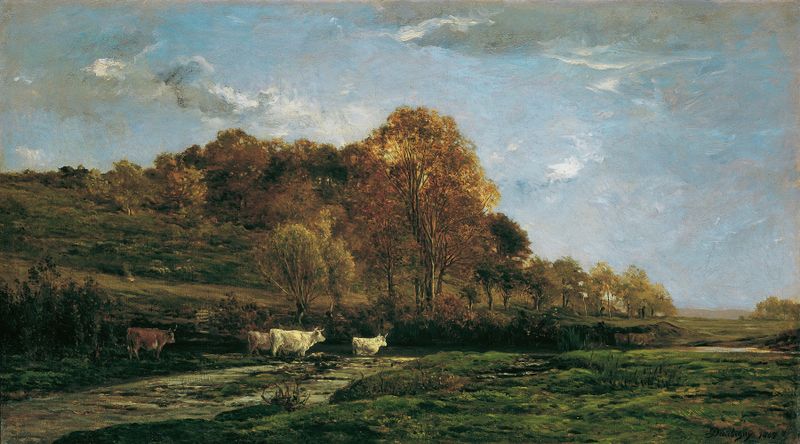
Herbstliche Aulandschaft Abendstimmung
Charles François Daubigny
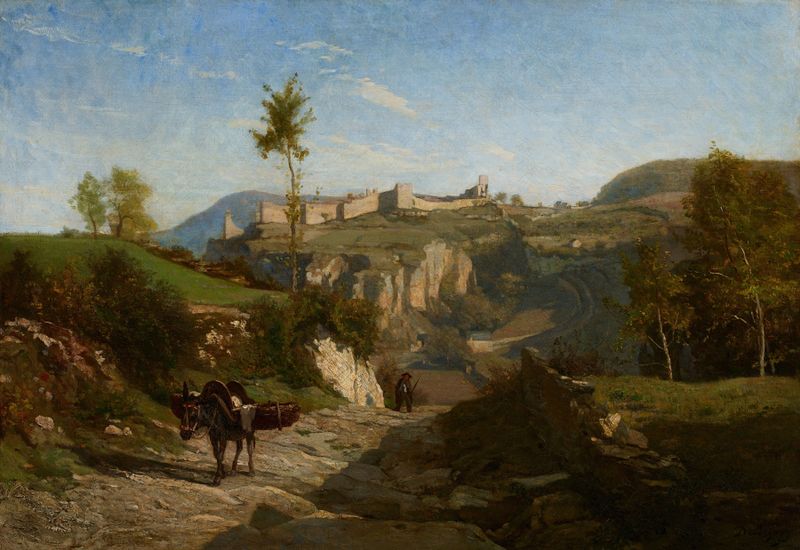
Landscape near Crémieu
Charles François Daubigny





