
A School-room — History & Facts
What draws the eye first in A School-room is not the sternness of order, but the gentle chaos of learning in progress. Sunlight slips through a latticed window, casting a warm, golden patch across the battered floor and the teacher’s bent shoulder. The children are scattered in various attitudes of concentration and distraction: one boy leans over a table, guided by the teacher’s patient hand; another, lost in his own world, crouches on the floor, his nose nearly touching his paper.
The palette is earthy and subdued, the air thick with the dust of chalk and the murmur of young voices, yet there is a quiet intimacy in the way each child is absorbed in their task. The room itself tells its own story—a rough, plastered wall, a patched window, and scraps of paper littered everywhere—reminding us that learning, here, is a matter of persistence rather than polish. This is the world of the Dutch Golden Age, where artists like Adriaen van Ostade found endless fascination in the everyday. Painted in 1666, this scene belongs to a tradition of genre painting that celebrated the rhythms of ordinary life: taverns, markets, and, as here, the humble schoolroom.
Such works were often commissioned by prosperous burghers who saw in them a mirror of their own values—industry, humility, and the simple joys of community. While history has kept few traces of this particular painting’s journey, its presence in a modern collection (as documented by Sotheby’s) is a testament to the enduring appeal of these glimpses into a vanished world. Look again at the small dramas unfolding in each corner, and the painting rewards you with the sense that, for all the centuries that have passed, the business of growing up has changed very little.
More Artworks by Adriaen van Ostade

Dans in de herberg
Adriaen van Ostade
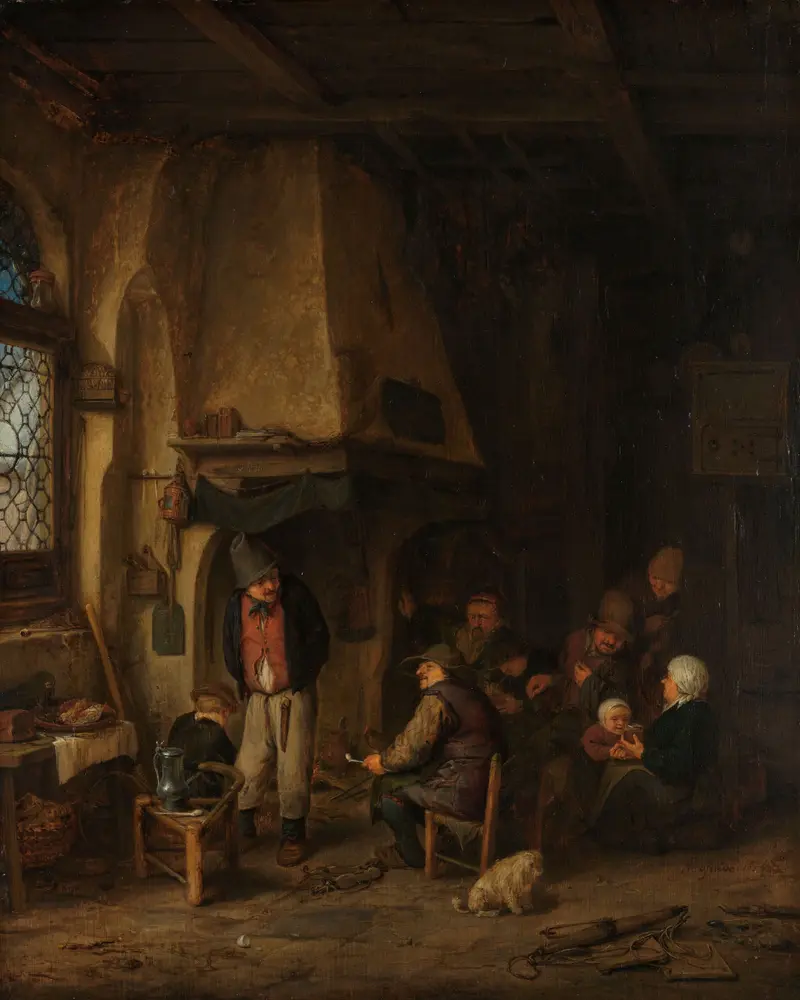
‘The Skaters’: Peasants in an Interior
Adriaen van Ostade
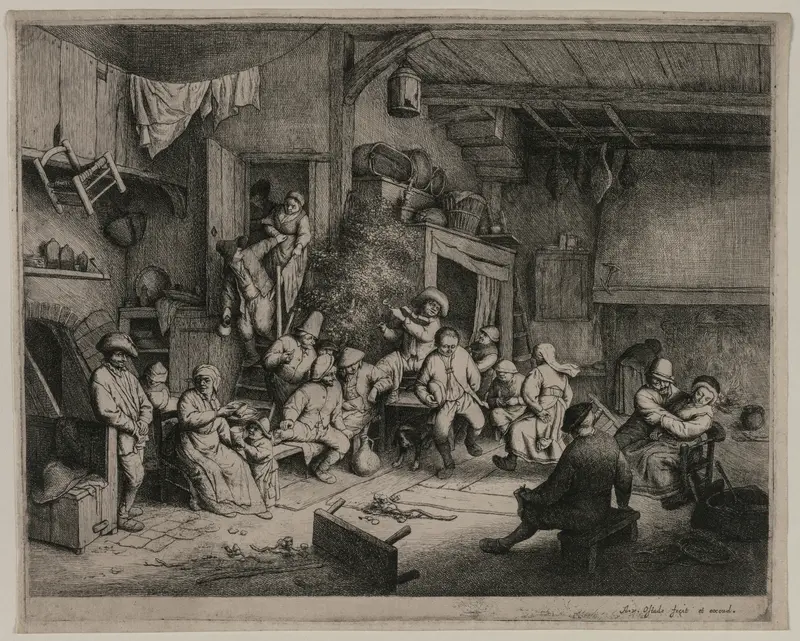
Dance at the Inn
Adriaen van Ostade
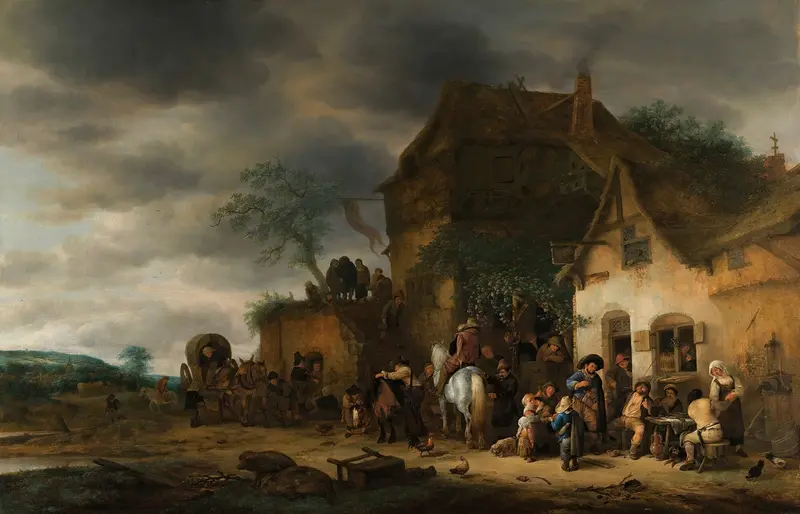
Travellers Halted At A Country Inn
Adriaen van Ostade
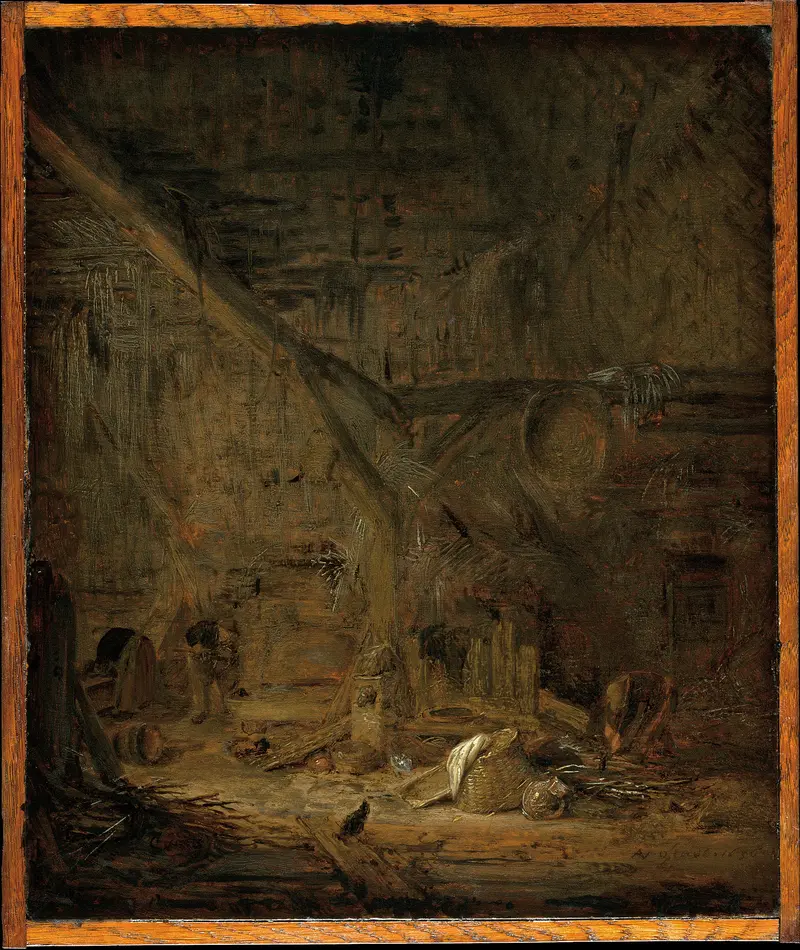
Interior of a Barn
Adriaen van Ostade
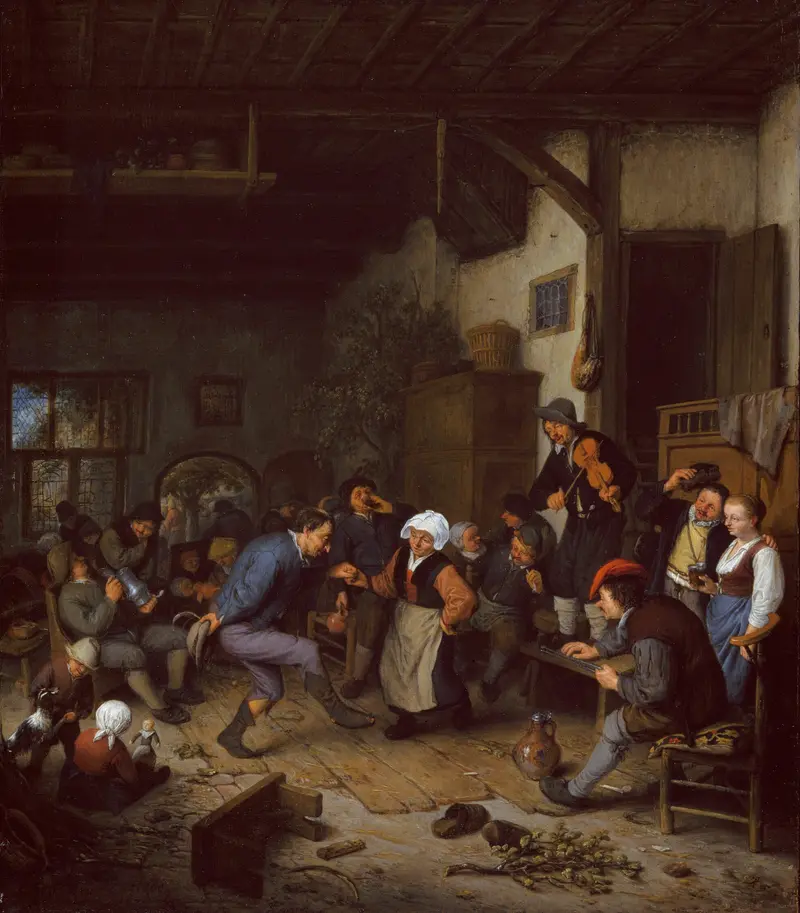
Merrymakers in an Inn
Adriaen van Ostade
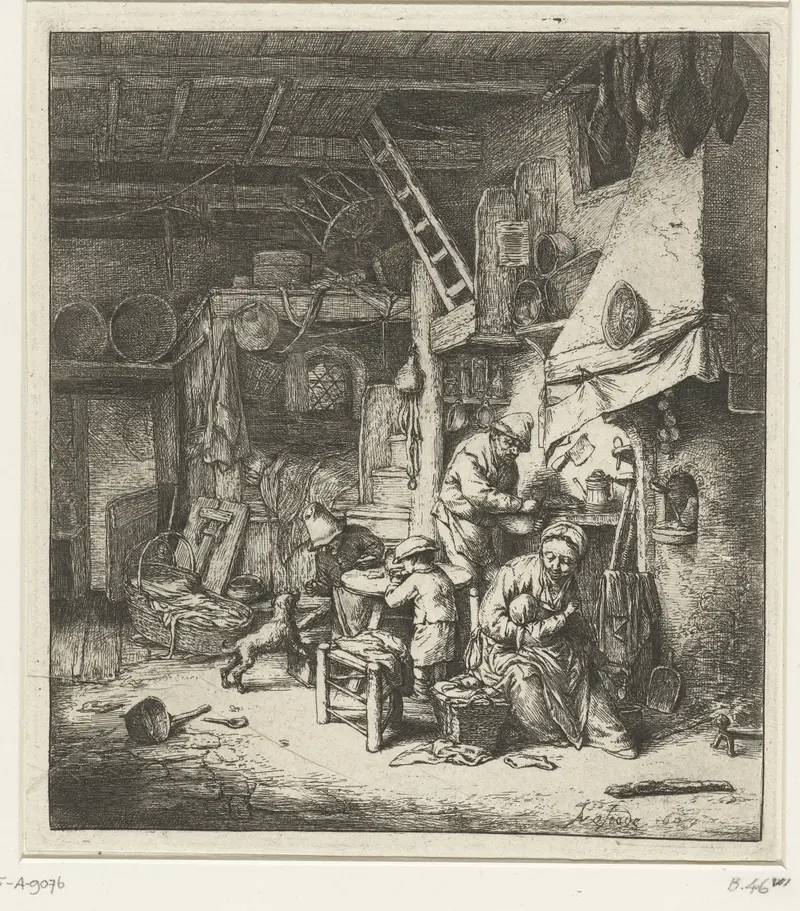
Boerengezin in interieur
Adriaen van Ostade
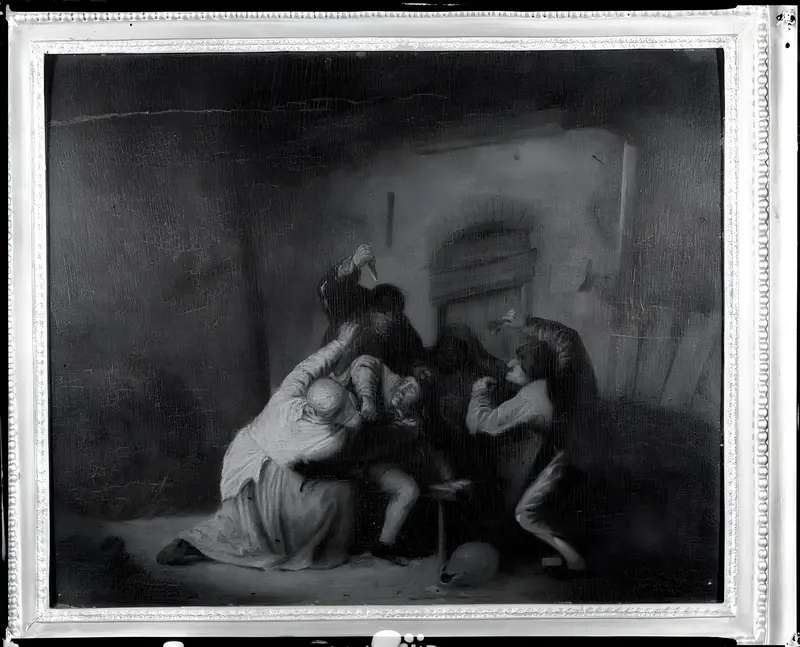
Peasants Brawling in a Tavern
Adriaen van Ostade
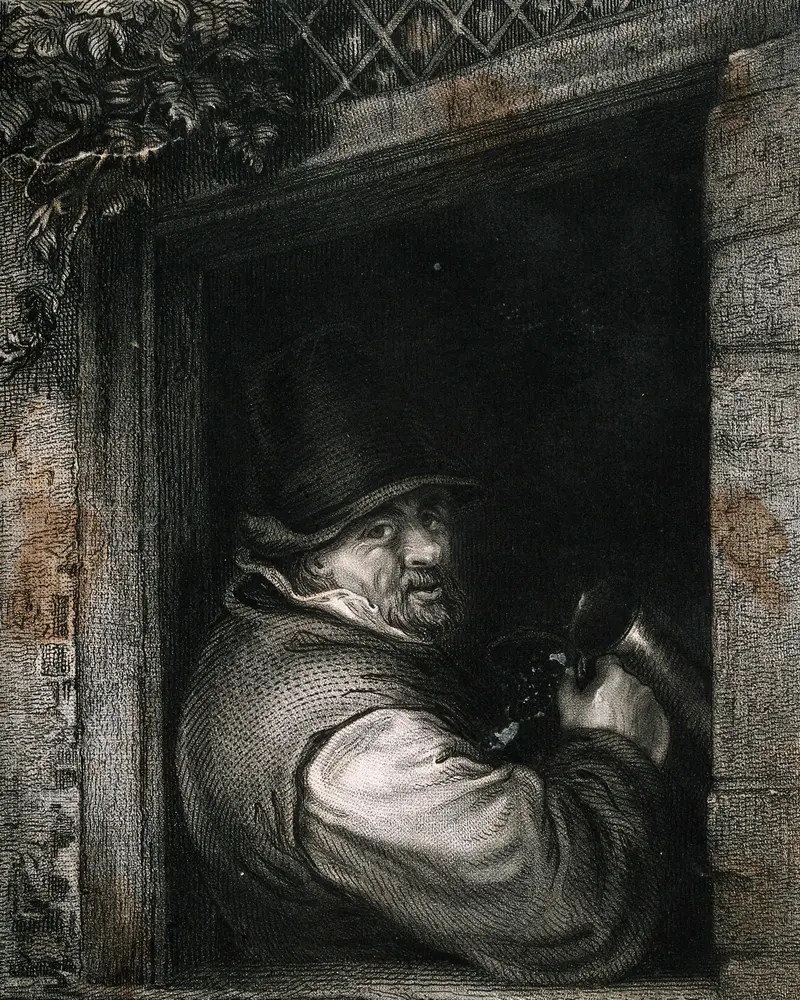
Man with a Tankard at a Window
Adriaen van Ostade
Dans in de herberg
Adriaen van Ostade
More Genre Scene Art

Banquet of the Officers of the St George Civic Guard
Frans Hals

Rembrandt and Saskia in the Scene of the Prodigal Son
Rembrandt van Rijn

Bal du moulin de la Galette
Pierre-Auguste Renoir

Quadrille at the Moulin Rouge
Henri de Toulouse-Lautrec

A Burial at Ornans
Gustave Courbet

When Will You Marry?
Paul Gauguin