
A Sea Port In The Levant, Morning — History & Facts
How do we capture the essence of a place washed in light and shadow, where life pulses through the tides? Look to the center, where the glistening water of the Levant cradles the boats, their sails unfurling like whispers of dawn. Notice how the artist deftly plays with hues; the gentle blues meld into warm ambers, evoking the sun's embrace as it rises over the horizon. The composition invites the eye to wander, tracing the stark contrast between the rugged cliffs and the delicate brushstrokes that suggest life bustling at the docks.
Each vessel seems to sway in unison, echoing the harmonic rhythm of the morning. Beneath the surface, there are layers of meaning waiting to be discovered. The quiet stillness of the port contrasts with the turbulent history of trade and cultural exchange in the region. The boats, poised for both departure and arrival, symbolize the duality of exploration and homecoming — a reminder of the restless spirit of humanity.
The reflections in the water are not merely physical; they serve as metaphors for memory and the fleeting nature of existence. In 1784, during a period of personal and professional upheaval, the artist painted this scene while living in England. The late 18th century was marked by a growing fascination with the exotic, as well as a burgeoning Romantic movement in art, which sought to capture the sublime beauty of nature. This work stands as a testament to his skills and the zeitgeist of an era captivated by light, atmosphere, and the stories inherent in each stroke.
More Artworks by Philip James de Loutherbourg
Browse all →
Iron Works, Colebrook Dale
Philip James de Loutherbourg
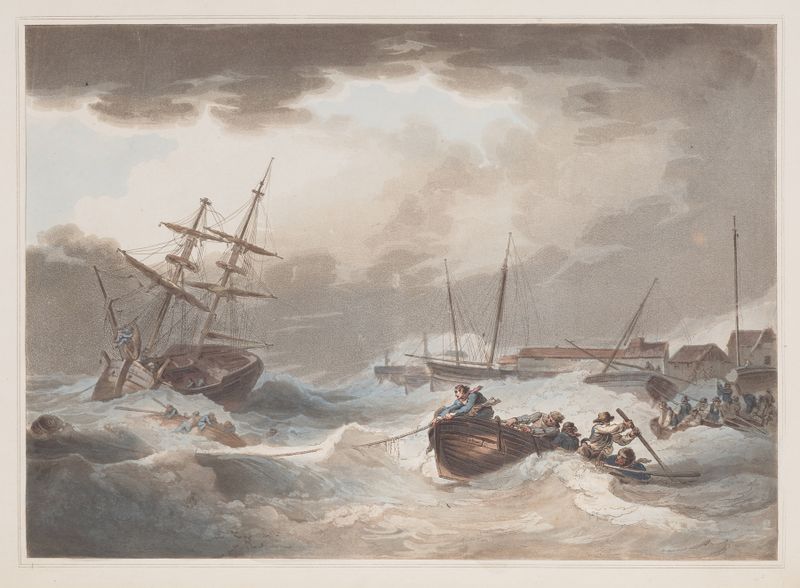
Storm off Margate
Philip James de Loutherbourg
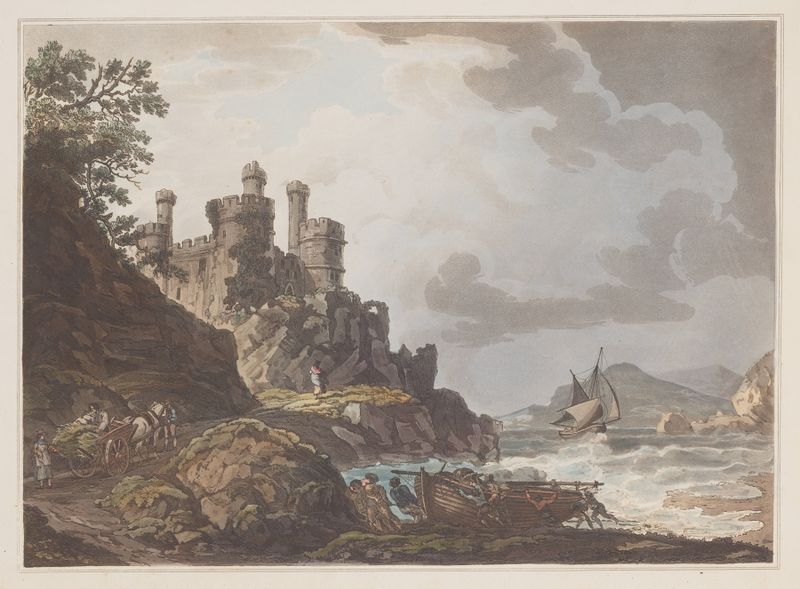
Conway Castle
Philip James de Loutherbourg
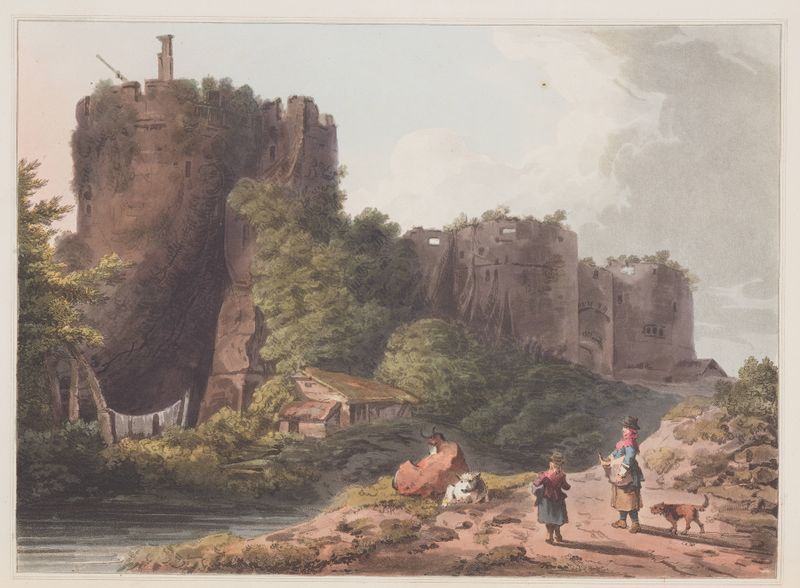
Chepstow Castle in Monmouthshire
Philip James de Loutherbourg
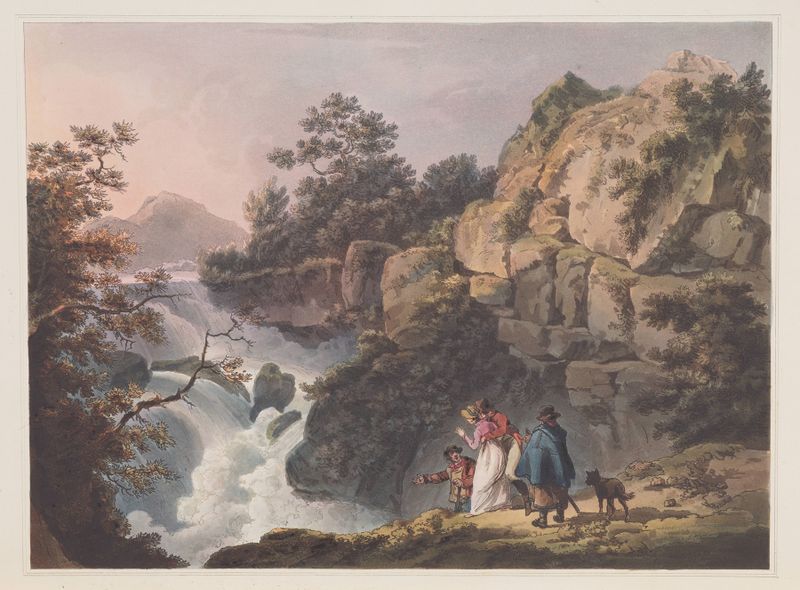
Cataract on the Llugwy
Philip James de Loutherbourg

Tintern Abbey
Philip James de Loutherbourg

Visitor to a Moonlit Churchyard
Philip James de Loutherbourg

A Storm at the Entrance of a Mediterranean Port
Philip James de Loutherbourg
Peak’s Hole, Derbyshire
Philip James de Loutherbourg
The Great Fire of London
Philip James de Loutherbourg





