
A shepherd and herdsman seated on a rock with cows and sheep, a landscape beyond — History & Facts
Few artists of the French eighteenth century so delighted in the pleasures of rural life as Jean-Honoré Fragonard, and yet, in A shepherd and herdsman seated on a rock with cows and sheep, a landscape beyond, he turns from his usual scenes of flirtation and fête to a world of quiet labor. The painting’s true intrigue lies in its uncertain origins: neither its date nor its first owner is known, and it stands apart from Fragonard’s more famous commissions for Parisian salons. Scholars continue to debate whether this work was painted as a private meditation on the countryside or as a study for a larger, lost composition.
Its existence hints at a side of Fragonard that is more contemplative, almost Arcadian. At the heart of the scene, a shepherd and a herdsman rest side by side atop a rocky outcrop, their animals grazing peacefully in the foreground. The relaxed posture of the figures, one gazing into the distance while the other seems to converse, suggests a pause in the day’s work, a moment of companionship amid responsibility. The cows and sheep, rendered with attentive brushwork, reinforce the pastoral theme, while the expansive landscape beyond opens the painting to a sense of possibility and calm.
Fragonard’s treatment recalls the rustic charm of Jean-Baptiste Greuze, yet where Greuze often moralizes, Fragonard’s figures are content simply to be, their world suffused with warm, golden light. The scene captures not an event, but an atmosphere—a gentle celebration of rural life. The painting’s subsequent journey remains largely undocumented, typical for many of Fragonard’s smaller pastoral works, which were often sold privately or passed through minor collections. Its style and subject suggest it belongs to the later phase of his career, when the artist, facing shifting tastes after the Revolution, turned increasingly to landscapes and genre scenes.
Today, A shepherd and herdsman seated on a rock with cows and sheep, a landscape beyond stands as a testament to Fragonard’s versatility and his ability to find beauty in the everyday. While less famous than his rococo fantasies, it offers a rare glimpse into the artist’s quieter, more reflective side.
More Artworks by Jean-Honoré Fragonard

The Swing
Jean-Honoré Fragonard

The Swing
Jean-Honoré Fragonard

A Young Girl Reading
Jean-Honoré Fragonard

The Lock
Jean-Honoré Fragonard

The Triumph of Venus
Jean-Honoré Fragonard

A Game of Hot Cockles
Jean-Honoré Fragonard
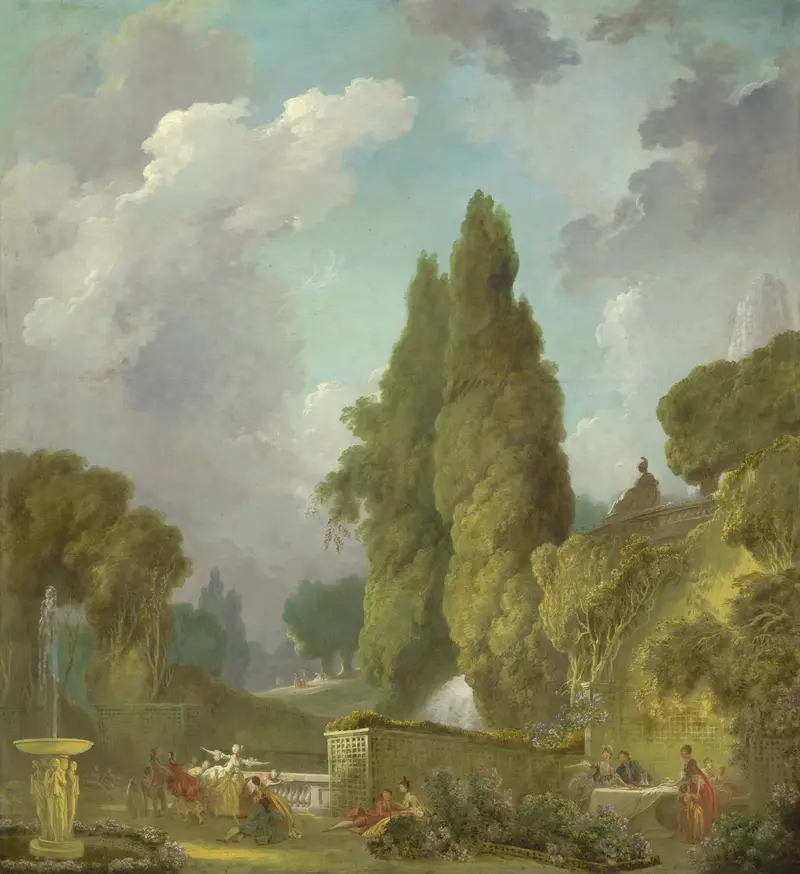
Blindman’s Buff
Jean-Honoré Fragonard
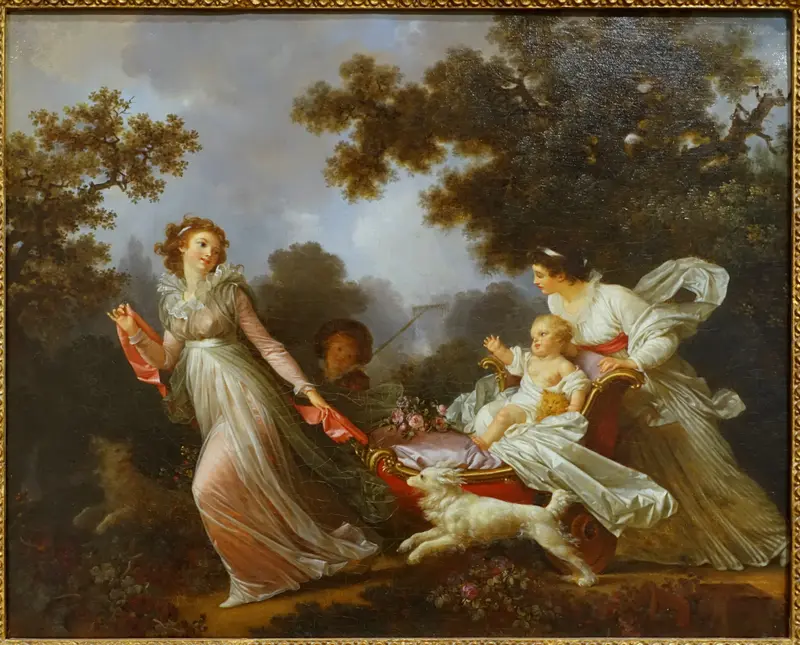
The Beloved Child
Jean-Honoré Fragonard
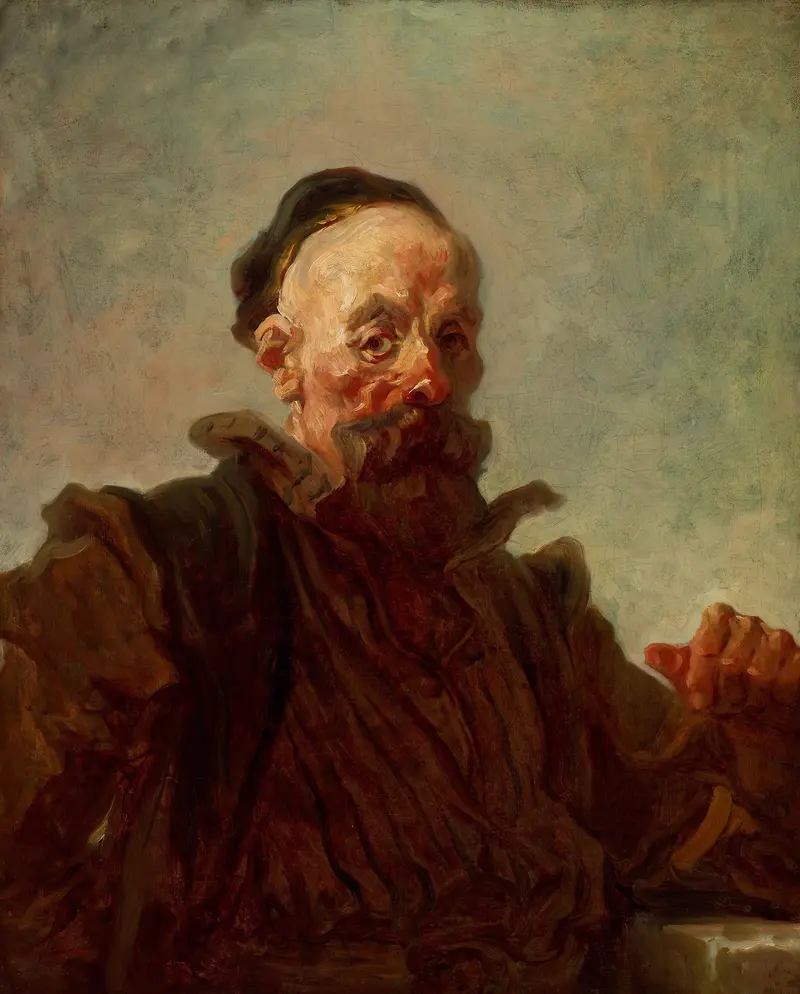
Portrait of a Man in Costume
Jean-Honoré Fragonard
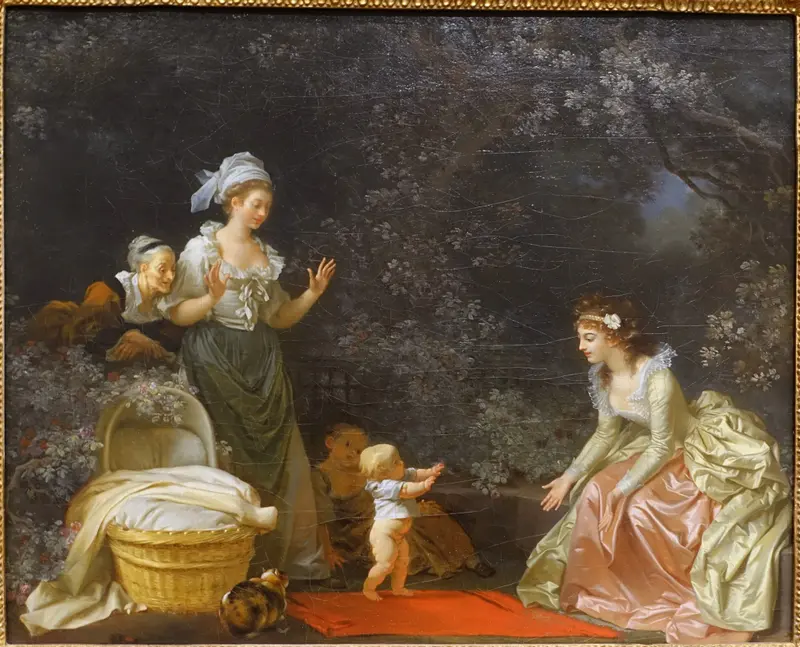
The First Steps
Jean-Honoré Fragonard
More Landscape Art

The Starry Night
Vincent van Gogh

View of Delft
Johannes Vermeer

Water Lilies
Claude Monet

The Grand Canal, Venice, looking north-west from the Ca' Corner to the Ca' Contarini degli Scrigni, with the campanile of Santa Maria della Carità
Canaletto

Windsor Castle
Canaletto

The Grand Canal looking North-East from the Palazzo Dolfin-Manin to the Rialto Bridge
Canaletto