
A Squall at Trouville — History & Facts
In A Squall at Trouville, memory collides with the ephemeral, capturing the very breath of a fleeting moment before it vanishes into the depths of past experiences. Look closely at the tumultuous sky, where shades of gray blend and swirl, hinting at the storm's impending arrival. The horizon shimmers with a ghostly light that flickers across the turbulent ocean. The figures, mere silhouettes, braced against the elements, embody the struggle against nature’s wrath, their postures echoing resilience.
The brushwork, dynamic and layered, invites the viewer to absorb the chaos, while the muted palette communicates a chilling serenity amidst the brewing storm. In the background, the contrasting tranquility of the beach contrasts sharply with the looming tempest, a metaphor for life’s unpredictability. The figures, enclosed in their own personal landscapes, amplify the isolation felt when nature's forces descend upon humanity. Here, memory intertwines with the emotional response to a shared experience, posing questions about vulnerability, strength, and the transient nature of existence. Félix Hilaire Buhot painted A Squall at Trouville in 1874, during a period characterized by his deep engagement with Impressionism.
While living in France, Buhot experimented with various techniques and themes, reflecting the shifting artistic landscape of the time. This work embodies the tension between the serenity of coastal life and the dramatic forces of nature, a duality that resonates throughout his oeuvre.
More Artworks by Félix Hilaire Buhot
Browse all →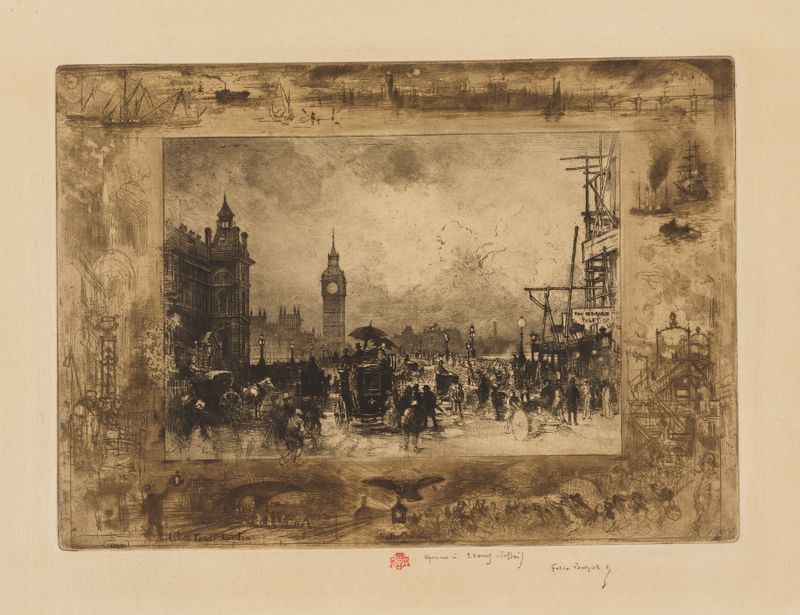
Westminster Bridge, or Westminster Clock Tower
Félix Hilaire Buhot
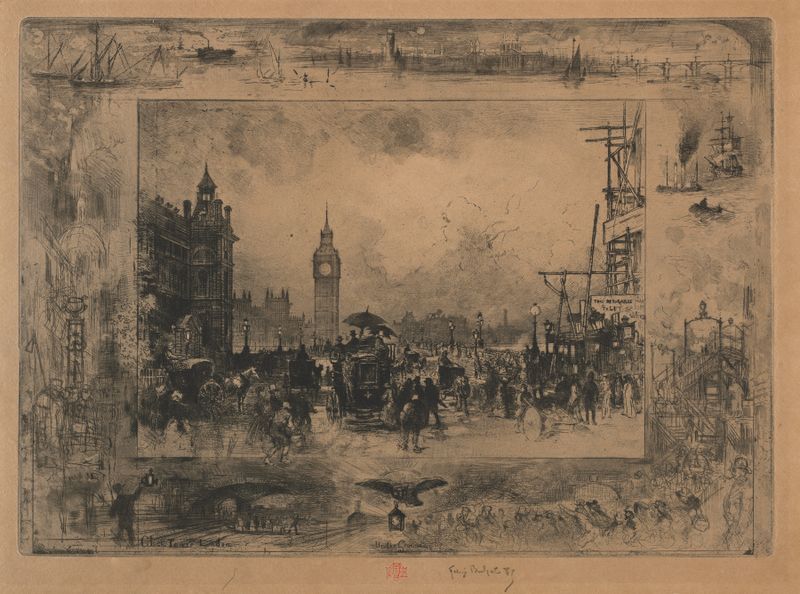
Westminster Bridge, or Westminster Tower
Félix Hilaire Buhot
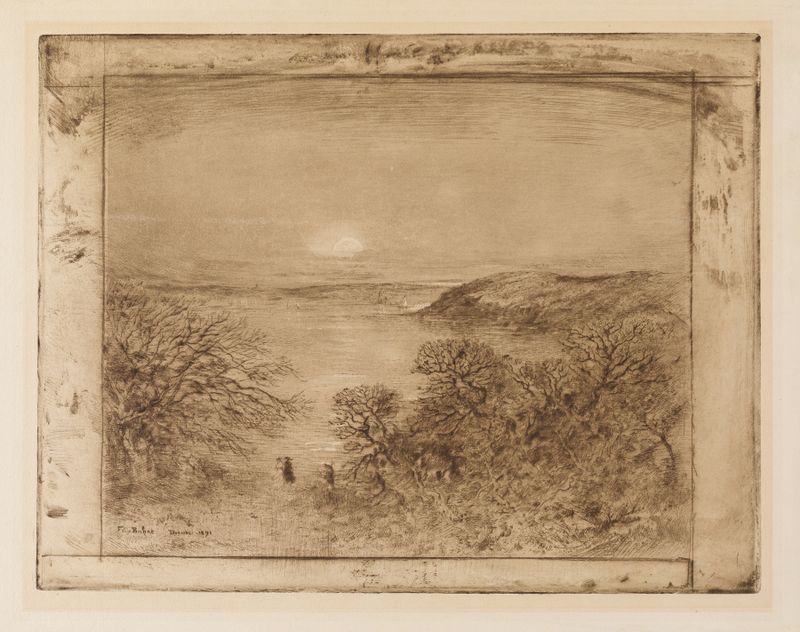
Moonrise at Dinard
Félix Hilaire Buhot
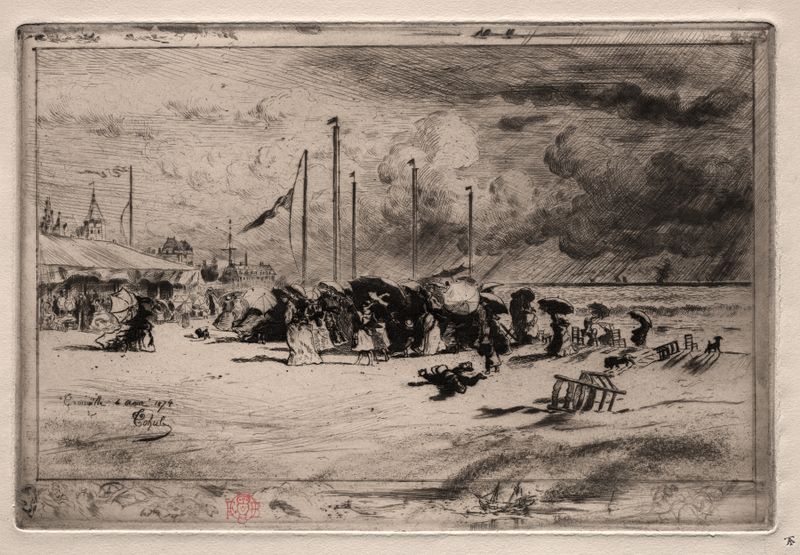
A Squall at Trouville
Félix Hilaire Buhot
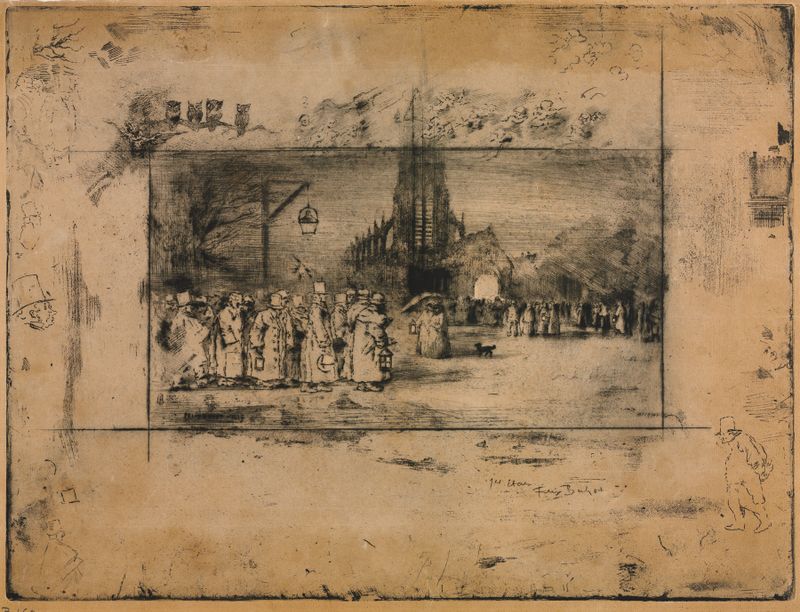
The Midnight Mass
Félix Hilaire Buhot
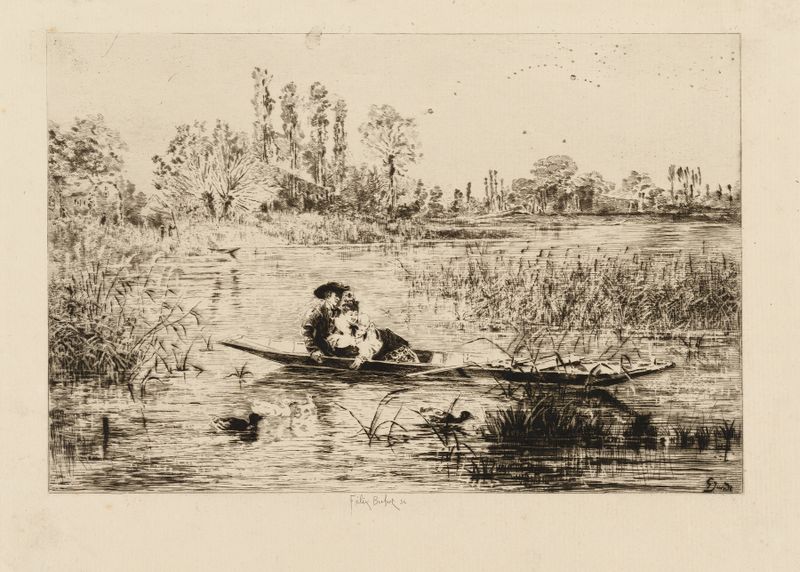
On the Thread of the Water
Félix Hilaire Buhot
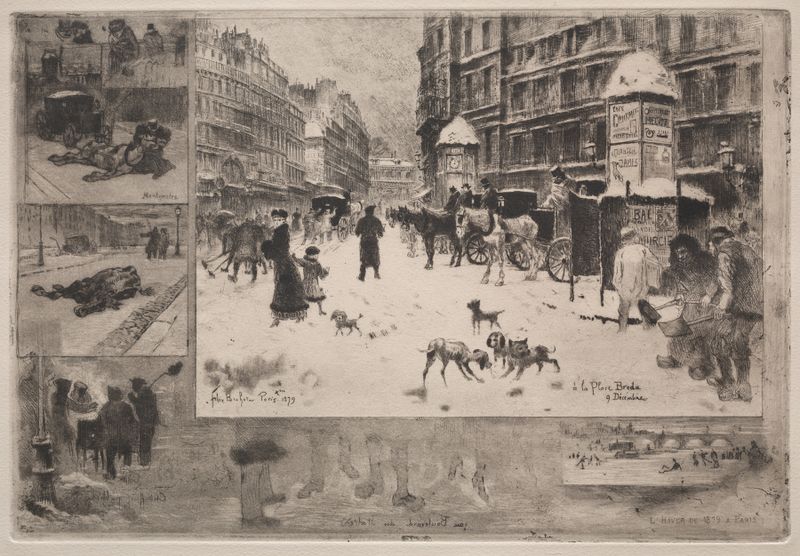
Winter in Paris
Félix Hilaire Buhot
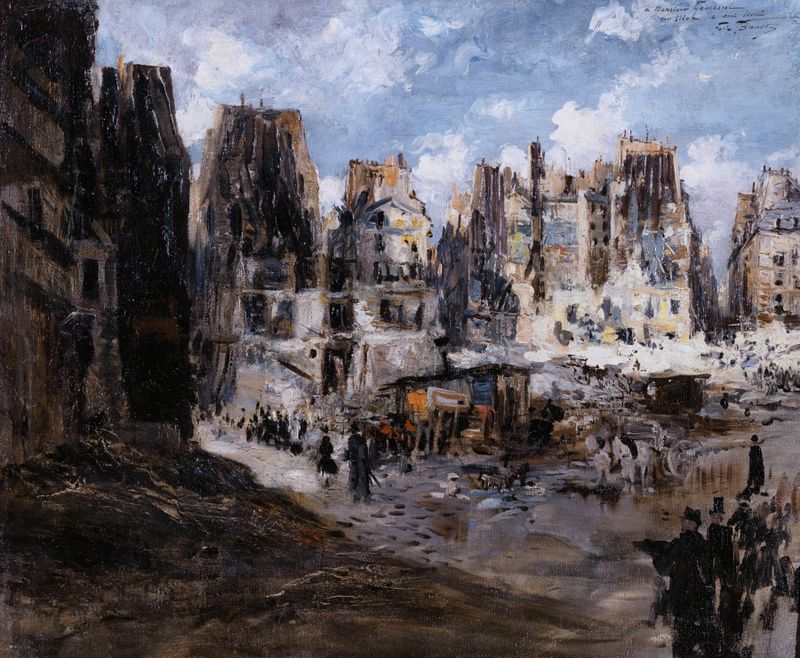
Le percement de l’avenue de l’Opéra.
Félix Hilaire Buhot
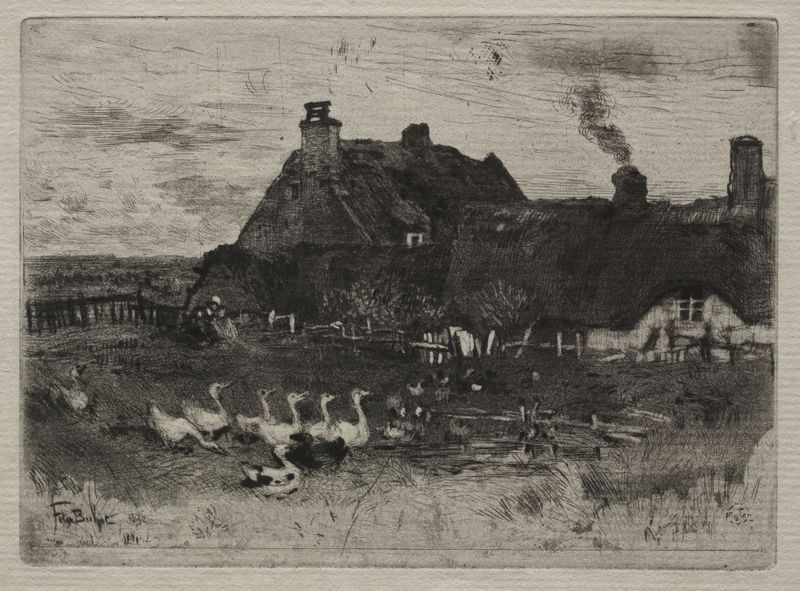
Thatched Cottages
Félix Hilaire Buhot
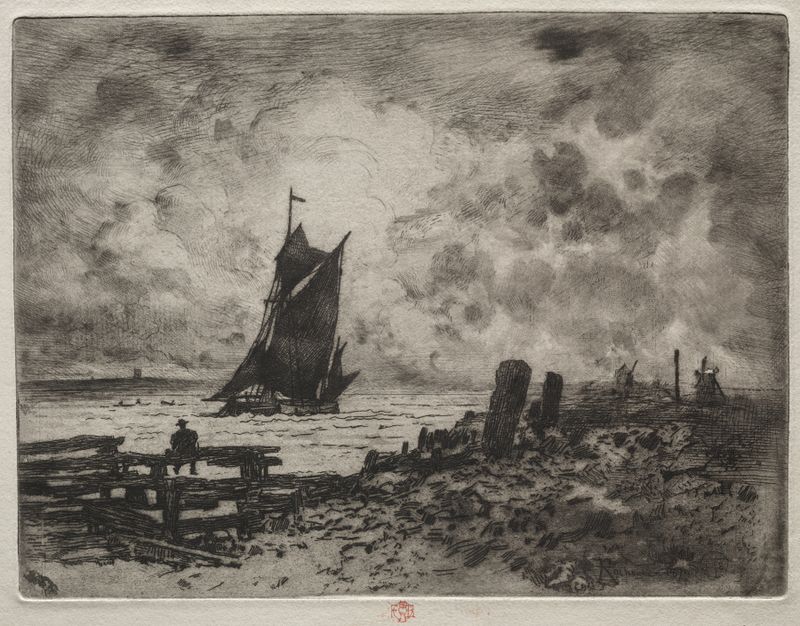
The Little Marine; Souvenir of Medway
Félix Hilaire Buhot





