
A stage coach attacked. — History & Facts
What if beauty was never meant to be finished? In A Stage Coach Attacked, the notion of transformation lies at the heart of chaos, revealing both peril and artistry in their rawest forms. Look to the center of the canvas, where the stagecoach is caught in a moment of turmoil. The horses rear back, their powerful muscles taut with fear, while the figures of bandits, wild and animated, seem to leap from the swirling dust. Notice how the contrasting colors of the earth tones and the bright splashes of red evoke tension; the light dances across the scene, illuminating the expressions that blend terror and exhilaration.
Each brushstroke creates a sense of urgency, drawing the viewer into the heart of the attack. Beneath the surface, the painting explores the fragile boundary between chaos and beauty. The violence of the scene juxtaposes the elegance of the stagecoach, a symbol of progress and civilization, now ensnared in a moment of crisis. The bandits' gestures are both aggressive and almost balletic, portraying a transformation of roles; while they inflict fear, they also embody the wild freedom of the untamed American landscape.
This duality invites reflection on the nature of progress, the cost of beauty, and the chaos that often accompanies transformation. Created in 1869, this work emerged during a period of rapid change in America, marked by westward expansion and the complexities of post-Civil War society. C. Castro painted amid shifting artistic movements, drawing from romanticism and realism to capture the intensity of the moment.
The tumultuous environment of both the artist's life and the broader world resonates within this piece, offering a glimpse into the evolving narrative of American identity.
More Artworks by C. Castro
Browse all →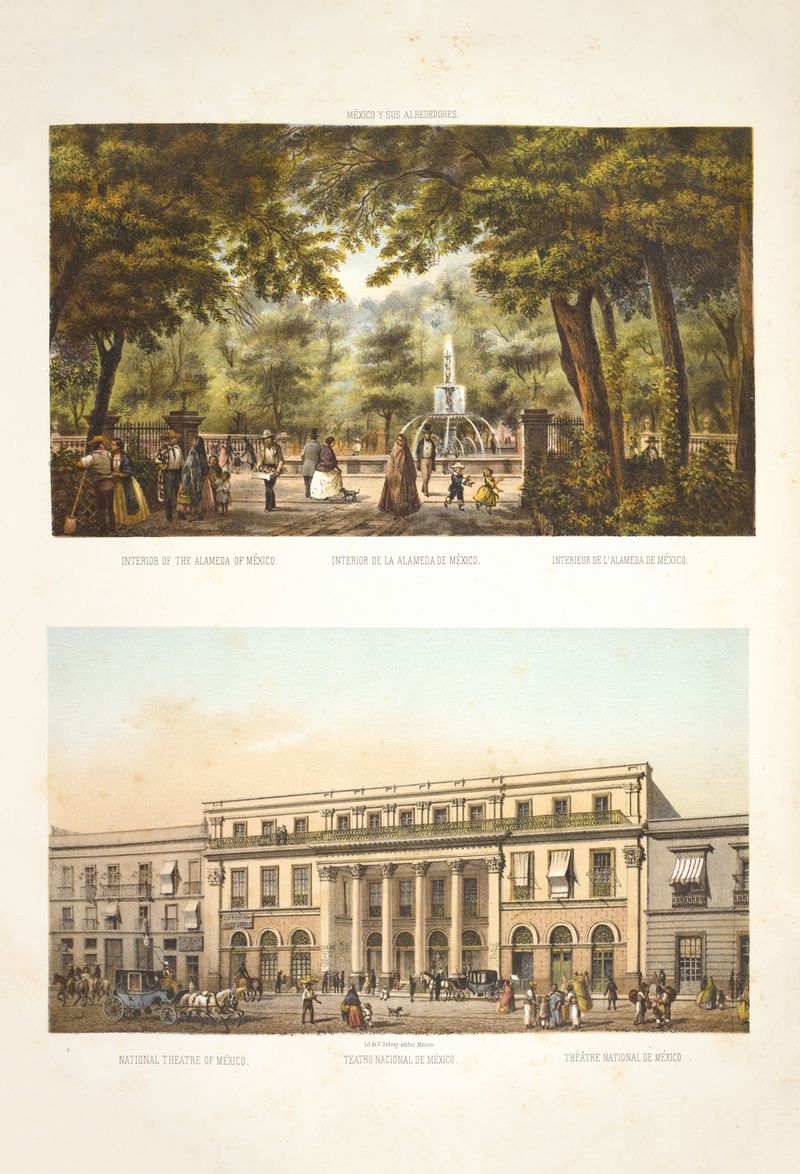
Interior of the Alameda of Mexico ; National Theatre of Mexico.
C. Castro
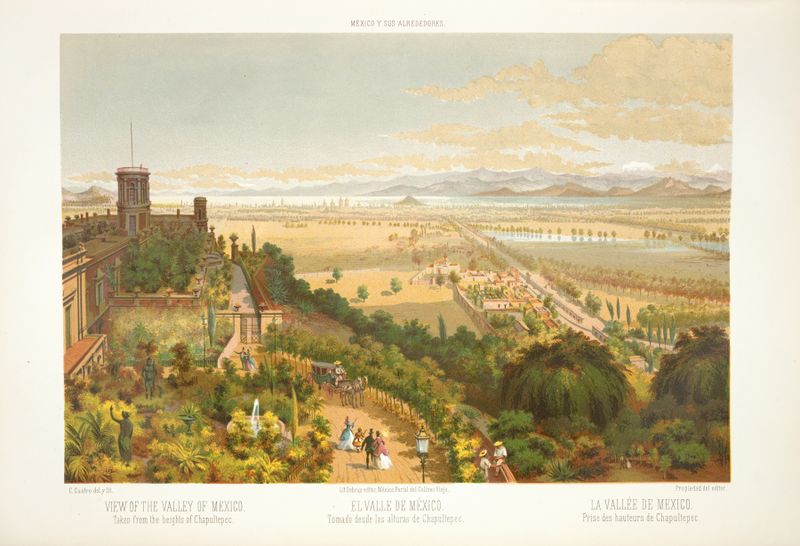
View of the Valley of Mexico, taken from the heights of Chapultepec.
C. Castro
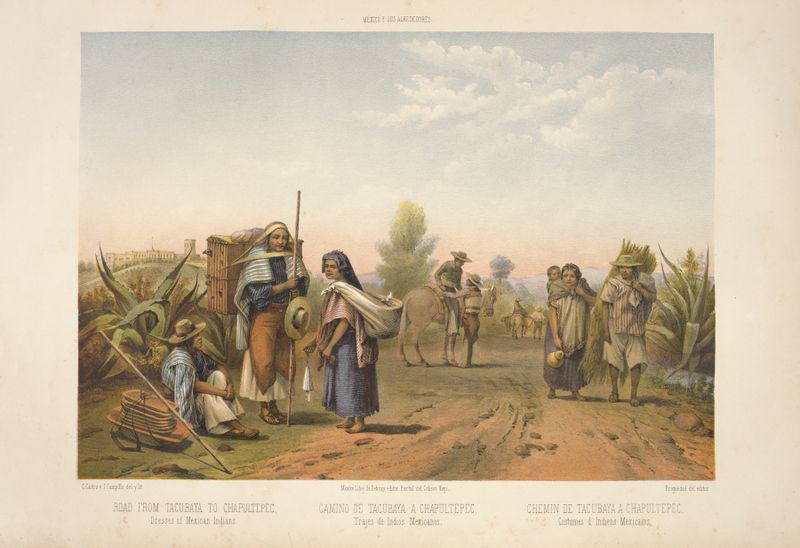
Road from Tacubaya to Chapultepec, dresses of Mexican Indians.
C. Castro
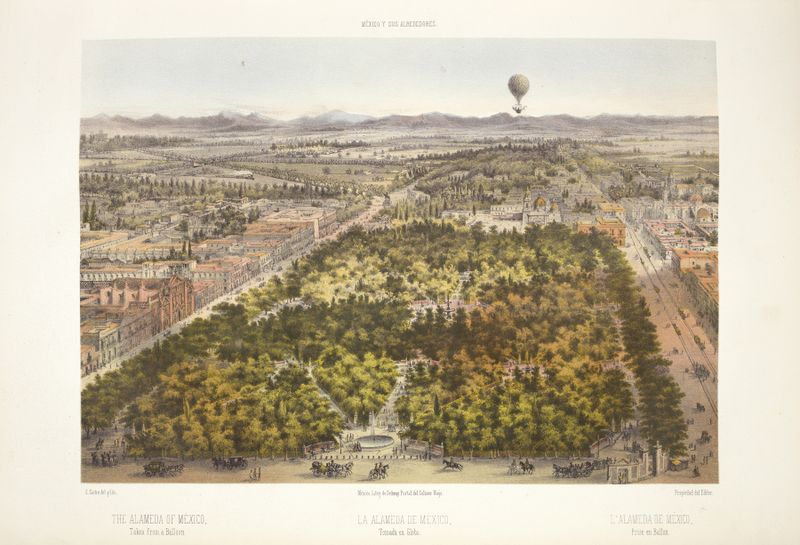
The Alameda of Mexico, taken from a balloon.
C. Castro
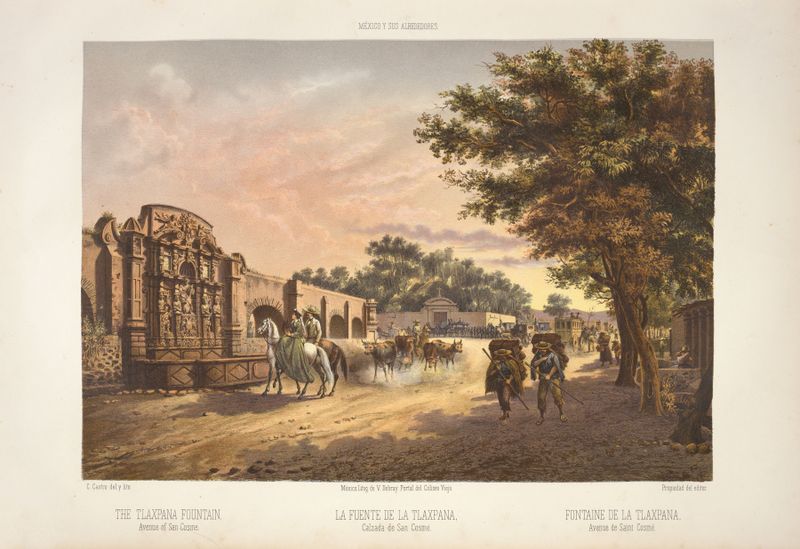
The Tlaxpana fountain, Avenue of San Cosme.
C. Castro
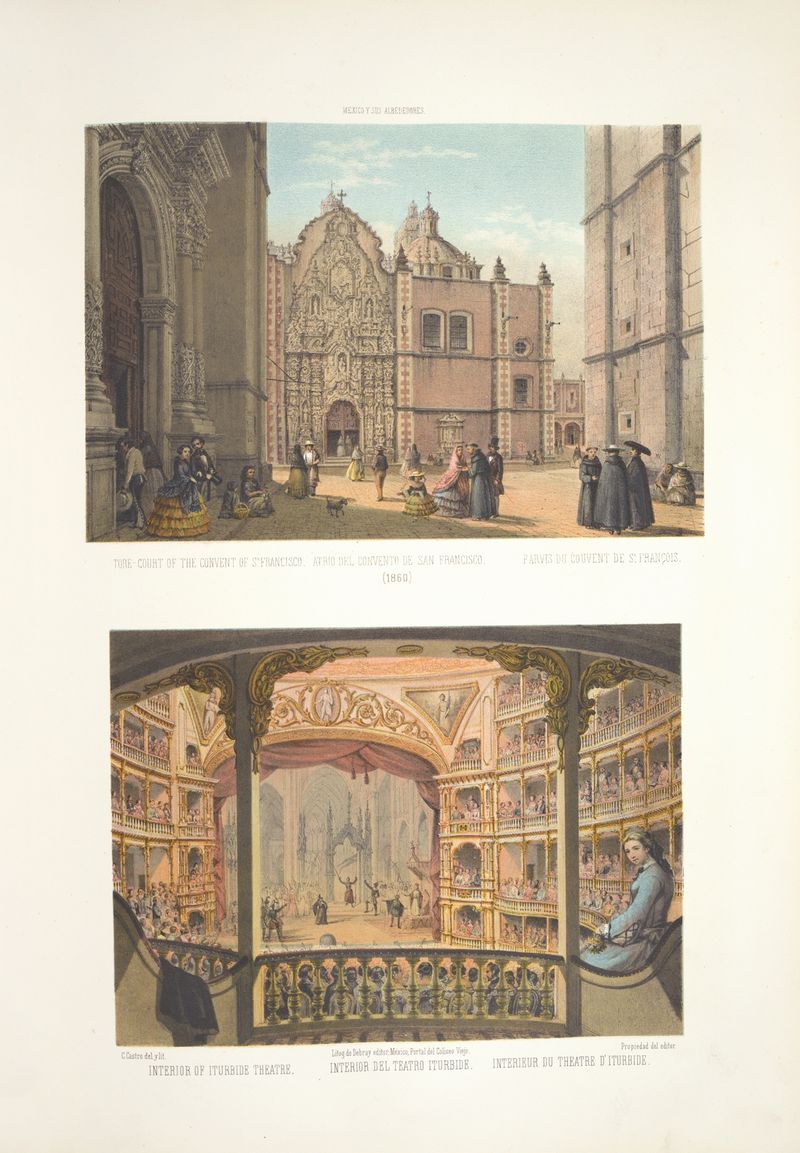
Tore-court of the convent of St. Francisco ; Interior del Teatro Iturbide
C. Castro
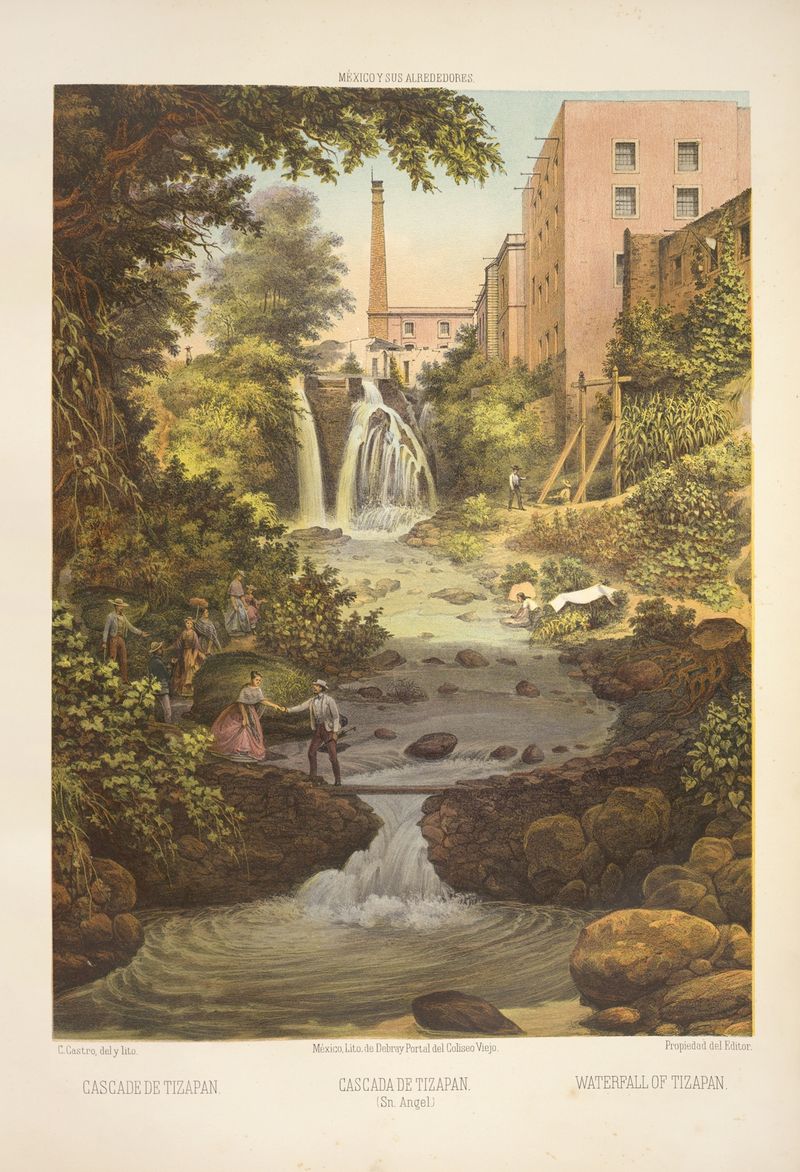
Waterfall of Tizapan
C. Castro
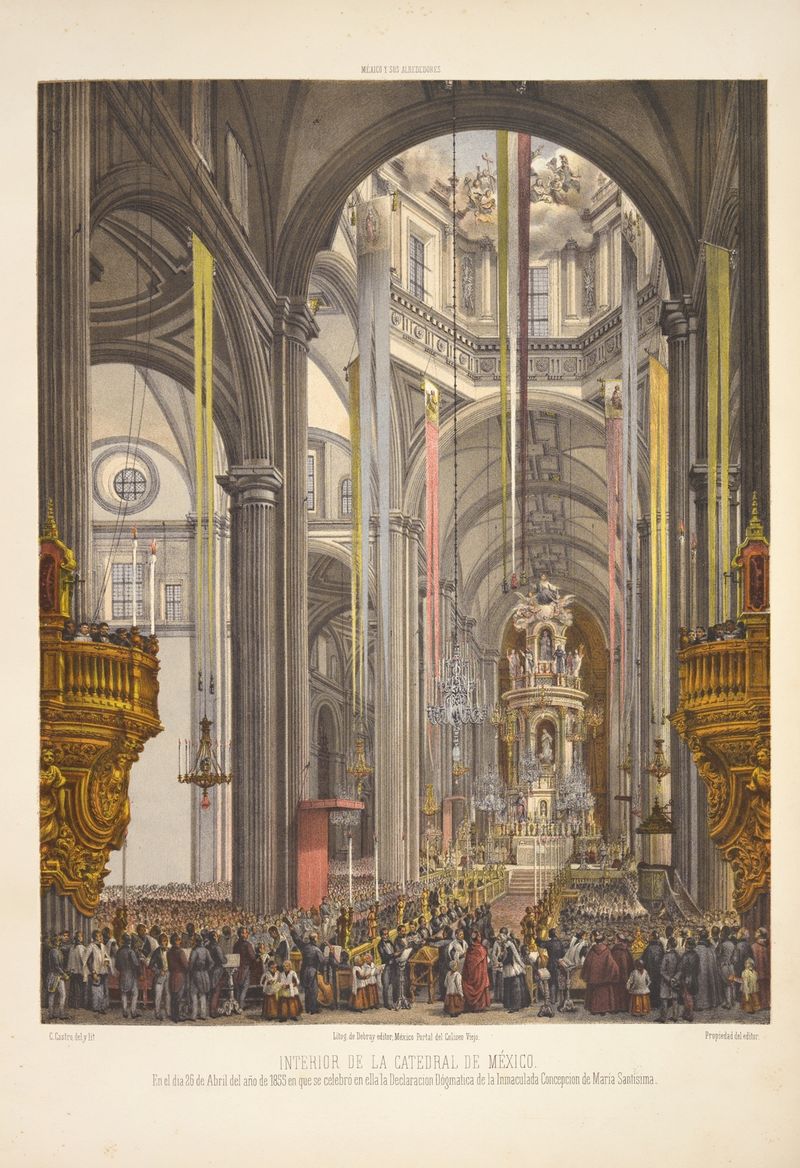
Interior de la Catedral de México. En el dia 26 de Abril del año de 1855 en que se celebró en ella la Declaracion Dógmatica de la Inmaculada Concepcion de María Santisima.
C. Castro
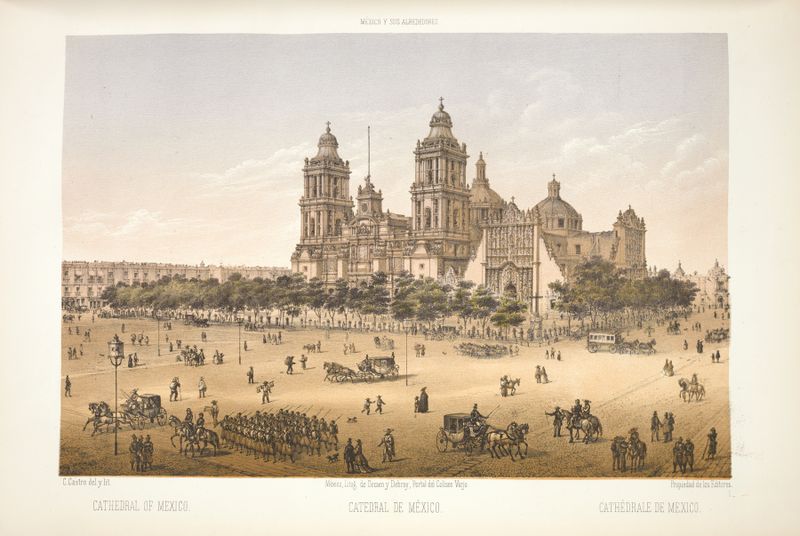
Cathedral of Mexico.
C. Castro
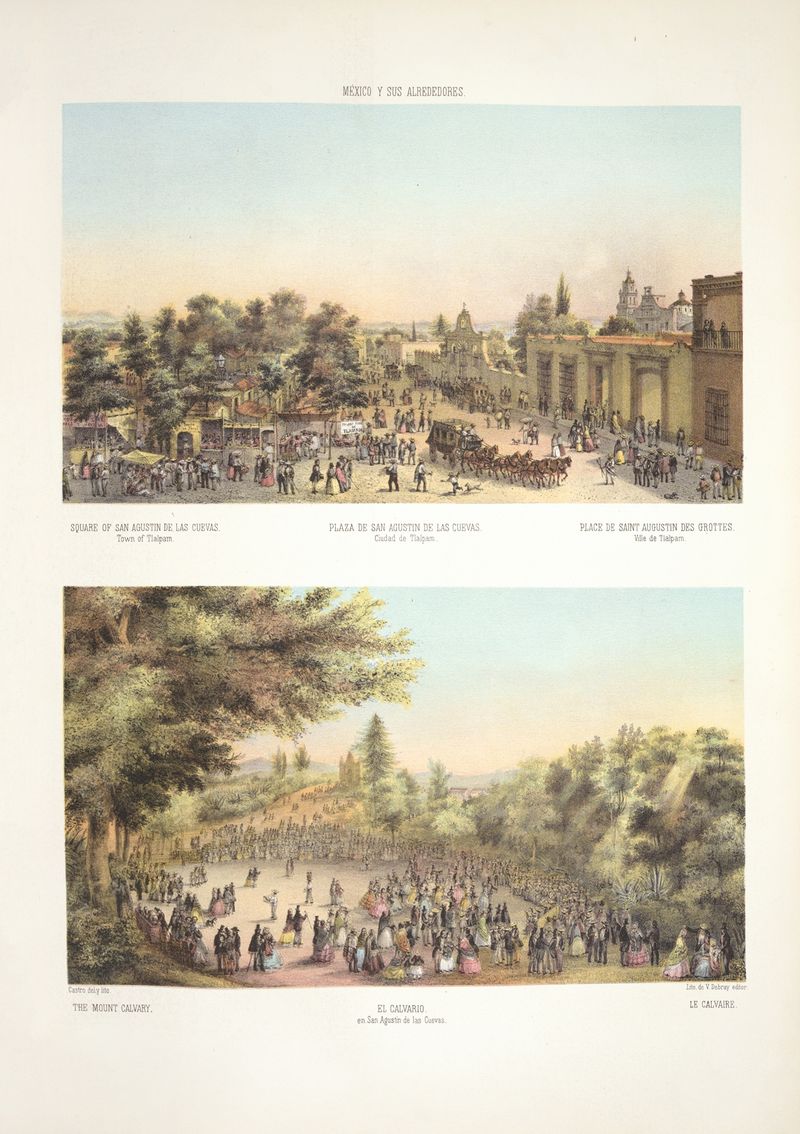
Square of San Agustin de las Cuevas, town of Tlalpam ; The Mount Calvary.
C. Castro
More Historical Art
Browse all →
The Night Watch Militia Company of District II under the Command of Captain Frans Banninck Cocq
Rembrandt van Rijn

Lincoln Memorial
Henry Bacon

The Third of May 1808
Francisco de Goya

Isaac and Rebecca, Known as ‘The Jewish Bride’
Rembrandt van Rijn

The Charge of the Mamelukes (1814)
Francisco de Goya

De vier ruiters van de apocalyps
Albrecht Dürer