
A Strand of the Sea — History & Facts
What first catches the eye in A Strand of the Sea is not the ships or the sea itself, but the theater of daily life unfolding on the shore. The bustle of figures, each absorbed in their own task or conversation, invites the viewer to linger over the small dramas and quiet routines that animate this port. A couple shaded by a bright red parasol strolls with careful elegance, while merchants and sailors tend to crates and barrels, their gestures brisk and purposeful.
The low horizon and wide expanse of sky grant the scene a sense of openness, yet the warm palette and soft clouds keep the mood gentle and grounded in the everyday. Painted in 1662, this work belongs to a world where Dutch and Flemish artists delighted in capturing the energy of maritime trade and travel. Such scenes were prized by a clientele eager to celebrate the prosperity and global reach of their cities. While little is recorded about the specific journey of this painting—now found in the Web Gallery of Art—its subject and style speak to a period when the boundaries between home and the wider world were constantly shifting.
The painting’s careful attention to costume, cargo, and light invites us to imagine ourselves among these travelers, pausing for a moment at the edge of the known world.
More Artworks by Abraham Jansz. Begeyn

Landscape with people and cattle
Abraham Jansz. Begeyn
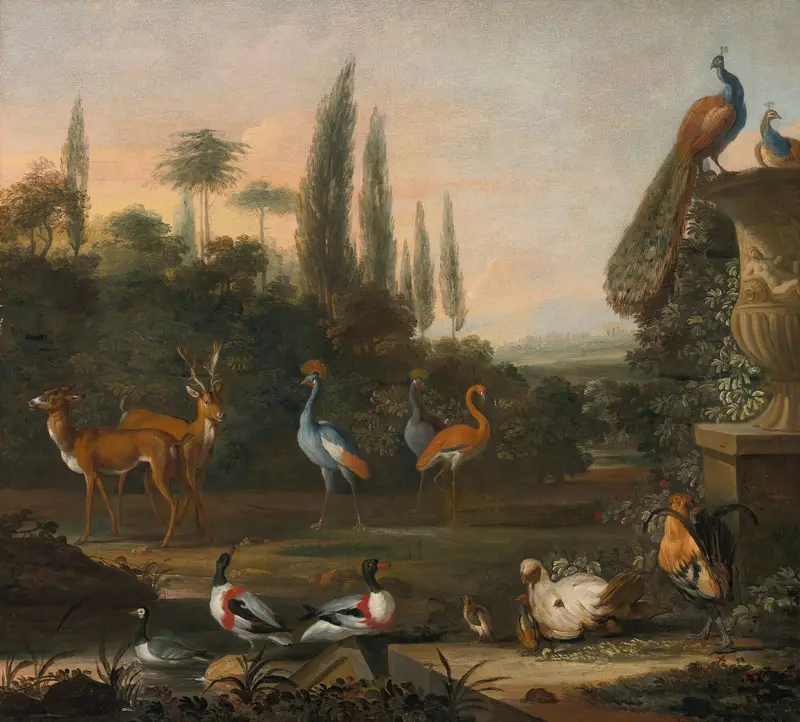
Landscape with deer and exotic birds
Abraham Jansz. Begeyn
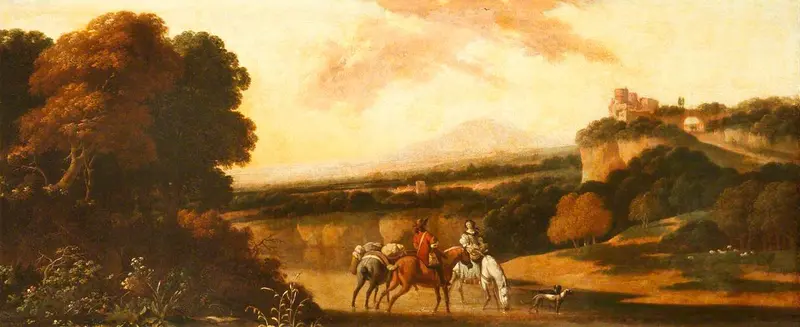
Landscape with Travellers
Abraham Jansz. Begeyn
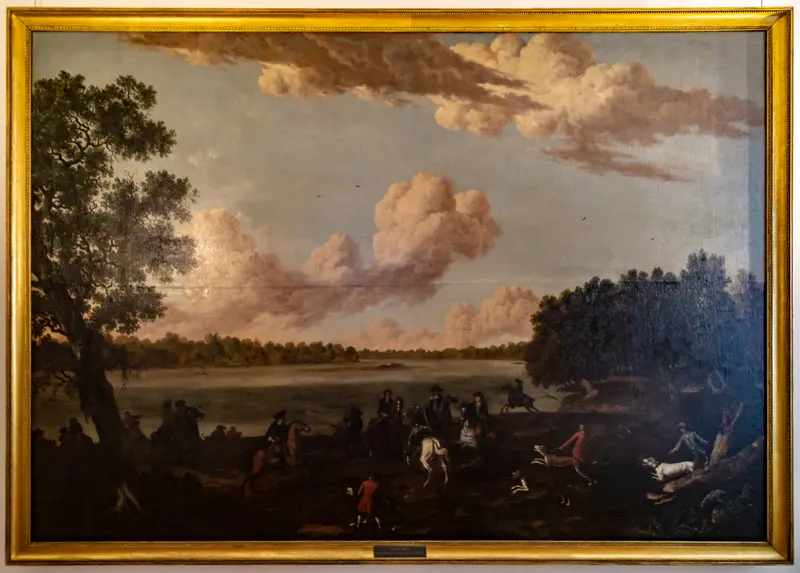
Prince Elector Frederick III of Prussia hunting at the Havel
Abraham Jansz. Begeyn
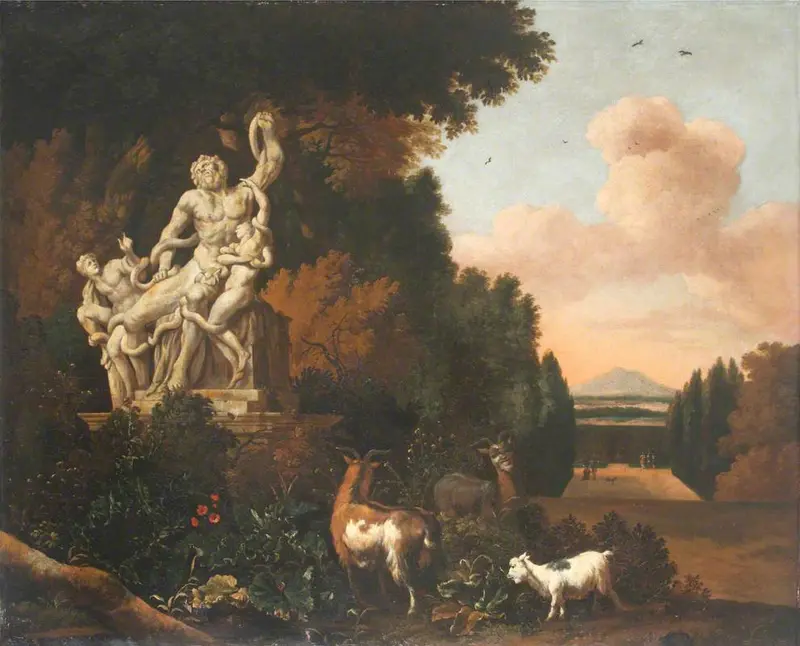
Landscape with Goats and a Statue of Laocoön
Abraham Jansz. Begeyn
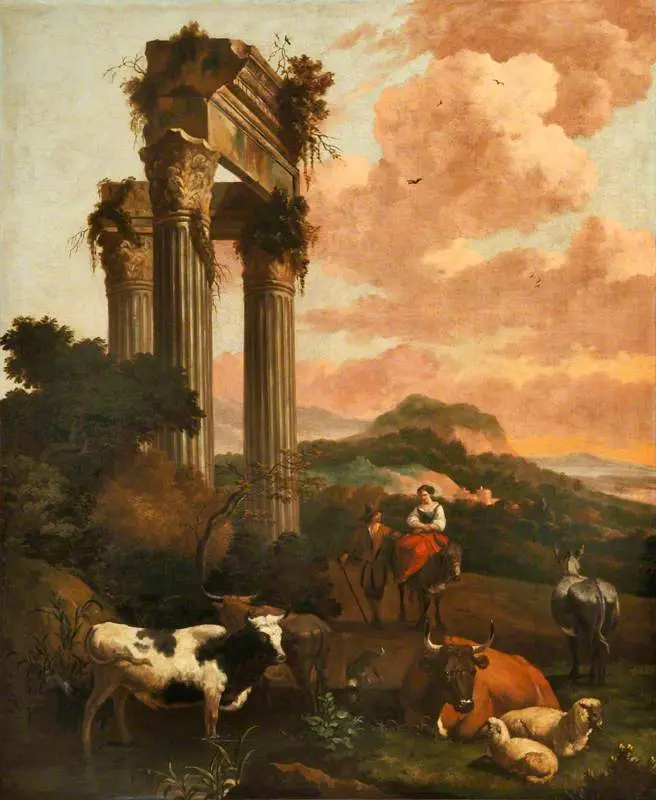
Landscape with Figures, Cattle and Sheep among Classical Ruins
Abraham Jansz. Begeyn
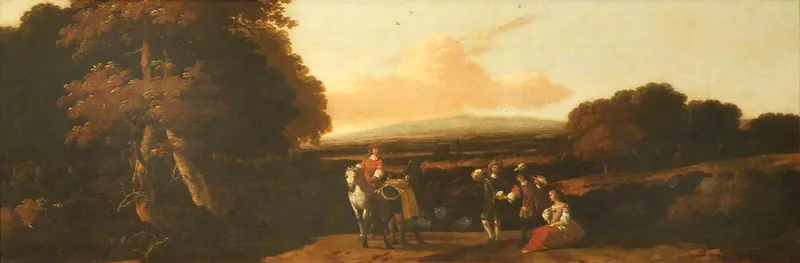
Landscape with Figures on a Road
Abraham Jansz. Begeyn
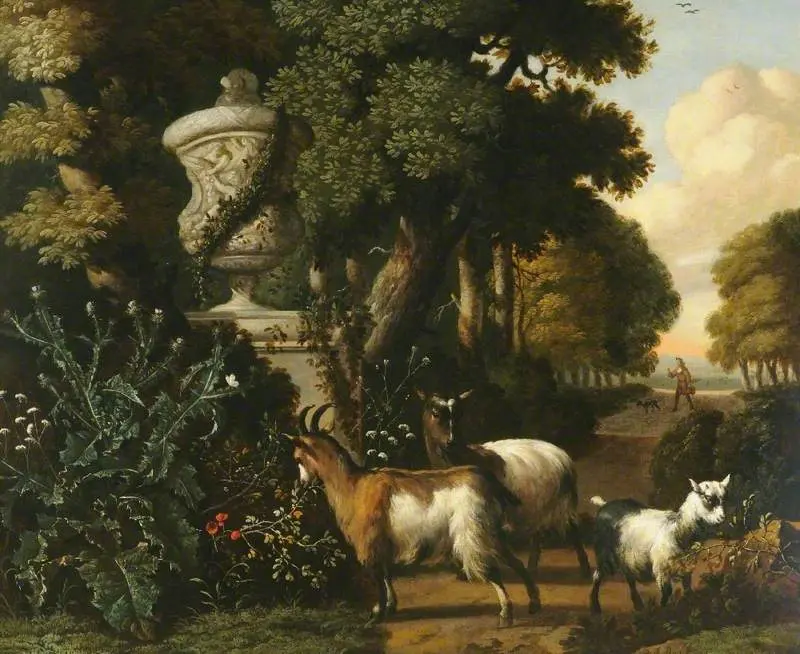
Landscape with Goats
Abraham Jansz. Begeyn
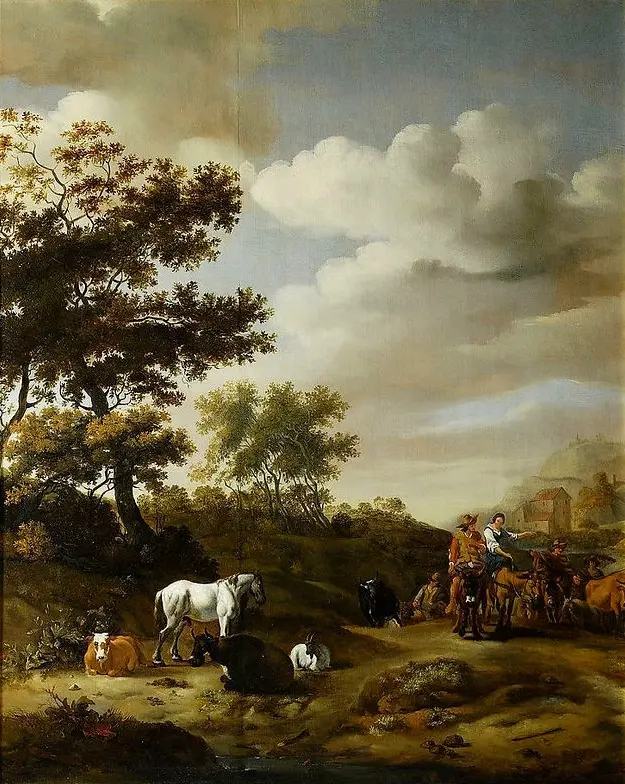
Landscape with travelers and cattle.
Abraham Jansz. Begeyn
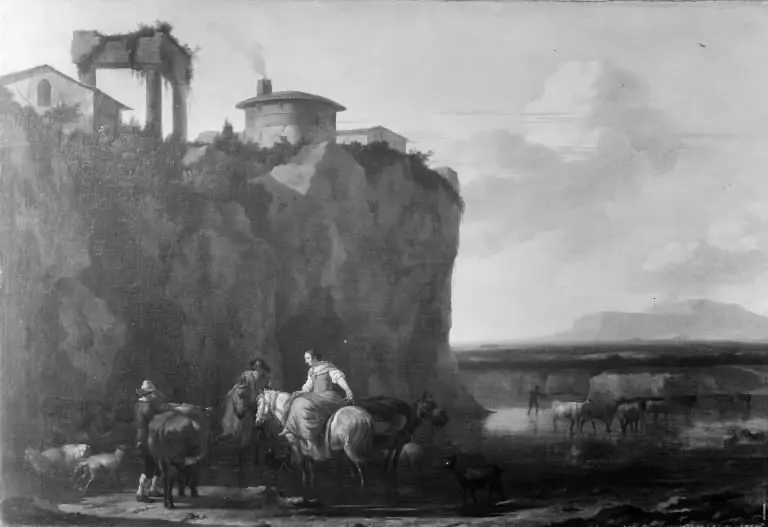
The Ford
Abraham Jansz. Begeyn
More Genre Scene Art

Banquet of the Officers of the St George Civic Guard
Frans Hals

Rembrandt and Saskia in the Scene of the Prodigal Son
Rembrandt van Rijn

Bal du moulin de la Galette
Pierre-Auguste Renoir

Quadrille at the Moulin Rouge
Henri de Toulouse-Lautrec

A Burial at Ornans
Gustave Courbet

When Will You Marry?
Paul Gauguin