
A View of Delft — History & Facts
A man in a black hat sits at a musical instrument seller's stall on a Delft street corner, beside a lute hanging on a wall and a viol lying on a blue cloth. To the right the street opens onto a canal, a tall church with a pointed tower and houses with stepped gables, all curving as if seen through a wide-angle lens. Lettering on the wall above the lute catches the eye. Carel Fabritius painted this tiny canvas in 1652, looking toward the Nieuwe Kerk with the town hall just to its left.
The National Gallery in London says its exaggerated perspective has led many historians to conclude it was probably made to be fitted into a viewing box and seen through a peephole to give an illusion of depth; how it was mounted remains unproven. He carved his signature into the wall beside the lute like graffiti. Fabritius, Rembrandt's most innovative pupil, was killed two years later, aged 32, when Delft's gunpowder magazine exploded in 1654. The church and town hall look much the same today, but the canal has been filled in and the houses on the right demolished.
Bought in Naples in 1836, the painting was presented to the National Gallery by the Art Fund in 1922. It is in the National Gallery in London.
More Artworks by Carel Fabritius

The Goldfinch
Carel Fabritius
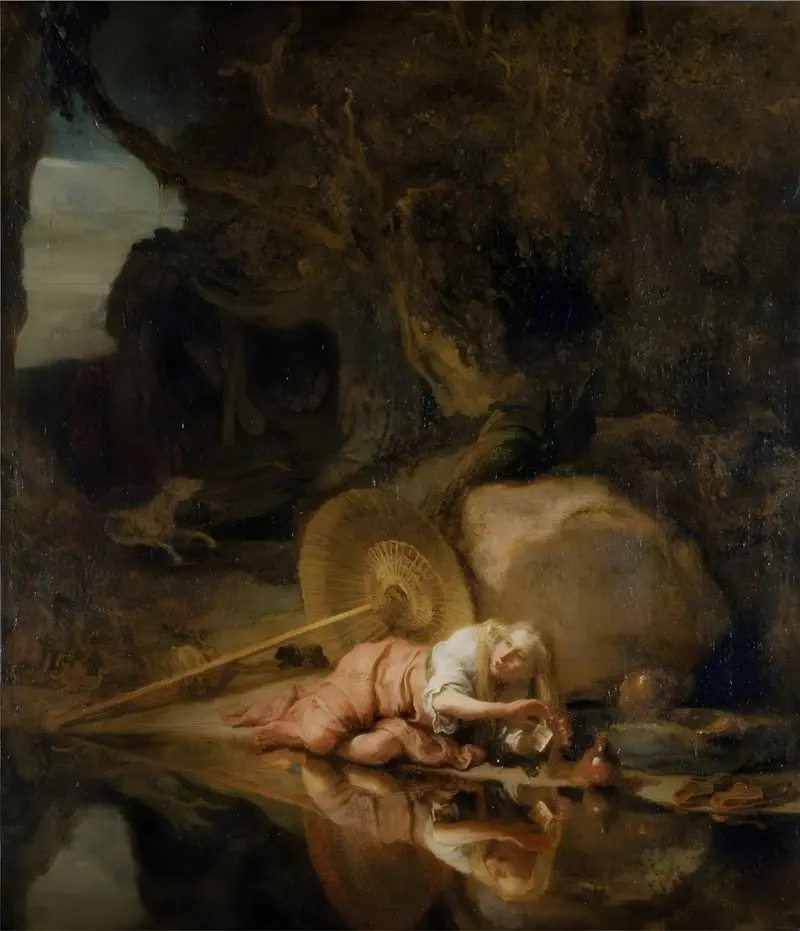
Hera hiding during the battle between the gods and the giants
Carel Fabritius
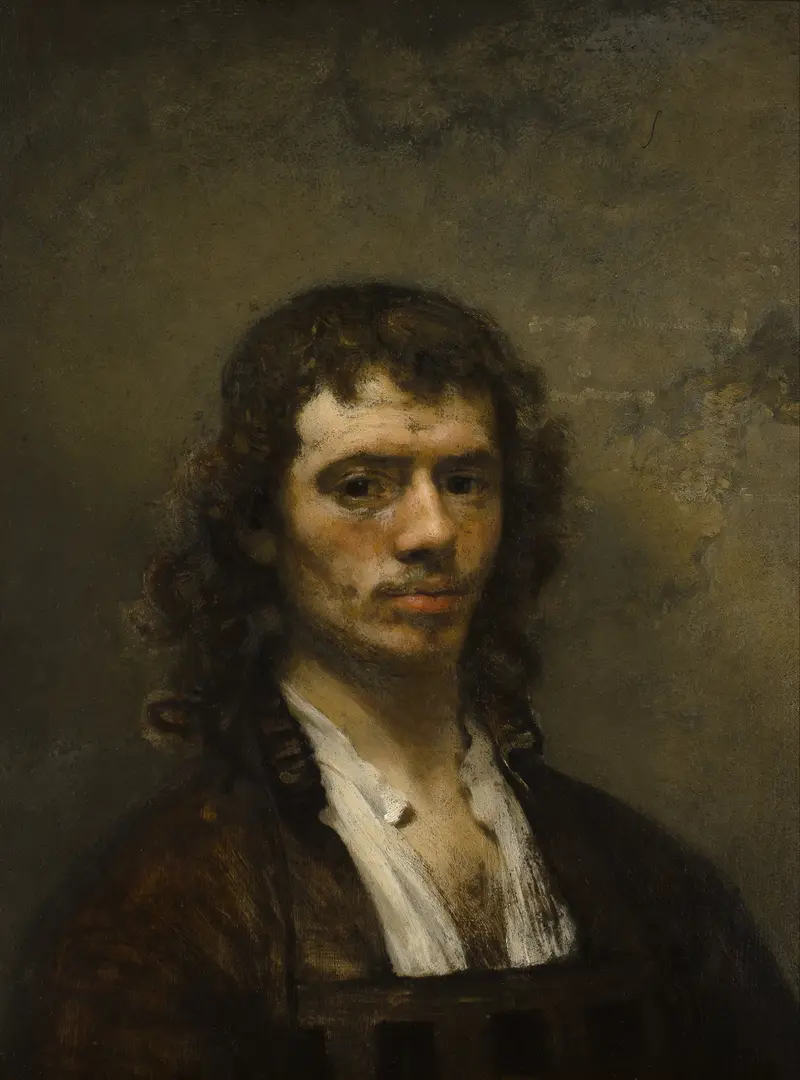
Self-portrait
Carel Fabritius
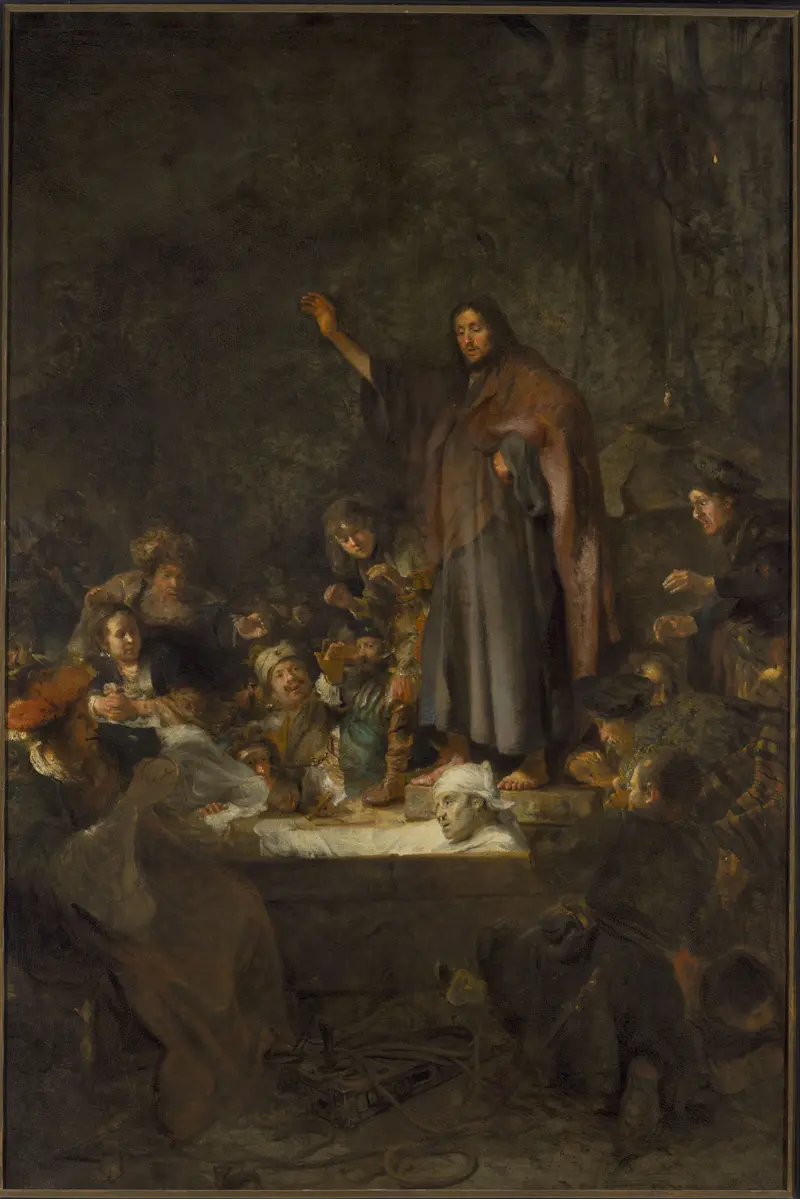
The Raising of Lazarus
Carel Fabritius
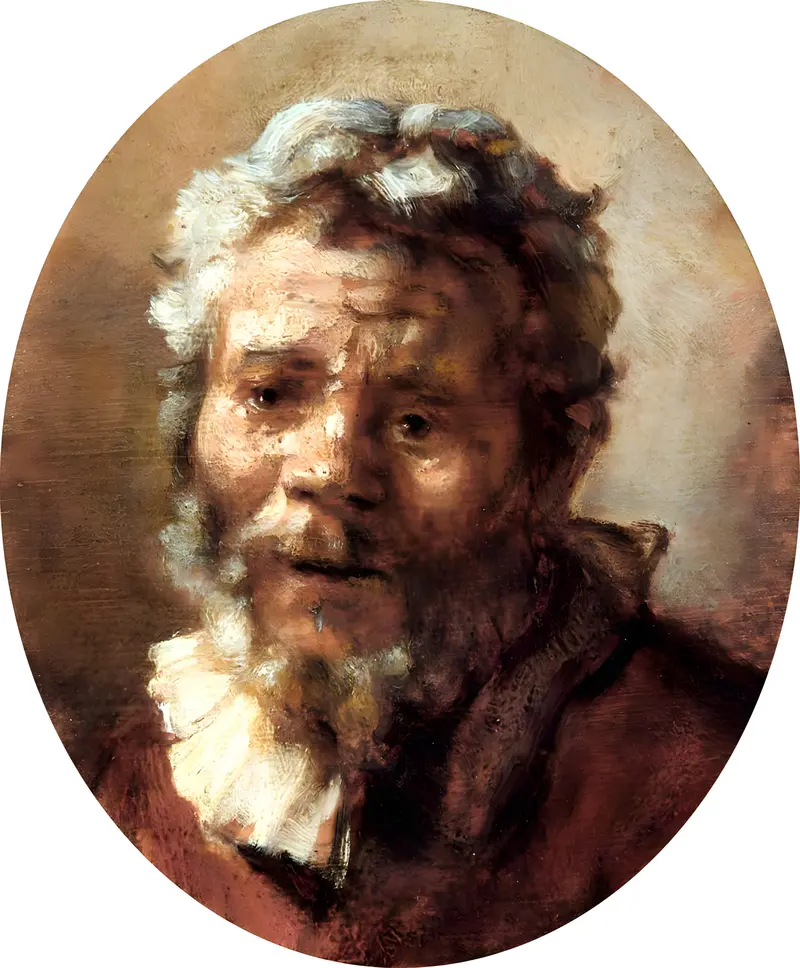
Portrait of a Bearded Man
Carel Fabritius
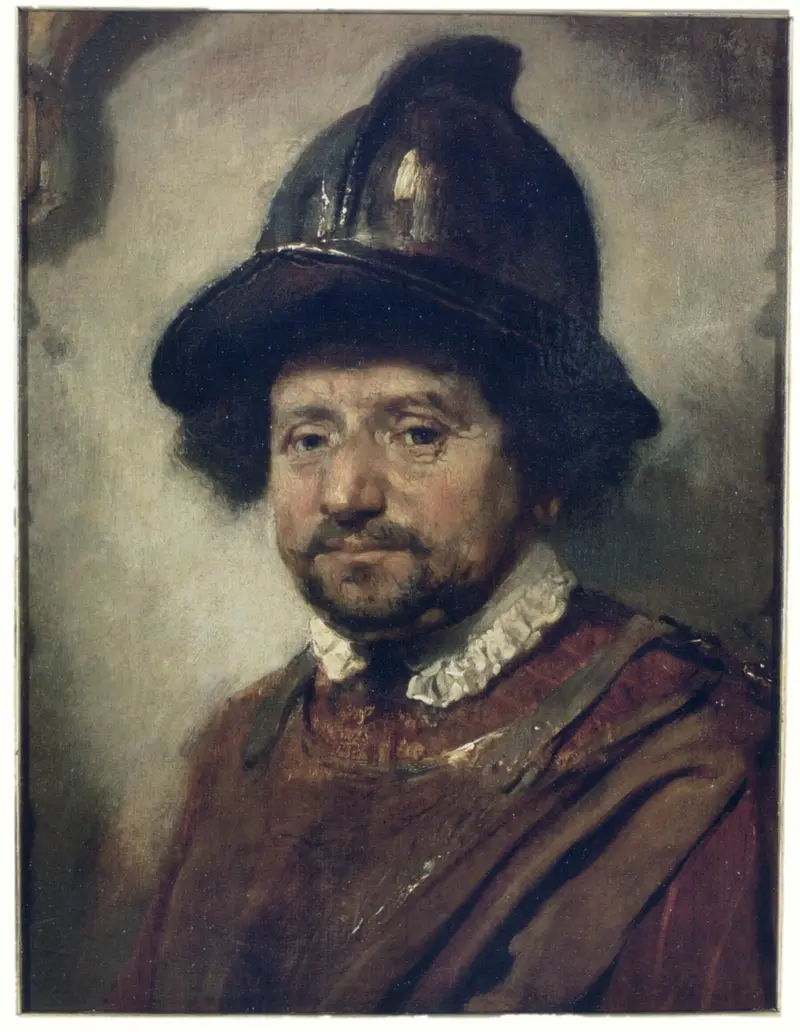
Man with a Helmet
Carel Fabritius
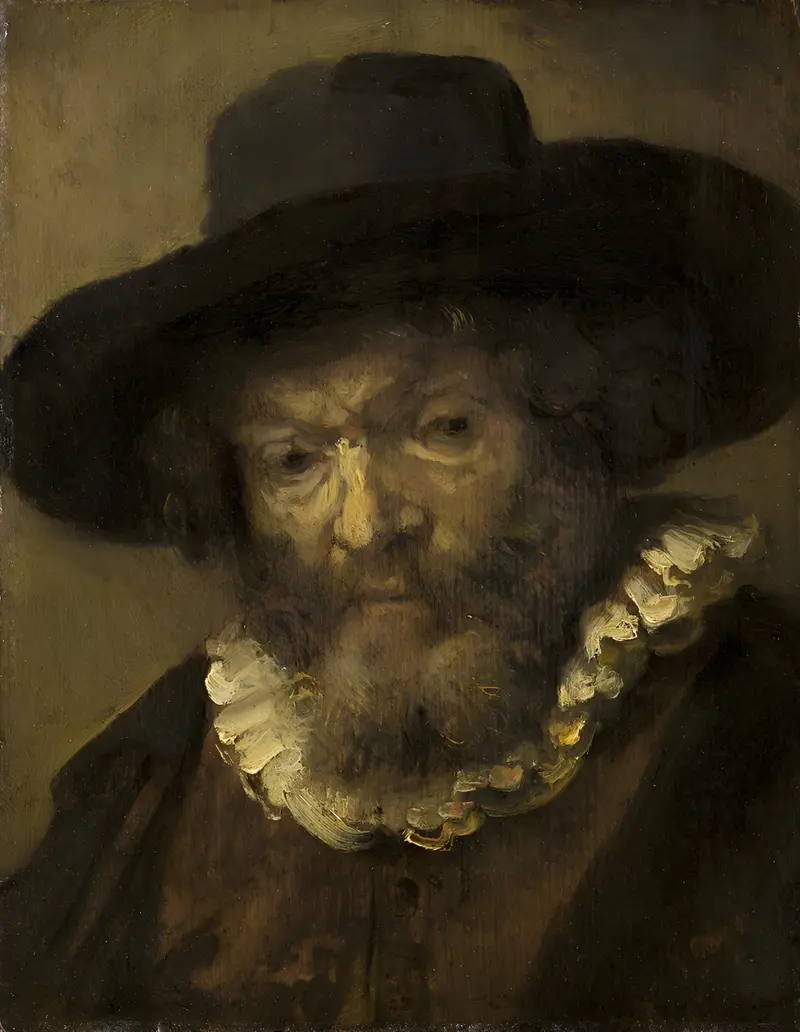
Head of an Old Man
Carel Fabritius
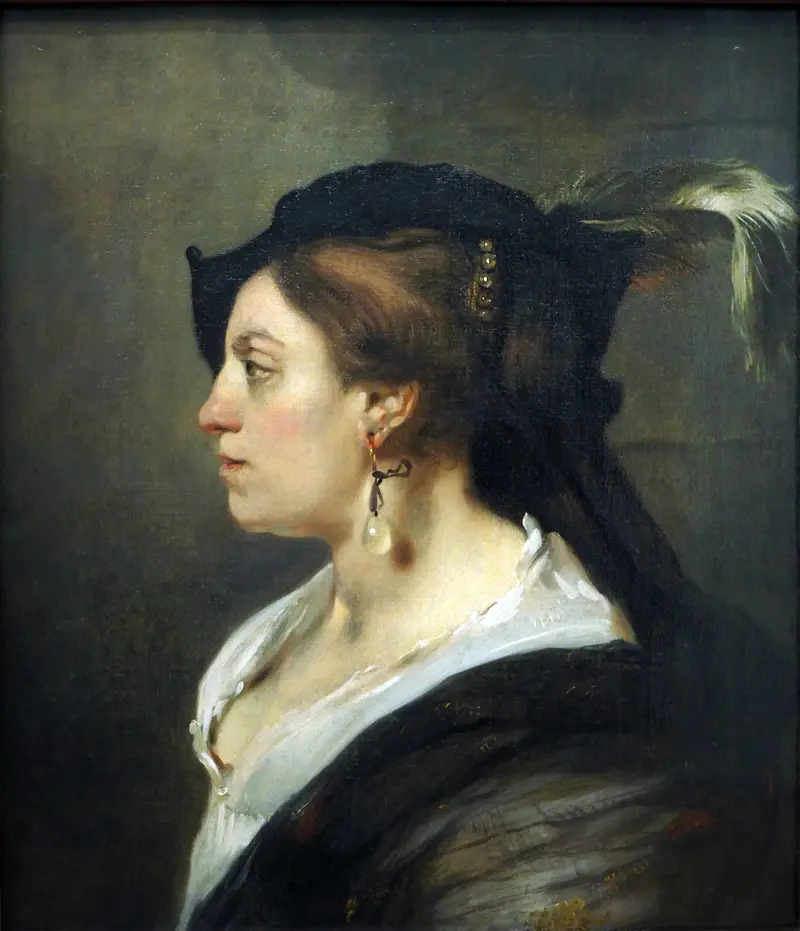
Portrait of a lady in profile
Carel Fabritius
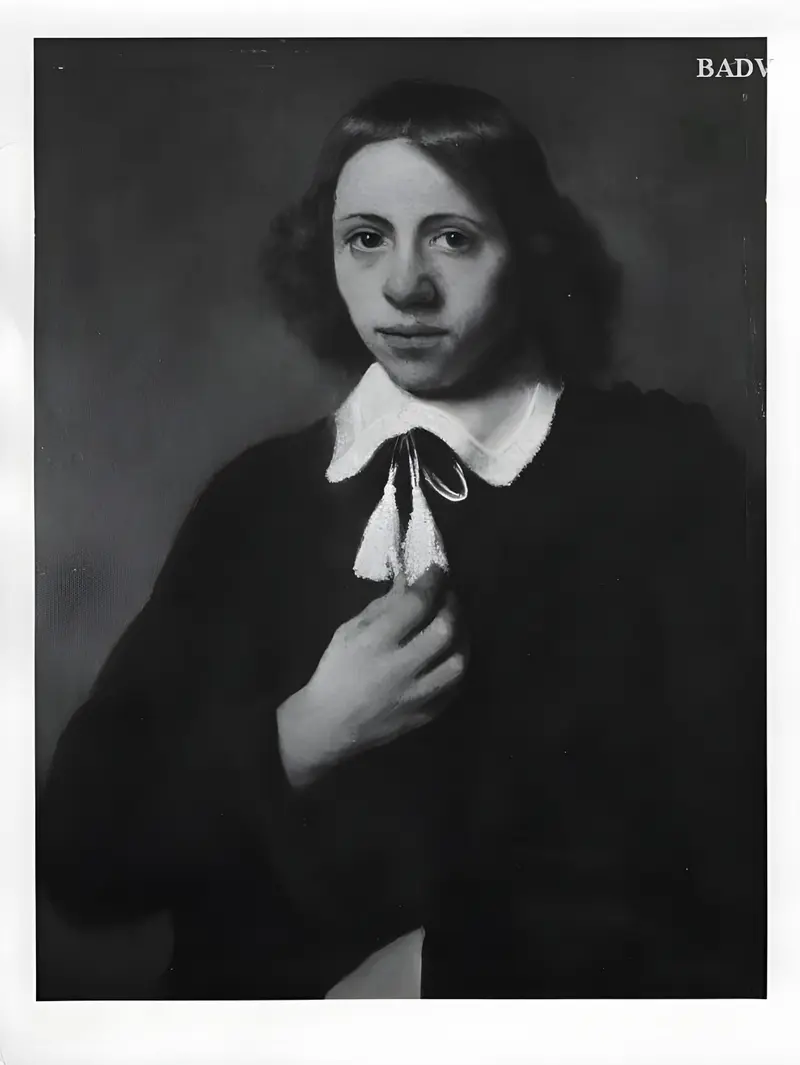
portrait of a boy
Carel Fabritius
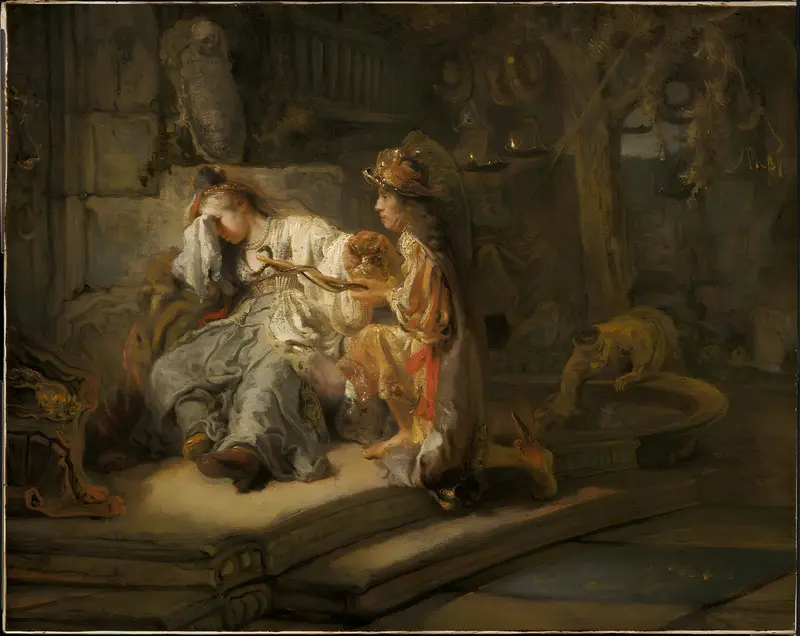
Mercury and Aglauros
Carel Fabritius





