
Portrait of a lady in profile — History & Facts
No one knows the identity of the sitter in Portrait of a lady in profile, painted by Carel Fabritius in 1654, and this mystery has fascinated scholars for generations. The painting surfaced in the historical record only in the nineteenth century, and since then, its attribution to Fabritius—a pupil of Rembrandt and teacher to Vermeer—has been the subject of lively debate. Some suggest it may be the likeness of a lost family member, others that it was a study for a larger, now-vanished composition.
What is certain is that very few portraits by Fabritius survive, making this work a rare glimpse into his approach to character and presence. The lady’s profile is turned in quiet contemplation, her features rendered with delicate attention against a softly lit background. Unlike the dramatic chiaroscuro of Rembrandt or the ornate costumes of Frans Hals, Fabritius opts for restraint: the sitter’s hair is modestly arranged, her dress simple, her jewelry minimal. The play of light on her cheek and the subtle shadow beneath her chin suggest a real person, observed with empathy rather than idealization.
This moment—neither smiling nor sorrowful—invites the viewer to wonder what she thinks, or whom she waits for. In this, the painting recalls Vermeer’s later Girl with a Pearl Earring, but with even greater reserve and ambiguity. The physical history of Portrait of a lady in profile is as elusive as its subject. The painting’s medium is still debated, with some experts arguing for oil on panel, others for canvas.
It has passed through private collections, and its attribution has shifted over time, at moments credited to Rembrandt or his circle before consensus settled on Fabritius. Today, it is recognized as a rare surviving portrait by an artist whose career was tragically cut short in the Delft gunpowder explosion of 1654—the very year this work was painted. As with much of Fabritius’s small oeuvre, its survival feels almost accidental, a quiet testament to an artist whose subtlety and psychological depth would influence Dutch portraiture for generations.
More Artworks by Carel Fabritius

The Goldfinch
Carel Fabritius
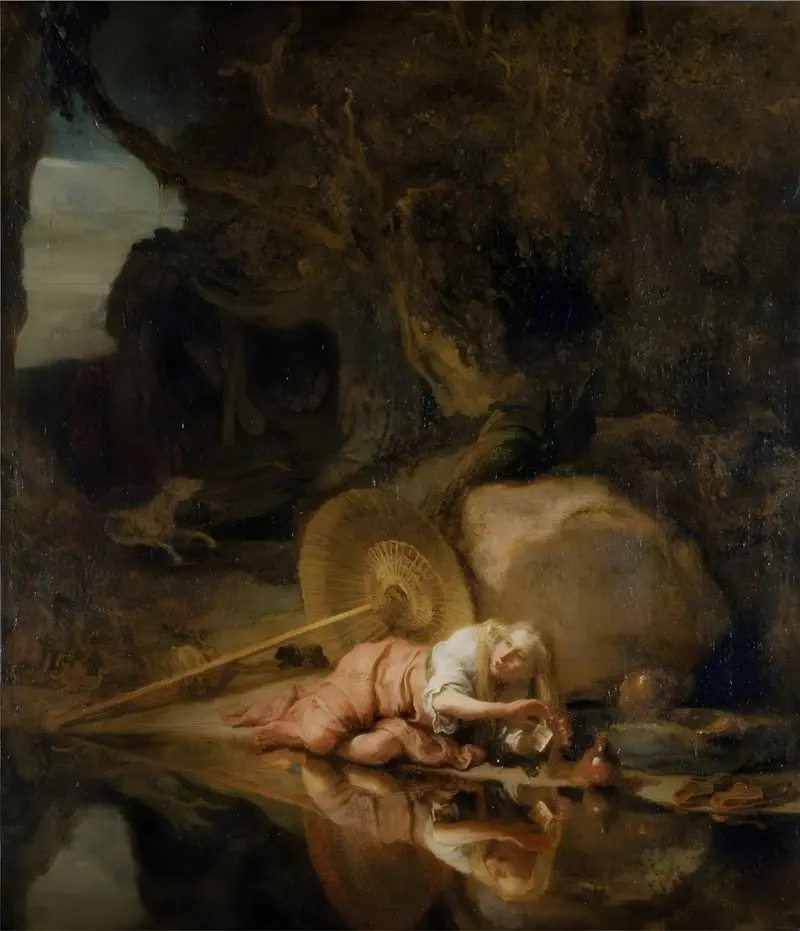
Hera hiding during the battle between the gods and the giants
Carel Fabritius
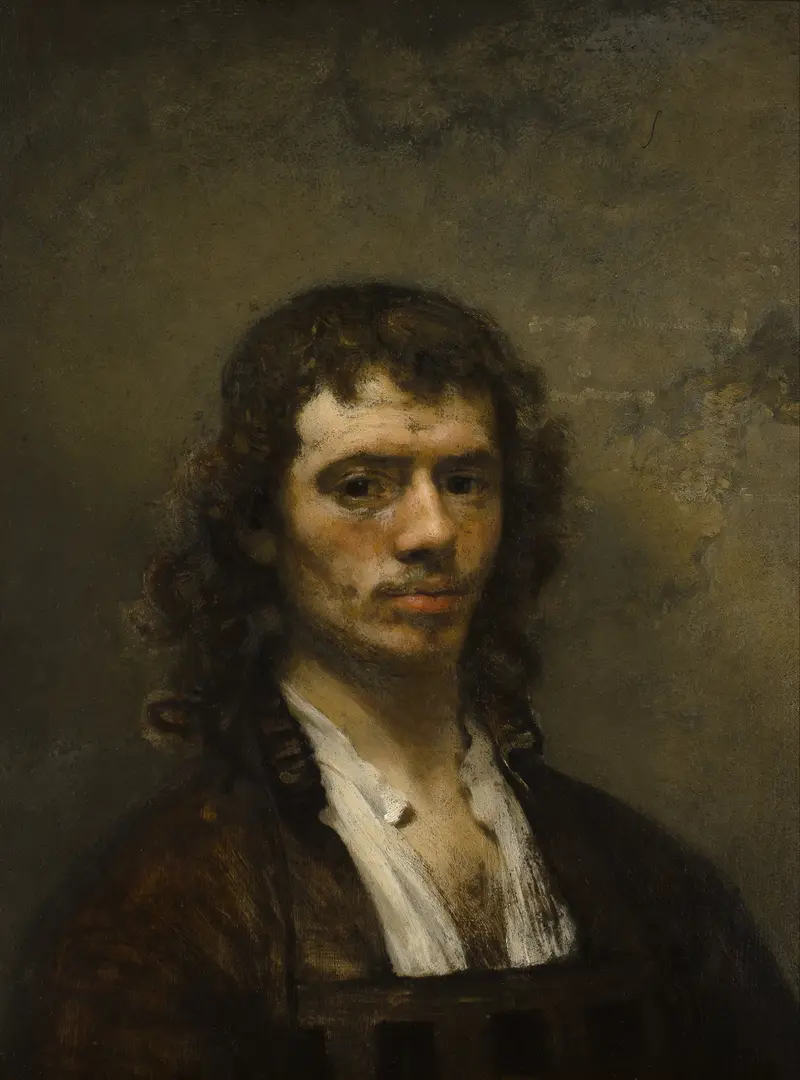
Self-portrait
Carel Fabritius
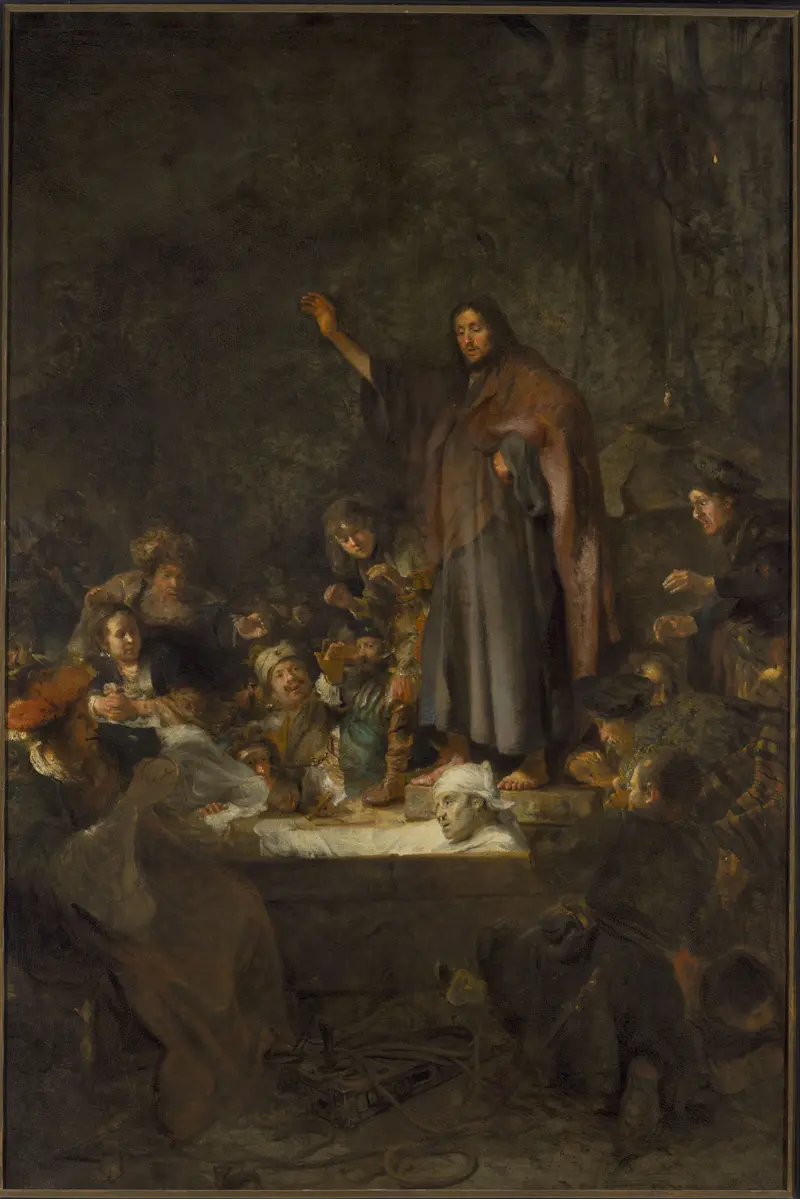
The Raising of Lazarus
Carel Fabritius
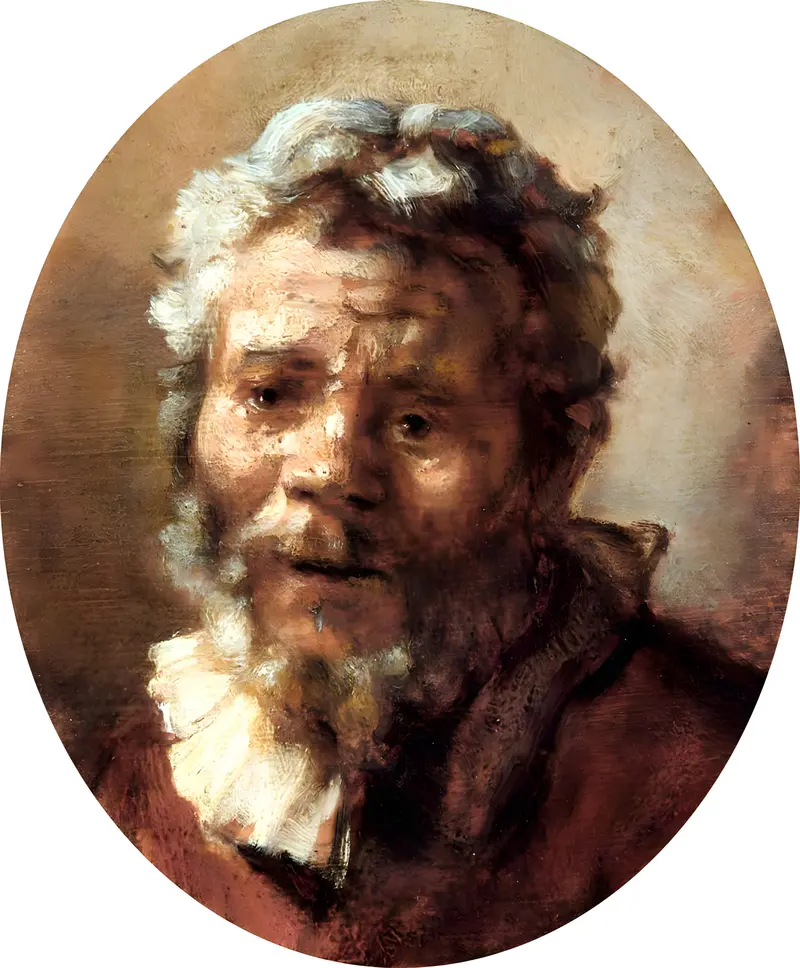
Portrait of a Bearded Man
Carel Fabritius
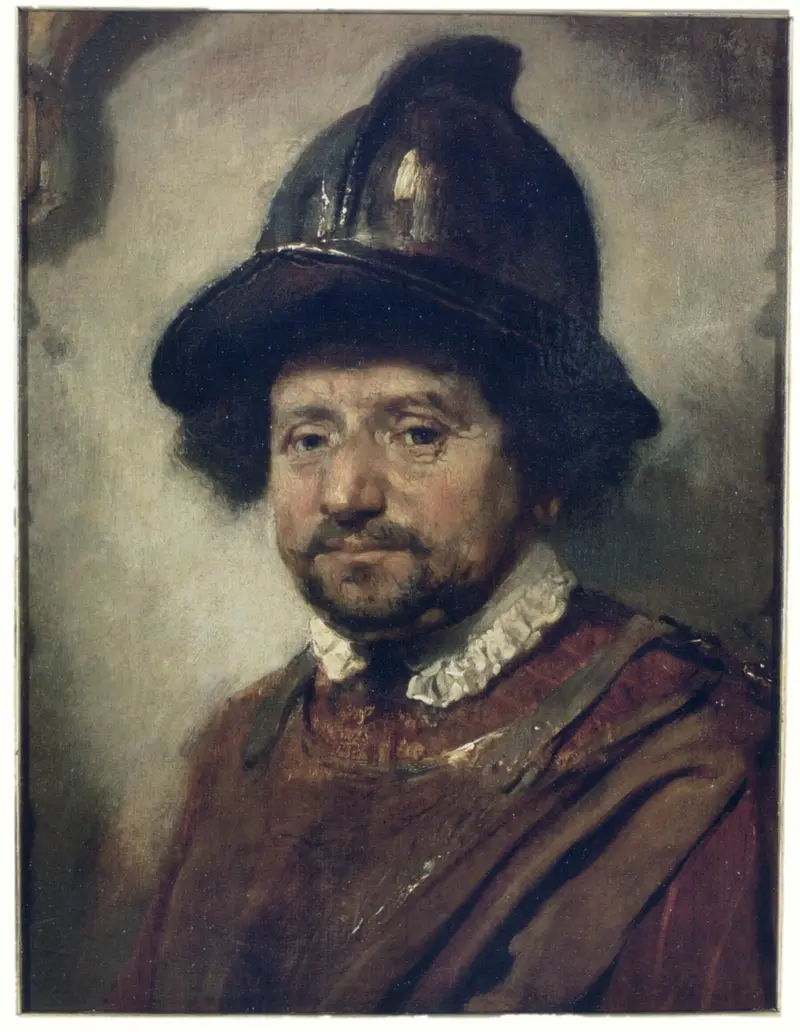
Man with a Helmet
Carel Fabritius
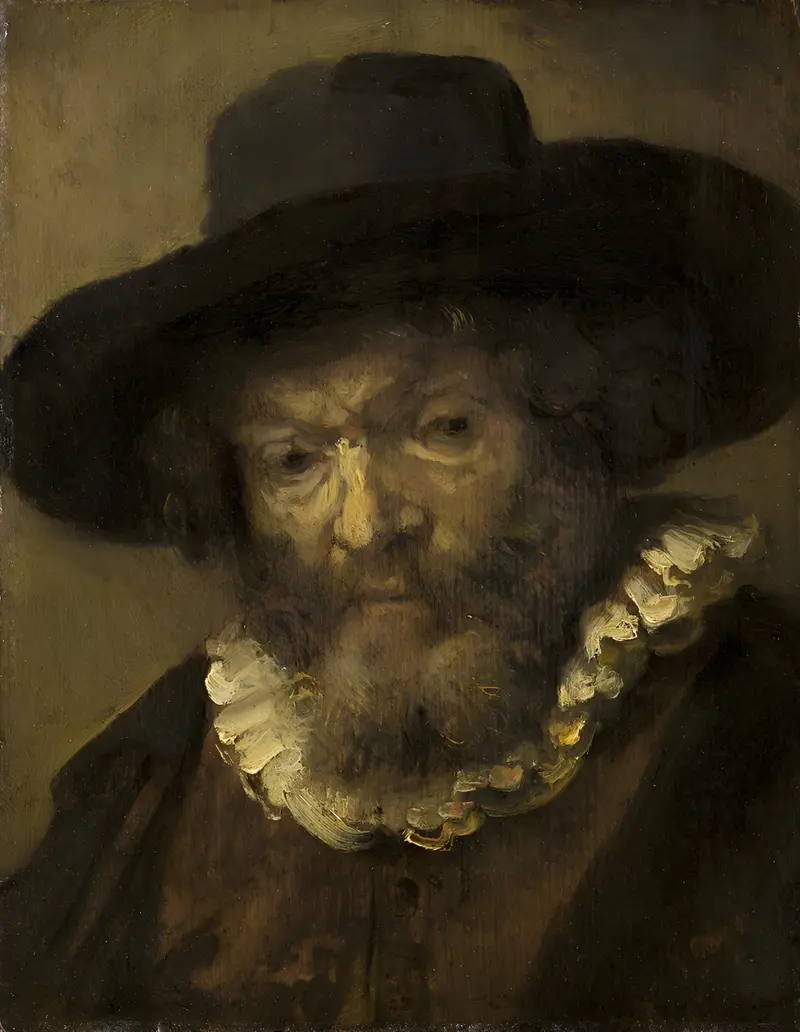
Head of an Old Man
Carel Fabritius
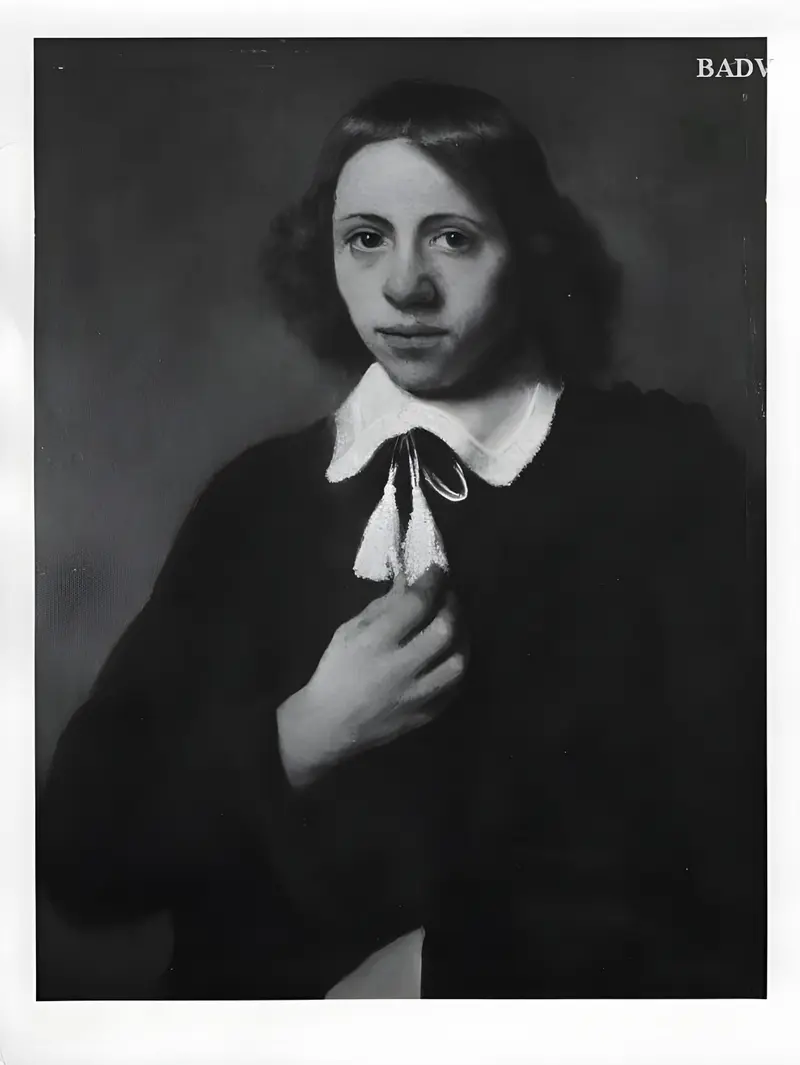
portrait of a boy
Carel Fabritius
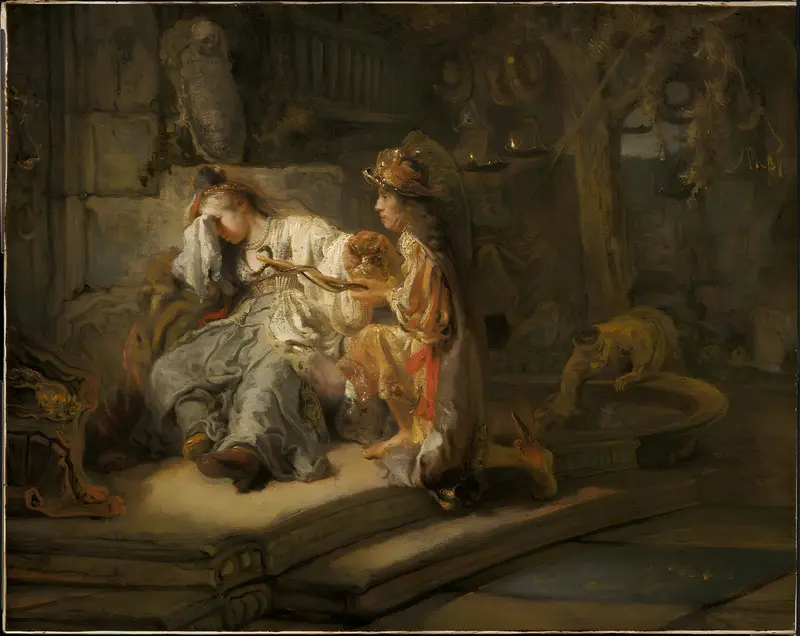
Mercury and Aglauros
Carel Fabritius
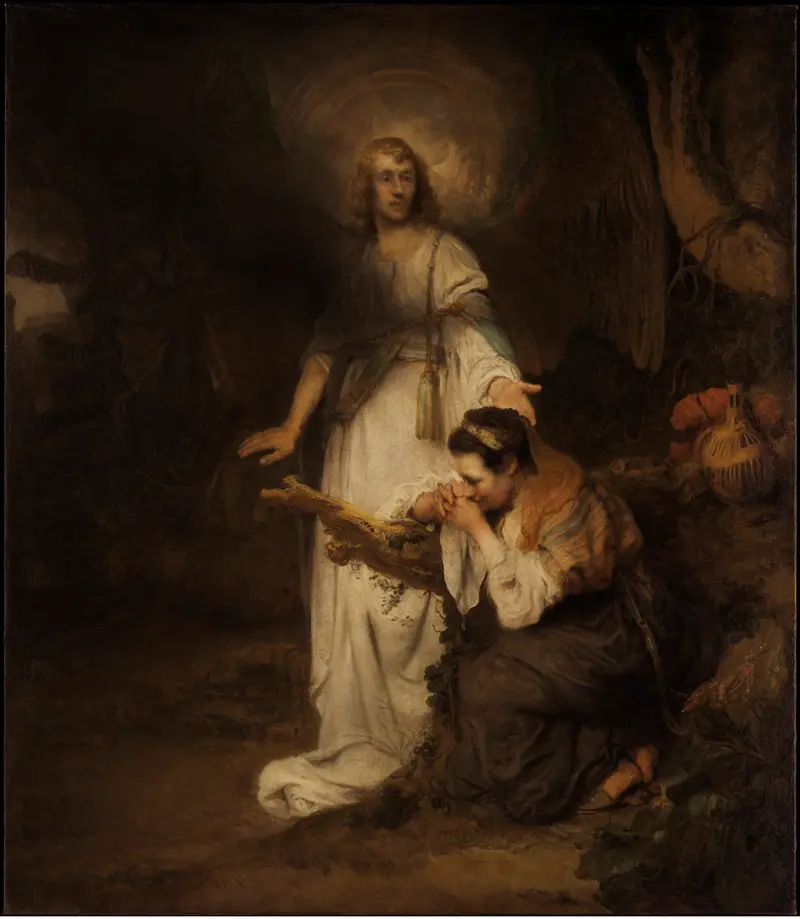
Hagar and the Angel
Carel Fabritius





