
Man with a Helmet — History & Facts
No one knows for certain who the Man with a Helmet truly is, or even whether he ever lived outside the painter’s imagination. This enigmatic work by Carel Fabritius, painted in 1648, has long puzzled scholars: is it a portrait, a study, or an exercise in character? The painting’s subject, with his burnished metal helmet and distant gaze, was once attributed to Rembrandt himself, a testament to its haunting presence and technical brilliance. Today, it stands as a rare surviving example of Fabritius’s art, since much of his oeuvre was lost in the Delft gunpowder explosion of 1654. The man’s face emerges from a shadowy background, his features caught in a soft, searching light that glances off the elaborate helmet.
There is no narrative action here—no battle, no courtly intrigue—just the sitter’s silent confrontation with the viewer. The helmet, with its ornate cheek-guards and plume, suggests a soldier or officer, but his clothing lacks insignia or finery, leaving his identity ambiguous. Fabritius’s brushwork is delicate, the textures of metal and flesh rendered with a quiet realism that recalls the psychological depth of Rembrandt’s portraits, yet the mood is more restrained, almost meditative.
Unlike Rembrandt’s Man in Armour, which bristles with drama, Fabritius’s figure seems lost in thought, suspended between reality and reverie. The painting’s early history is obscure; there is no surviving record of its original commission or patron. Over the centuries, it has changed hands many times, at one point mistakenly catalogued as a work by Rembrandt before careful study restored it to Fabritius. Today, Man with a Helmet is valued not only as a striking image but also as a rare link to an artist whose career was cut short by tragedy.
It serves as a quiet testament to the innovations of the Delft school and the subtle psychological insight Fabritius brought to Dutch portraiture.
More Artworks by Carel Fabritius

The Goldfinch
Carel Fabritius
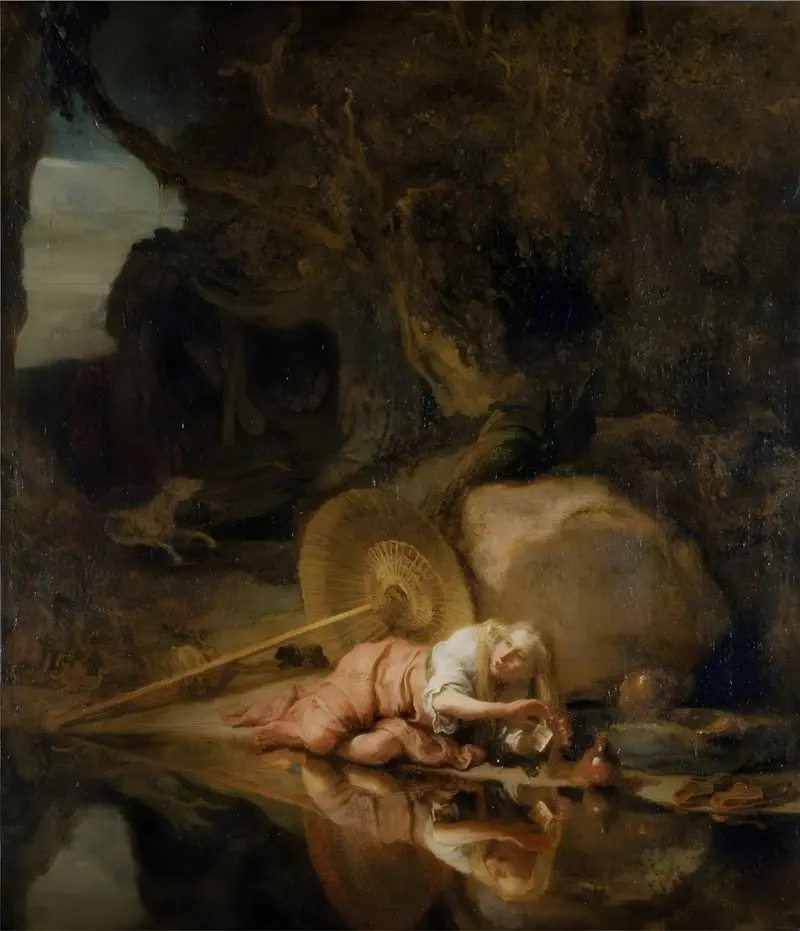
Hera hiding during the battle between the gods and the giants
Carel Fabritius
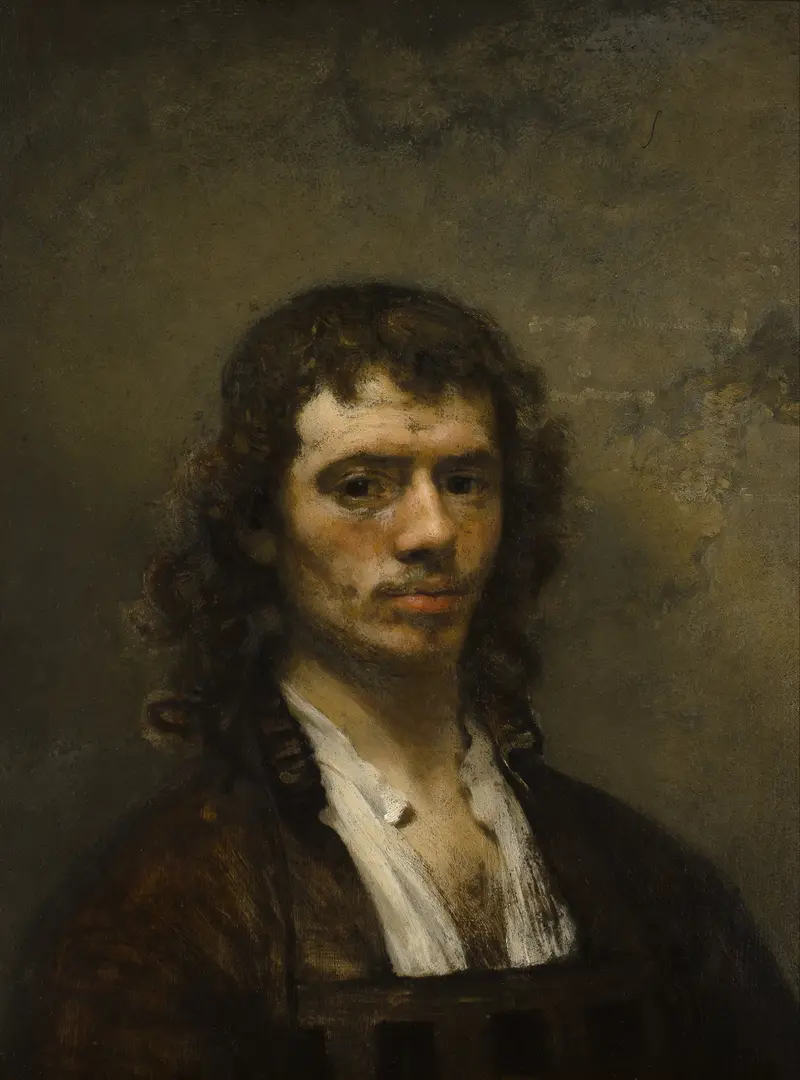
Self-portrait
Carel Fabritius
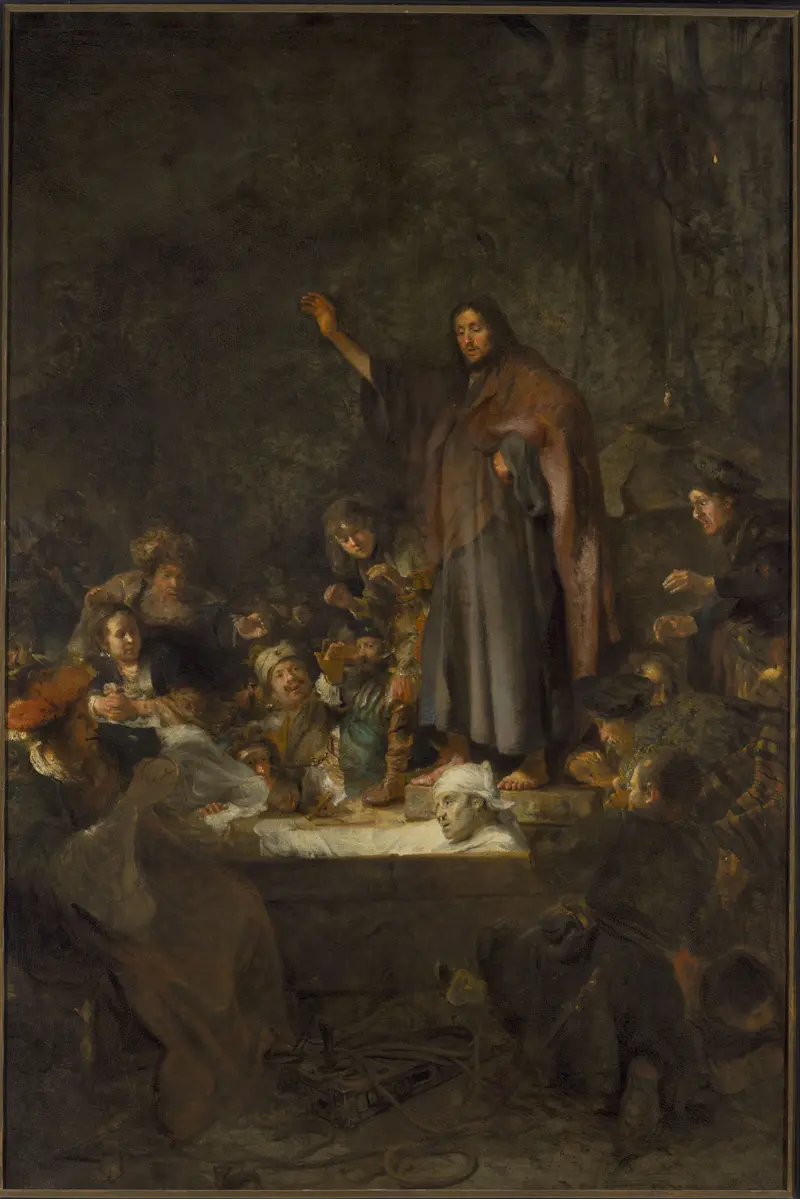
The Raising of Lazarus
Carel Fabritius
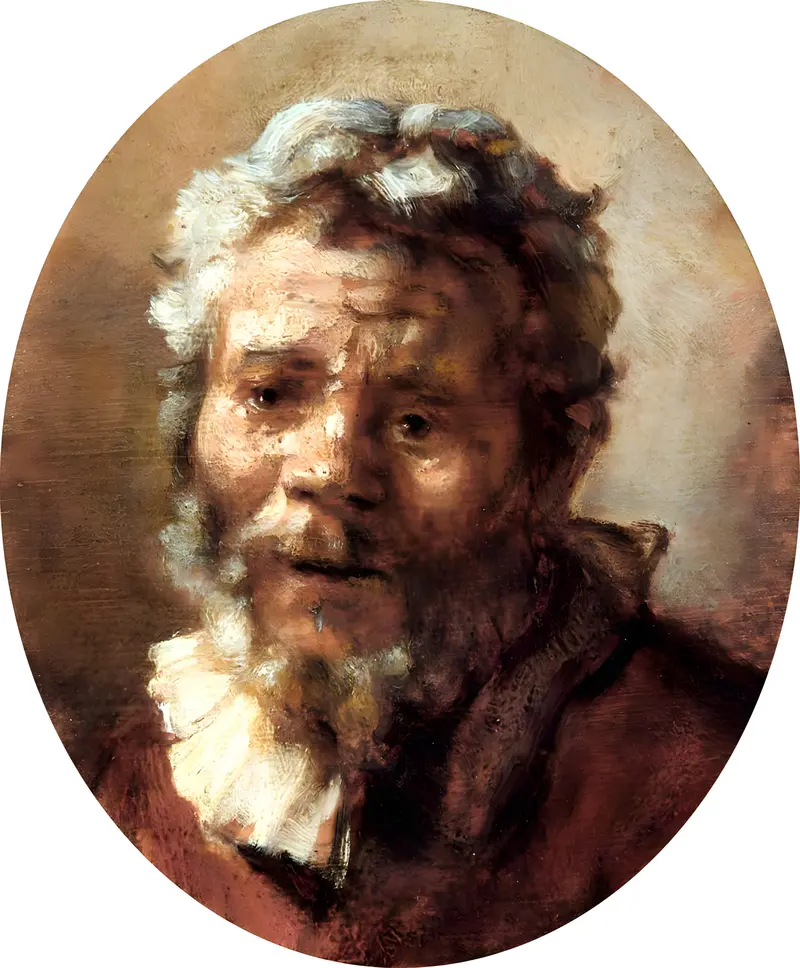
Portrait of a Bearded Man
Carel Fabritius
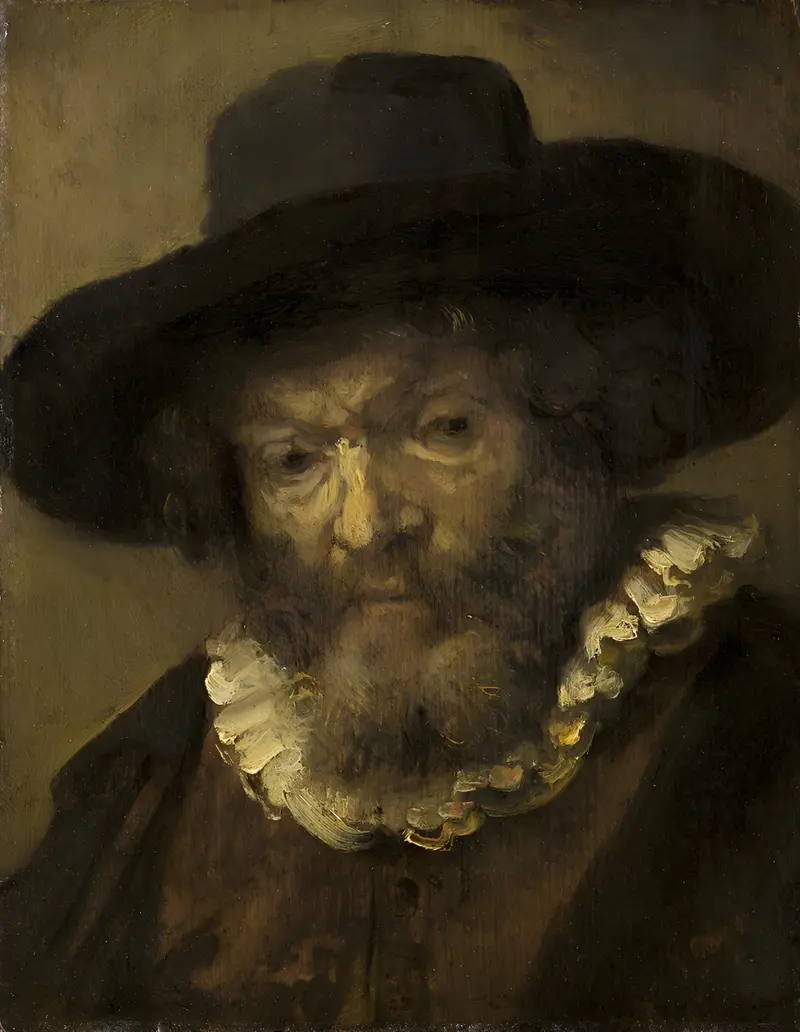
Head of an Old Man
Carel Fabritius
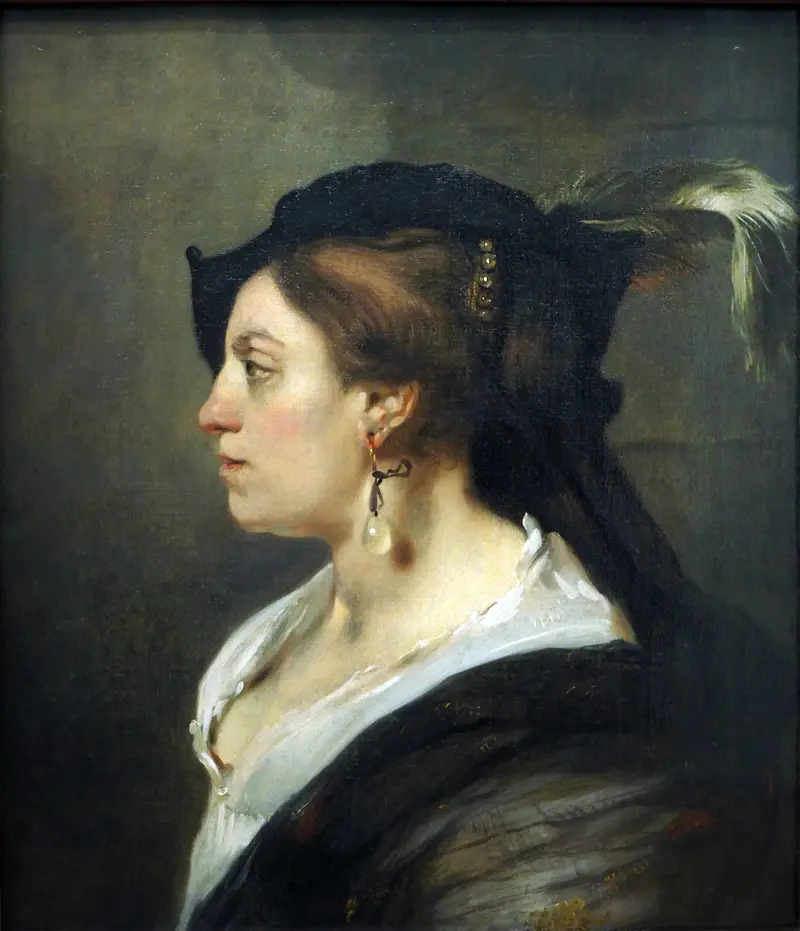
Portrait of a lady in profile
Carel Fabritius
portrait of a boy
Carel Fabritius
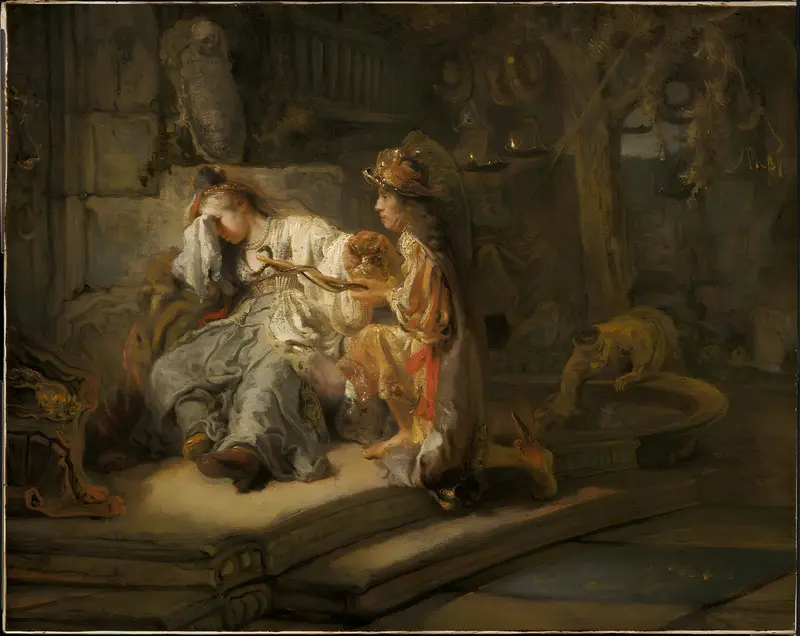
Mercury and Aglauros
Carel Fabritius
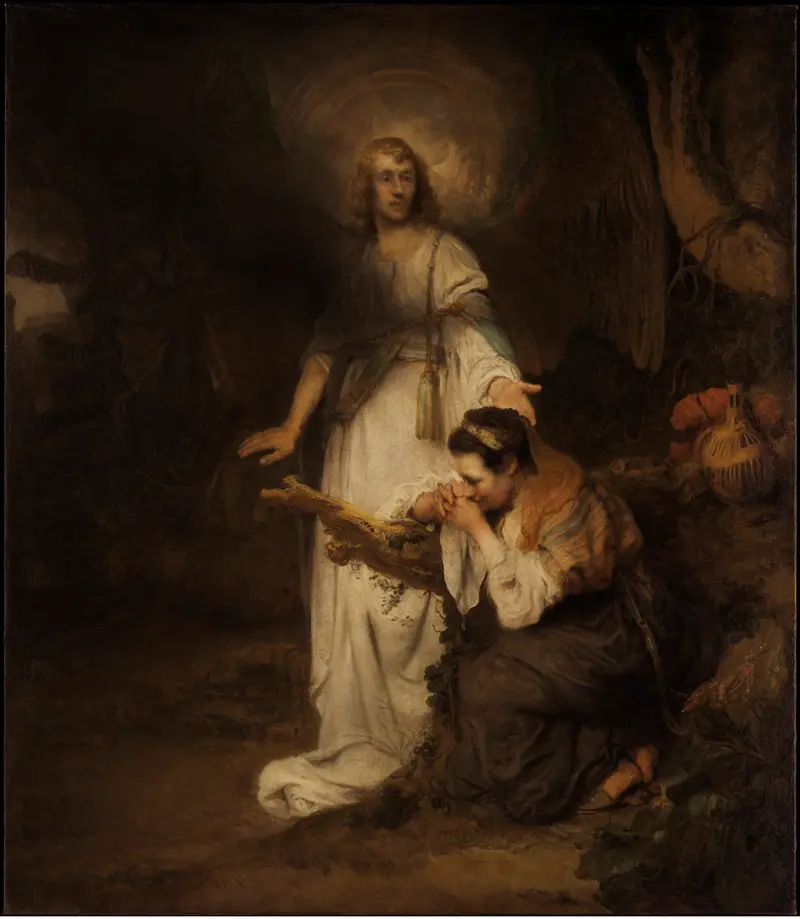
Hagar and the Angel
Carel Fabritius





