
Mercury and Aglauros — History & Facts
A single painting, Mercury and Aglauros by Carel Fabritius, stands as the earliest known signed work by this Dutch master, created in 1646 when he was just in his early twenties. Its subject is rare in Dutch art, and the painting’s authorship was once doubted, only to be confirmed by Fabritius’s own signature, discovered during a cleaning in the twentieth century. The myth it portrays comes from Ovid’s Metamorphoses, a classical source that was not often mined by Fabritius’s contemporaries.
This choice hints at the artist’s ambition and early engagement with complex narrative. The scene captures the fateful moment when Mercury, messenger of the gods, arrives at the house of Aglauros, one of the daughters of Cecrops. Mercury, tasked by Jupiter to abduct Aglauros’s sister Herse, finds his way blocked by Aglauros herself, who is consumed by jealousy and greed. Fabritius chooses the instant of confrontation: Mercury, winged helmet and caduceus in hand, steps lightly into the frame, while Aglauros, her posture tense, bars the way.
The light isolates their figures, drawing attention to Mercury’s calm determination and Aglauros’s anxious resistance. Unlike Vermeer’s later, more enigmatic mythological scenes, Fabritius’s composition is direct, almost theatrical, emphasizing the psychological drama at its heart. The provenance of Mercury and Aglauros is not fully documented, but it is generally believed to have remained in private collections until the twentieth century, when it entered the holdings of the Museo del Prado. The painting marks a pivotal point in Fabritius’s brief career, created before he left Rembrandt’s studio and developed his own distinctive style.
Its ambitious subject and careful execution foreshadow the artist’s later innovations, but also stand apart as a rare example of mythological narrative in his oeuvre. Today, it hangs as a testament to Fabritius’s early promise and the breadth of his artistic curiosity.
More Artworks by Carel Fabritius

The Goldfinch
Carel Fabritius
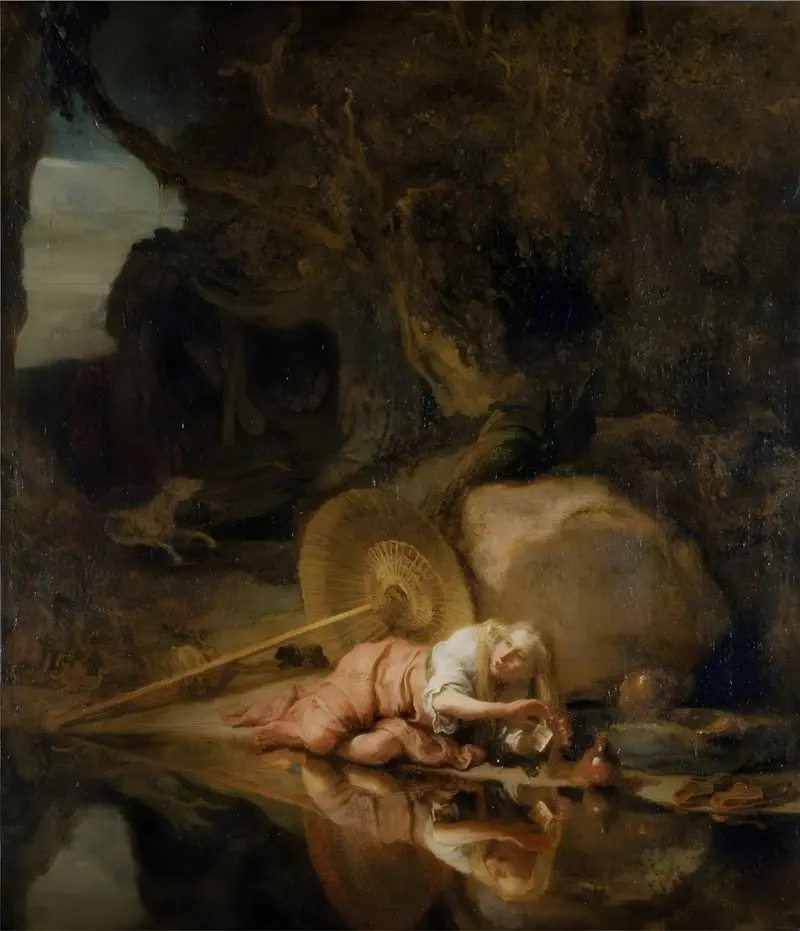
Hera hiding during the battle between the gods and the giants
Carel Fabritius
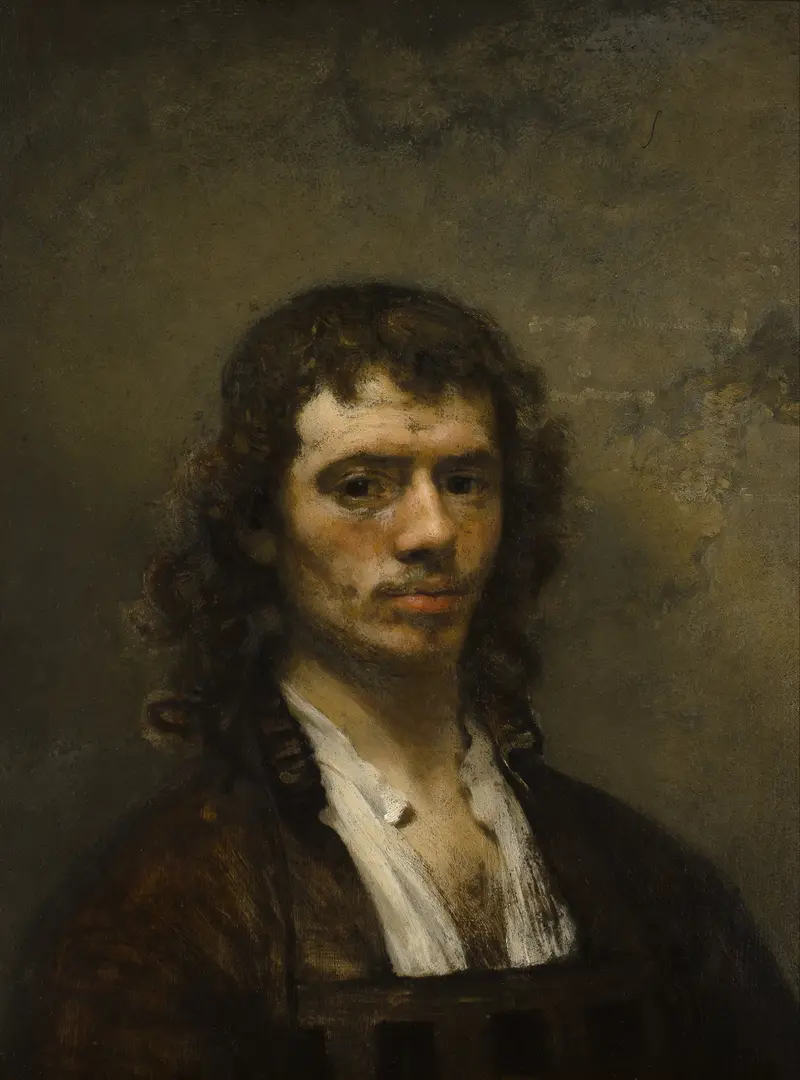
Self-portrait
Carel Fabritius
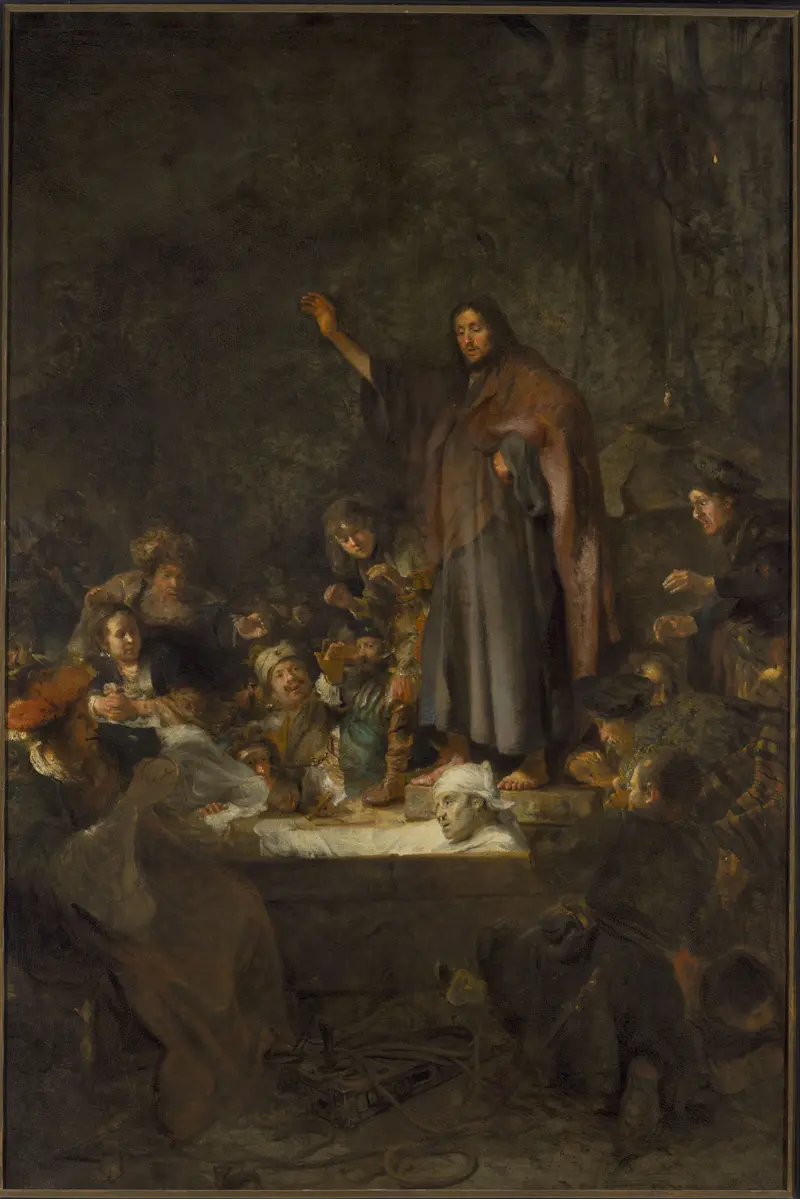
The Raising of Lazarus
Carel Fabritius
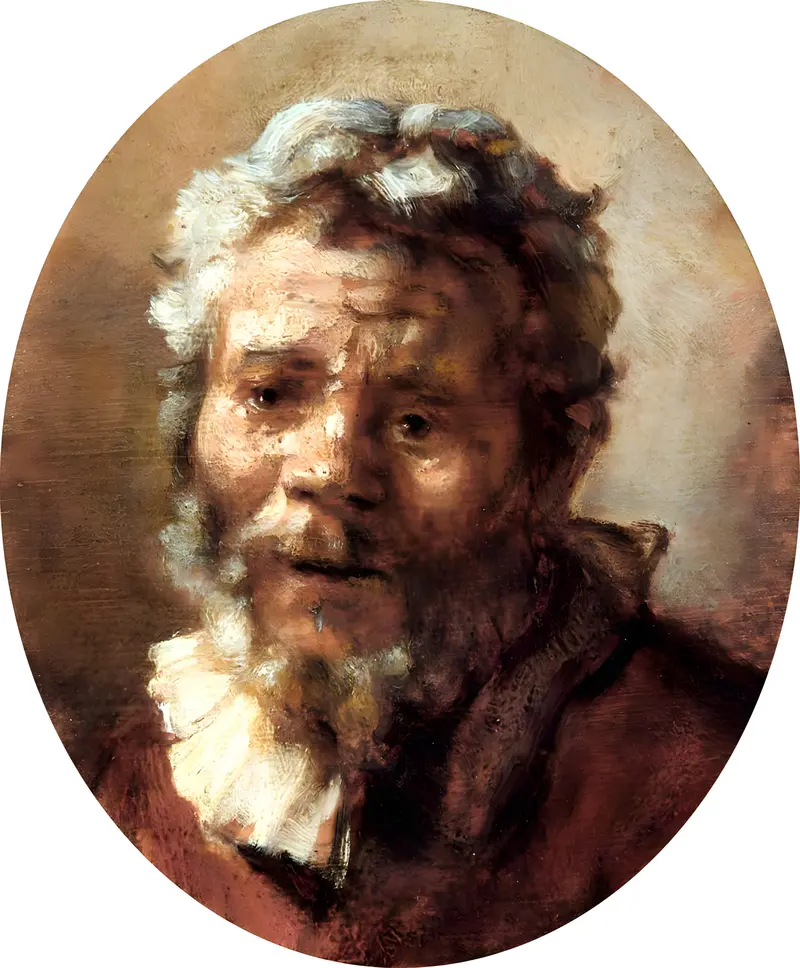
Portrait of a Bearded Man
Carel Fabritius
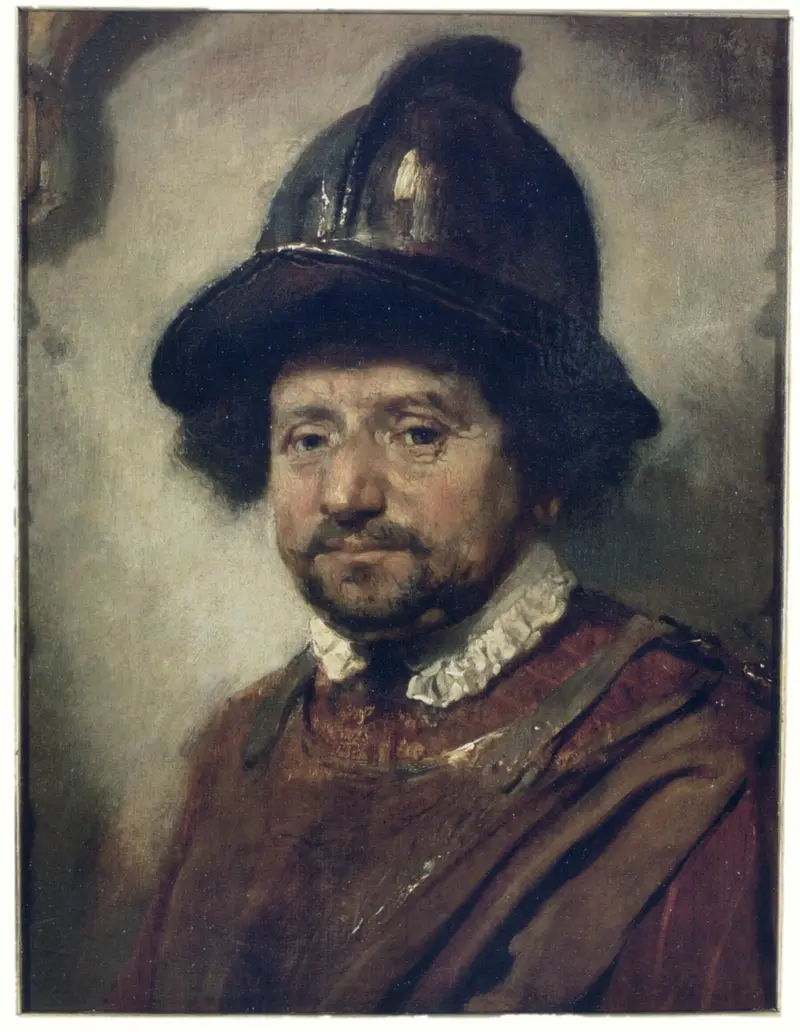
Man with a Helmet
Carel Fabritius
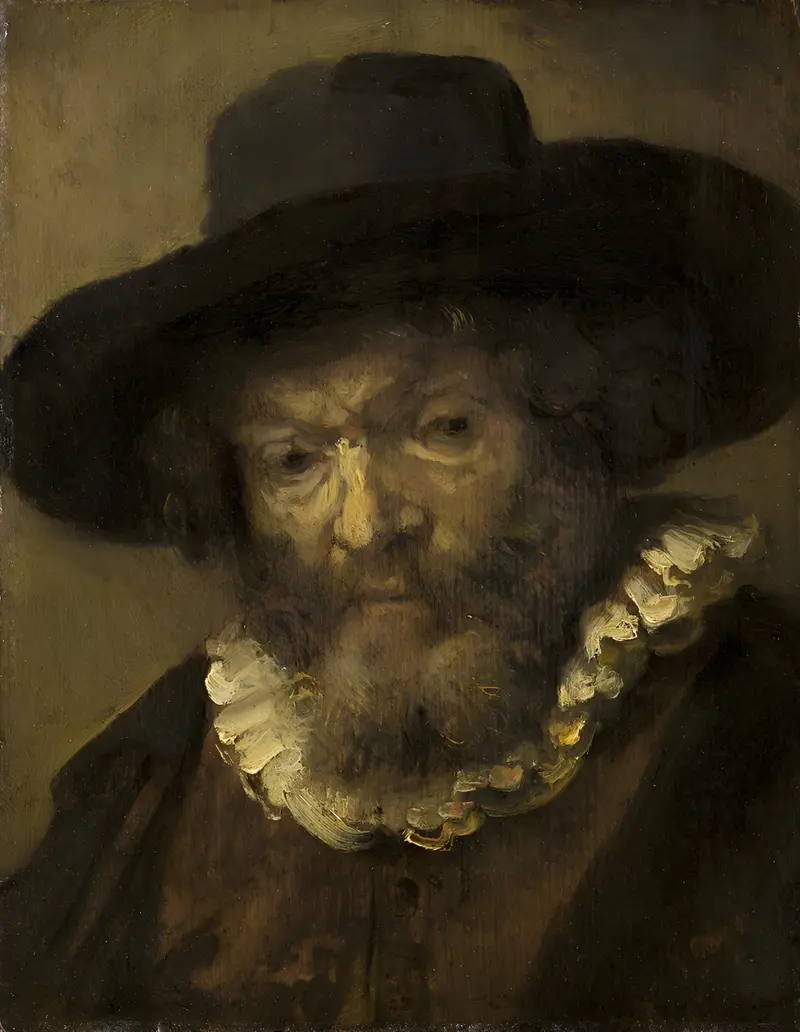
Head of an Old Man
Carel Fabritius
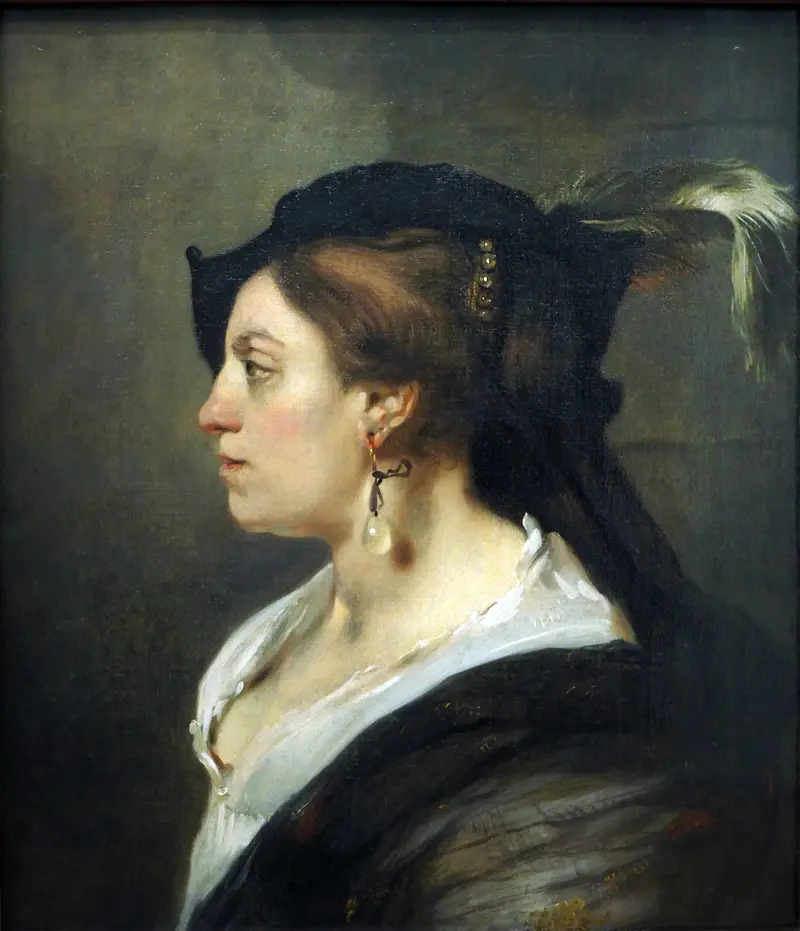
Portrait of a lady in profile
Carel Fabritius
portrait of a boy
Carel Fabritius
Hagar and the Angel
Carel Fabritius





