
portrait of a boy — History & Facts
In 1649, just one year before the catastrophic Delft gunpowder explosion that would claim his life, Carel Fabritius painted portrait of a boy, a work that remains shrouded in mystery due to the unknown identity of its sitter and even its original purpose. The painting stands out as one of the few surviving examples of Fabritius’s portraiture, as most of his oeuvre was destroyed in the Delft disaster. Unlike many contemporaries, Fabritius rarely painted children, making this image a rare window into both his approach and the era’s attitudes toward youth. The boy fixes the viewer with a direct, almost searching gaze, his features rendered with a softness that suggests both vulnerability and emerging self-possession.
His attire is simple, lacking the elaborate lace or embroidery often seen in Dutch portraits of the period, which hints at a middle-class background. The light falls gently across his face, illuminating the delicate modeling of his cheeks and lips, while the background remains subdued, drawing all attention to the sitter’s expression. In contrast to the more formal, distant children painted by Frans Hals or Rembrandt, Fabritius’s boy feels present and approachable, the psychological depth inviting speculation about his thoughts and future. Little is known about the painting’s early history, and the absence of a signature or commission record has led to debates about its attribution, though most scholars now agree on Fabritius’s hand due to stylistic similarities with his other works from the late 1640s.
The medium remains uncertain, as the surface has suffered from later overpainting and cleaning, complicating technical analysis. Today, portrait of a boy is valued as a rare survivor from Fabritius’s brief but influential career, offering a glimpse of the innovative realism that would inspire later artists of the Dutch Golden Age. Its quiet intimacy continues to captivate viewers, bridging centuries with the simple, unguarded gaze of a child.
More Artworks by Carel Fabritius

The Goldfinch
Carel Fabritius
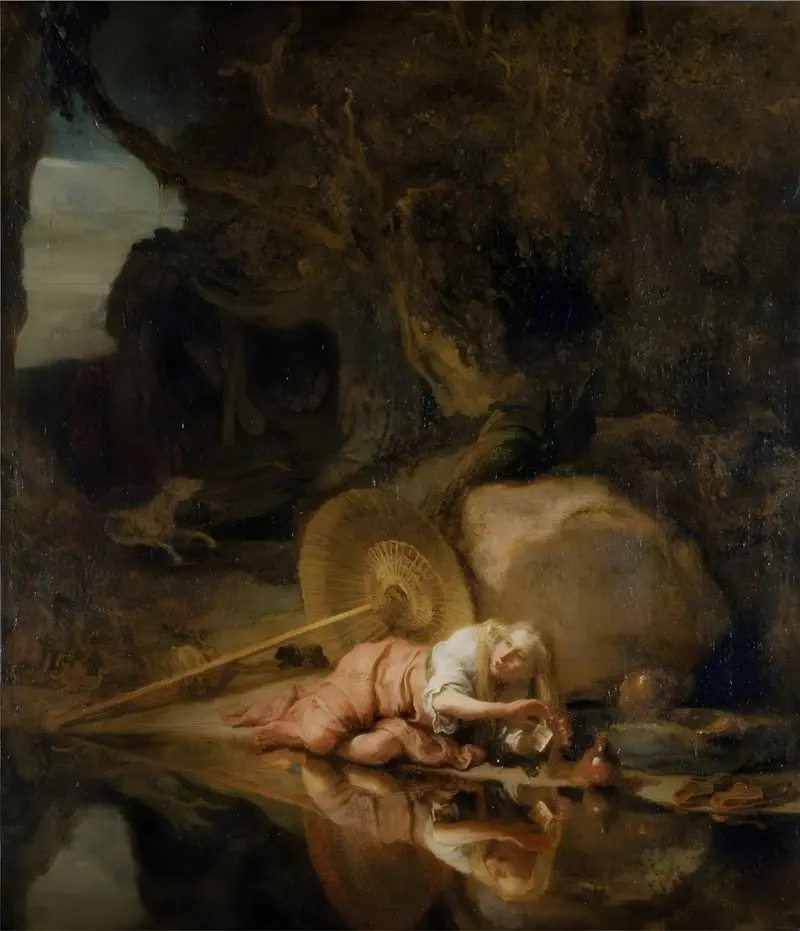
Hera hiding during the battle between the gods and the giants
Carel Fabritius
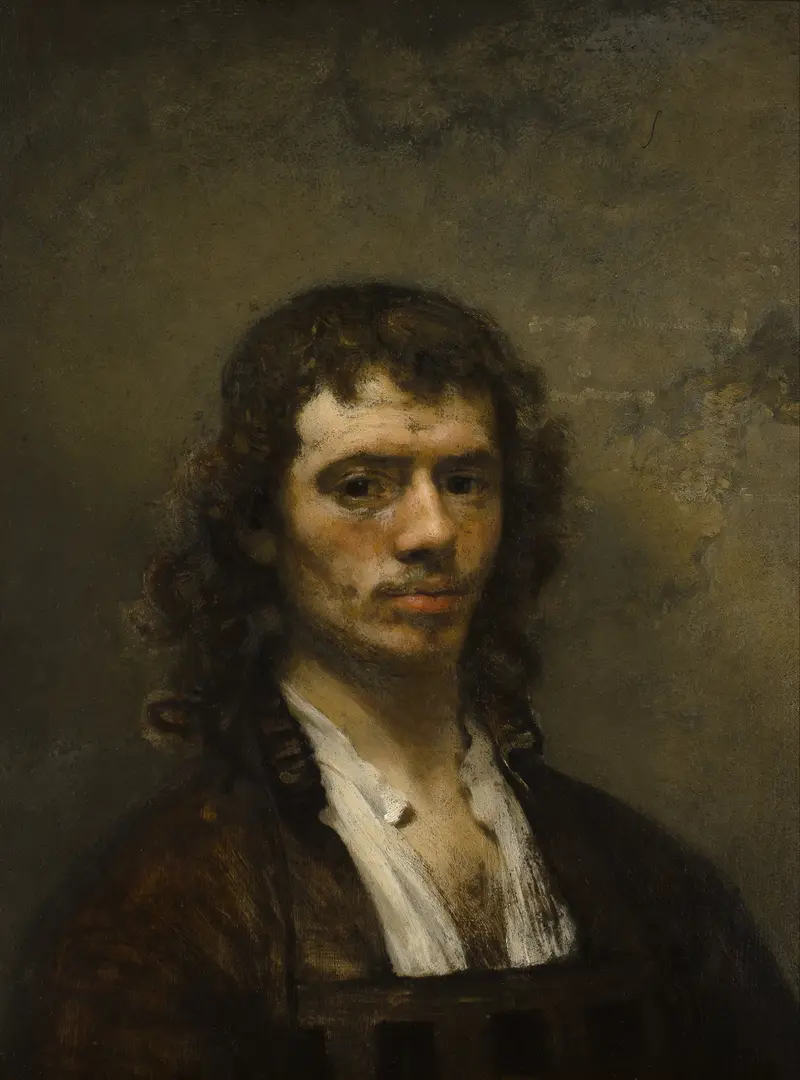
Self-portrait
Carel Fabritius
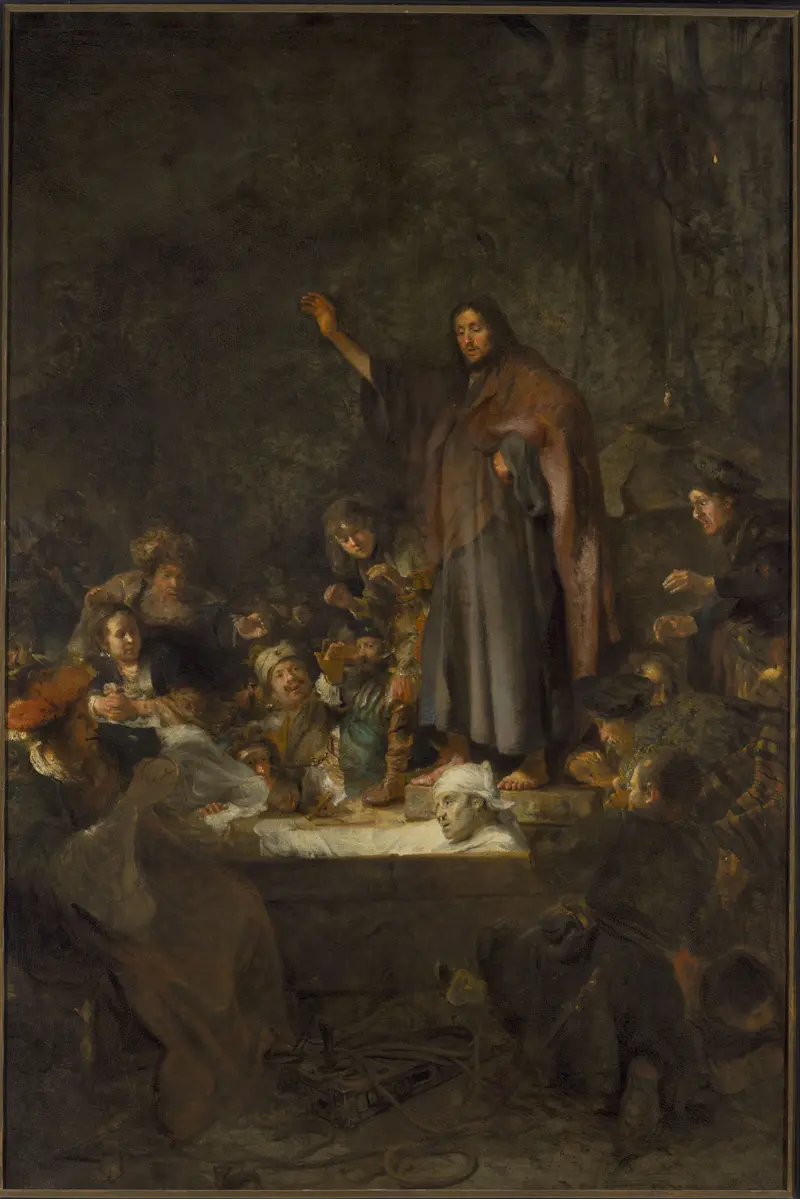
The Raising of Lazarus
Carel Fabritius
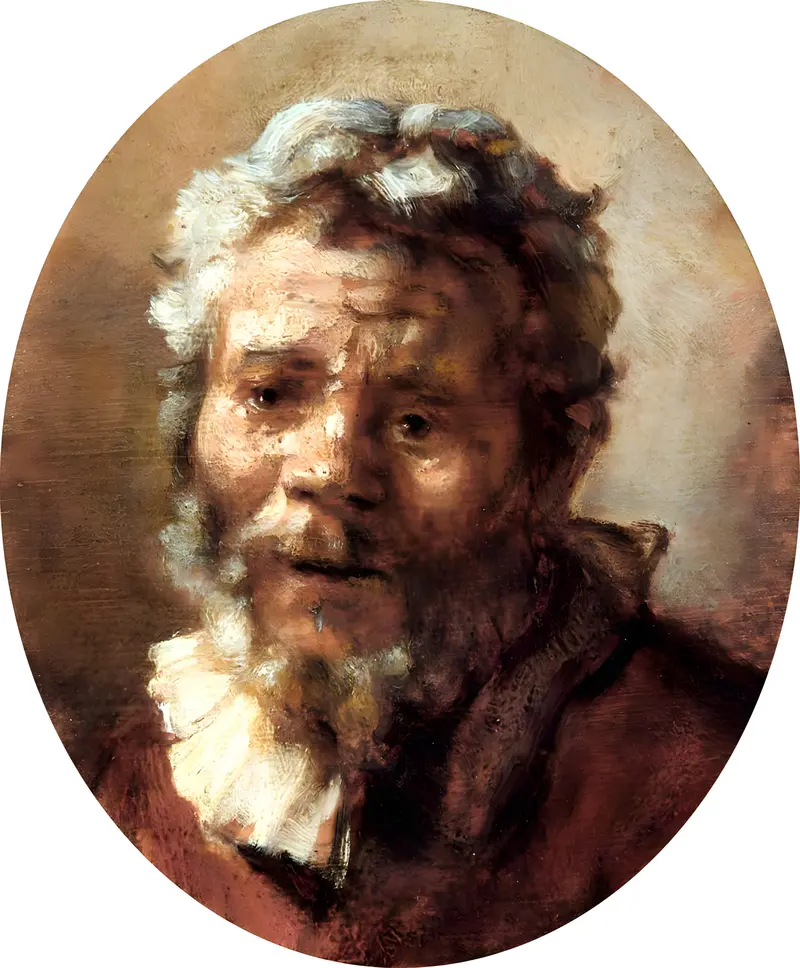
Portrait of a Bearded Man
Carel Fabritius
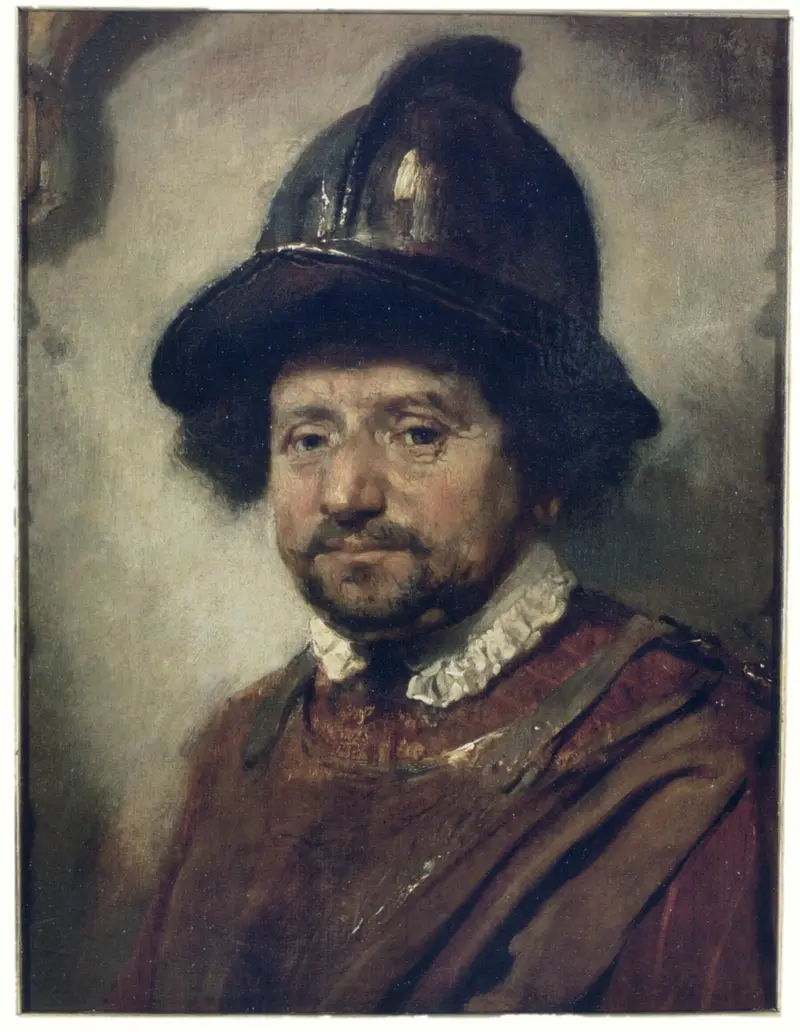
Man with a Helmet
Carel Fabritius
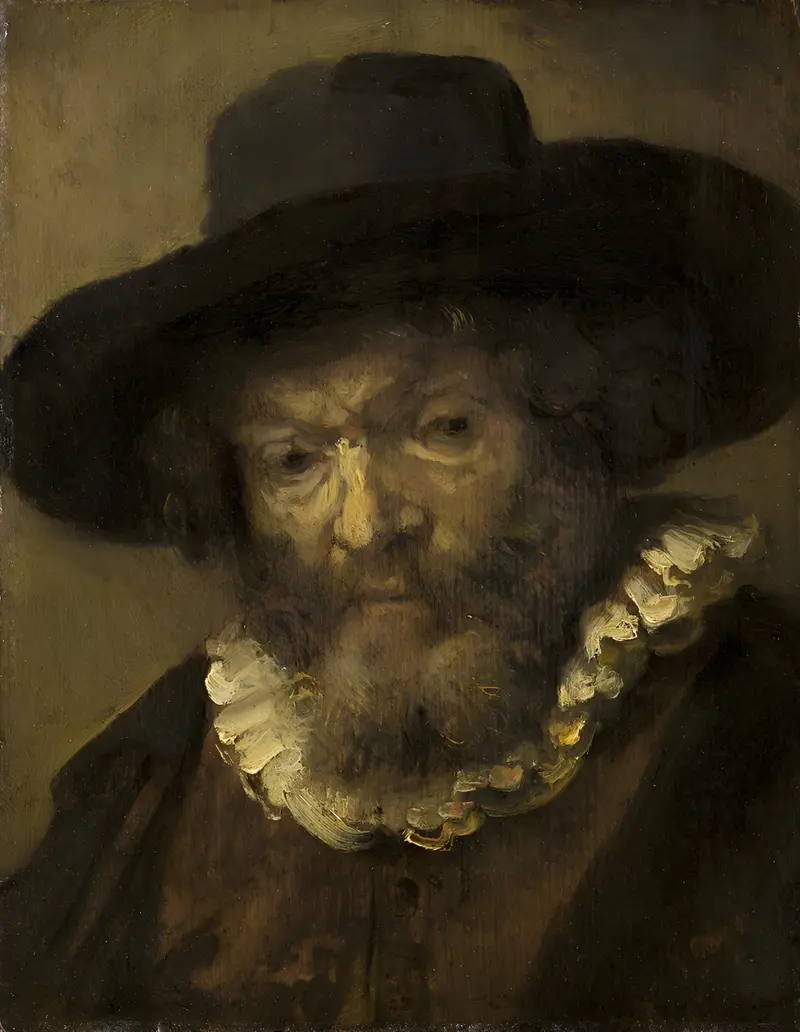
Head of an Old Man
Carel Fabritius
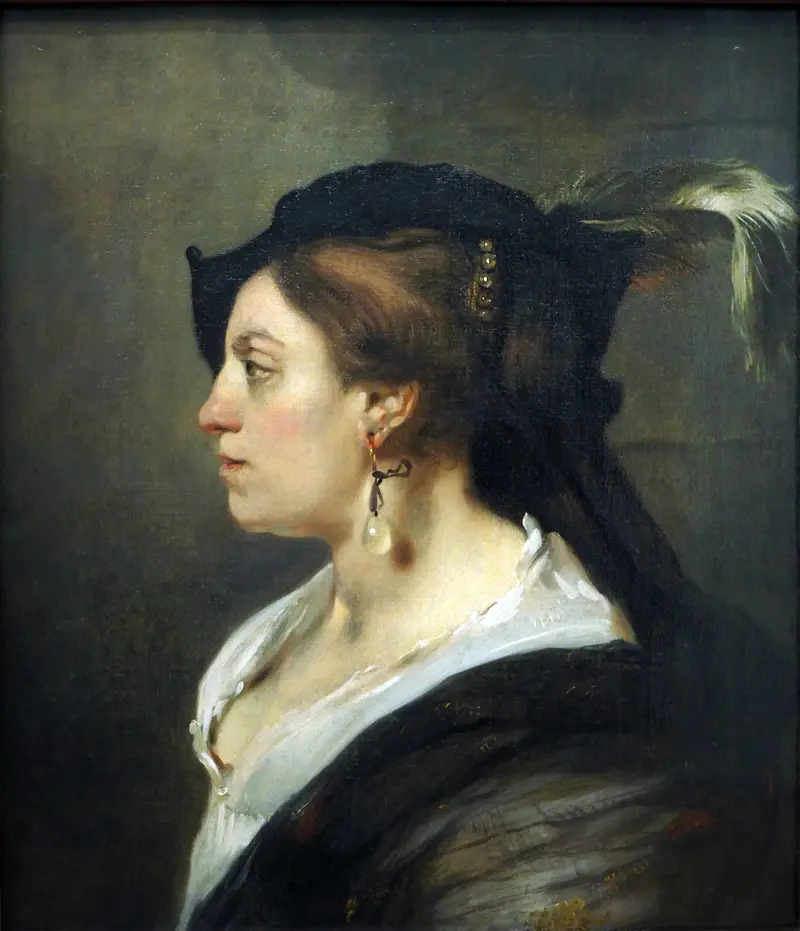
Portrait of a lady in profile
Carel Fabritius
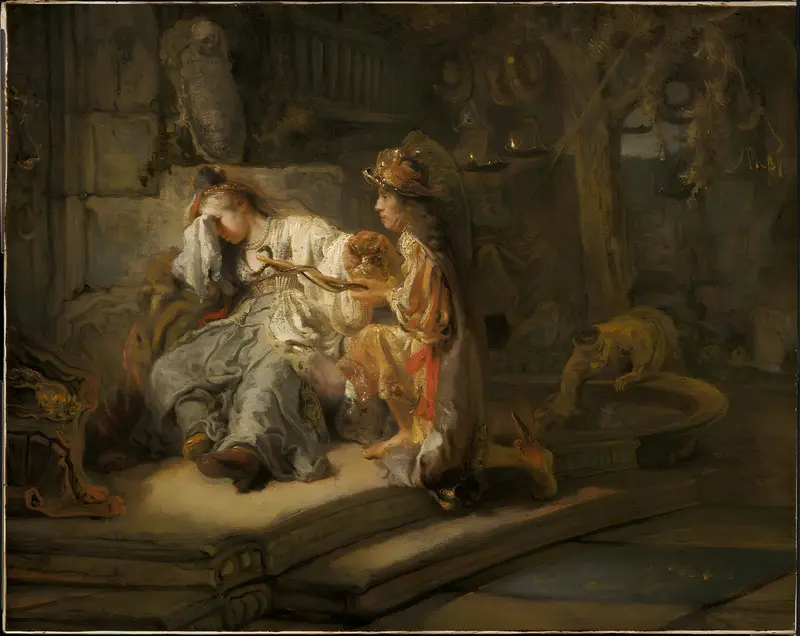
Mercury and Aglauros
Carel Fabritius
Hagar and the Angel
Carel Fabritius





