
Hera hiding during the battle between the gods and the giants — History & Facts
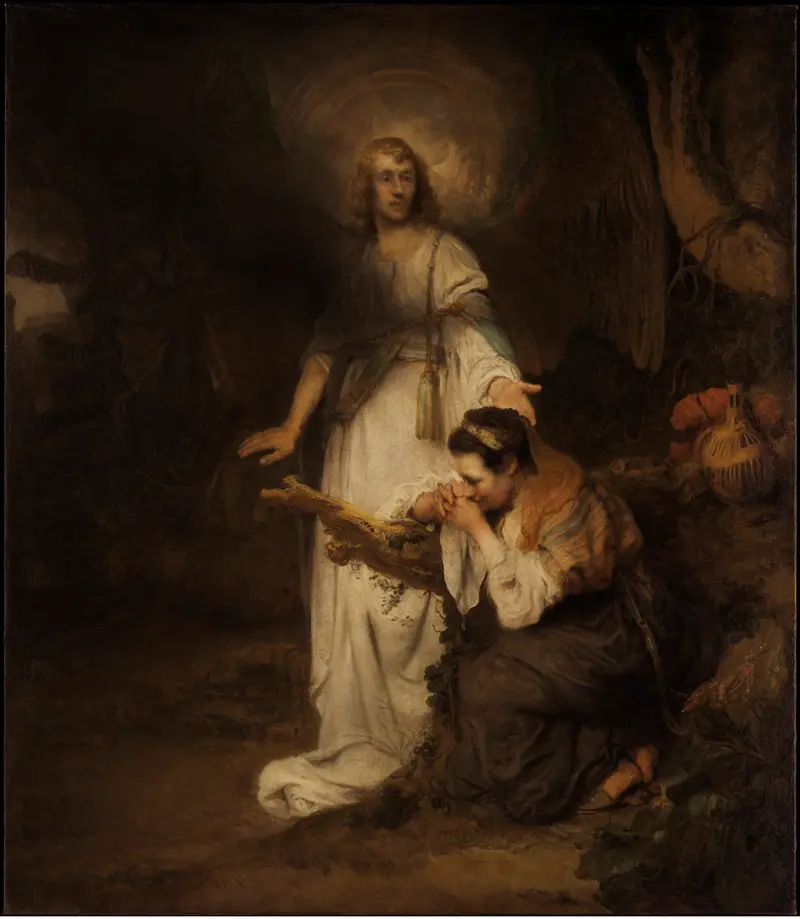
When Hera hiding during the battle between the gods and the giants emerged from obscurity in the early twentieth century, it startled scholars: no other known work by Carel Fabritius treats a mythological subject on this scale. Painted in 1640, when Fabritius was still in his twenties and under the influence of Rembrandt, the canvas stands apart from his later, more intimate scenes. The painting’s rediscovery ignited debate about its attribution, as Fabritius is better known for his delicate studies of everyday life and his tragic early death in the Delft gunpowder explosion of 1654.
Yet, the bold handling of light and the psychological tension in Hera’s gesture convinced most experts of its authenticity. The scene captures the chaos of the Gigantomachy—the epic struggle between the Olympian gods and the earthborn giants. At the center, Hera crouches behind a jagged rock, her face half-turned in anxious watchfulness, draped in a mantle whose gold trim glints in the stormy light. A broken spear and a discarded shield at her feet hint at the violence just out of sight, while a distant flash suggests Zeus’s thunderbolts.
Fabritius chooses not the moment of triumph, but Hera’s fearful withdrawal, lending the goddess a rare vulnerability. This contrasts with the heroic grandeur of Giulio Romano’s Fall of the Giants, where the gods are triumphant and unassailable. Little is known about the early history of this painting; its commission is undocumented, and it may have been intended for a learned Dutch collector with a taste for classical stories. The work disappeared from records until it surfaced in a private collection in The Hague in 1922, sparking immediate interest due to its unusual subject and bold execution.
Since then, it has passed through several hands and now hangs in a prominent Dutch museum, where it is studied as a rare example of Fabritius’s engagement with myth. The painting’s survival and recognition have enriched our understanding of the artist’s early ambitions and the broader reach of Dutch Baroque painting.
More Artworks by Carel Fabritius

The Goldfinch
Carel Fabritius
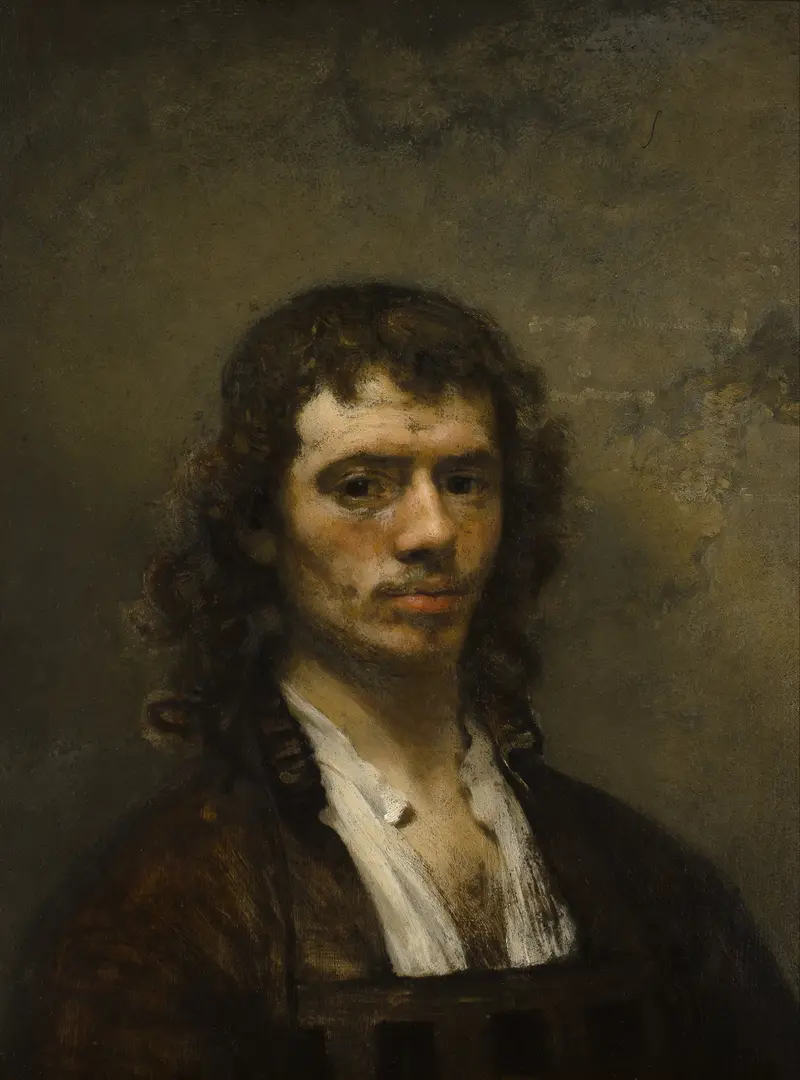
Self-portrait
Carel Fabritius
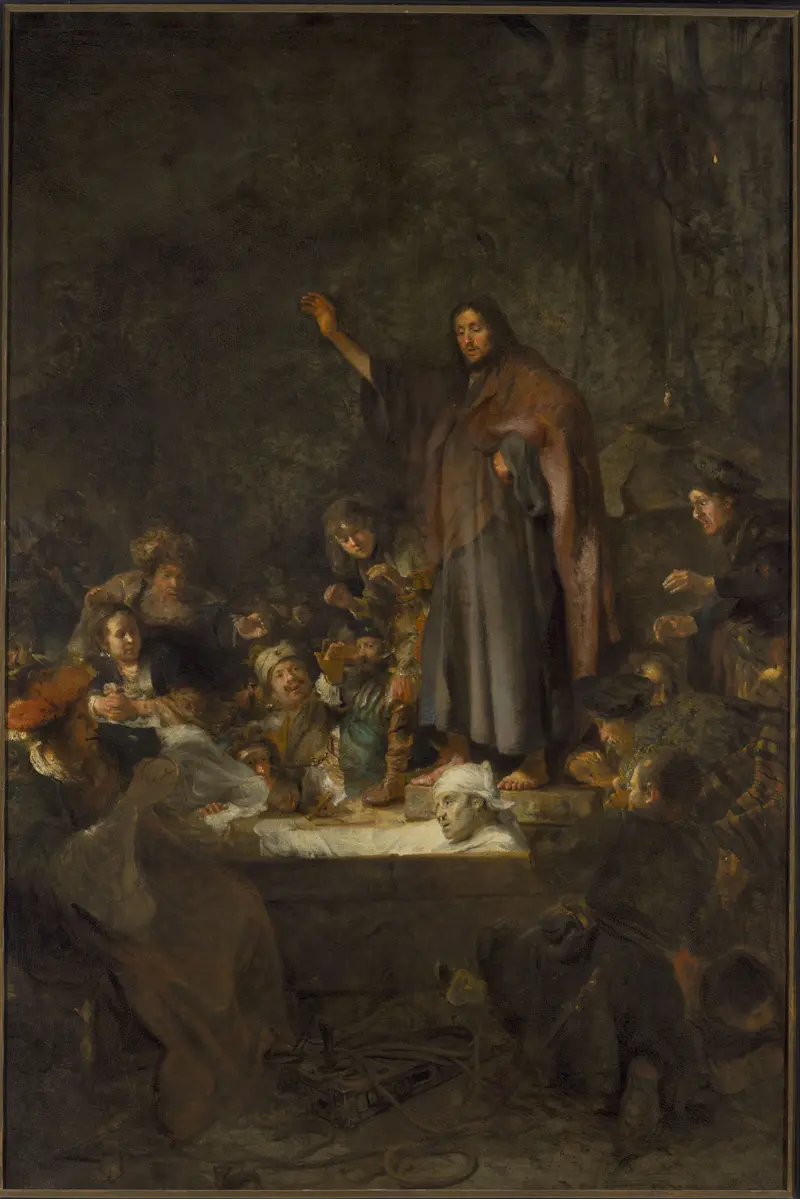
The Raising of Lazarus
Carel Fabritius
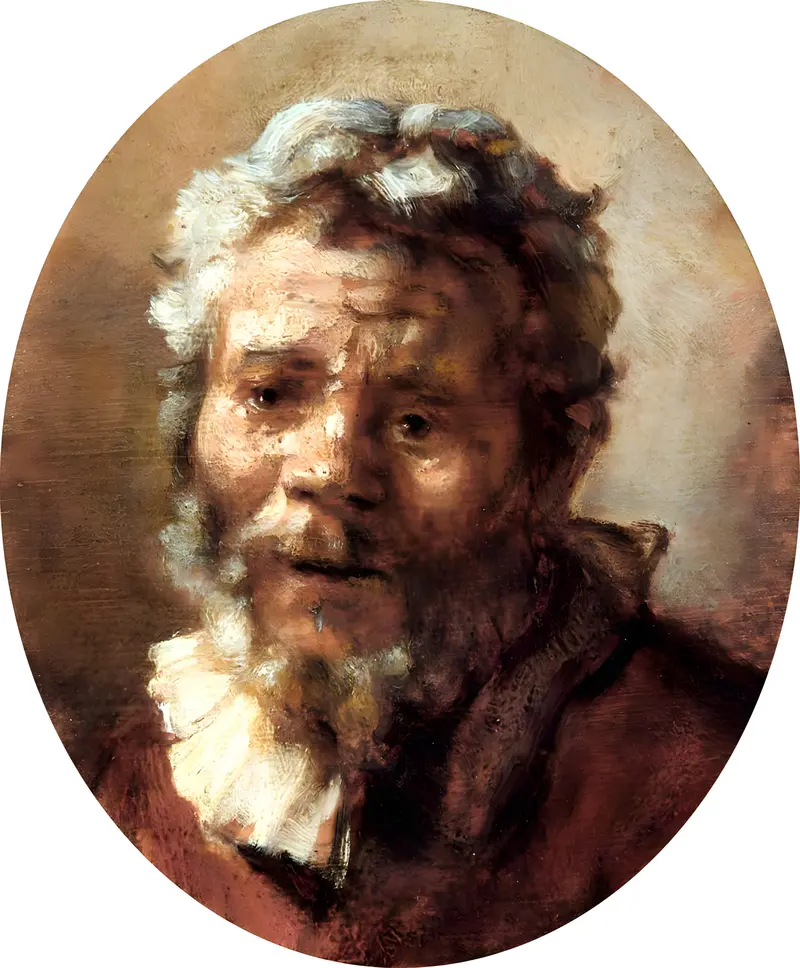
Portrait of a Bearded Man
Carel Fabritius
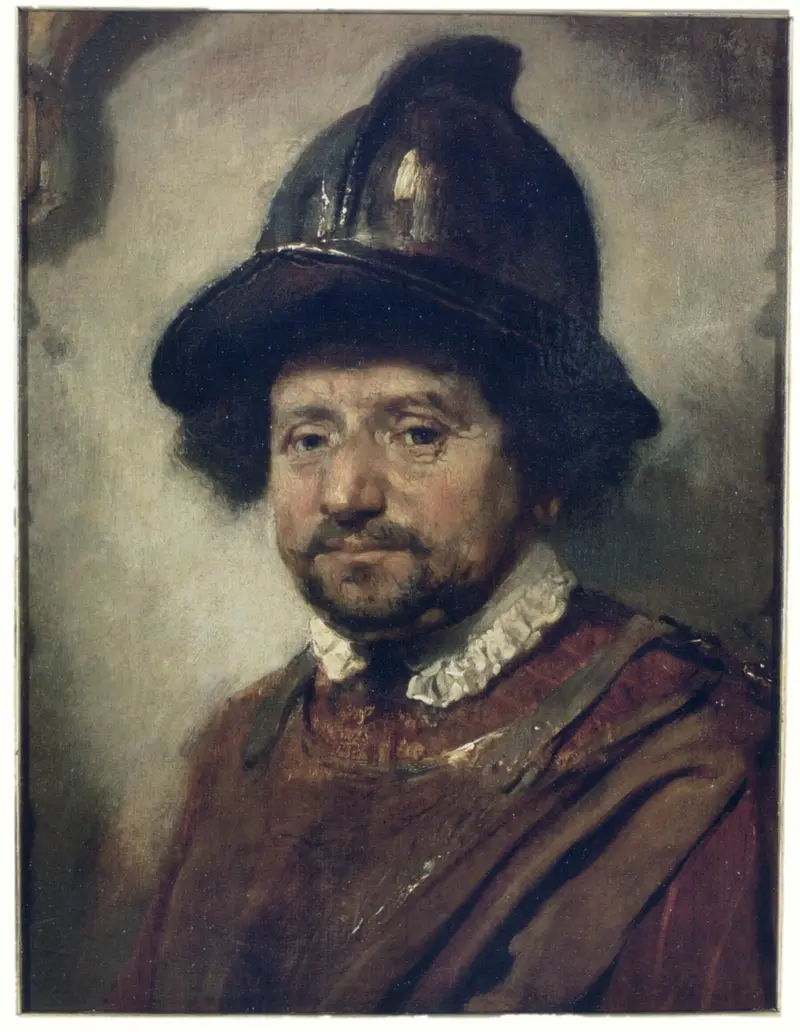
Man with a Helmet
Carel Fabritius
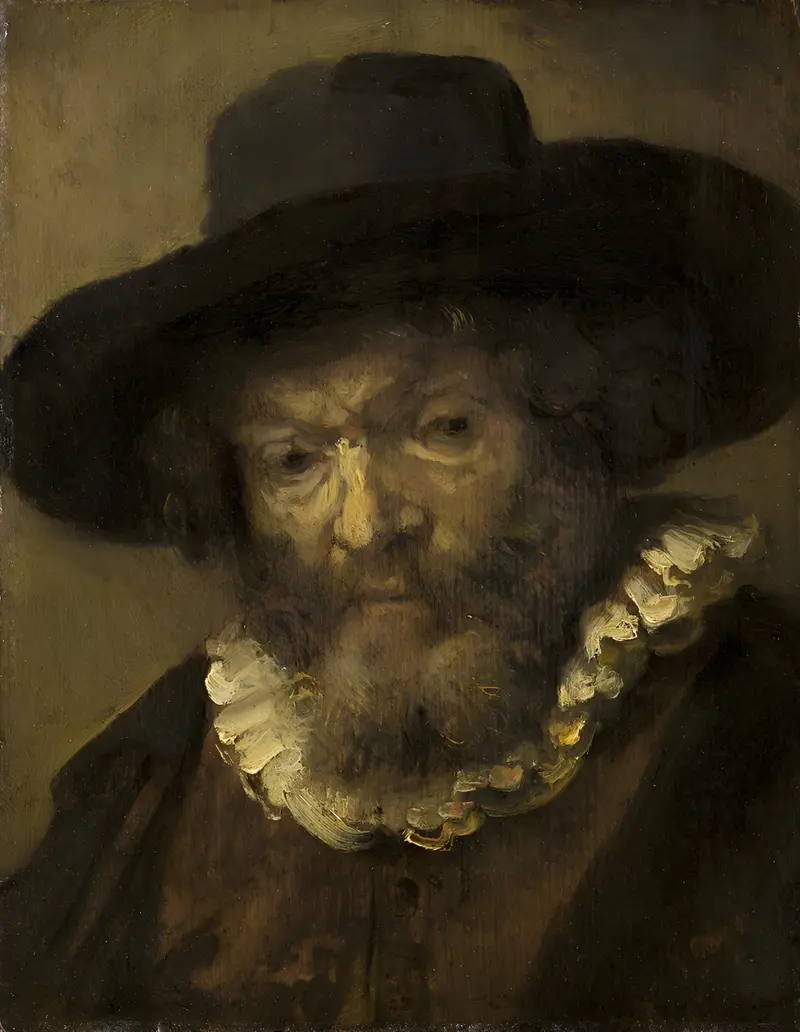
Head of an Old Man
Carel Fabritius
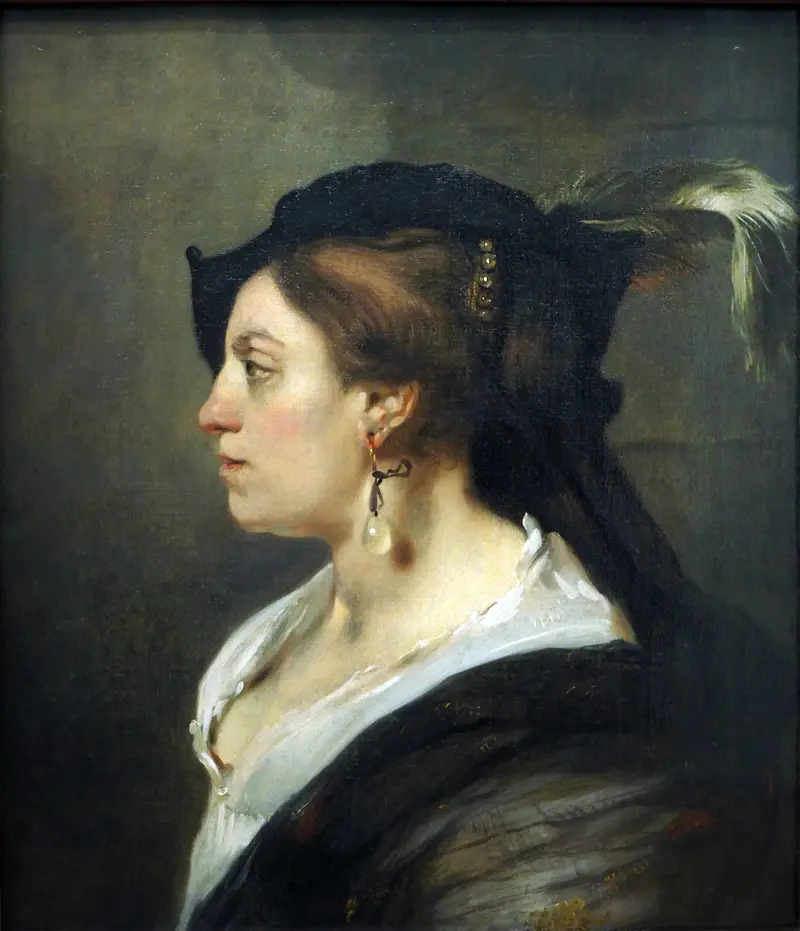
Portrait of a lady in profile
Carel Fabritius
portrait of a boy
Carel Fabritius
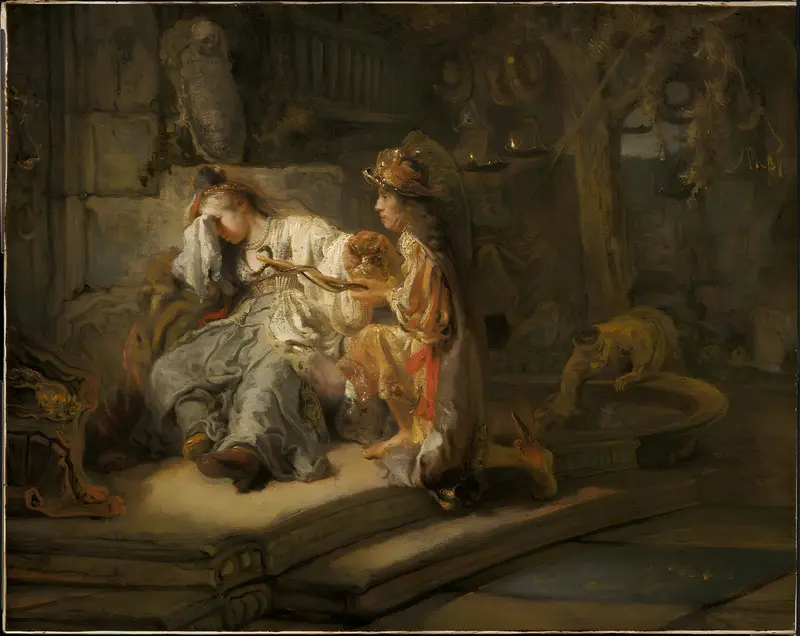
Mercury and Aglauros
Carel Fabritius
Hagar and the Angel
Carel Fabritius





