
Self-portrait — History & Facts
When a devastating explosion destroyed much of Delft in 1654, it claimed the life of Carel Fabritius, a promising pupil of Rembrandt and teacher of Vermeer. This Self-portrait, painted in 1645, stands as one of the few surviving testaments to his brief but influential career. The painting’s authorship has never been in doubt, but its exact medium remains a mystery—oil is likely, yet no definitive analysis has settled the question.
What is certain is that this work offers a rare, direct gaze into the artist’s world, painted just a decade before his untimely death. Fabritius presents himself not in the grand attire of a court painter, but with the quiet confidence of a man absorbed in his craft. His head is turned slightly, eyes meeting ours with a searching, almost challenging look. The soft, atmospheric light falls across his face, revealing the delicate modeling and subtle transitions of flesh, while the background recedes into shadow.
Unlike the dramatic chiaroscuro favored by his teacher Rembrandt in his own self-portraits, Fabritius’s approach is gentler, the transitions more gradual, hinting at the luminous realism that would later influence Vermeer. The artist’s hand, holding a brush or perhaps simply resting, is rendered with particular care—an emblem of the painter’s identity and vocation. Little is known about the early provenance of this Self-portrait, and no record survives of a specific patron. It likely remained in private hands for centuries, its journey through collections unrecorded until its rediscovery in the nineteenth century.
Today, the painting is seen as a key document of Fabritius’s style, bridging the drama of Rembrandt and the clarity of the Delft school. With so few works by Fabritius extant—his studio and many paintings lost in the Delft explosion—each surviving piece is precious. This self-portrait, in particular, stands as a quiet assertion of the artist’s presence, a face that survived disaster and continues to look out at us across the centuries.
More Artworks by Carel Fabritius

The Goldfinch
Carel Fabritius
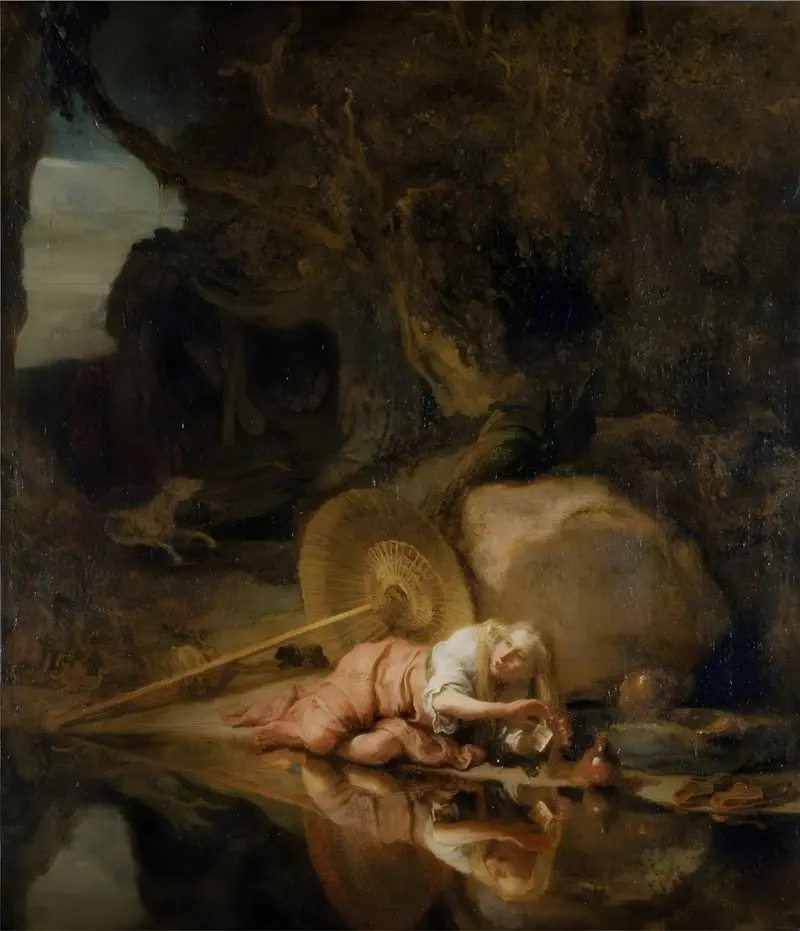
Hera hiding during the battle between the gods and the giants
Carel Fabritius
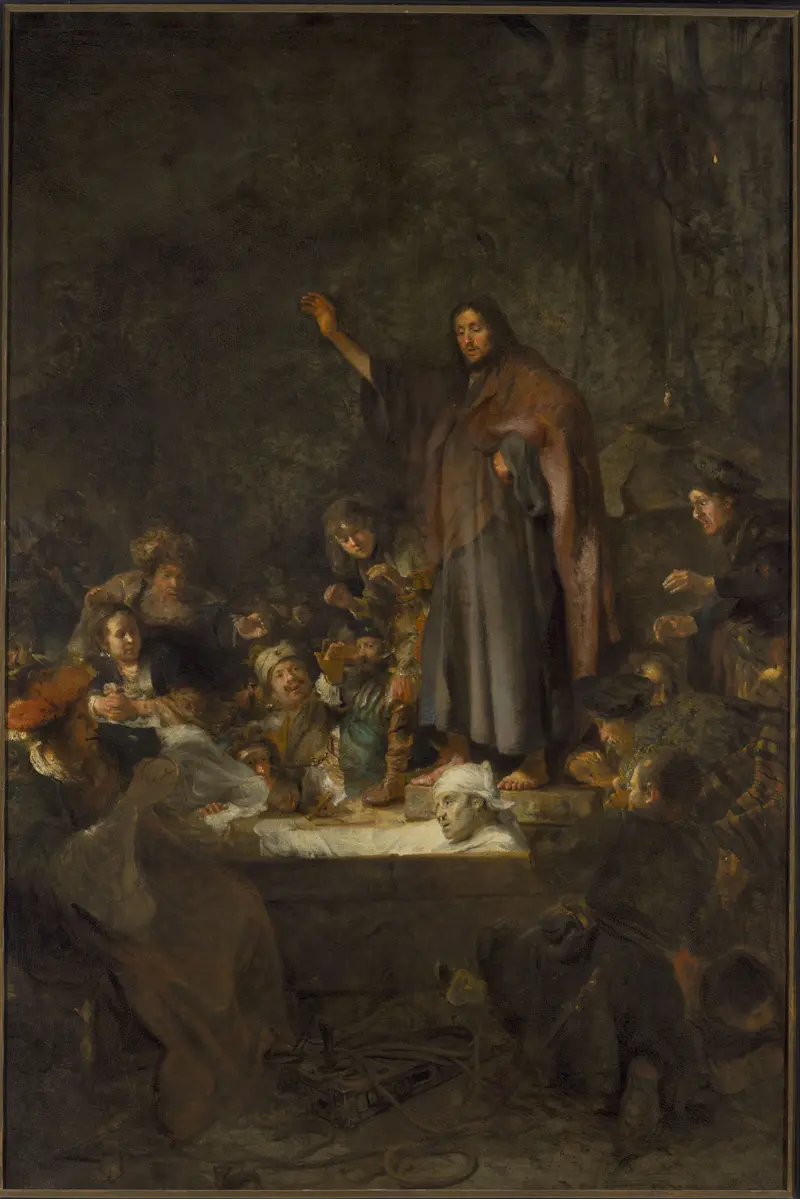
The Raising of Lazarus
Carel Fabritius
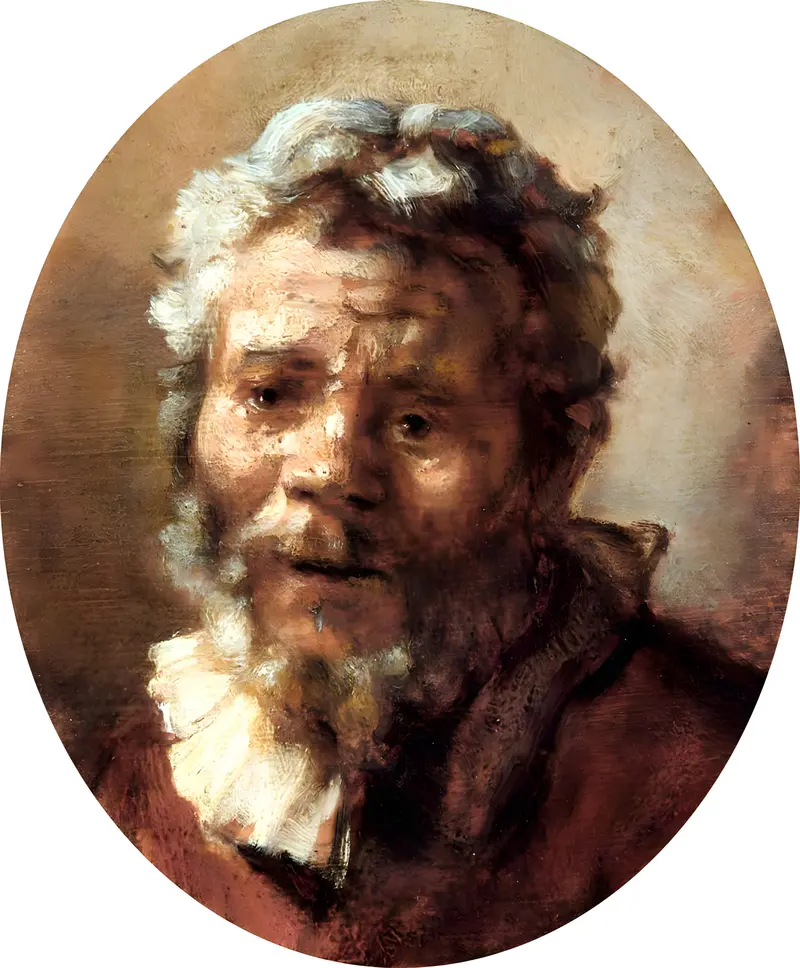
Portrait of a Bearded Man
Carel Fabritius
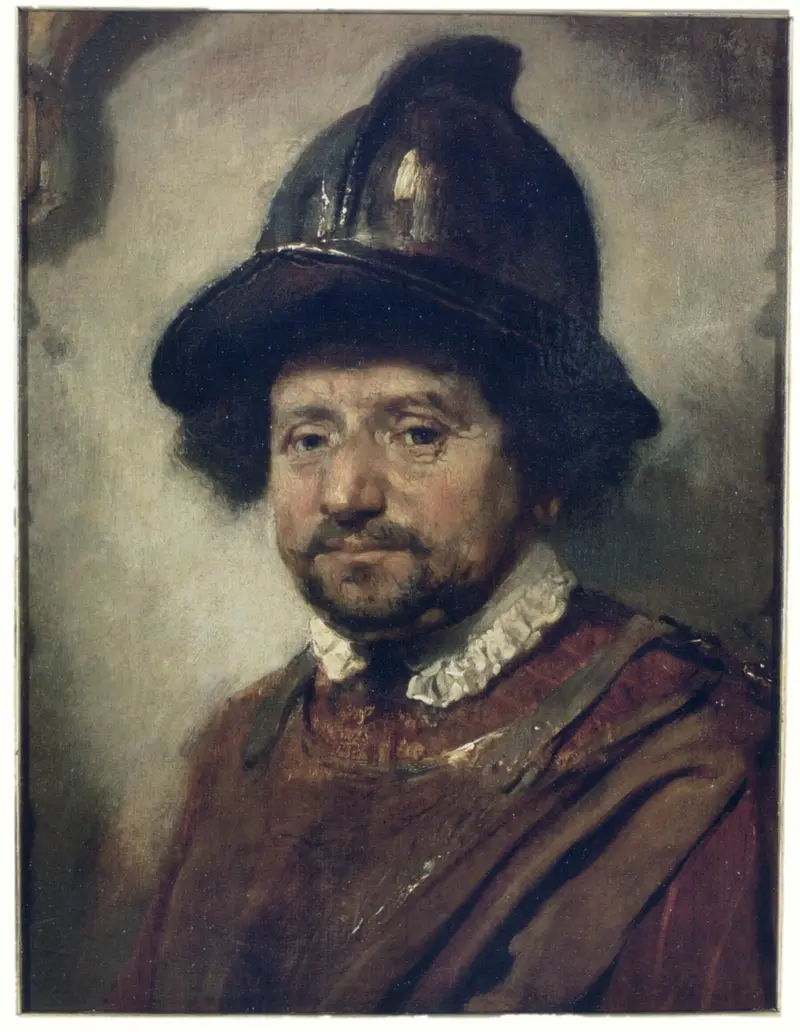
Man with a Helmet
Carel Fabritius
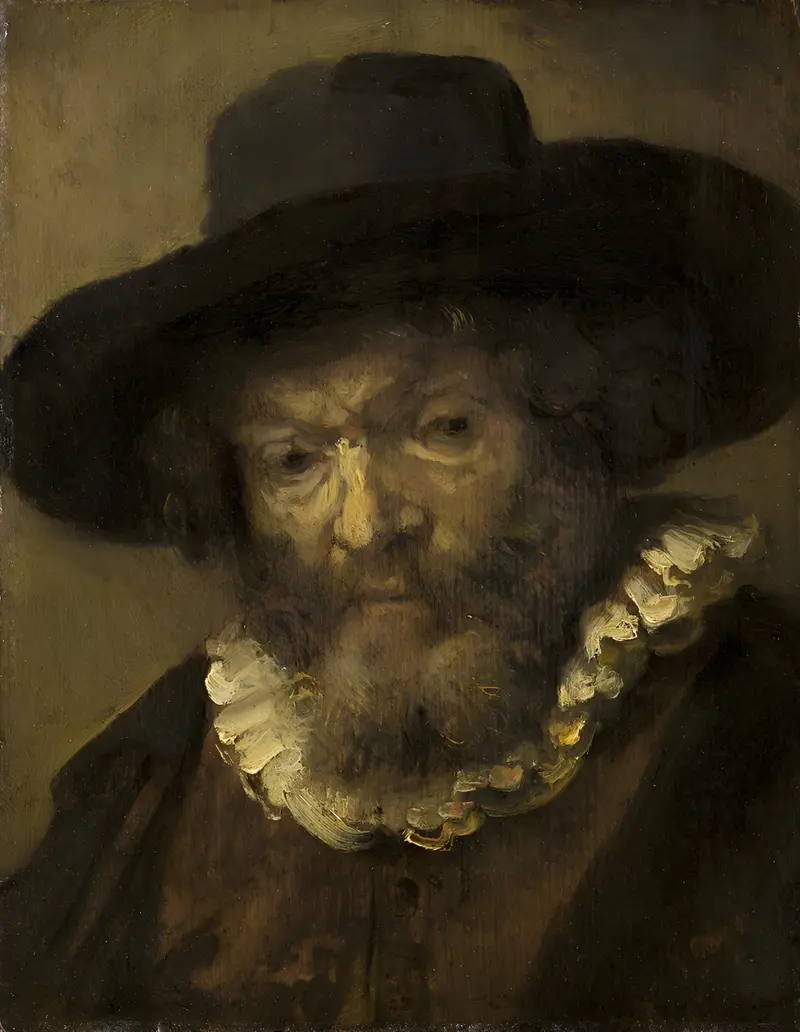
Head of an Old Man
Carel Fabritius
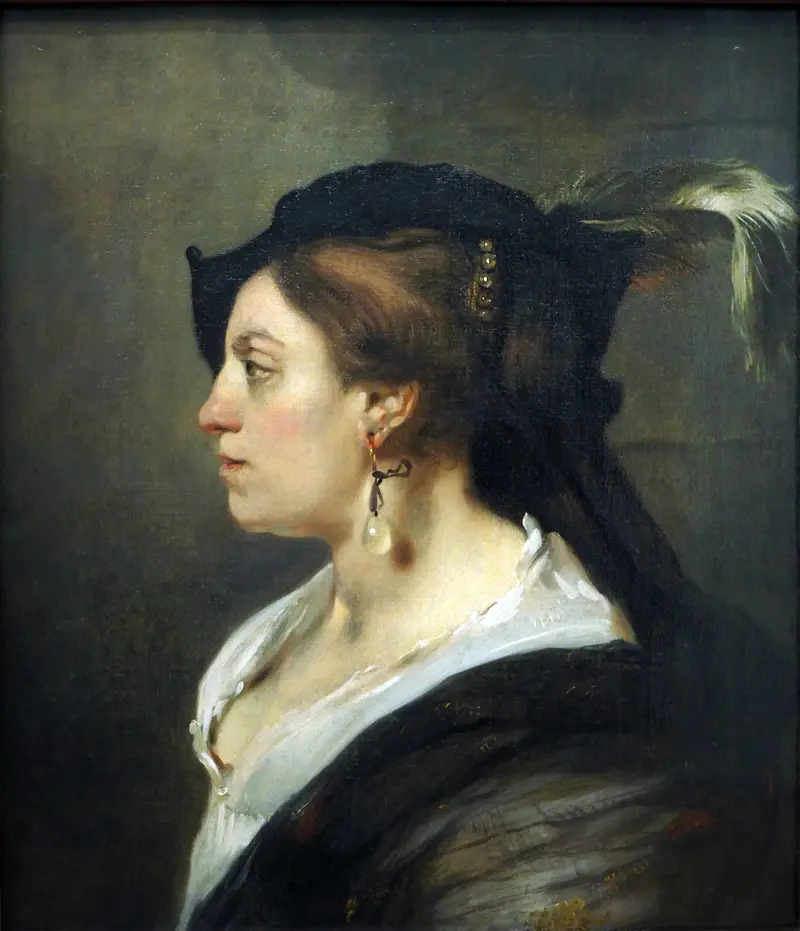
Portrait of a lady in profile
Carel Fabritius
portrait of a boy
Carel Fabritius
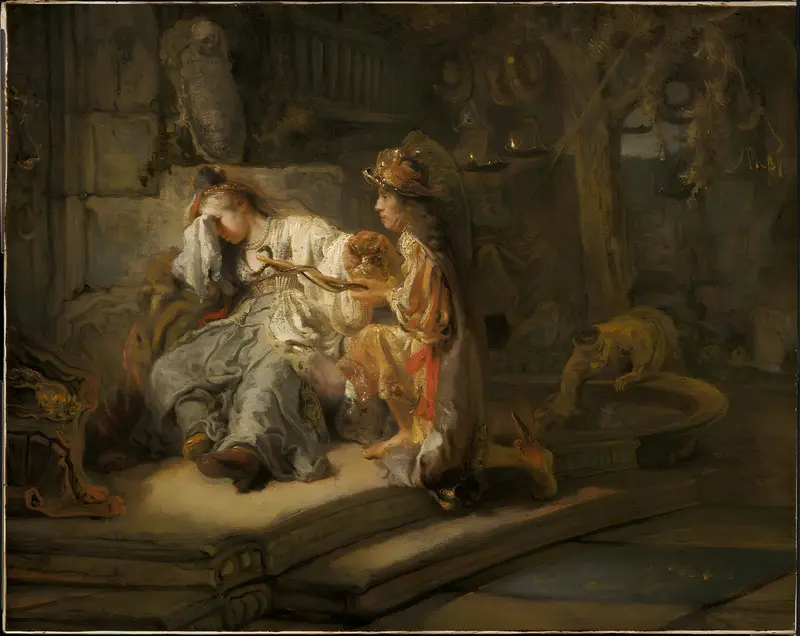
Mercury and Aglauros
Carel Fabritius
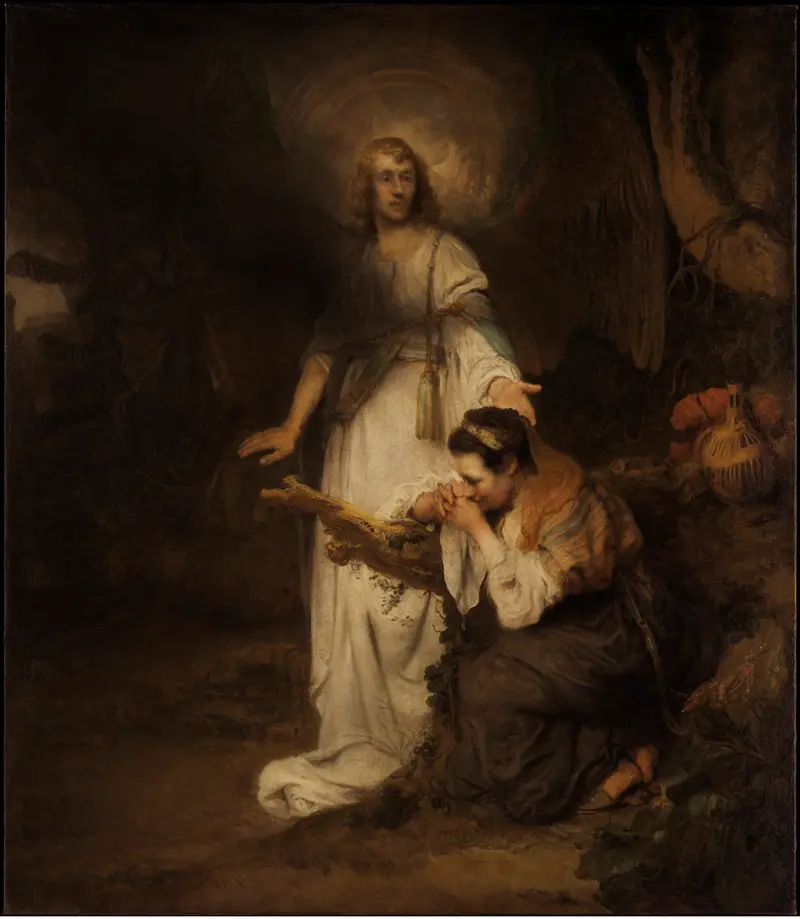
Hagar and the Angel
Carel Fabritius





