
A Village in the Sussex Downs — History & Facts
When did color learn to lie? The vibrant hues of nature can sometimes mask a deeper solitude, whispering secrets beneath their cheerful façades. In A Village in the Sussex Downs, an airy landscape beckons the viewer to explore a world that feels both inviting and isolating. Focus on the foreground, where gently rolling hills cradle a quaint village nestled peacefully among the lush greenery. Bevan’s palette bursts with rich greens and golden yellows, yet the scattered buildings evoke a sense of disconnection from the vibrant life around them.
Notice how the soft brushstrokes and dappled sunlight create a rhythm of light and shadow, inviting contemplation while hinting at an underlying loneliness that permeates the scene. As you observe, consider the juxtaposition between the lively colors and the sparse indications of life. The vibrant sky looms overhead, yet there are no figures to inhabit this picturesque retreat, amplifying a feeling of absence. This blend of beauty and solitude evokes the bittersweet emotional tension of rural life, subtly suggesting that even in tranquility, there can be an ache of isolation. During the early 20th century, Bevan painted this piece amidst the burgeoning Post-Impressionist movement in England, a time when artists sought to express personal emotion through vivid color and form.
Living in a world shaken by change, he found solace in the landscapes of Sussex, using his work to navigate the complexities of human experience. The absence of detail in the figures of the village may reflect his own search for connection in a rapidly evolving society.
More Artworks by Robert Polhill Bevan
Browse all →
Landscape with Three Trees
Robert Polhill Bevan
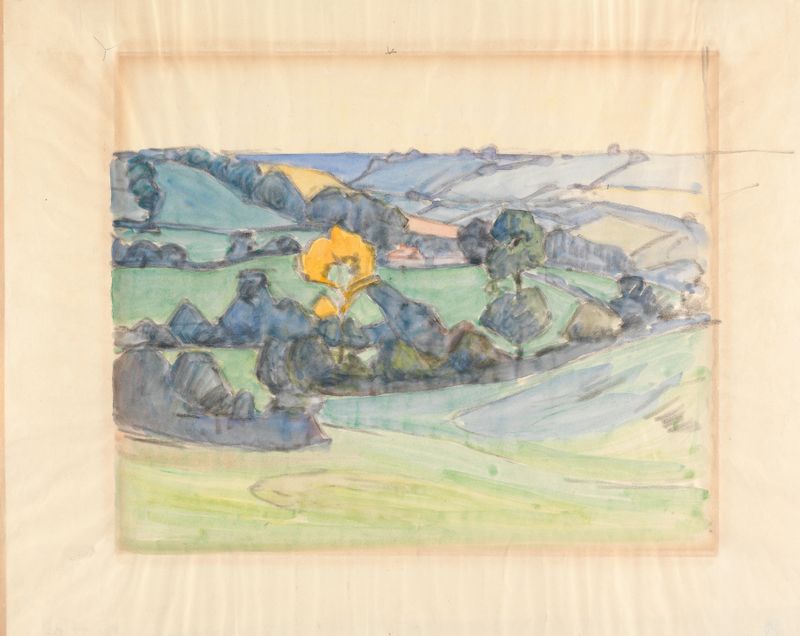
Near Brimley Hill
Robert Polhill Bevan
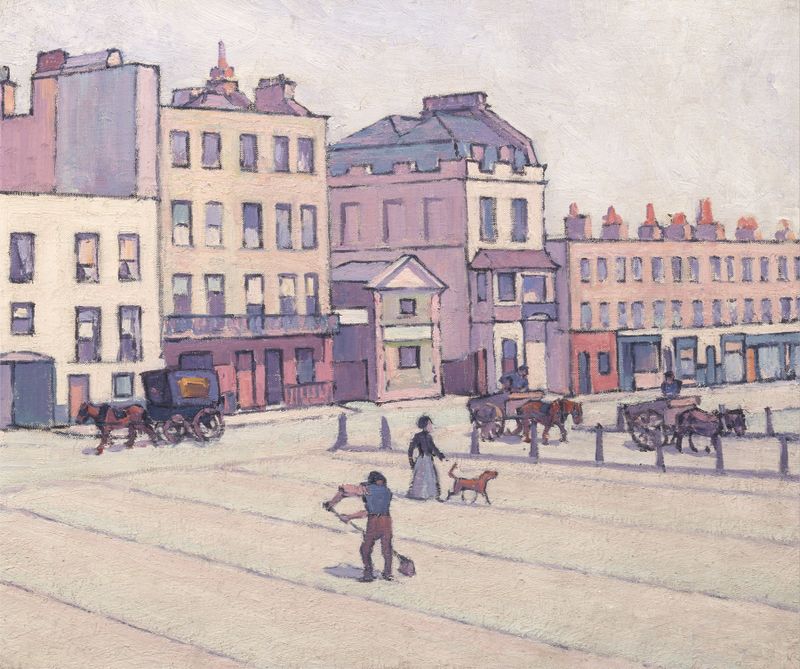
The Weigh House, Cumberland Market
Robert Polhill Bevan

Le Grand Chemin
Robert Polhill Bevan
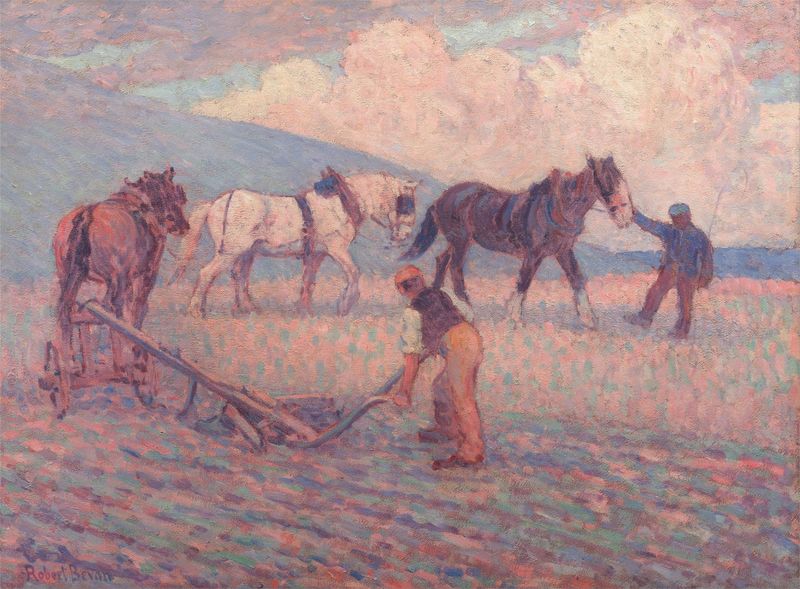
The Turn Rice-Plough, Sussex
Robert Polhill Bevan

Hay Carts, Cumberland Market
Robert Polhill Bevan
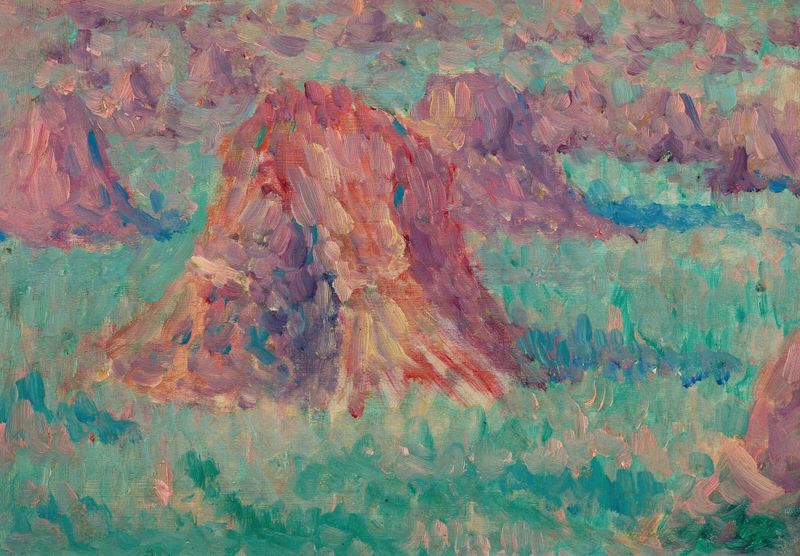
Corn Stooks, Poland
Robert Polhill Bevan

The Ford
Robert Polhill Bevan
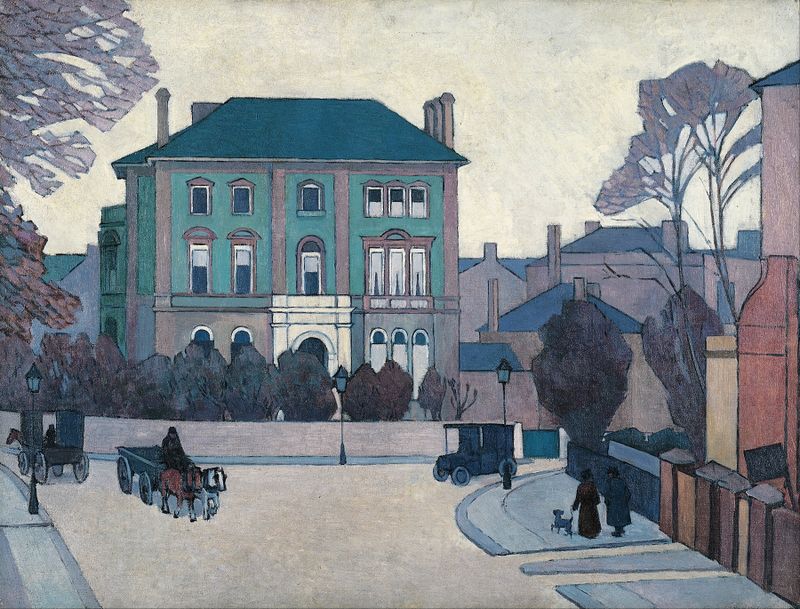
The green house, St John’s Wood
Robert Polhill Bevan
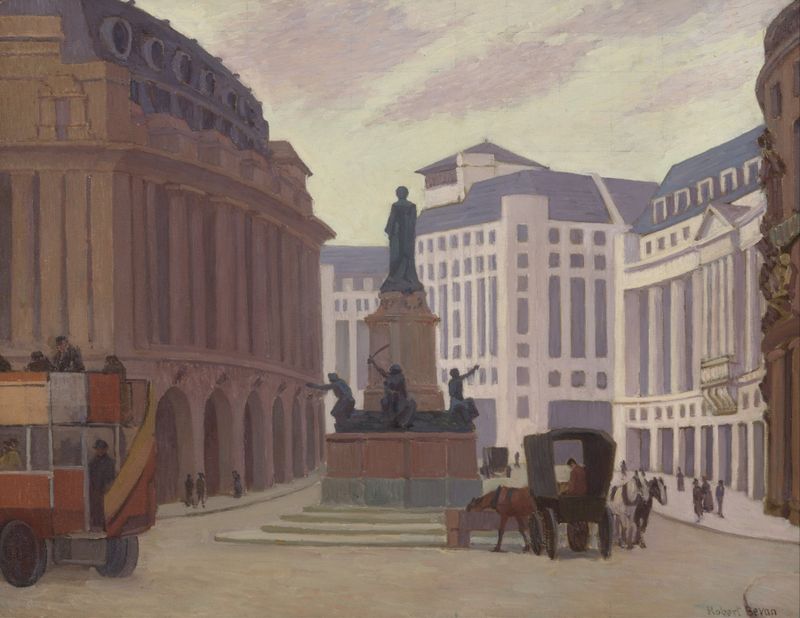
Aldwych
Robert Polhill Bevan





