
Aldwych — History & Facts
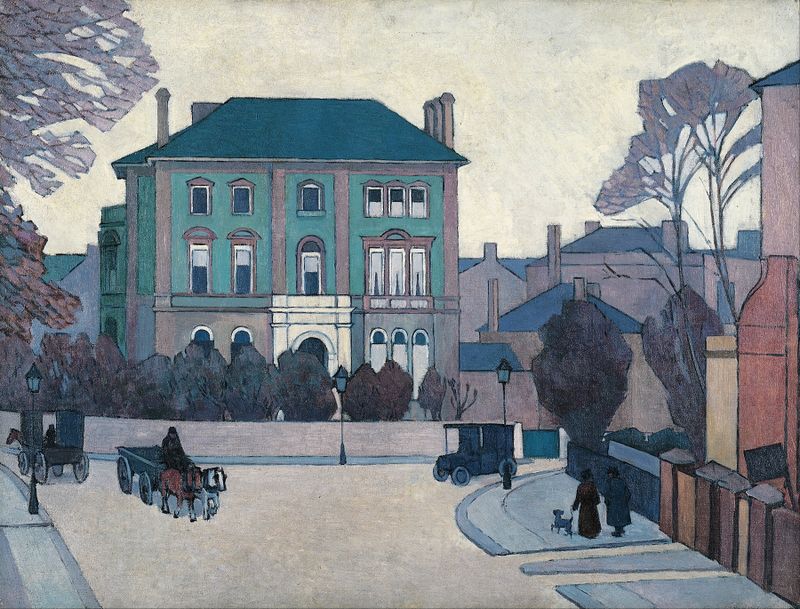
This sentiment resonates deeply within a world often cloaked in decay, where the weight of history and forgotten stories linger beneath the surface. Look to the left at the dark, crumbling architecture, where the gray tones evoke a sense of desolation. Notice how the light casts long shadows, emphasizing the textures of the weathered walls and the remnants of grandeur that once were. The artist's palette dances between muted earth tones and striking highlights, which breathe life into the decay, revealing a narrative that teeters between beauty and neglect.
The juxtaposition of vibrant colors against the somber backdrop draws the eye, inviting contemplation of what lies beneath the surface. In the foreground, small details abound—a tangle of foliage peeking through the cracks, suggesting resilience amid ruin. This interplay between nature and manmade structures speaks to the passage of time and the inevitable reclamation of urban landscapes by the natural world. The painting masterfully captures a moment frozen in time, reflecting the emotional weight of abandonment and nostalgia, while subtly hinting at the cyclical nature of existence—where decay leads to rebirth. Created in 1924, this piece emerged during a period of significant transformation in the art world.
Bevan was immersed in the vibrant yet tumultuous atmosphere of post-World War I London, where artists sought to capture new realities and perspectives. His works contributed to the Camden Town Group's exploration of urban life, focusing on the interplay of light and form, and the layers of history etched into the fabric of the city.
More Artworks by Robert Polhill Bevan
Browse all →
Landscape with Three Trees
Robert Polhill Bevan
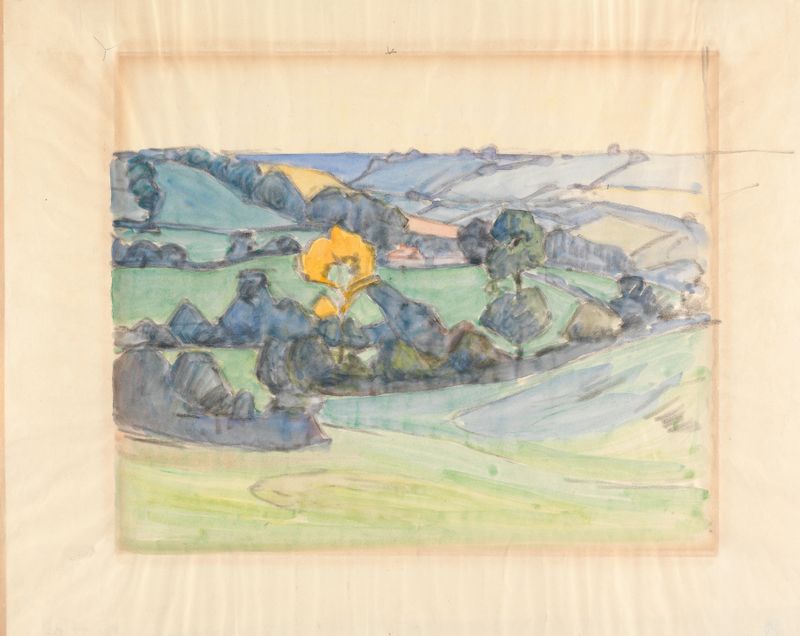
Near Brimley Hill
Robert Polhill Bevan
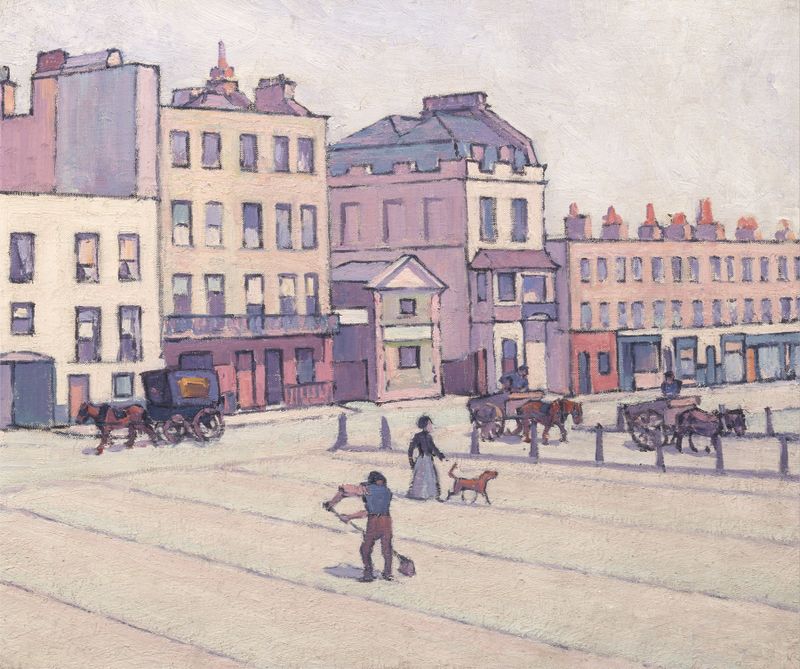
The Weigh House, Cumberland Market
Robert Polhill Bevan

Le Grand Chemin
Robert Polhill Bevan
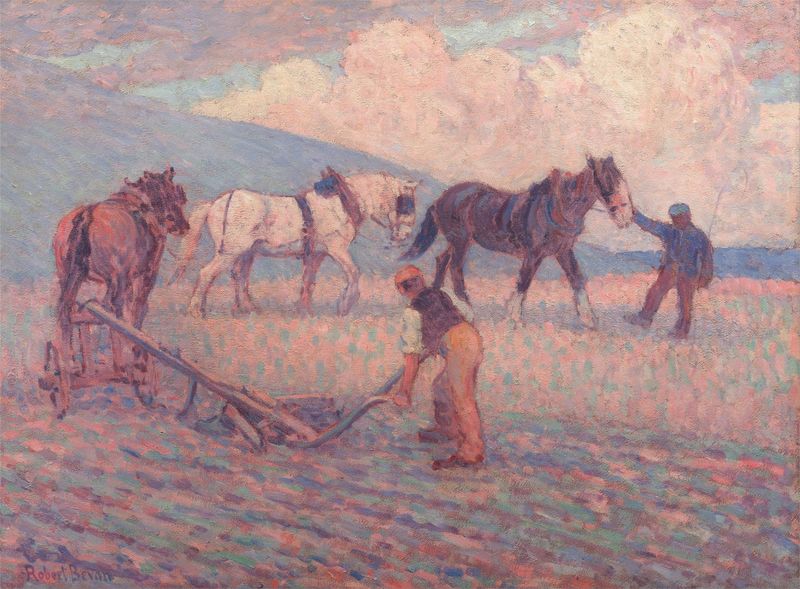
The Turn Rice-Plough, Sussex
Robert Polhill Bevan

Hay Carts, Cumberland Market
Robert Polhill Bevan

A Village in the Sussex Downs
Robert Polhill Bevan
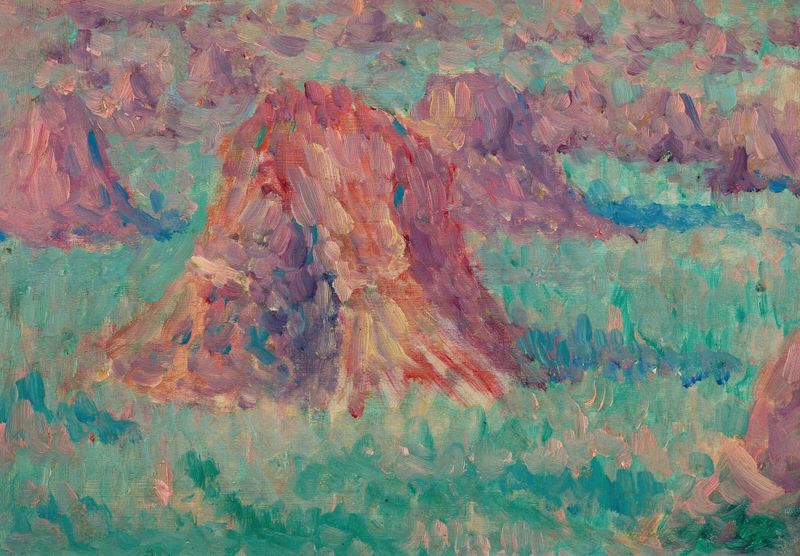
Corn Stooks, Poland
Robert Polhill Bevan

The Ford
Robert Polhill Bevan
The green house, St John’s Wood
Robert Polhill Bevan
More Architecture Art
Browse all →
The statue of Liberty
Frédéric Auguste Bartholdi

View of Houses in Delft, Known as ‘The Little Street’
Johannes Vermeer

View of Houses in Delft, Known as ‘The Little Street’
Johannes Vermeer

The Cathedral in Rouen. The portal, Grey Weather
Claude Monet

The yellow house
Vincent van Gogh

The Church in Auvers-sur-Oise, View from the Chevet
Vincent van Gogh