
The Ford — History & Facts
Where does light end, and longing begin? In the realm of The Ford, shadows stretch and weave, cradling secrets just out of view. Look to the left at the soft, undulating hills, where layers of deep greens and muted browns cradle the scene. The figures, poised mid-step, draw our gaze with their contrast against the light-dappled water. Observe how the brushstrokes pulse with vitality, yet maintain a sense of restraint, inviting us to navigate the space between the subjects and their surroundings.
The luminous sky casts a gentle glow, painting the atmosphere with a sense of both tranquility and anticipation. The interplay of light and shadow speaks volumes about the yearning that permeates this pastoral moment. Notice the way the figures lean slightly toward the water, suggesting a desire to bridge the gap between their world and the one beneath the surface. The reflections in the water echo their forms, but the rippling edges distort this connection, mirroring the elusive nature of their aspirations and dreams.
This duality creates a poignant tension, as shadow becomes a metaphor for the unknown that awaits just beyond their reach. Created between 1918 and 1919, this work emerged during a transformative period for Bevan, as he sought to distill emotion through the interplay of color and form. Working in England post-World War I, he was deeply influenced by the burgeoning movement of British Impressionism and the desire to capture a fleeting essence of life. His exploration of light and shadow in this piece reflects both personal introspection and the collective longing of a society seeking solace in the natural world.
More Artworks by Robert Polhill Bevan
Browse all →
Landscape with Three Trees
Robert Polhill Bevan
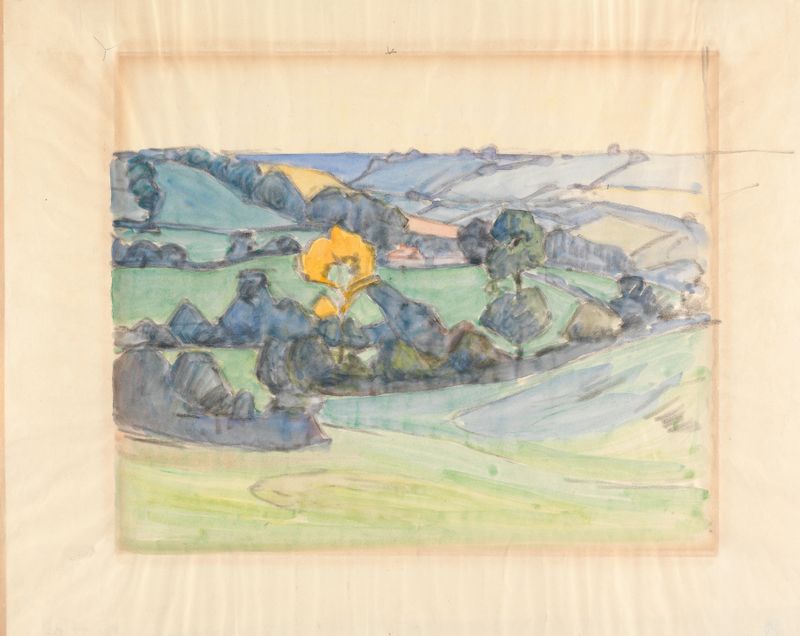
Near Brimley Hill
Robert Polhill Bevan
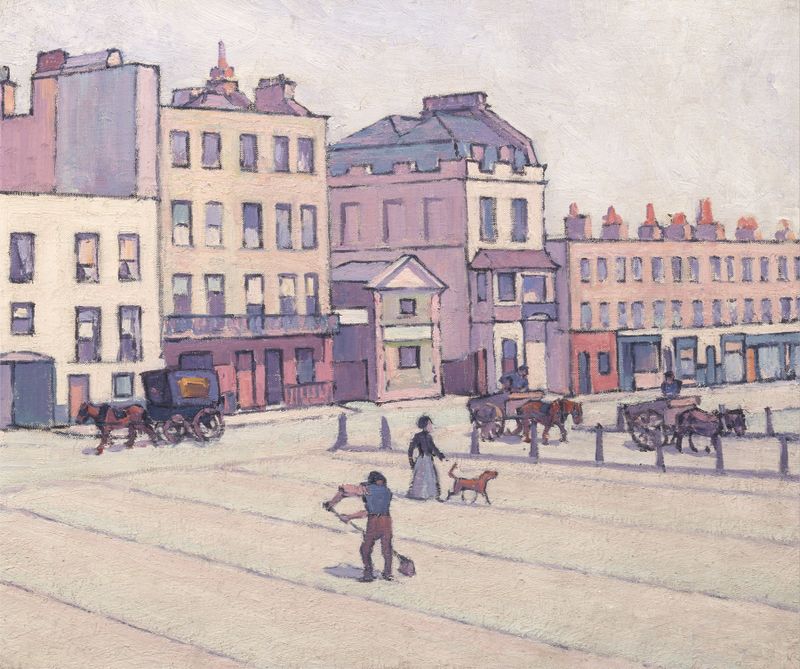
The Weigh House, Cumberland Market
Robert Polhill Bevan

Le Grand Chemin
Robert Polhill Bevan
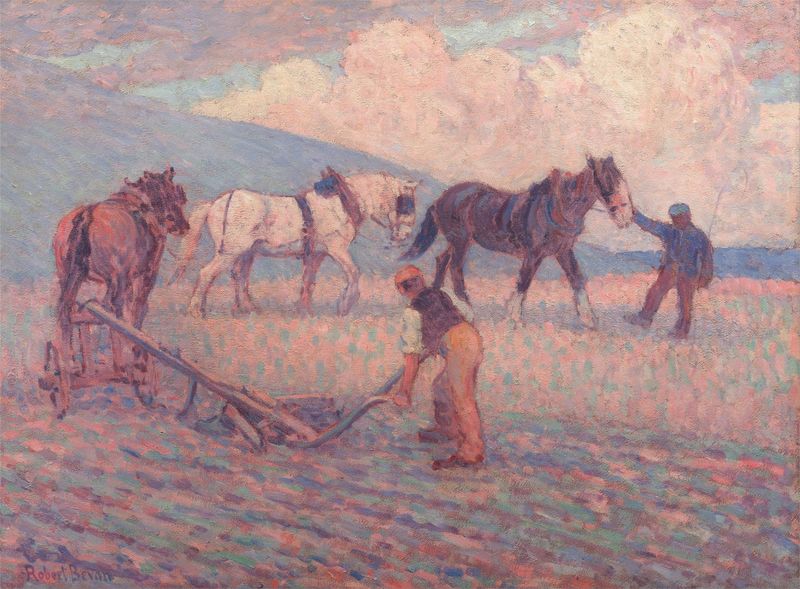
The Turn Rice-Plough, Sussex
Robert Polhill Bevan

Hay Carts, Cumberland Market
Robert Polhill Bevan

A Village in the Sussex Downs
Robert Polhill Bevan
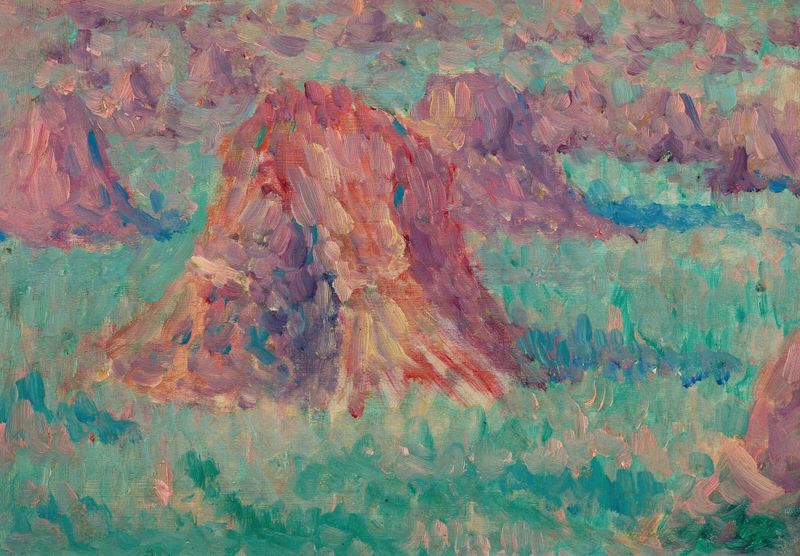
Corn Stooks, Poland
Robert Polhill Bevan
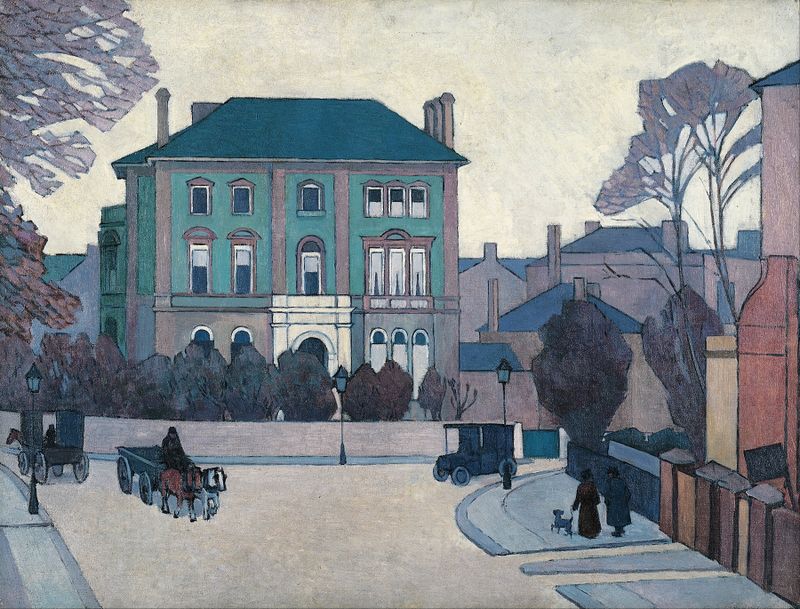
The green house, St John’s Wood
Robert Polhill Bevan
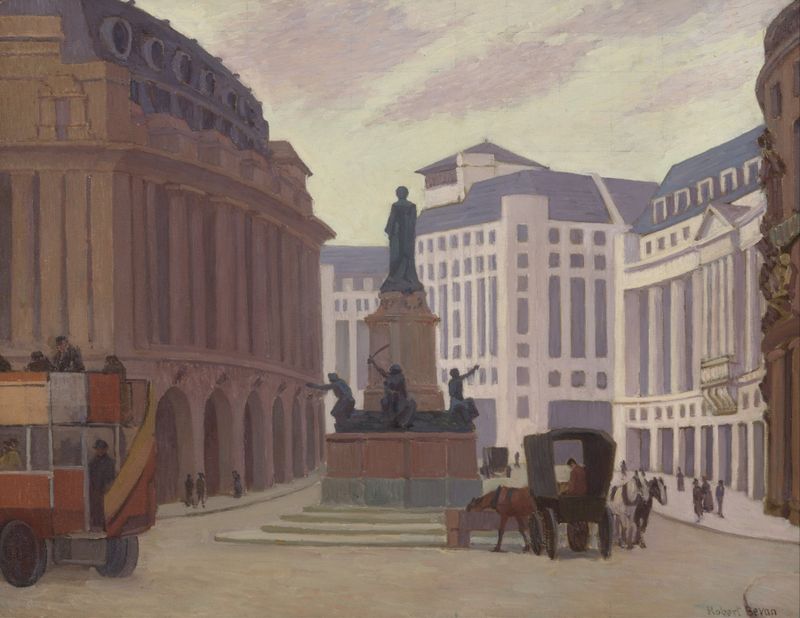
Aldwych
Robert Polhill Bevan





