
Le Grand Chemin — History & Facts
In the stillness of Le Grand Chemin, the path unfurls before us, inviting contemplation and faith in every brushstroke. Look to the lower left, where a gentle curve of the road draws the eye deeper into the verdant landscape. The vibrant greens of the foliage are alive, each leaf rendered with a palpable touch, while the bright blues of the sky above offer a stark contrast, illuminating the scene with a sense of hope. Notice how the painter's palette of rich colors creates a feeling of warmth, enveloping the viewer in an embrace of nature’s tranquility. As you explore further, the hidden tensions become apparent.
The contrast between the winding road and the dense trees suggests a journey filled with uncertainty, a metaphorical passage through life itself. The light dappling through the branches hints at moments of clarity amid confusion, while the shadows lurking in the corners evoke the ever-present trials we face. This duality of light and dark fosters a deep emotional resonance, compelling us to reflect on our own paths. Created in 1887, Robert Polhill Bevan painted Le Grand Chemin during a pivotal period in his life when he was exploring Post-Impressionism.
Living in London, he was influenced by the vibrant artistic community, which was evolving rapidly. This work reflects his growing conviction that art can be a vehicle for personal faith and expression, capturing the essence of a journey not just through nature but through the human experience.
More Artworks by Robert Polhill Bevan
Browse all →
Landscape with Three Trees
Robert Polhill Bevan
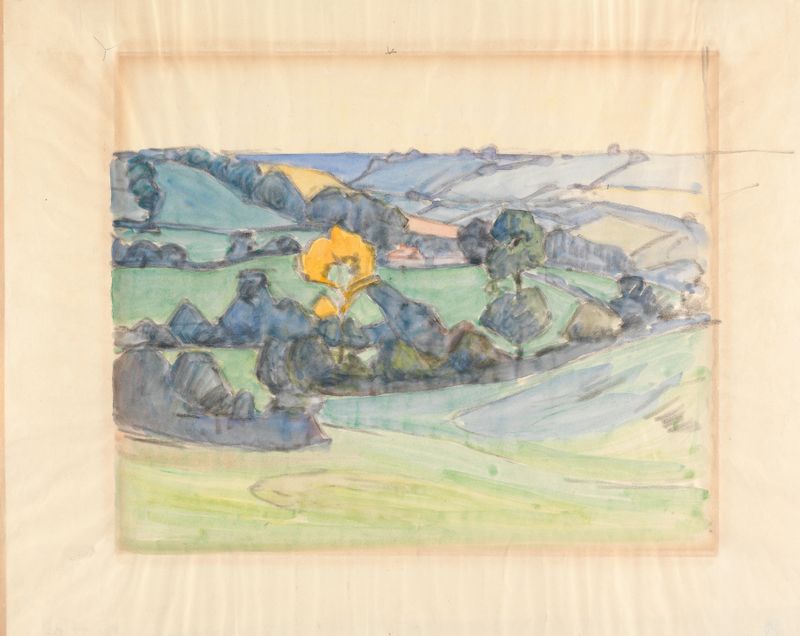
Near Brimley Hill
Robert Polhill Bevan
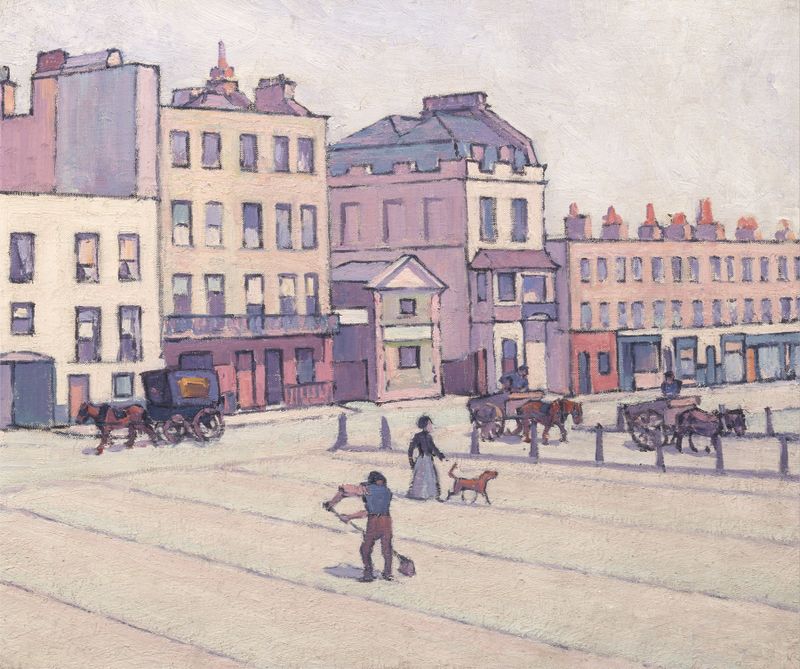
The Weigh House, Cumberland Market
Robert Polhill Bevan
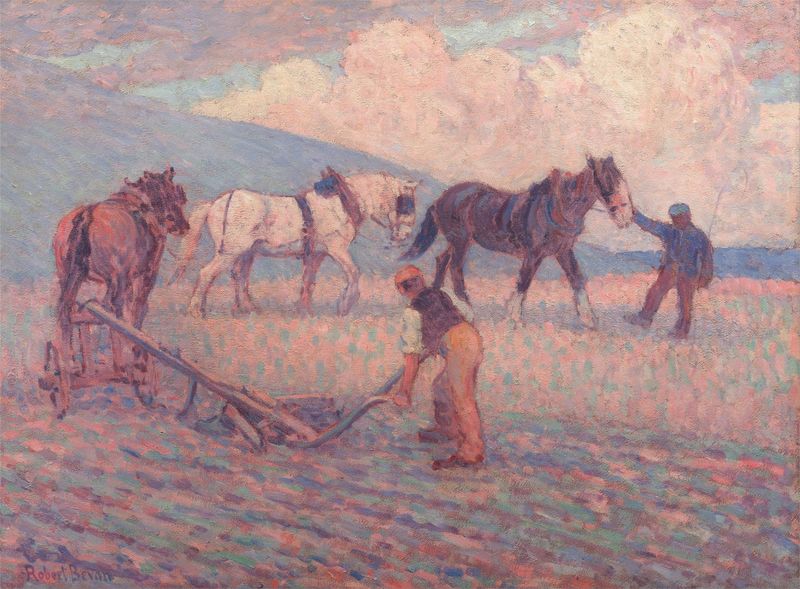
The Turn Rice-Plough, Sussex
Robert Polhill Bevan

Hay Carts, Cumberland Market
Robert Polhill Bevan

A Village in the Sussex Downs
Robert Polhill Bevan
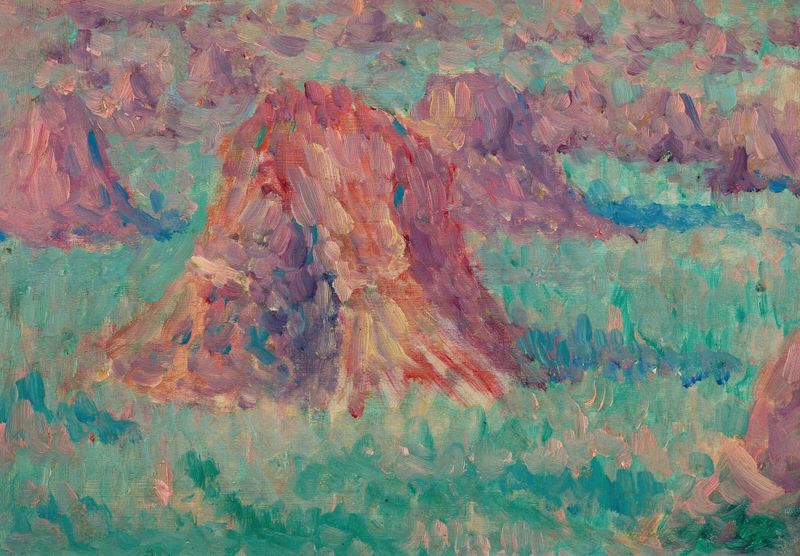
Corn Stooks, Poland
Robert Polhill Bevan

The Ford
Robert Polhill Bevan
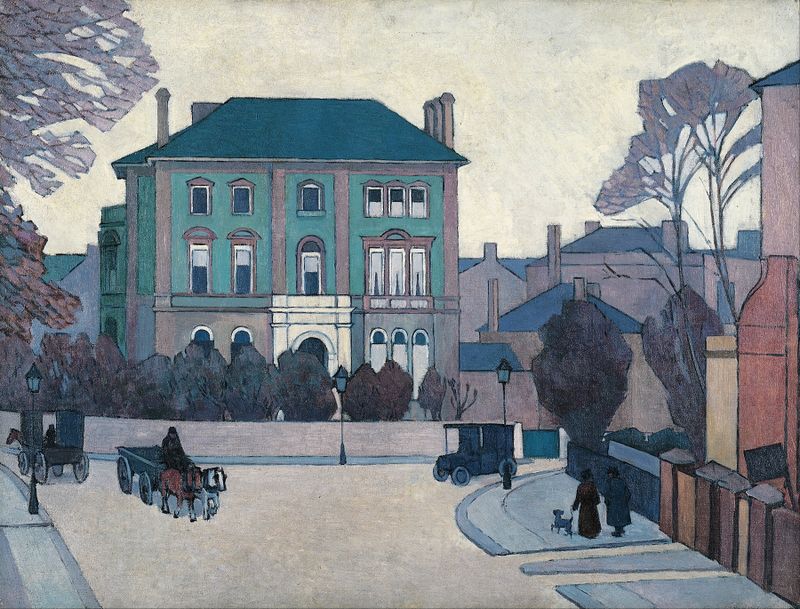
The green house, St John’s Wood
Robert Polhill Bevan
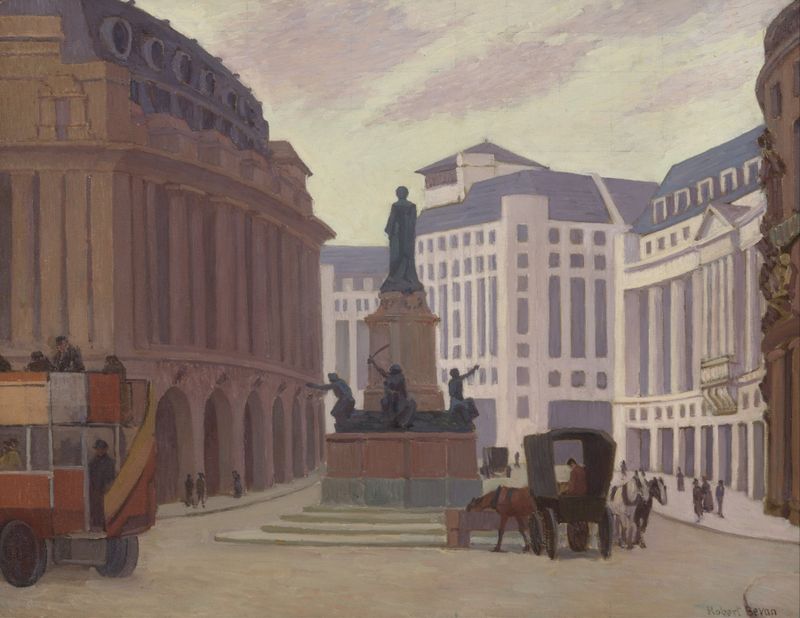
Aldwych
Robert Polhill Bevan





