
a white horse in a stable — History & Facts
What first draws the eye in this stable scene is the striking presence of the white horse, its coat dappled with shadow and light, standing alert yet patient in the quiet gloom. The animal’s pose—head turned slightly, one ear flicked back—suggests a moment of gentle anticipation, as if it is waiting for the next command or simply enjoying a pause in its daily routine. The horse’s handler, half lost in shadow, is absorbed in the simple act of feeding, his figure blending into the hay and the dim stable wall.
The artist, Aelbert Cuyp, uses a soft, almost smoky palette that lets the white of the horse glow against the darkness, the animal’s calm dignity elevated by the hush of its surroundings. Every detail, from the rough wooden manger to the careful drape of the saddle cloth, is rendered with a quiet respect for the everyday. Painted in 1645, this work belongs to a world where horses were not just noble creatures but essential partners in work and travel, their portraits a mark of pride for owners and a testament to prosperity. In the Dutch Golden Age, artists like Cuyp became renowned for their ability to capture the character and beauty of animals, often for patrons who wished to celebrate their estates and stables.
The painting now resides in the Deutsches Historisches Museum, a reminder of how such images once bridged the gap between rural labor and refined taste. History has kept few traces of the specific journey of this canvas, but its quiet drama and careful observation invite us to linger, imagining the soft sounds and earthy scents of a seventeenth-century stable.
More Artworks by Aelbert Cuyp

The Maas at Dordrecht
Aelbert Cuyp
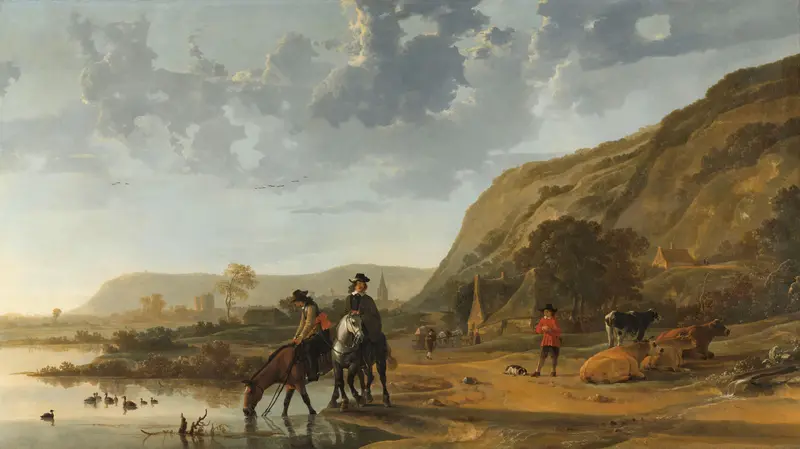
River Landscape with Riders
Aelbert Cuyp

The Maas at Dordrecht
Aelbert Cuyp
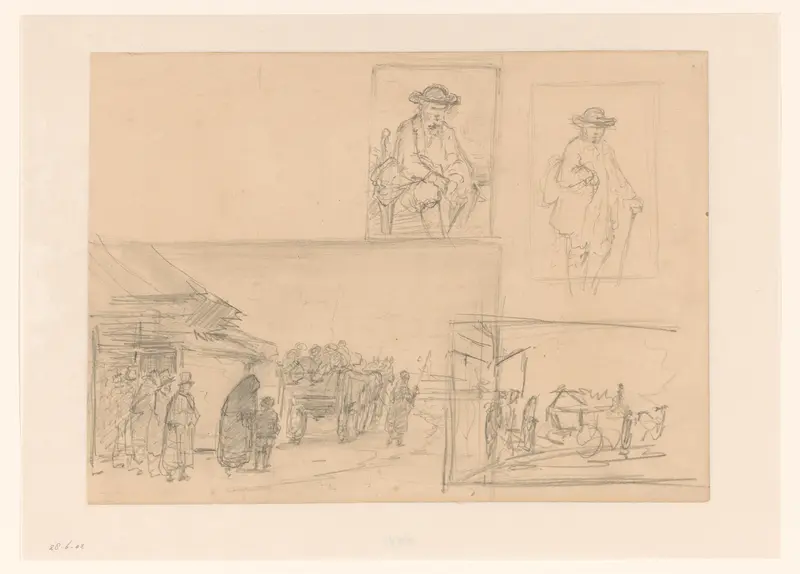
Gezicht op Dordrecht
Aelbert Cuyp
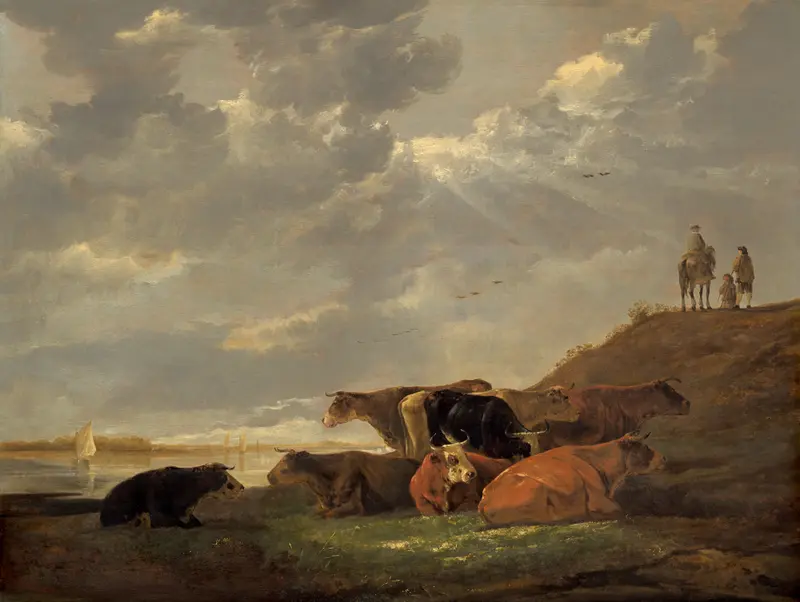
River Landscape with Cows
Aelbert Cuyp
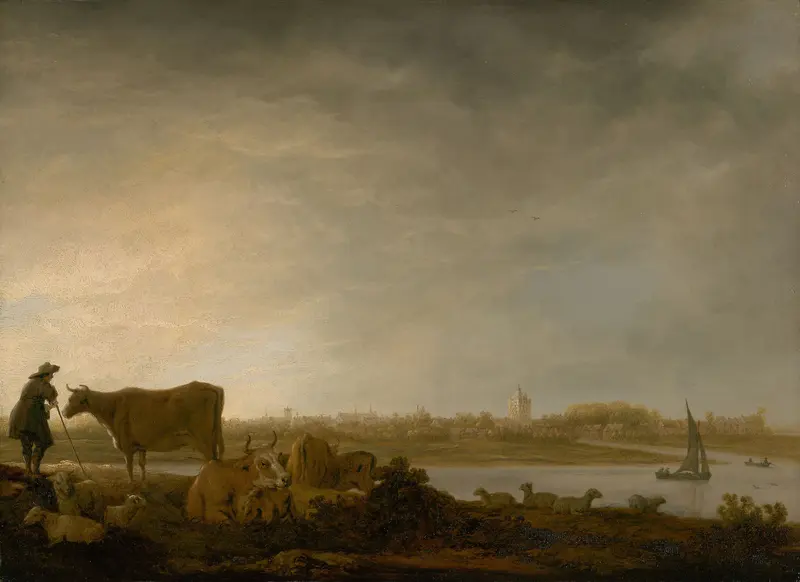
A View of Vianen with a Herdsman and Cattle by a River
Aelbert Cuyp
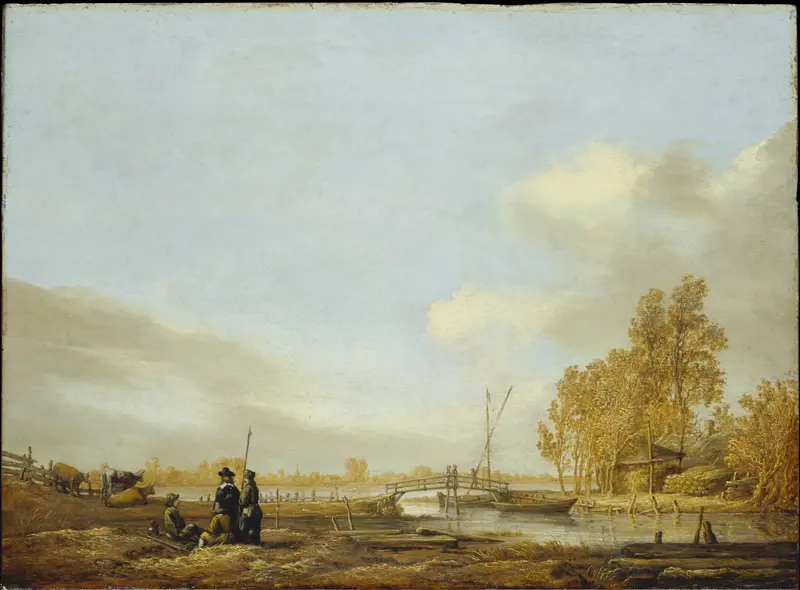
River Landscape with Footbridge
Aelbert Cuyp
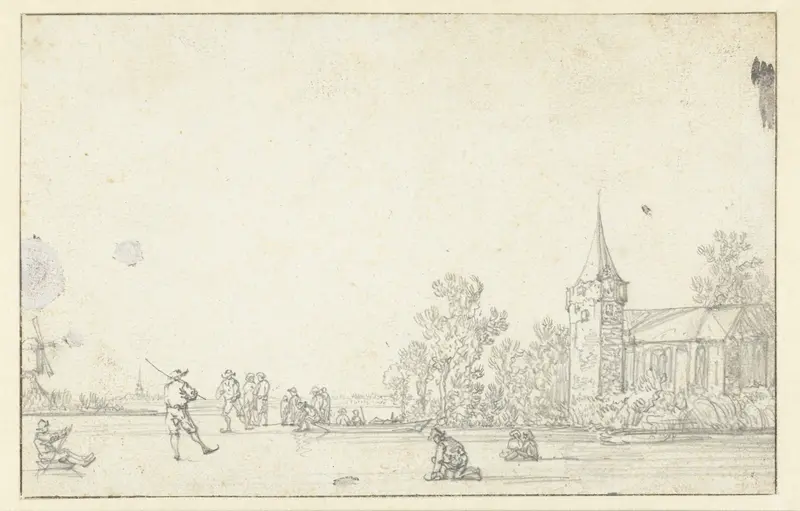
Bevroren rivier met schaatsers bij een kerk
Aelbert Cuyp

Cattle near a River
Aelbert Cuyp
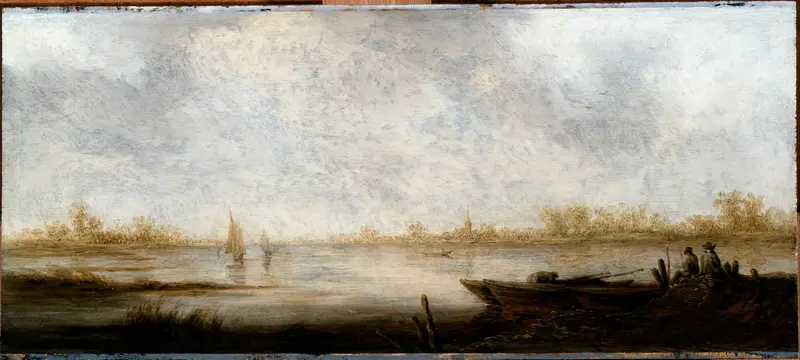
River Landscape
Aelbert Cuyp





