
A Wooded Landscape: the Path on the Dyke — History & Facts
What first draws the eye in A Wooded Landscape: the Path on the Dyke is the sheer scale of the sky, billowing with clouds that seem to drift endlessly above the treetops. The light falls in patches, guiding you from the shadowy foreground—where cows amble along a sunlit path and figures pause in quiet conversation—toward the distant fields and ponds. Every detail is a deliberate invitation: the careful placement of cattle, the curve of the dyke, the way the trees arch protectively over the travelers.
The palette is rich with earthy greens and golds, but it is the interplay of shadow and sunlight that animates the scene, suggesting a world both tranquil and alive with gentle movement. Painted in 1663, this landscape belongs to a Dutch tradition that celebrated the everyday beauty of the countryside at a time when the Netherlands was flourishing both economically and artistically. Works like this were often sought after by prosperous burghers eager to display their connection to the land and the ordered peace of rural life. Adriaen van de Velde was known for his sensitive rendering of light and atmosphere, qualities that set him apart from his contemporaries and made his landscapes prized possessions.
Today, this painting is preserved in the collection of the National Gallery of Ireland, a quiet testament to an era when nature, commerce, and art converged on the canvas. Let your gaze wander the winding paths and dappled clearings—there is always another story unfolding in the shade of these trees.
More Artworks by Adriaen van de Velde

Staande stier
Adriaen van de Velde
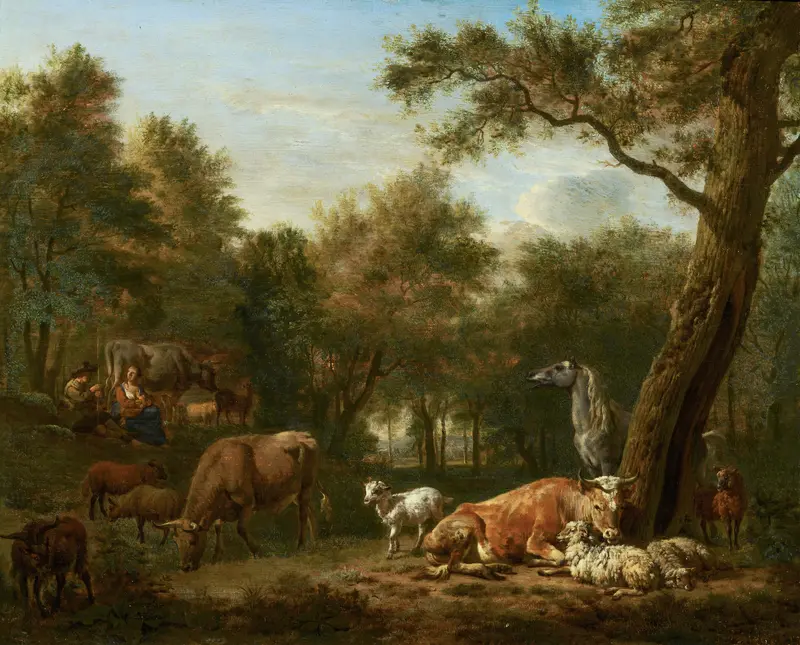
Wooded Landscape with Cattle
Adriaen van de Velde
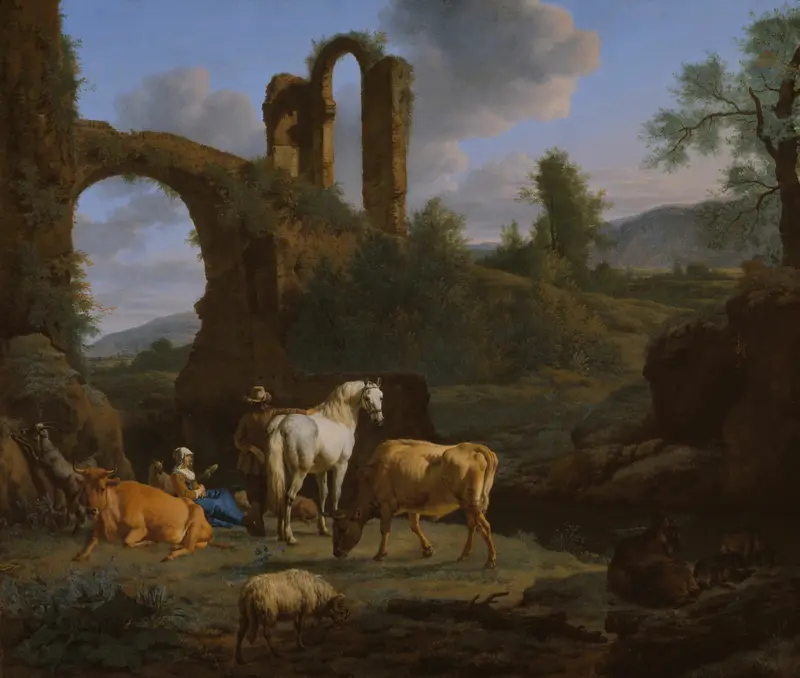
Pastoral Landscape with Ruins
Adriaen van de Velde
Pastoral Landscape with Ruins
Adriaen van de Velde
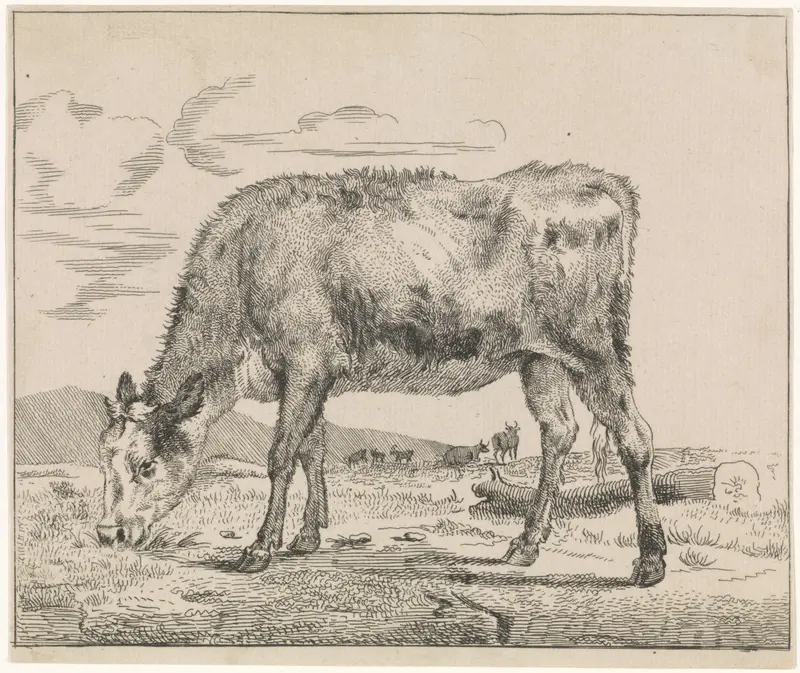
Grazend kalf
Adriaen van de Velde
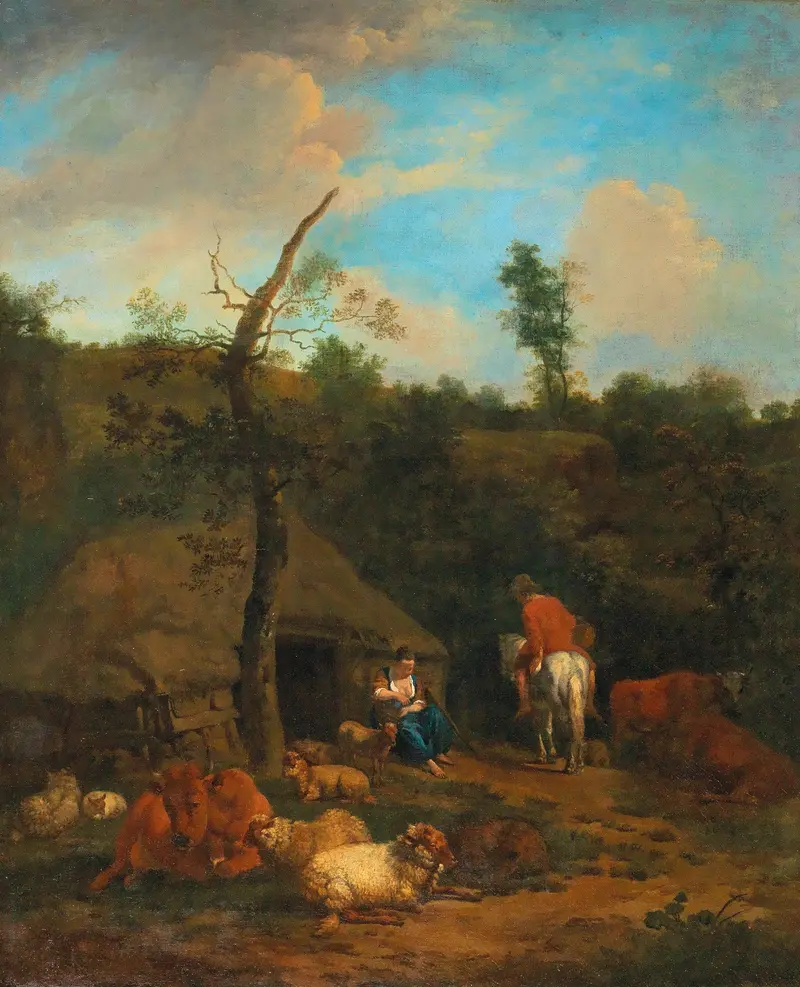
A herdsman and a shepherdess in front of a wooden farmhouse
Adriaen van de Velde
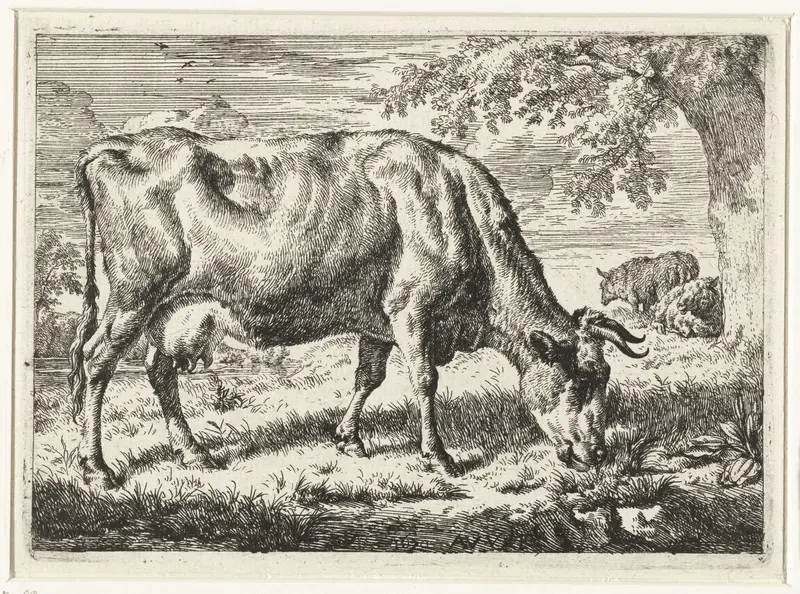
Grazende koe en twee schapen
Adriaen van de Velde
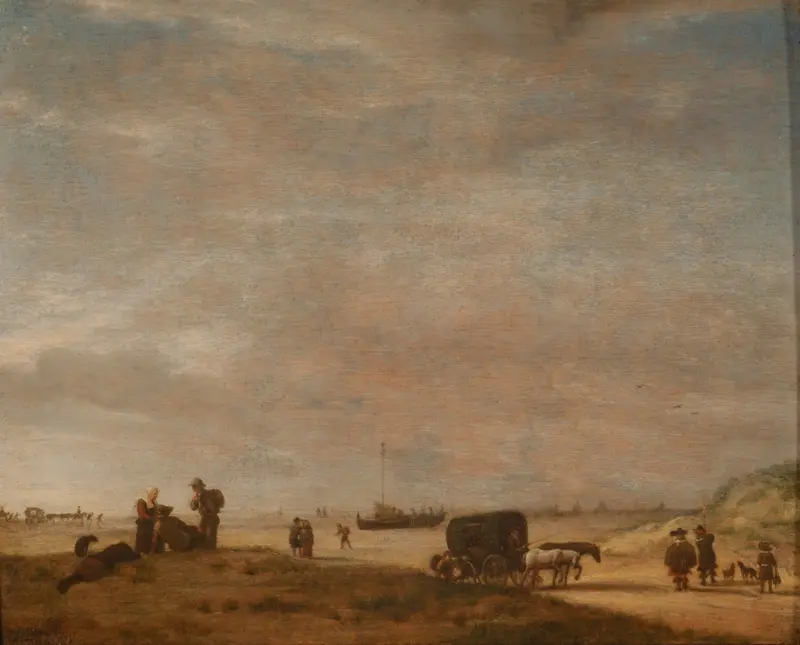
Scheveningen Beach
Adriaen van de Velde
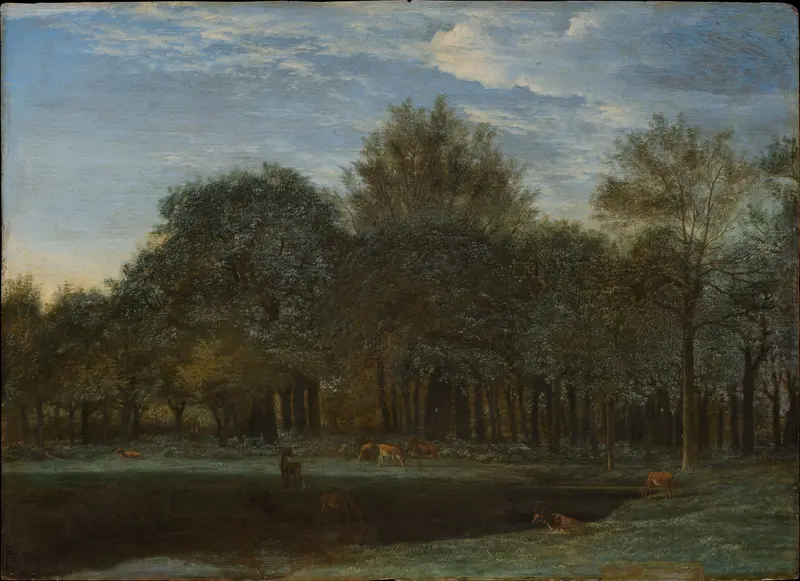
Forest Clearing with Grazing Deer
Adriaen van de Velde
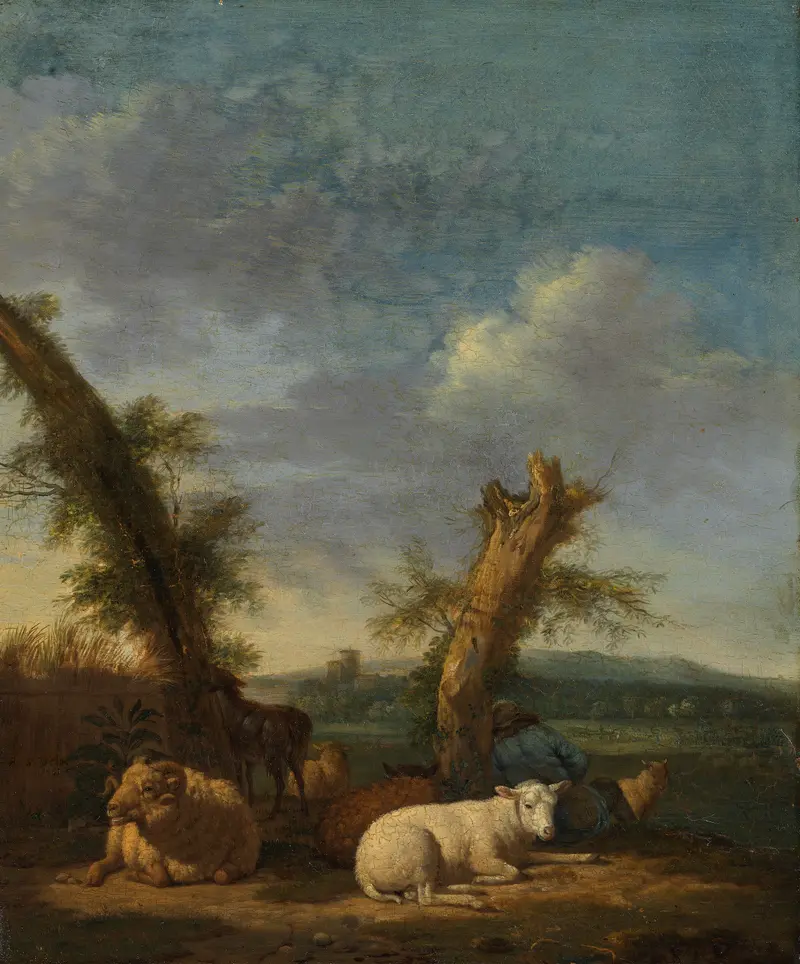
Landscape with Sheep and a Sleeping Shepherd
Adriaen van de Velde
More Landscape Art

The Starry Night
Vincent van Gogh

View of Delft
Johannes Vermeer

Water Lilies
Claude Monet

The Grand Canal, Venice, looking north-west from the Ca' Corner to the Ca' Contarini degli Scrigni, with the campanile of Santa Maria della Carità
Canaletto

Windsor Castle
Canaletto

The Grand Canal looking North-East from the Palazzo Dolfin-Manin to the Rialto Bridge
Canaletto