
A Woodland Study — History & Facts
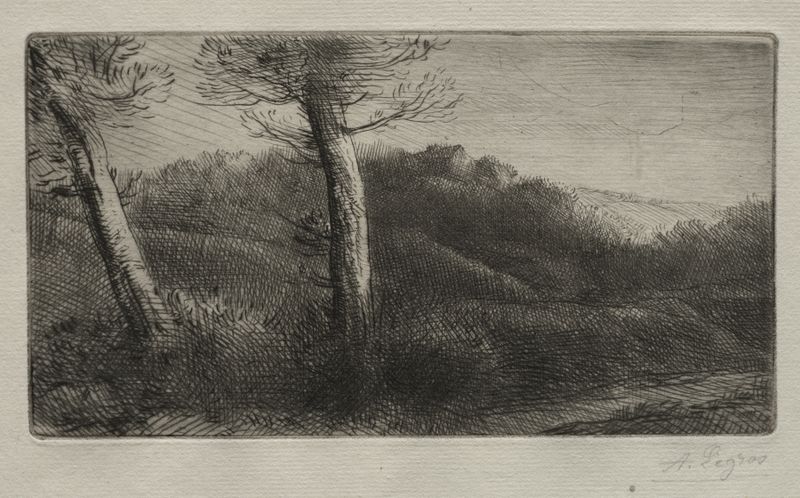
In A Woodland Study, the essence of transformation unfolds beneath the canopy of trees, where nature breathes life into each color and texture. Focus on the interplay of light and shadow that dances upon the foliage, drawing your gaze to the verdant greens that intermingle with warm ochres and earthy browns. The delicate strokes suggest movement, as if the leaves themselves are whispering secrets. Notice how the composition gently guides the eye through winding paths, inviting you to explore the serene depths of this woodland sanctuary. Embedded within the tranquility lies a rich tapestry of contrasts—the sharpness of the branches against the soft, diffused light that filters through.
This juxtaposition mirrors the cycle of life and decay, illustrating both the beauty and transience of nature. Look closely at the subtle hints of color tucked within the underbrush, each stroke offering a glimpse of the vibrancy that exists even in stillness, reminding us of nature’s quiet resilience. Alphonse Legros painted A Woodland Study during a period of profound reflection in his life, roughly between 1857 and 1911. Living in France, he was influenced by the burgeoning art movements around him, as well as his own experiences with nature and the human condition.
This work encapsulates a moment of personal transformation, a testament to his evolving style and deepening connection to the natural world, resonating with the broader themes of change and renewal prevalent in that era.
More Artworks by Alphonse Legros
Browse all →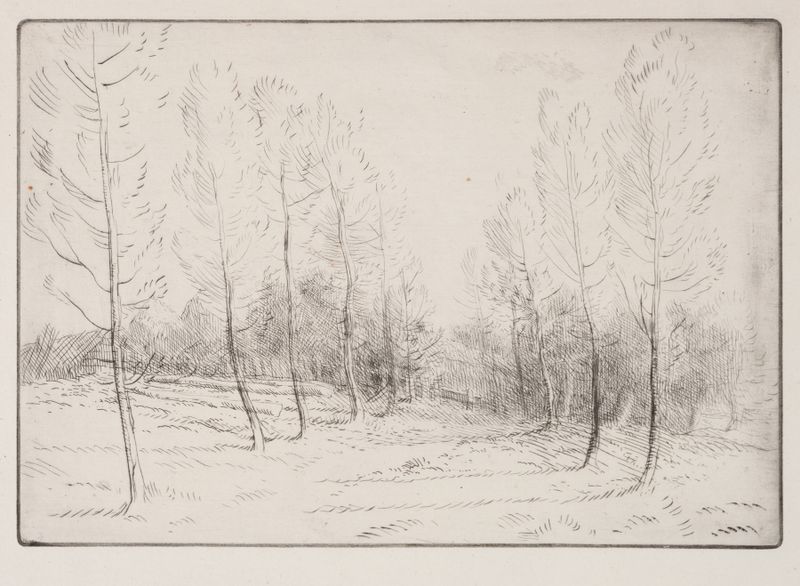
Avenue of Poplars
Alphonse Legros
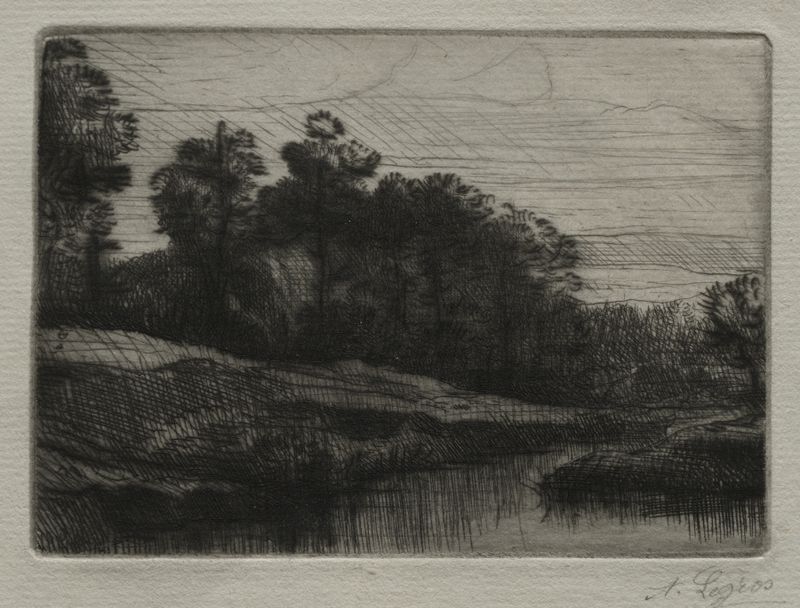
Evening
Alphonse Legros

The Fish in the Hoop Net
Alphonse Legros

The Little Beggar
Alphonse Legros
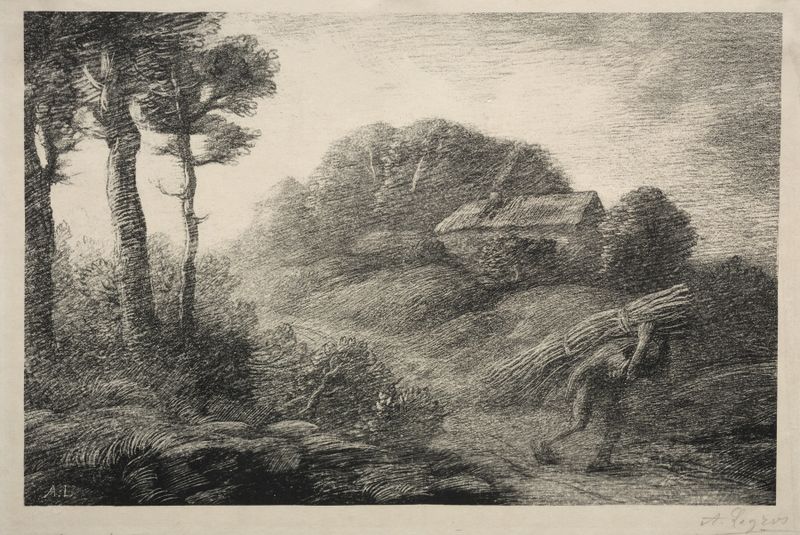
The Return of the Fagot Gatherer
Alphonse Legros

Storm
Alphonse Legros
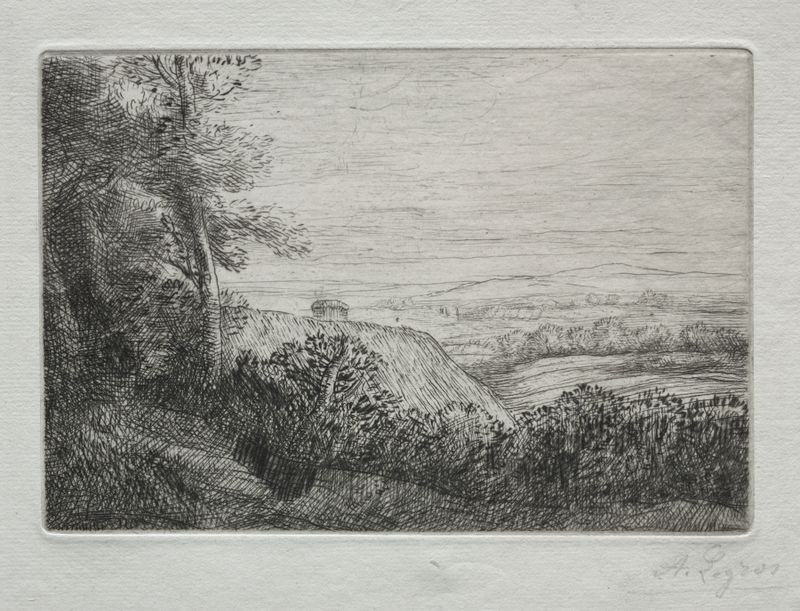
Les dernière Rayons de Soleil
Alphonse Legros
The Traveler Stretched out on the Grass
Alphonse Legros
Guard House
Alphonse Legros

Death of a Vagabond
Alphonse Legros





