
Aankomst van de graaf te Hemiksem, 1650 — History & Facts
In a world where moments slip away like grains of sand, the act of capturing a scene becomes a profound meditation on mortality. Focus first on the elegantly dressed figures gathering along the riverbank, their postures a mix of anticipation and reverence. The grand procession unfolds with a rich tapestry of colors, where the deep greens of the landscape contrast with the vibrant hues of the garments. Notice how the sunlight dances upon the water, creating a shimmering line that leads the eye towards the horizon, where life and death converge, blurring the boundaries of existence. Within this composition lies a subtle commentary on the passage of time.
The presence of the nobleman, the busyness of the crowd, and the serene yet vigilant river reflect the constant interplay between celebration and the inevitable decay that follows. Each character, meticulously rendered, suggests stories untold, while the landscape acts as a reminder of nature’s enduring cycle against the ephemeral moment of the gathering. In the early 1650s, Wenceslaus Hollar was deeply engaged with the Baroque style while living in the Netherlands after fleeing the turmoil of the Thirty Years' War. Amidst the flourishing of printmaking in Europe, he sought to blend realism with narrative depth in his works.
Aankomst van de graaf te Hemiksem captures not just an event, but a haunting reflection on the fleeting nature of life during a time of both personal and societal upheaval.
More Artworks by Wenceslaus Hollar
Browse all →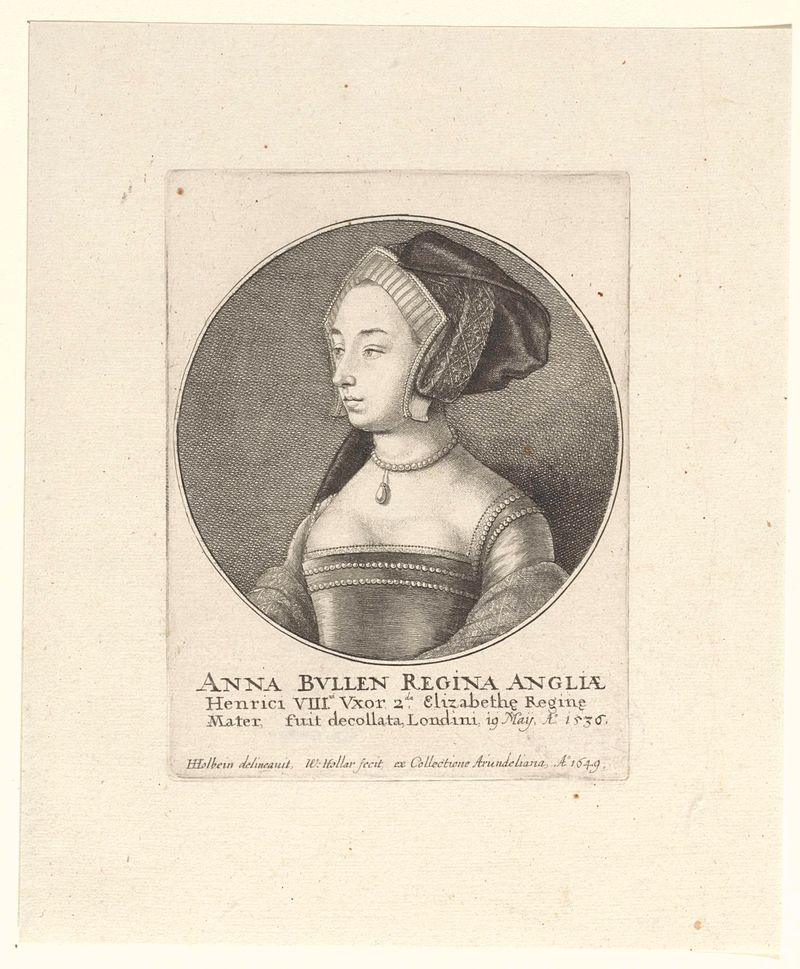
Portret van Anna Boleyn, koningin van Engeland
Wenceslaus Hollar
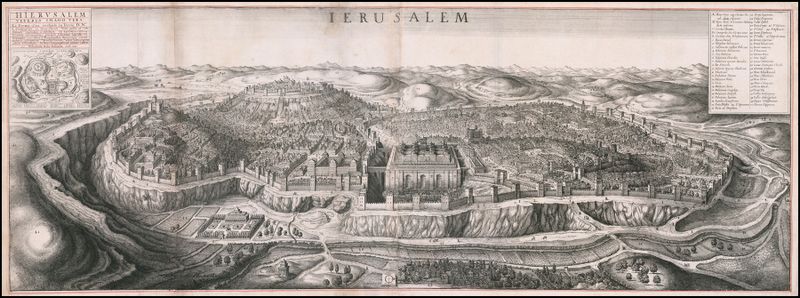
Bird’s eye view of Jerusalem
Wenceslaus Hollar
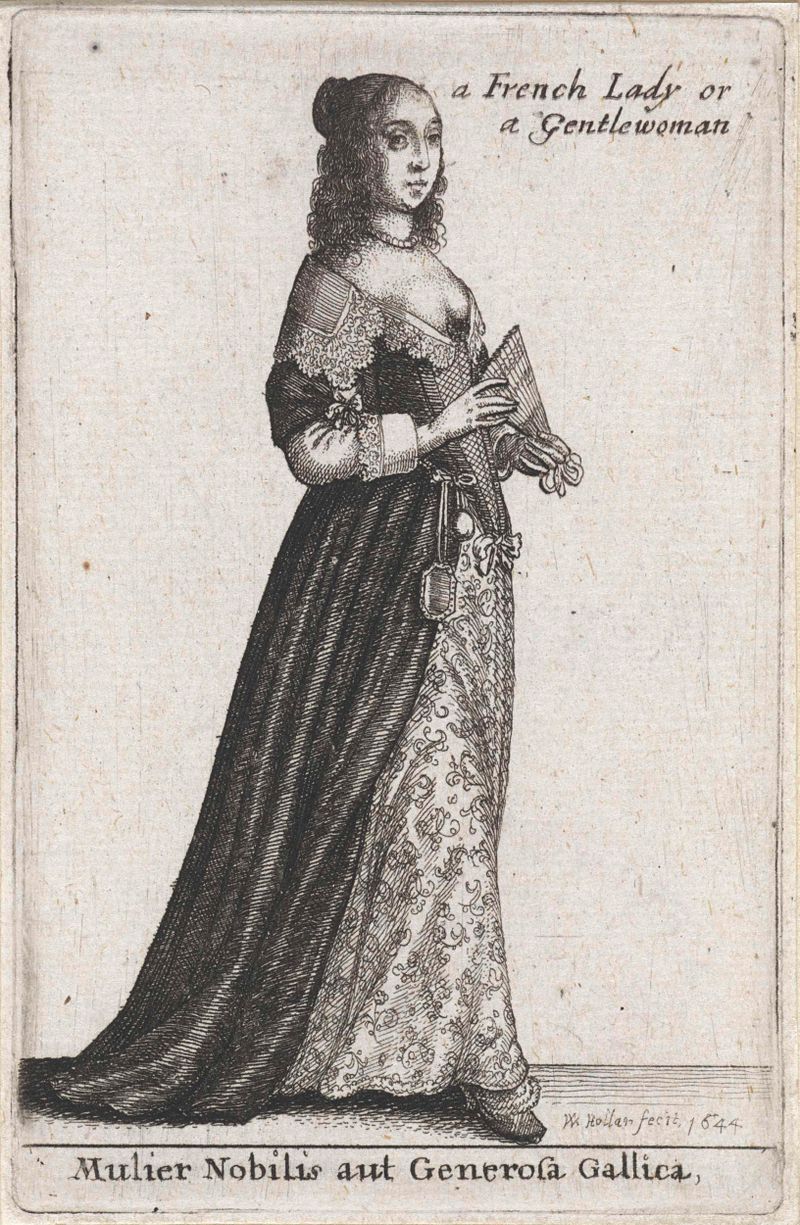
Mulier Nobilis aut Generosa Gallica / a French Lady or Gentlewoman
Wenceslaus Hollar
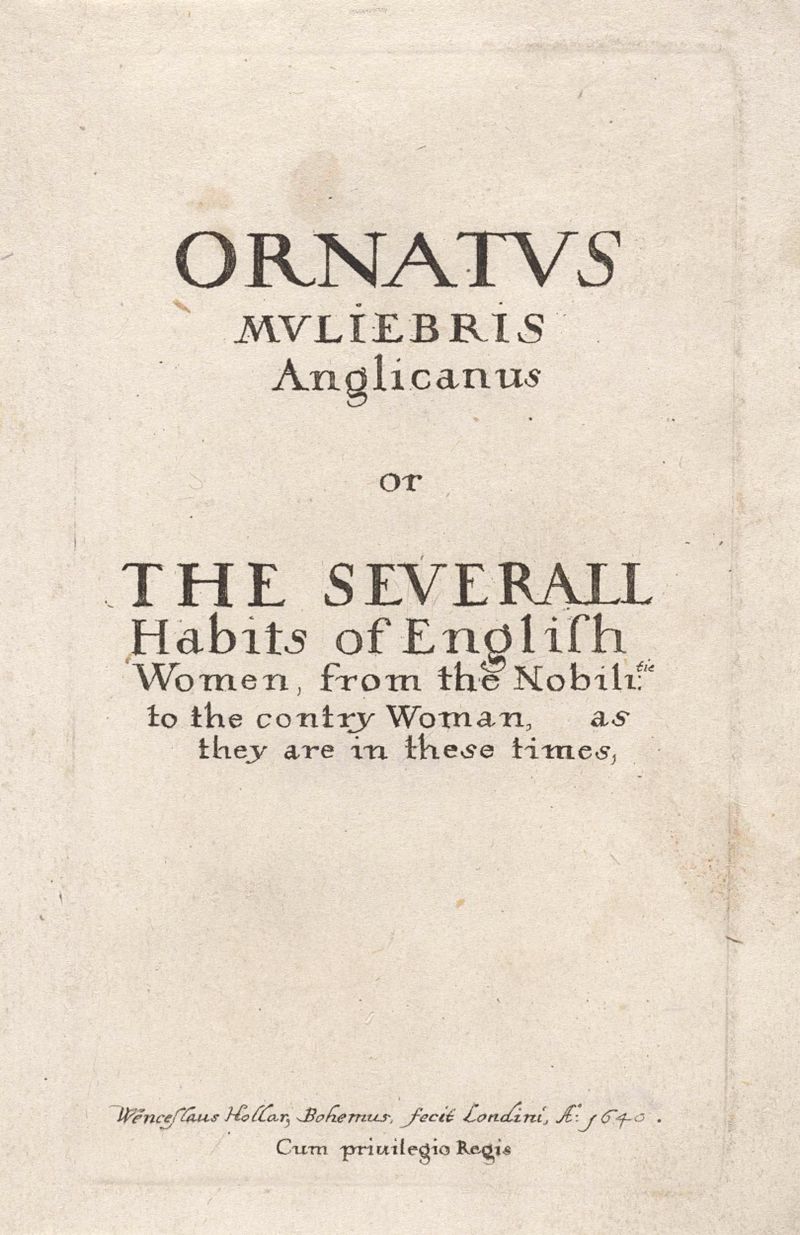
Titelprent voor: Ornatus Muliebris Anglicanus
Wenceslaus Hollar
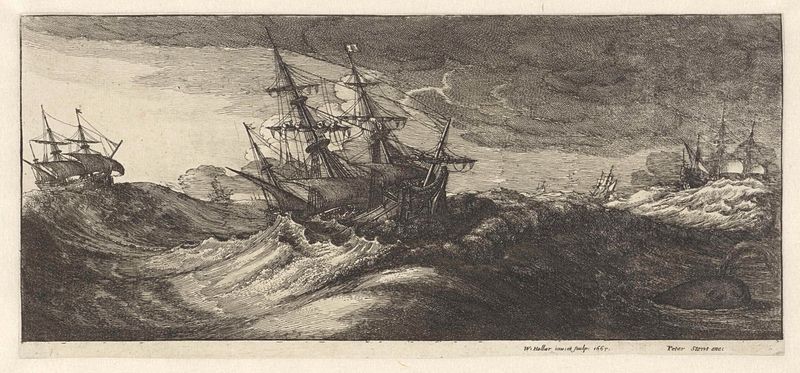
Oorlogsschepen en een walvis in een zeestorm
Wenceslaus Hollar
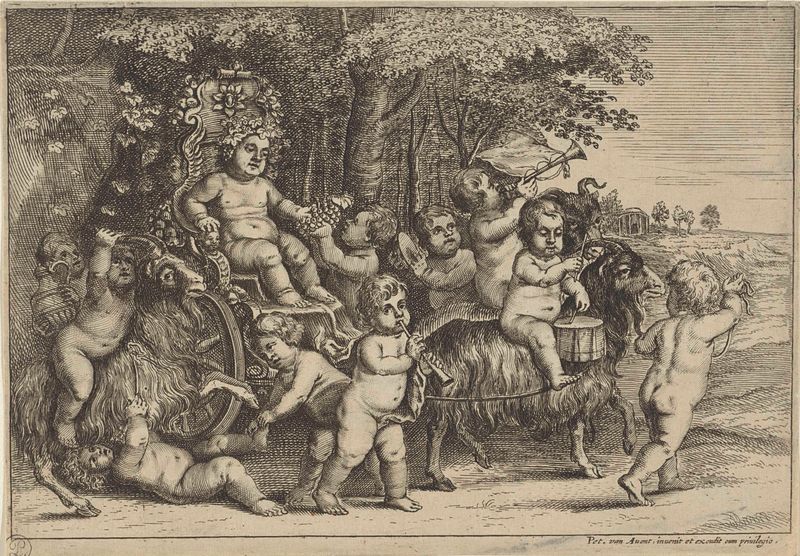
Optocht van bacchant en jongetjes op geiten
Wenceslaus Hollar
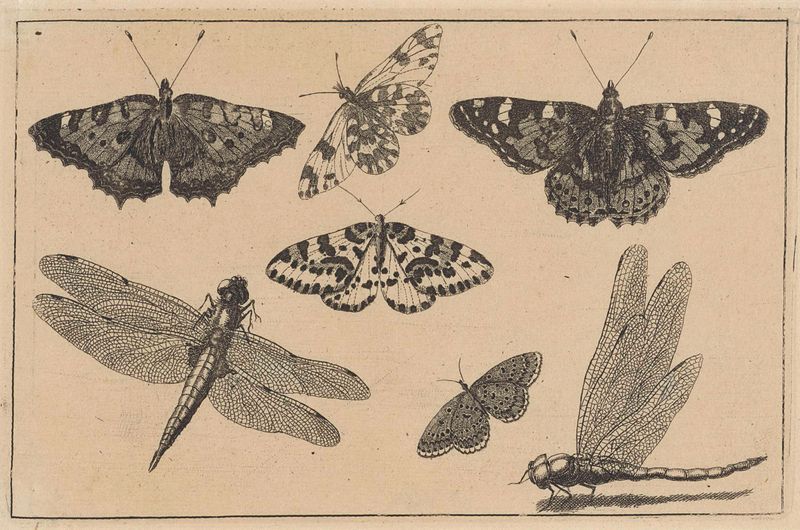
Twee libellen en vijf vlinders
Wenceslaus Hollar
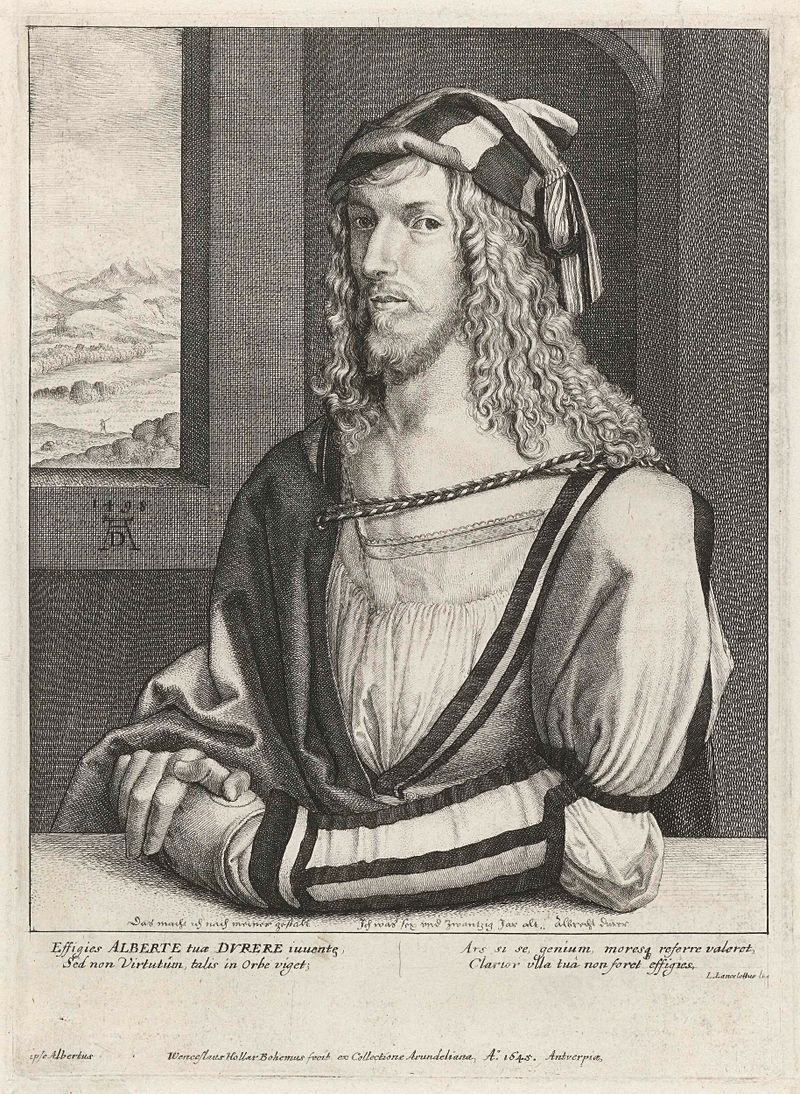
Portret van Albrecht Dürer
Wenceslaus Hollar
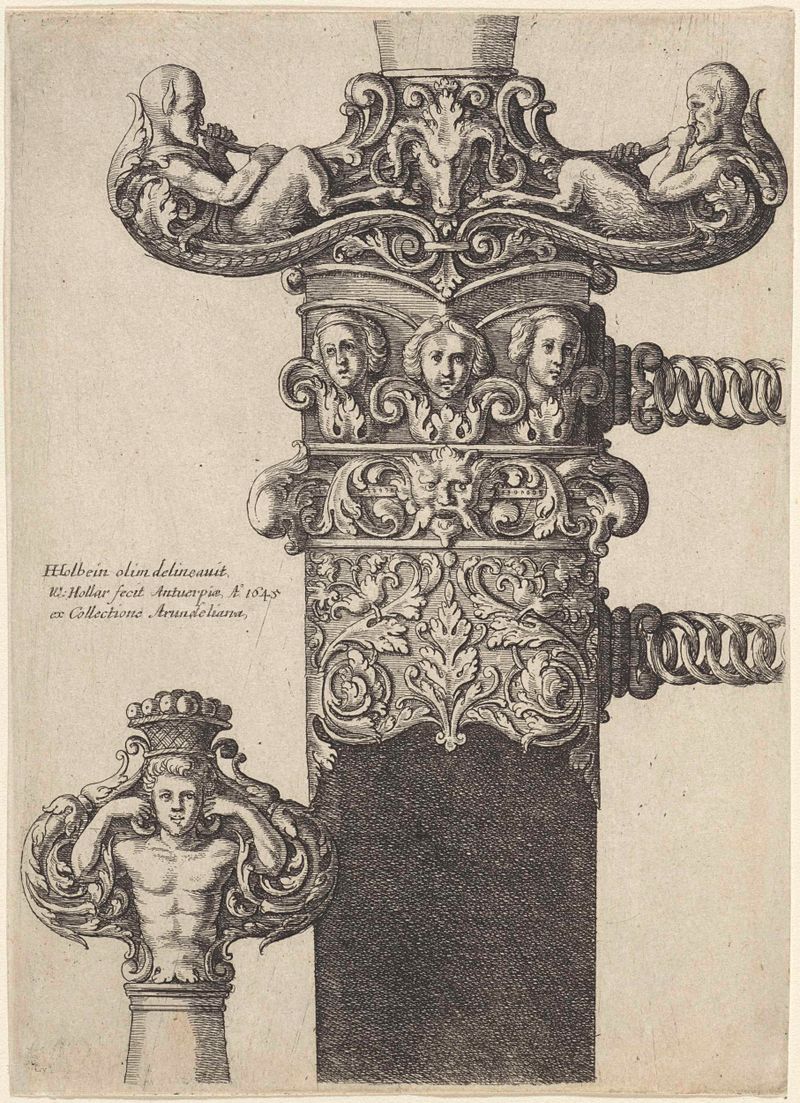
Ornamenteel ontwerp voor een dolk
Wenceslaus Hollar
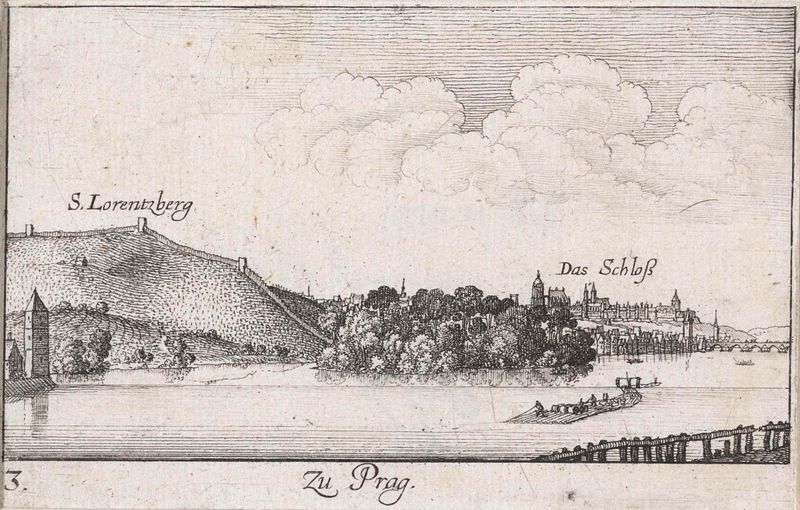
Gezicht op Praag vanaf de Moldau
Wenceslaus Hollar
More Historical Art
Browse all →
The Night Watch Militia Company of District II under the Command of Captain Frans Banninck Cocq
Rembrandt van Rijn

Lincoln Memorial
Henry Bacon

The Third of May 1808
Francisco de Goya

Isaac and Rebecca, Known as ‘The Jewish Bride’
Rembrandt van Rijn

The Charge of the Mamelukes (1814)
Francisco de Goya

De vier ruiters van de apocalyps
Albrecht Dürer