
Aankondiging — History & Facts
In Aankondiging, the tension between madness and serenity plays out through delicate brushwork and muted tones. The canvas invites us into a world where the divine and the ordinary entwine, provoking contemplation of what lies beneath the surface of appearances. Look to the left of the painting at the figure of the Virgin Mary, where light bathes her in a soft, ethereal glow. Her serene expression contrasts sharply with the vibrant reds and golds of her garments, drawing your gaze to her intense inner world.
The angel, poised in the sunny expanse on the right, embodies a sense of urgency, the outstretched hand a bridge between the earthly and the heavenly. This juxtaposition of stillness and movement creates a palpable tension, emphasizing the emotional charge of the moment. Delve deeper into the intricate details: the soft folds of Mary’s robe, each crease accentuating the weight of her impending revelation. The subtle play of light across their expressions captures an unspoken dialogue between fear and acceptance, a dance of madness poised on the brink of faith.
The carefully rendered background, though serene, hints at the chaos of the world outside, reminding us that truth often emerges from the depths of turmoil. Jacob Cornelisz van Oostsanen painted Aankondiging between 1520 and 1521 during a time of profound change in Renaissance art, when spiritual themes were being reinterpreted through a humanistic lens. Working in Holland, he experienced a burgeoning interest in naturalism and emotion, setting the stage for a shift in how religious subjects were represented. This work reflects both his technical prowess and the rich cultural milieu of his time, merging the sacred with the deeply personal.
More Artworks by Jacob Cornelisz van Oostsanen
Browse all →
De hemelvaart en Christus voor God de Vader
Jacob Cornelisz van Oostsanen
Het hostiewonder van Amsterdam
Jacob Cornelisz van Oostsanen
The Adoration of the Christ Child
Jacob Cornelisz van Oostsanen
Vlucht naar Egypte
Jacob Cornelisz van Oostsanen
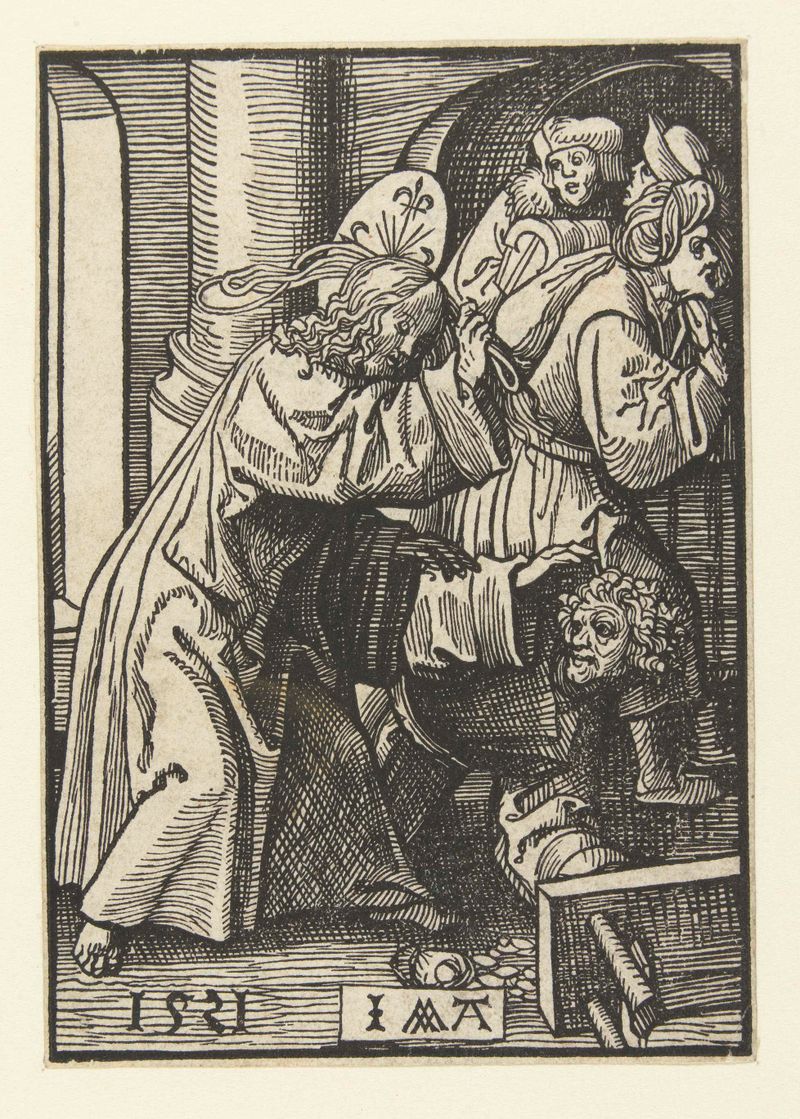
Verdrijving van de handelaren uit de tempel
Jacob Cornelisz van Oostsanen
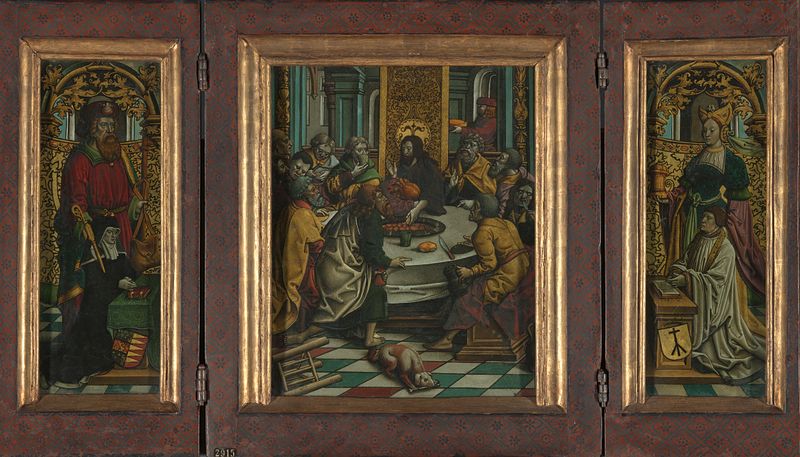
Triptych with the Last Supper and Donors
Jacob Cornelisz van Oostsanen
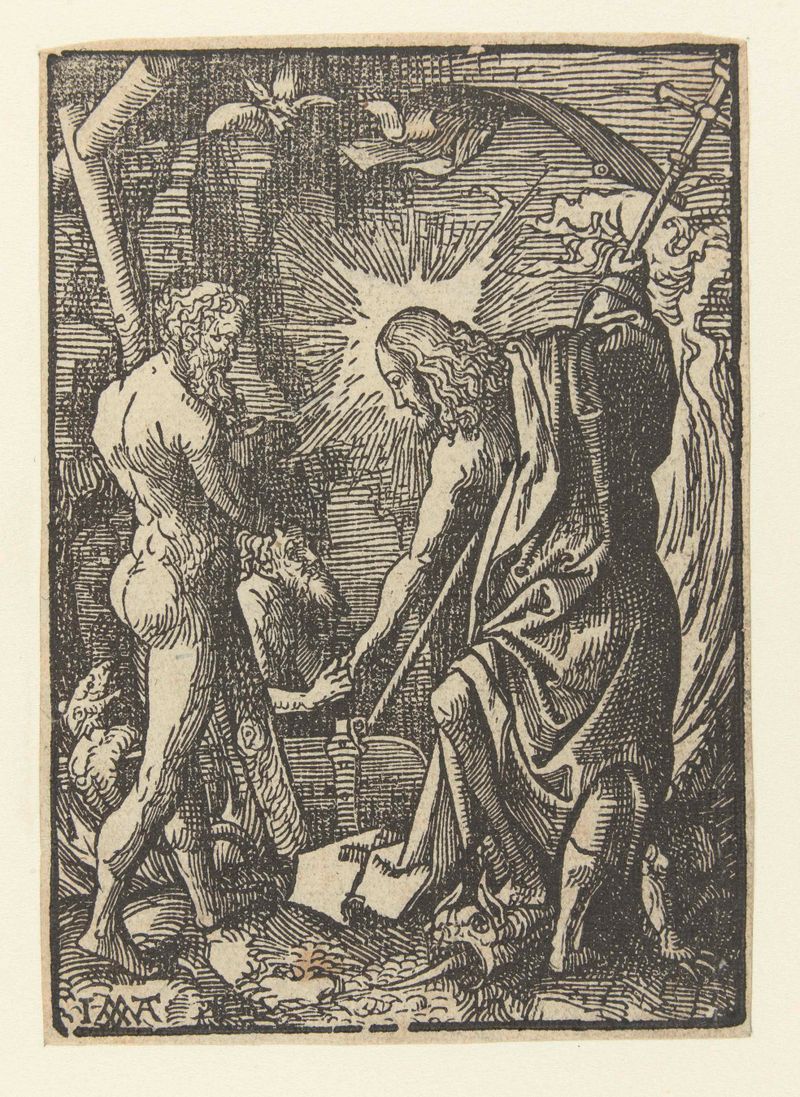
Christus in het voorgeborchte
Jacob Cornelisz van Oostsanen
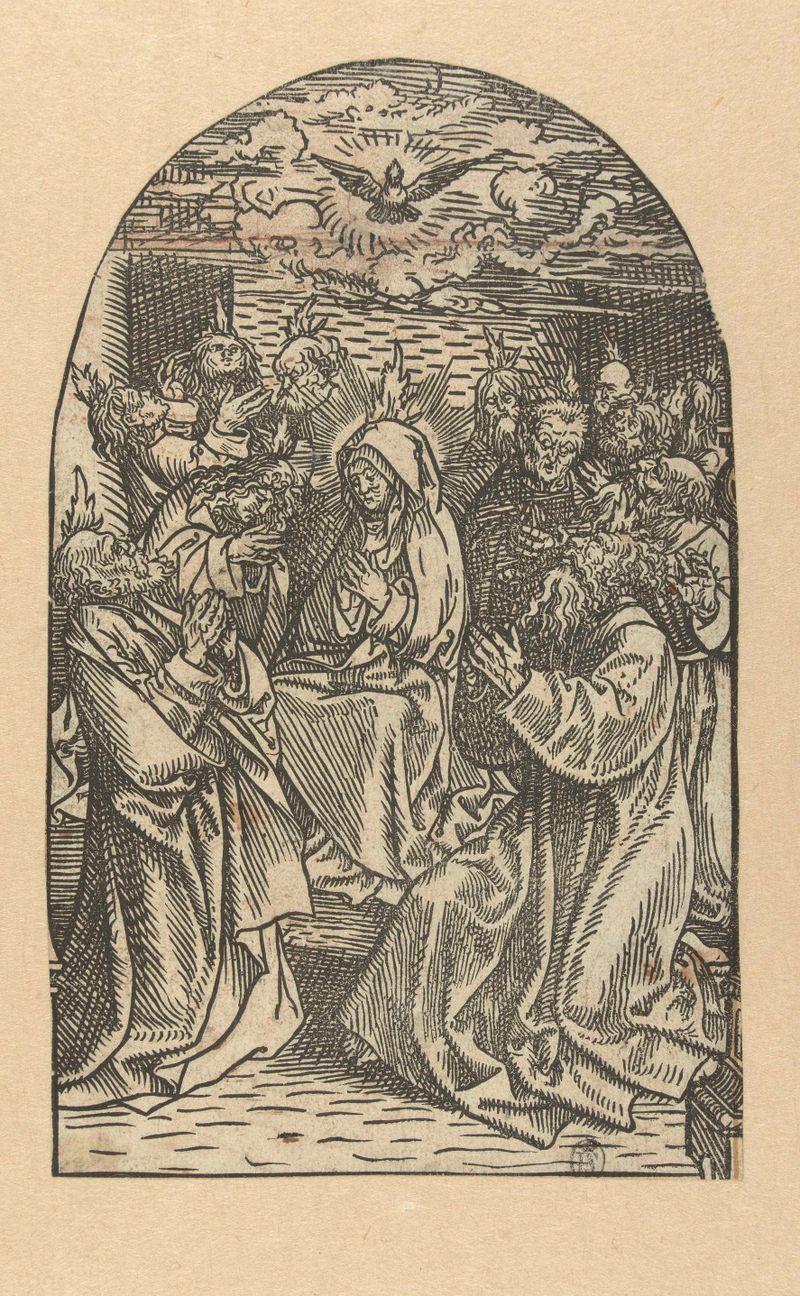
Uitstorting van de Heilige Geest
Jacob Cornelisz van Oostsanen
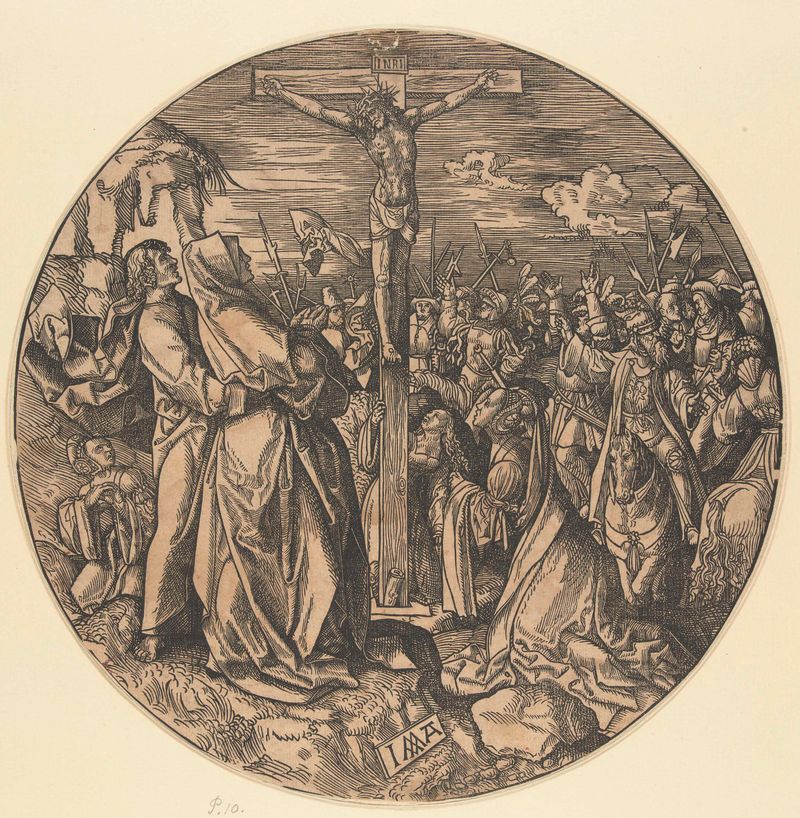
Christus aan het kruis
Jacob Cornelisz van Oostsanen

De kruisiging en de graflegging van Christus
Jacob Cornelisz van Oostsanen
More Religious Art
Browse all →
The Return of the Prodigal Son
Rembrandt van Rijn

The Garden of Earthly Delights
El Bosco

Count Orgaz’ funeral
El Greco

The Hundred Guilder Print: the central piece with Christ preaching, the plate arched
Rembrandt van Rijn

The Descent from the Cross
Rogier van der Weyden

The return of the prodigal son
Rembrandt van Rijn