
Abendliche Moorlandschaft — History & Facts
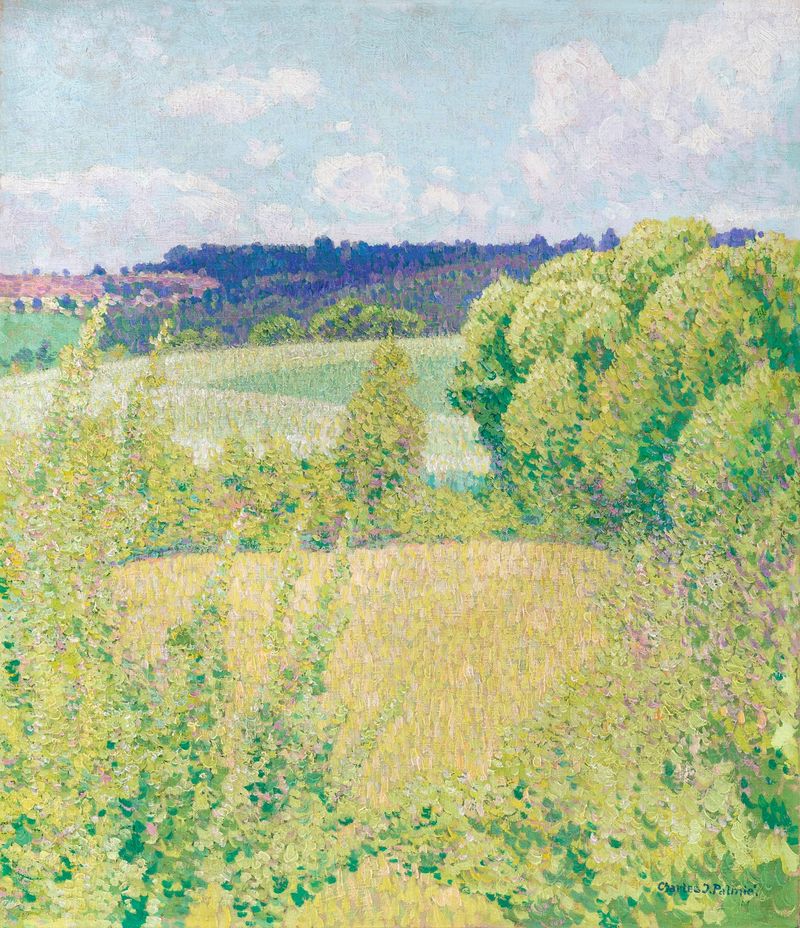
The interplay of hues in Abendliche Moorlandschaft whispers secrets of nature and the heart, where betrayal simmers beneath the surface. Look to the foreground, where the still waters of the moor reflect an impressionistic palette of deep greens and muted blues, inviting your gaze into the depths. Notice how the golden light of the setting sun bathes the landscape in a warm glow, playing against darkening shadows that creep in from the edges. These contrasts are not mere strokes of paint but deliberate choices that evoke an emotional landscape, suggesting both tranquility and hidden turmoil. The interplay between light and darkness invites contemplation of the dualities present in this scene.
While the vibrant sky suggests hope and serenity, the encroaching shadows hint at the unseen dangers that lurk in the wild. This tension between the peacefulness of the evening light and the looming darkness can symbolize trust shattered or relationships fractured, echoing the theme of betrayal within all serene facades. In 1899, while living in Germany, Charles Johann Palmié painted Abendliche Moorlandschaft during a period of personal upheaval, as the art world shifted towards modernism, leaving behind the comfort of the naturalistic tradition he embraced. This contrast in his artistic environment mirrors the emotional complexity in the work, where nature becomes a stage for conflicting feelings, akin to the artist’s own journey through changing times.
More Artworks by Charles Johann Palmié
Browse all →
Am Karlstor, München
Charles Johann Palmié

München bei Nacht – Marienplatz
Charles Johann Palmié
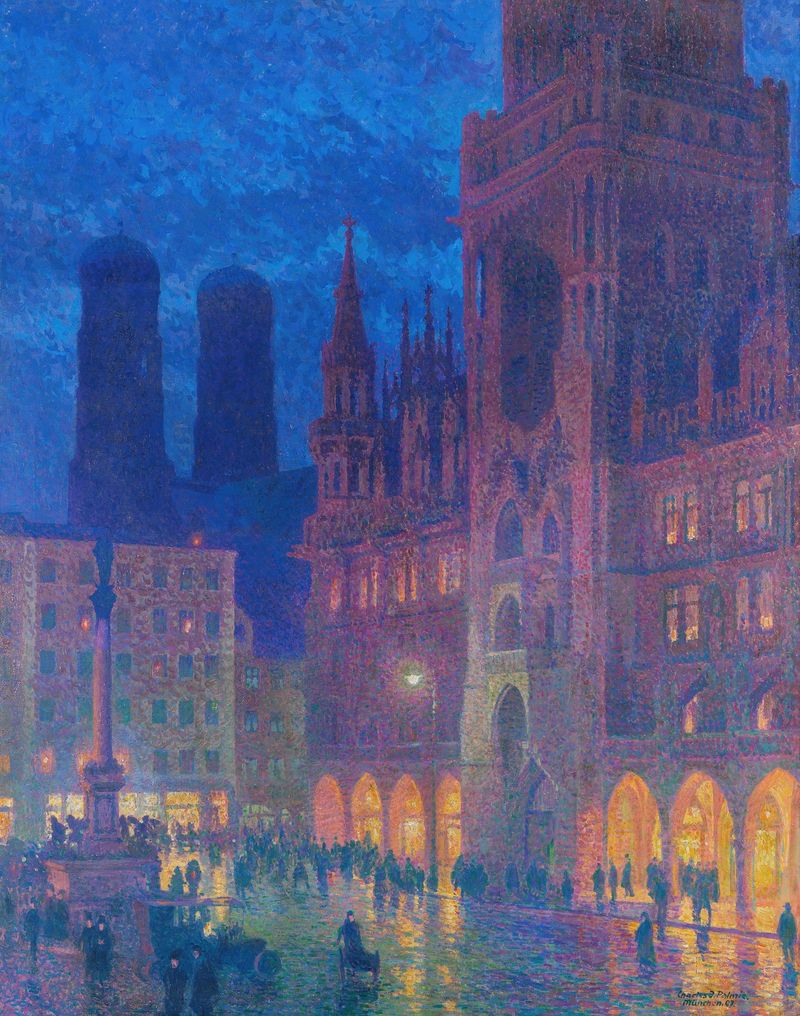
München, Marienplatz
Charles Johann Palmié

München, Marienplatz
Charles Johann Palmié

Blick über München mit dem Turm des neuen Rathauses
Charles Johann Palmié
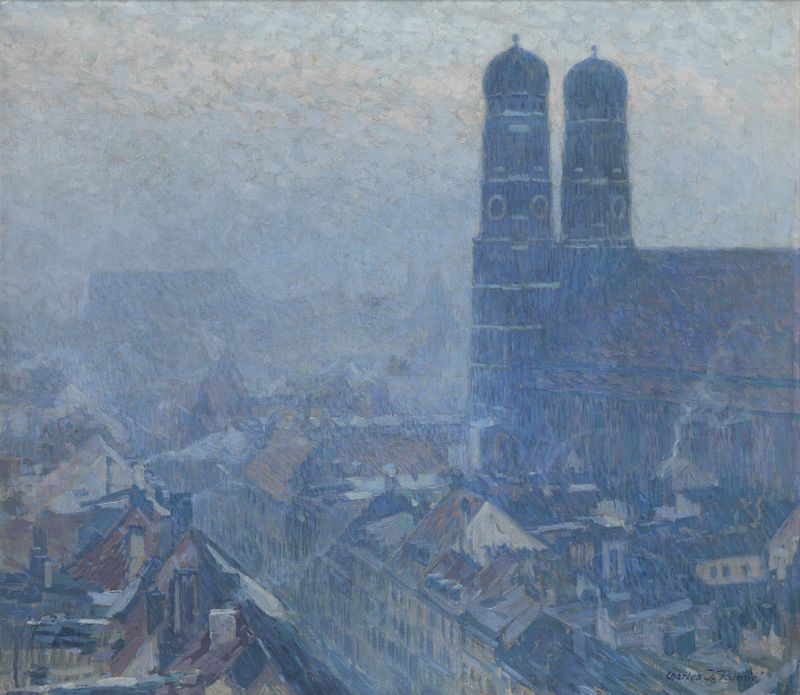
Blick über München mit der Frauenkirche
Charles Johann Palmié
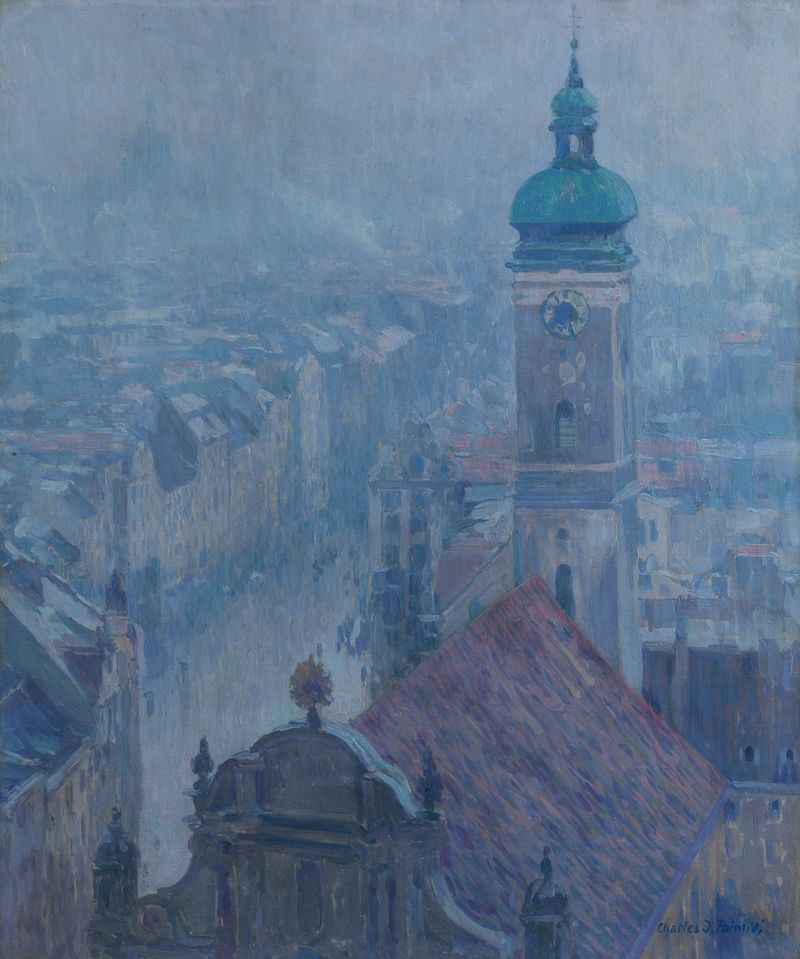
Blick auf München vom Alten Peter
Charles Johann Palmié

Pappelallee in Giverny
Charles Johann Palmié
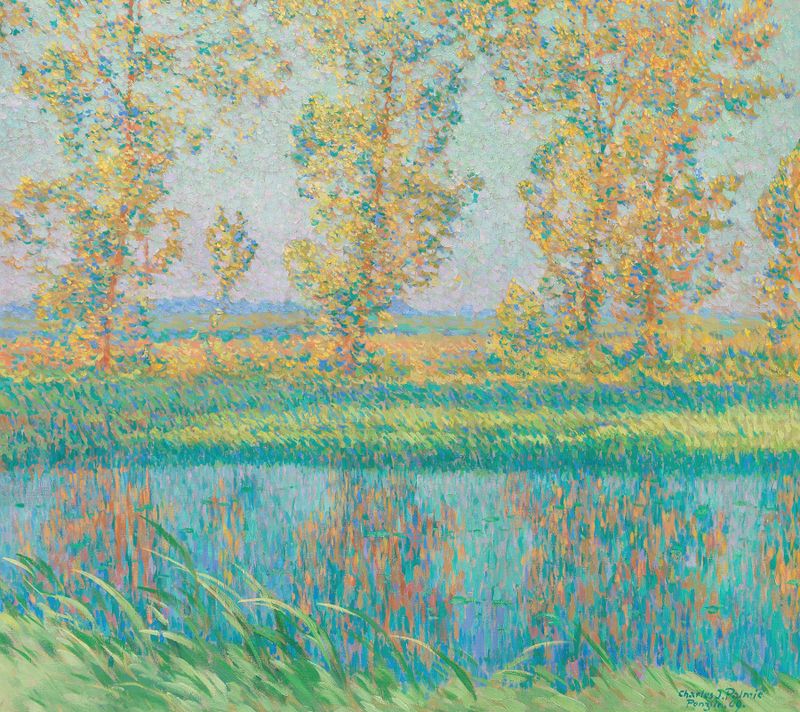
Sommerlandschaft
Charles Johann Palmié
Sommerlandschaft
Charles Johann Palmié





