
Abraham met Isaak en de weduwe van Zarfath — History & Facts
When did color learn to lie? In the interplay of vivid hues and stark contrasts, truth and illusion dance together, inviting the viewer to peel back layers of meaning hidden beneath the surface. Focus on the center of the canvas where the figure of Abraham stands, robed in deep reds and golds. Notice how the light catches on the textures of his garments, imparting a sense of weight and authority, while the delicate features of the widow from Zarephath radiate a more ethereal quality, her pale attire almost blending with the luminous background. The contrasting color palettes not only differentiate the characters but also symbolize their disparate spiritual journeys – one of sacrifice and the other of sustenance. Explore the intimate gestures within the painting: Abraham’s outstretched hand, cradling the delicate offering, speaks volumes of his paternal bond and faith.
The widow's wide eyes, filled with trepidation, hint at the duality of hope and despair that pervades her existence. This tension between giving and receiving underscores a larger narrative about the interplay of life and the divine, inviting viewers to reflect on their own experiences of sacrifice and redemption. Jacob Cornelisz van Oostsanen created this work between 1518 and 1522, a time marked by the Renaissance's flowering in the Low Countries. As the art world began shifting towards more human-centered themes and emotional depth, van Oostsanen embraced these changes, blending biblical scenes with contemporary sensibilities.
His engagement with innovative techniques and expressive storytelling positioned him as a significant figure in early Netherlandish painting, bridging tradition and the burgeoning humanism of the era.
More Artworks by Jacob Cornelisz van Oostsanen
Browse all →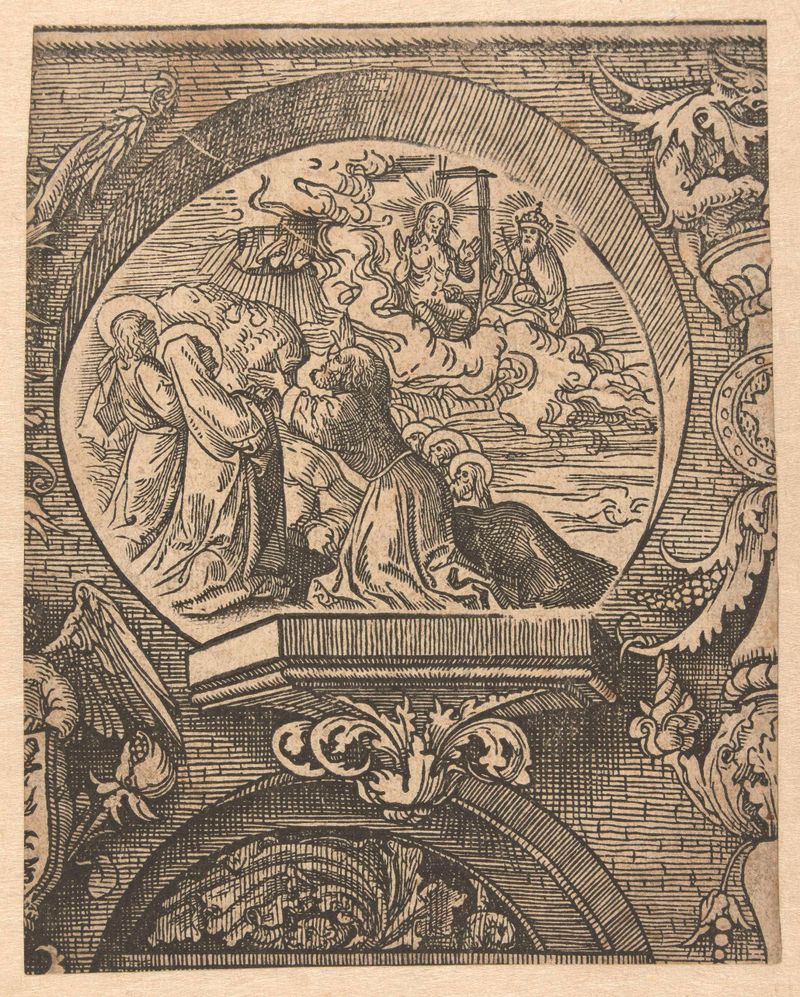
De hemelvaart en Christus voor God de Vader
Jacob Cornelisz van Oostsanen
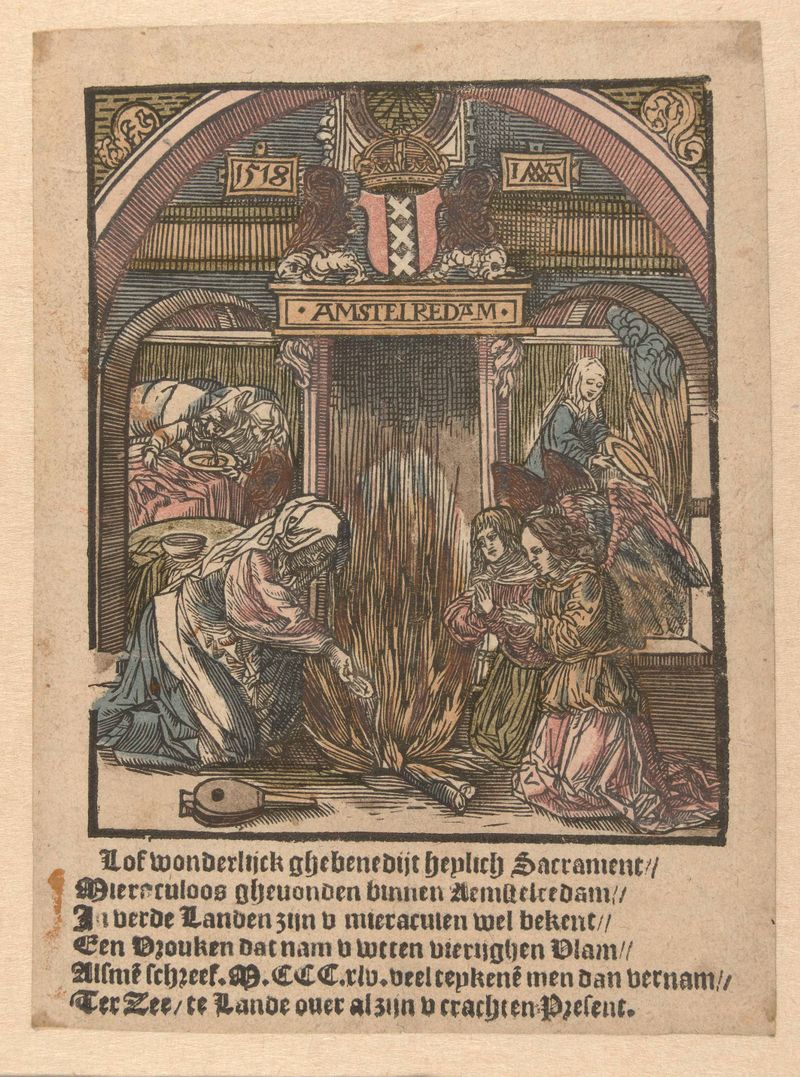
Het hostiewonder van Amsterdam
Jacob Cornelisz van Oostsanen
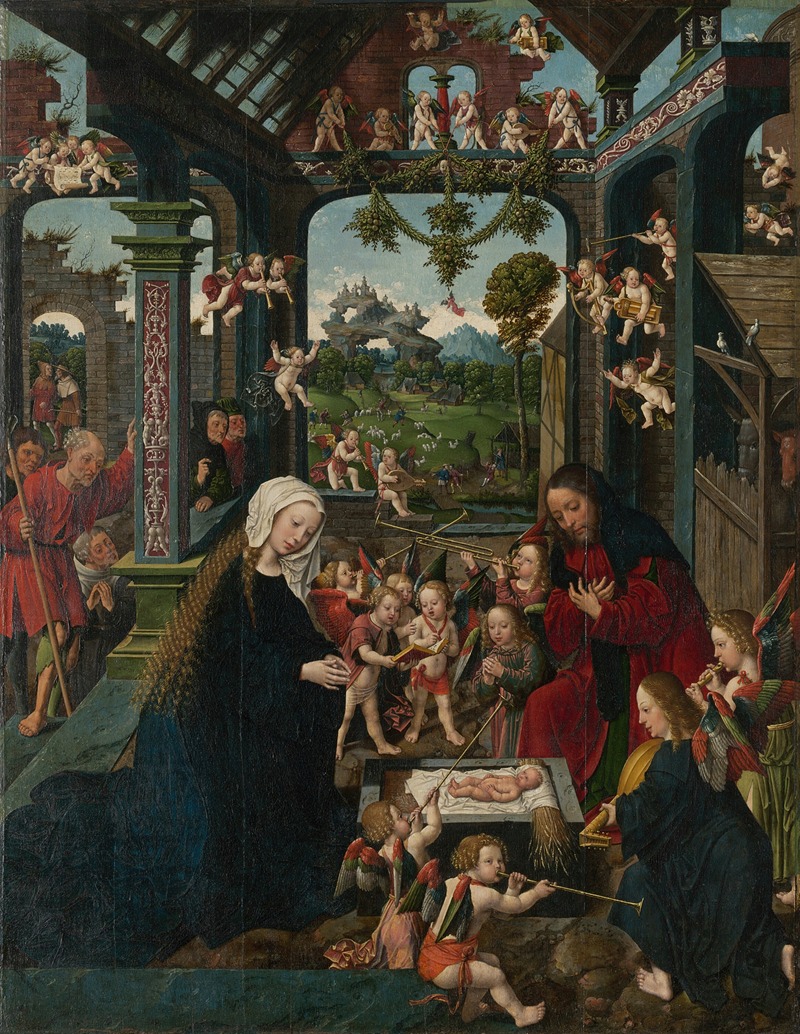
The Adoration of the Christ Child
Jacob Cornelisz van Oostsanen
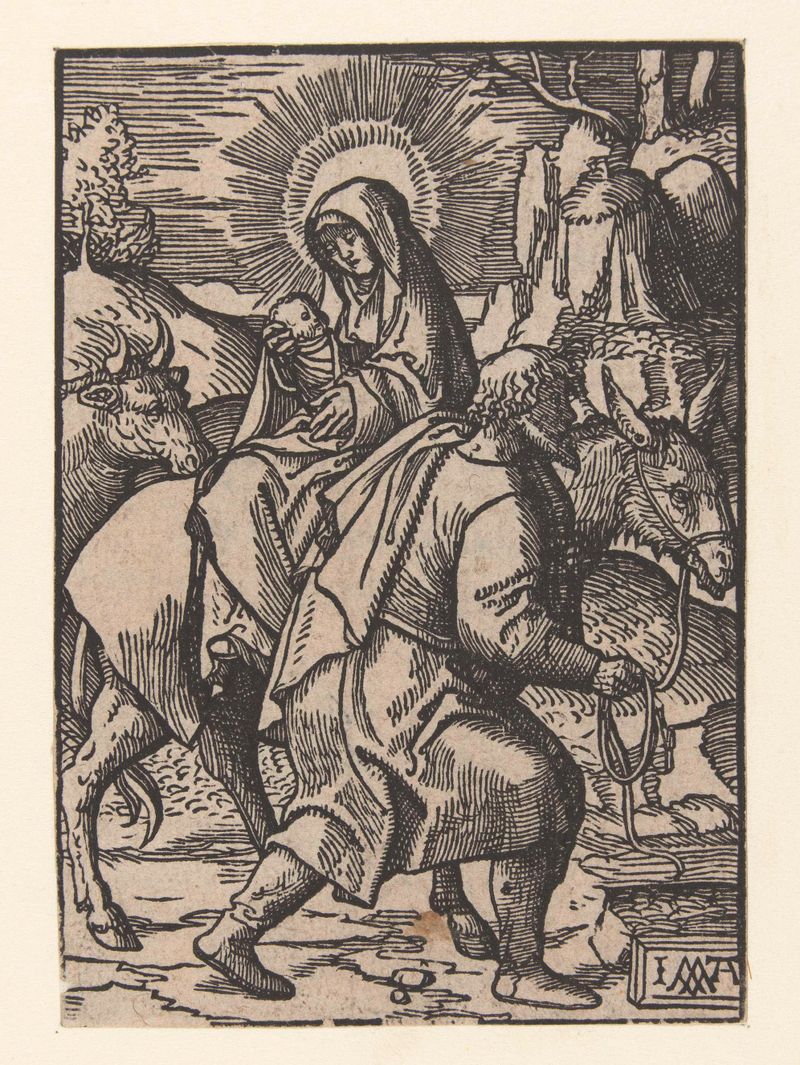
Vlucht naar Egypte
Jacob Cornelisz van Oostsanen
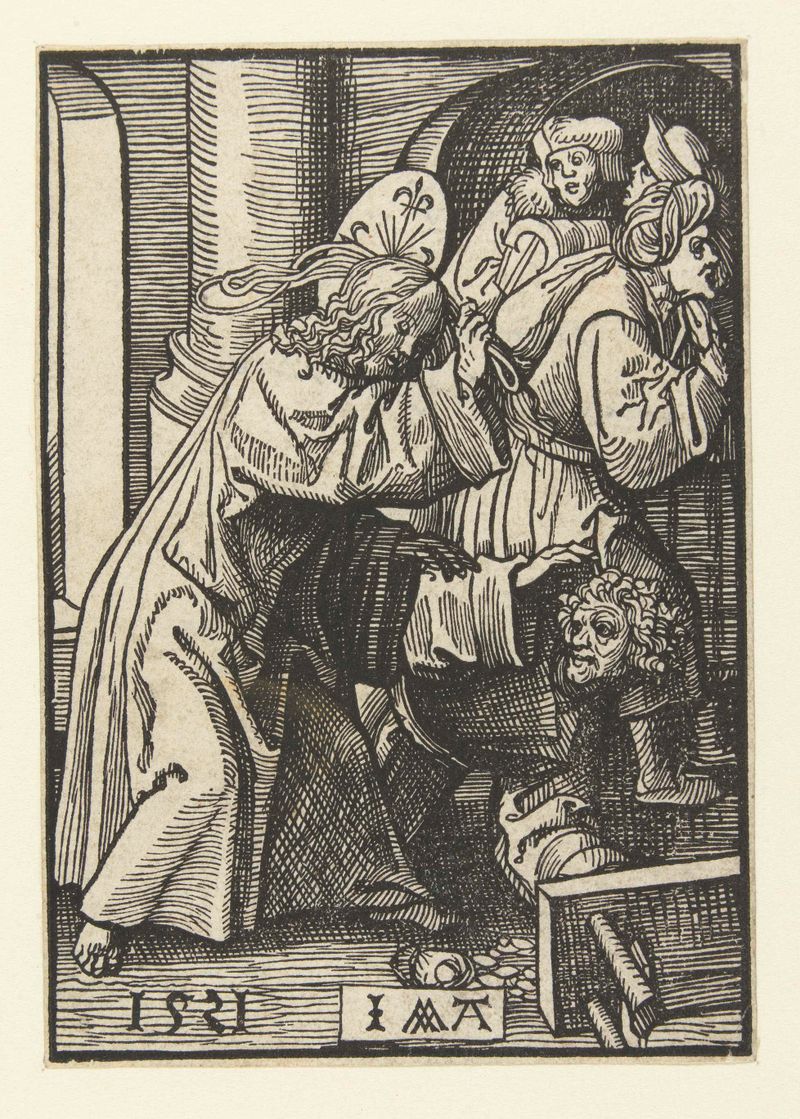
Verdrijving van de handelaren uit de tempel
Jacob Cornelisz van Oostsanen
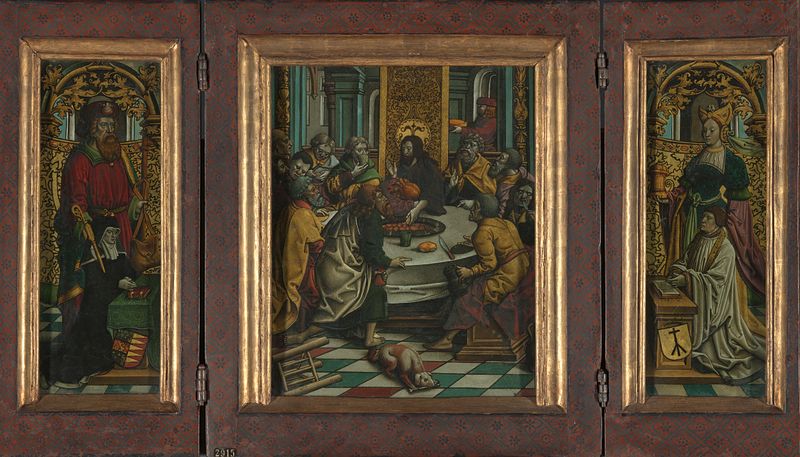
Triptych with the Last Supper and Donors
Jacob Cornelisz van Oostsanen
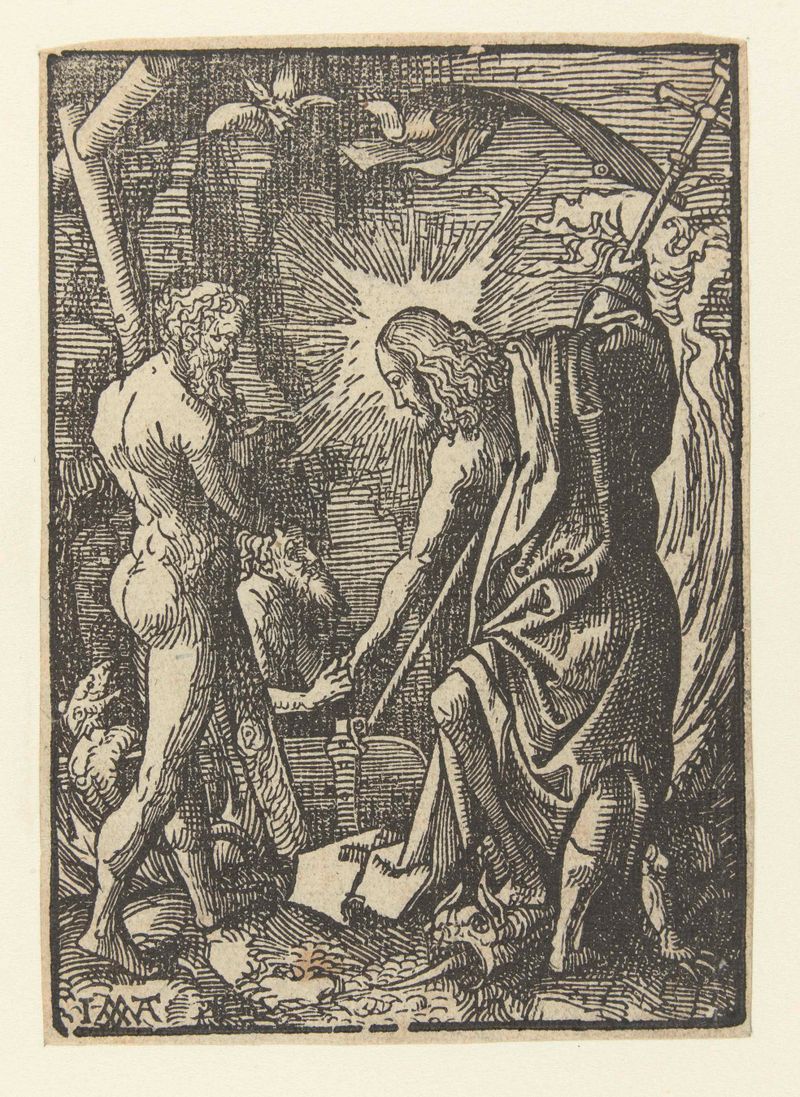
Christus in het voorgeborchte
Jacob Cornelisz van Oostsanen
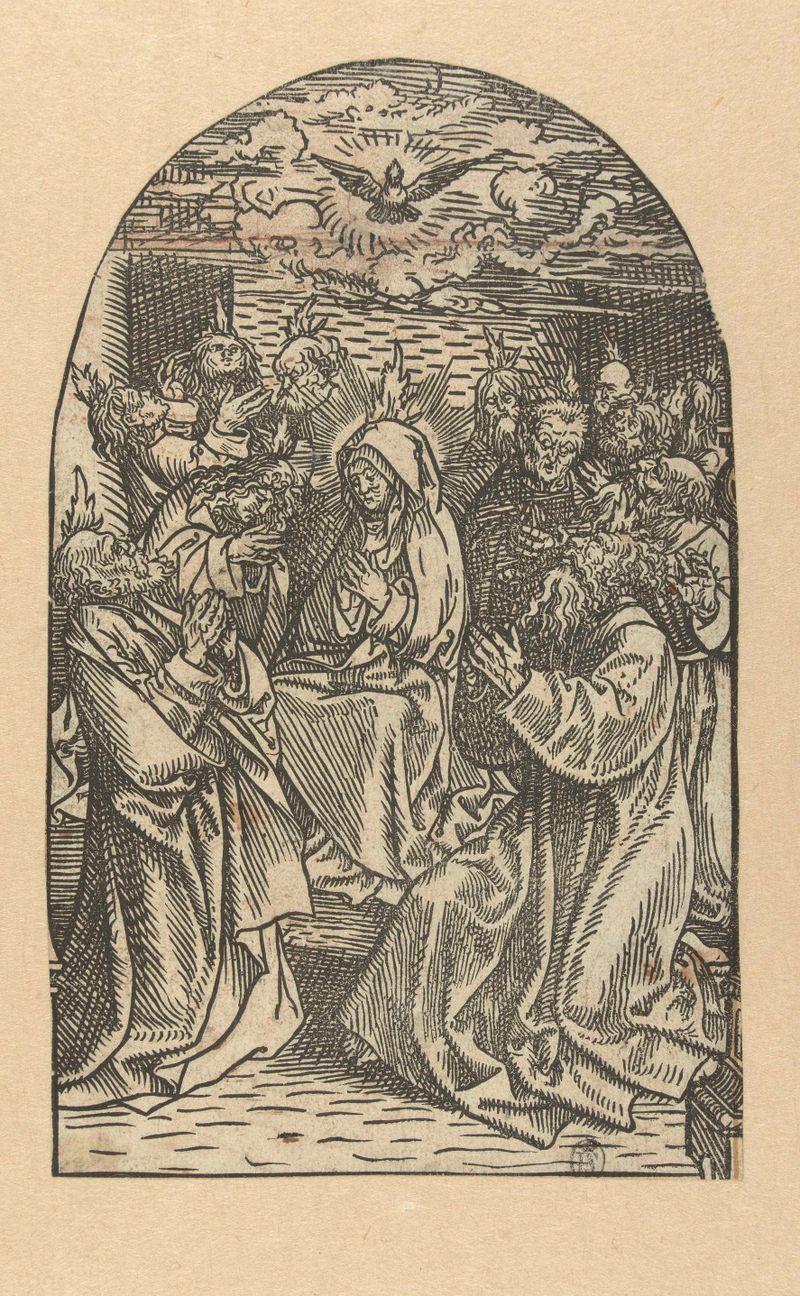
Uitstorting van de Heilige Geest
Jacob Cornelisz van Oostsanen
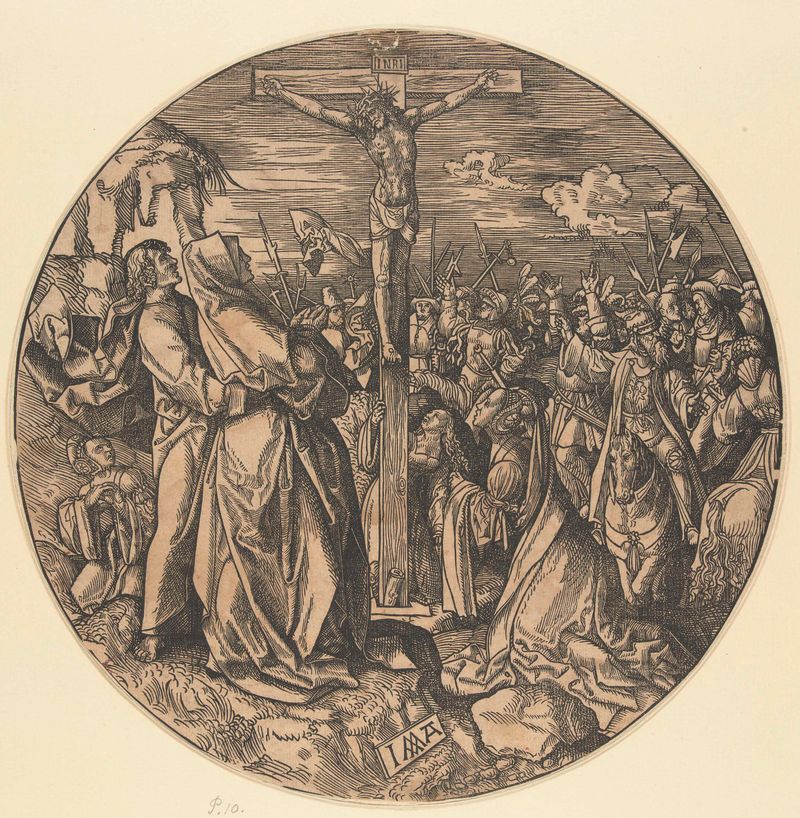
Christus aan het kruis
Jacob Cornelisz van Oostsanen

De kruisiging en de graflegging van Christus
Jacob Cornelisz van Oostsanen
More Religious Art
Browse all →
The Return of the Prodigal Son
Rembrandt van Rijn

The Garden of Earthly Delights
El Bosco

Count Orgaz’ funeral
El Greco

The Hundred Guilder Print: the central piece with Christ preaching, the plate arched
Rembrandt van Rijn

The Descent from the Cross
Rogier van der Weyden

The return of the prodigal son
Rembrandt van Rijn