
Abraham van (I) Strij Stilleven met bloemen, fruit en een hond DM 871 330 Dordrechts Museum — History & Facts
What first seizes the eye here is the improbable gathering of life and stillness: a small dog, alert and almost stepping out of the frame, stands sentinel over a riot of fruit, flowers, and a gleaming fishbowl, while a hunting rifle and a fallen bird hint at a more somber narrative just beneath the surface. The glass bowl, perched high and filled with goldfish, reflects the world around it with uncanny clarity, its delicate transparency a quiet boast of the painter’s skill. Look at the way the grapevine curls around the edge, the way the pineapple’s armor contrasts with the velvet petals of peonies, and how the dog’s gaze draws you into the scene—half guardian, half interloper.
Every object seems to jostle for attention, yet the composition holds together with a theatrical balance, the draped curtain behind lending a sense of staged abundance. This is a world born of the late eighteenth and early nineteenth centuries, when Dutch and Flemish still life painting had evolved into a celebration of both natural bounty and human achievement. Such paintings were often commissioned by prosperous citizens eager to display their taste, wealth, and knowledge of the wider world—exotic fruits, imported pets, and luxury objects all signaling status. The presence of the rifle and the dead bird recall the tradition of hunting still lifes, while the vibrant, living dog and the lively fishbowl introduce a note of energy and unpredictability.
Painted between 1768 and 1826 and now in the Dordrechts Museum, this work by Abraham van Strij (I) stands as a testament to an age when art, commerce, and curiosity were deeply intertwined. Let your gaze linger: every detail here is an invitation to reflect on what it meant to possess, to display, and to delight in the wonders of the visible world.
More Artworks by Abraham van Strij (I)

Abraham van (I) Strij Portret van Petronella van der Koogh (1788 89 1878), echtgenote van Jr. DM 017 1190 Dordrechts Museum
Abraham van Strij (I)

Abraham van (I) Strij Binnenhuis met vrouw en kind DM 847 42 Dordrechts Museum
Abraham van Strij (I)

Hendrik Weymans and his Family
Abraham van Strij (I)
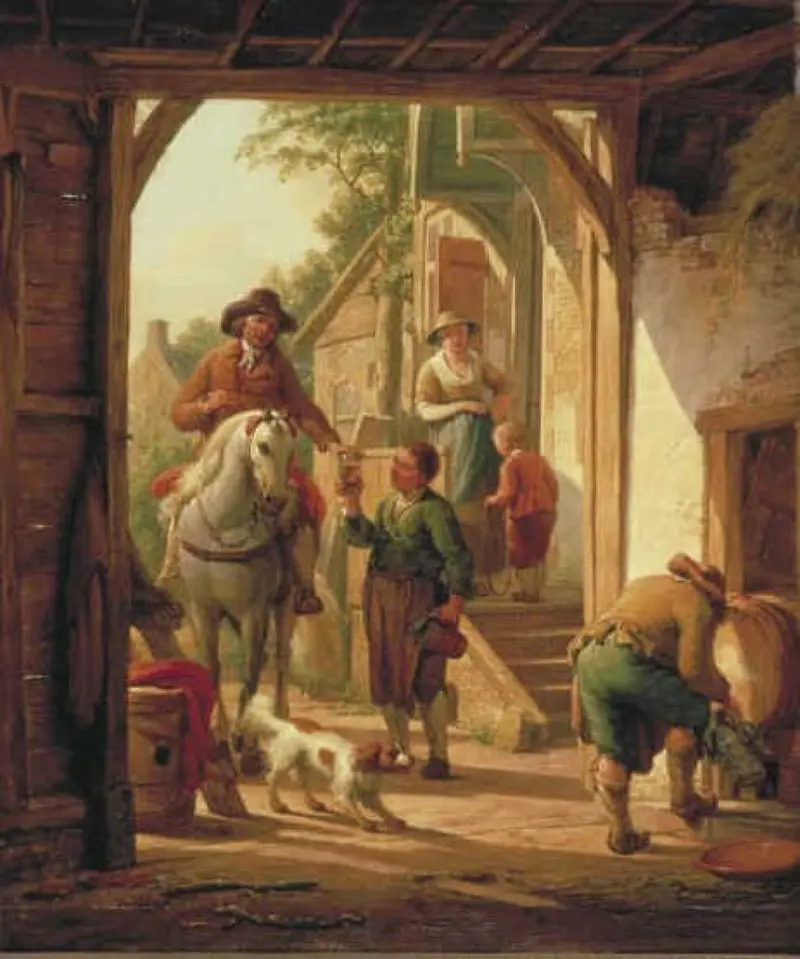
Horseman Resting near a Village Inn
Abraham van Strij (I)
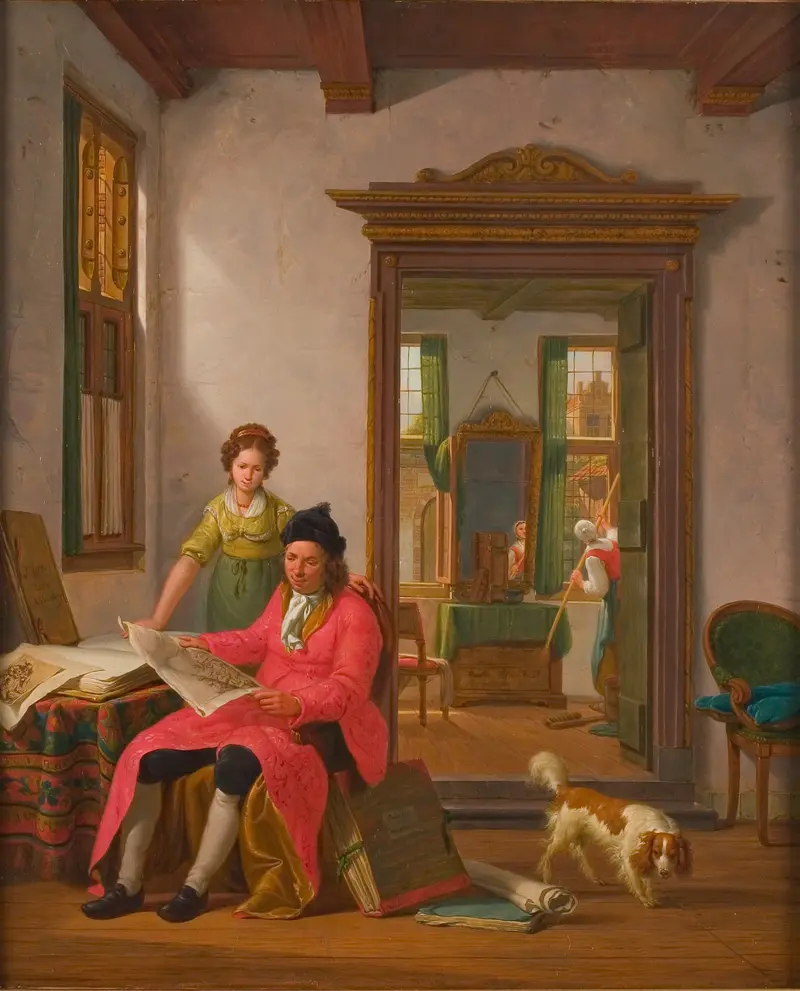
Portrait of an unknown man
Abraham van Strij (I)
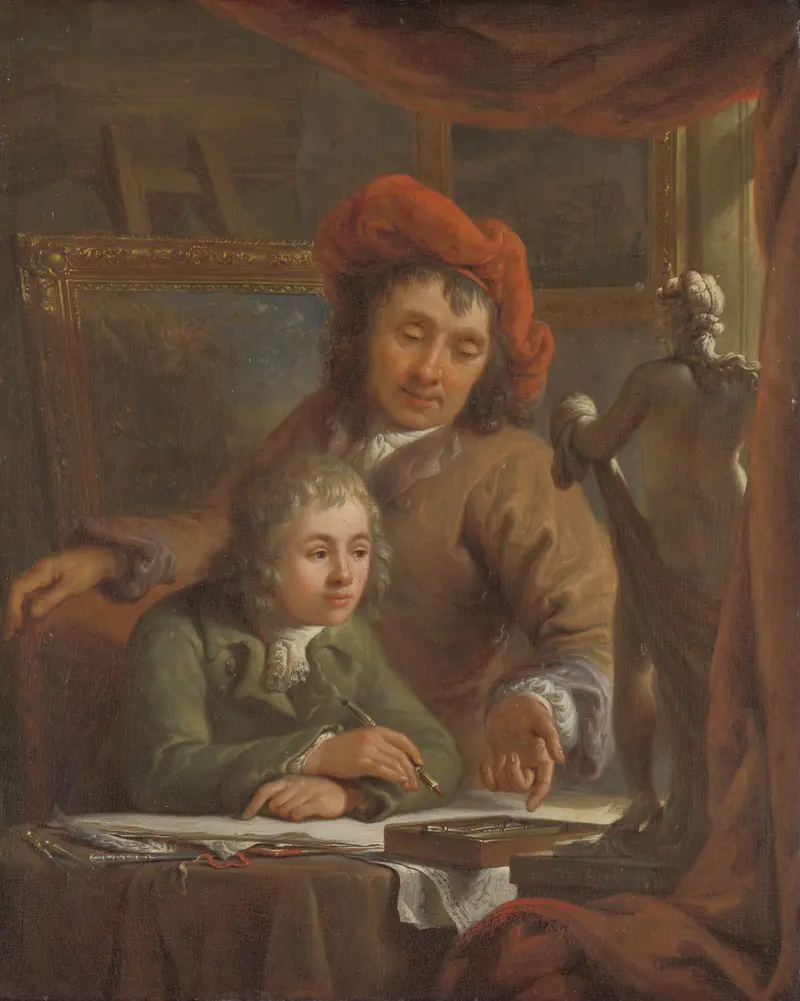
The Drawing Lesson
Abraham van Strij (I)
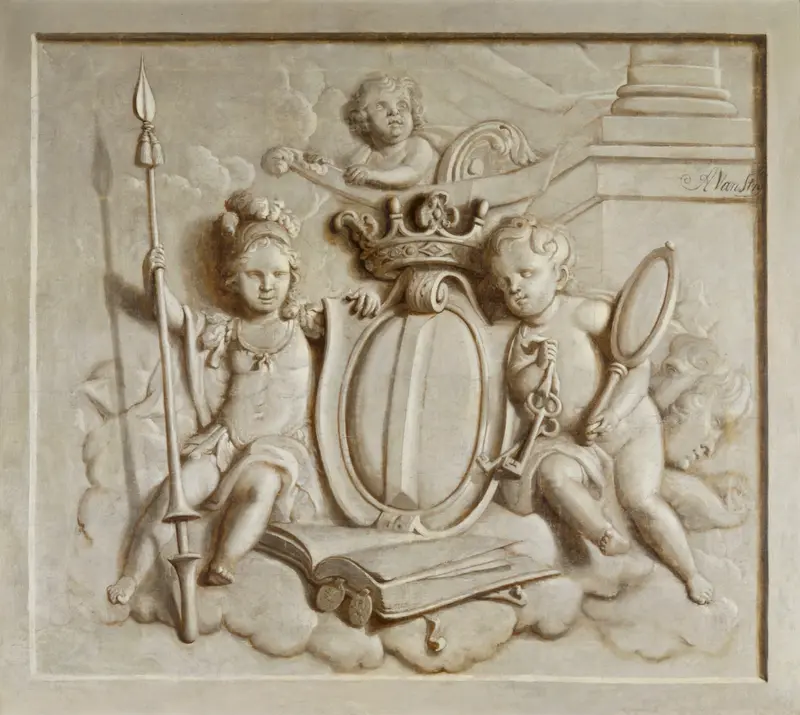
Abraham van (I) Strij Bovendeurstuk met allegorie op de stad Dordrecht DM 017 1188 Dordrechts Museum
Abraham van Strij (I)
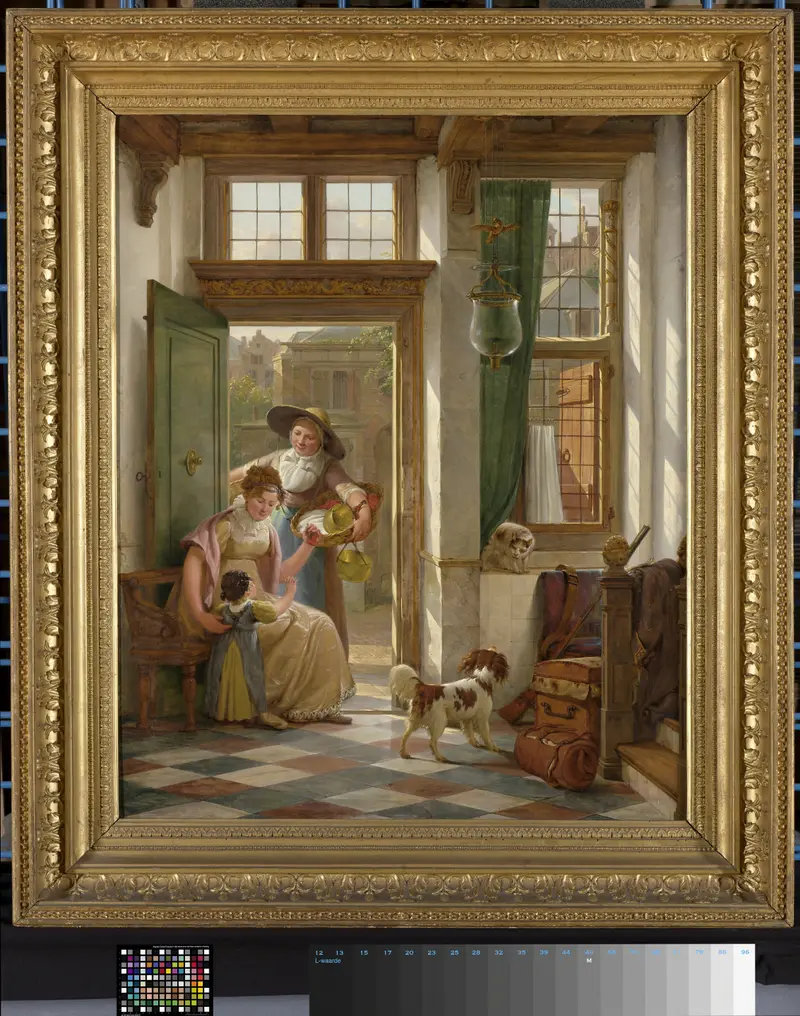
Een kersenverkoopster aan de deur
Abraham van Strij (I)
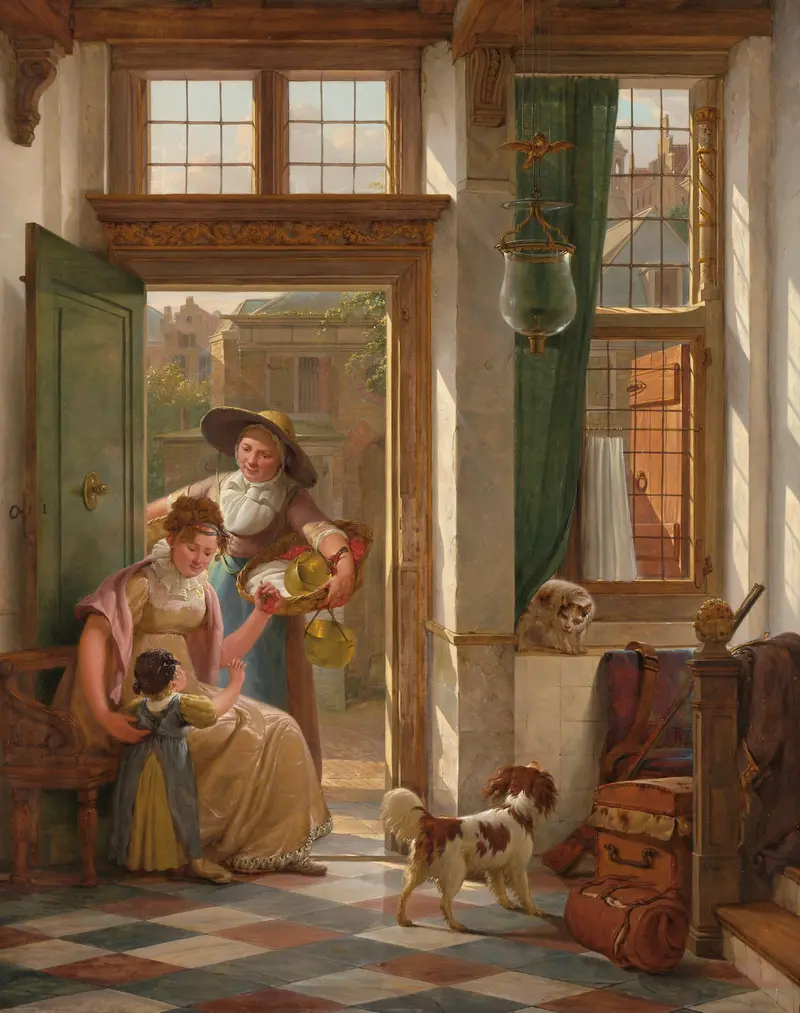
A Cherry Vendor at the Door
Abraham van Strij (I)
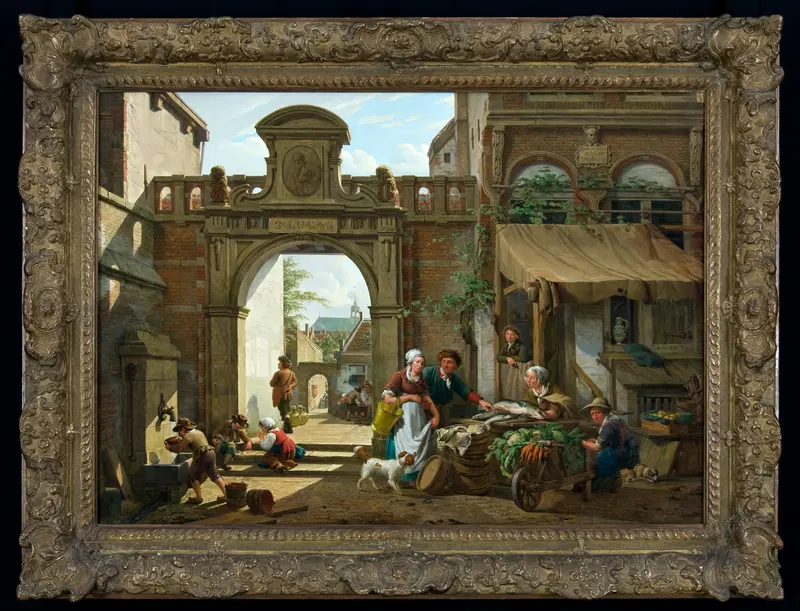
Abraham van (I) Strij Stadsgezicht met het gebouw van het St. Lucasgilde DM 010 950 Dordrechts Museum
Abraham van Strij (I)





