
Achan begraaft mantel en geld in grond onder zijn tent — History & Facts
Could a single brushstroke hold eternity? In Achan begraaft mantel en geld in grond onder zijn tent, the answer lies in the tension between greed and consequence, captured poignantly in the moment of concealment. Begin by focusing on the figure of Achan at the center, where the rich, earthy tones of the ground contrast sharply with the lavishness of the buried mantle and coins. Notice the deliberate placement of his hands—one clutching the treasure, the other pressing it into the soil—his motion speaks of urgency and guilt. The surrounding figures, depicted in muted colors, seem to linger in the periphery, their uncertain expressions reflecting the weight of unspoken judgments.
The background is subdued, allowing the viewer's gaze to settle on the moral crux of the act itself. Delving deeper, one cannot ignore the symbolic implications of Achan’s choices. The buried treasure represents not just material wealth, but the destructive nature of ambition and deceit. His hunched posture whispers of desperation, hinting at the impending doom that shadows his actions.
The tension between light and dark in the painting enhances this struggle, with illuminated areas signifying fleeting ecstasy, while shadowy corners suggest the creeping dread of discovery. In the mid-16th century, Cranach was deeply immersed in the Reformation's moral dilemmas, painting in Wittenberg, where Protestant ideals began reshaping society. During this time, the artist grappled with themes of sin and redemption, reflecting a world in transition. His work embodies not only the act of an individual but also the changing tides of an era, infusing a simple narrative with profound existential weight.
More Artworks by Lucas Cranach (I)
Browse all →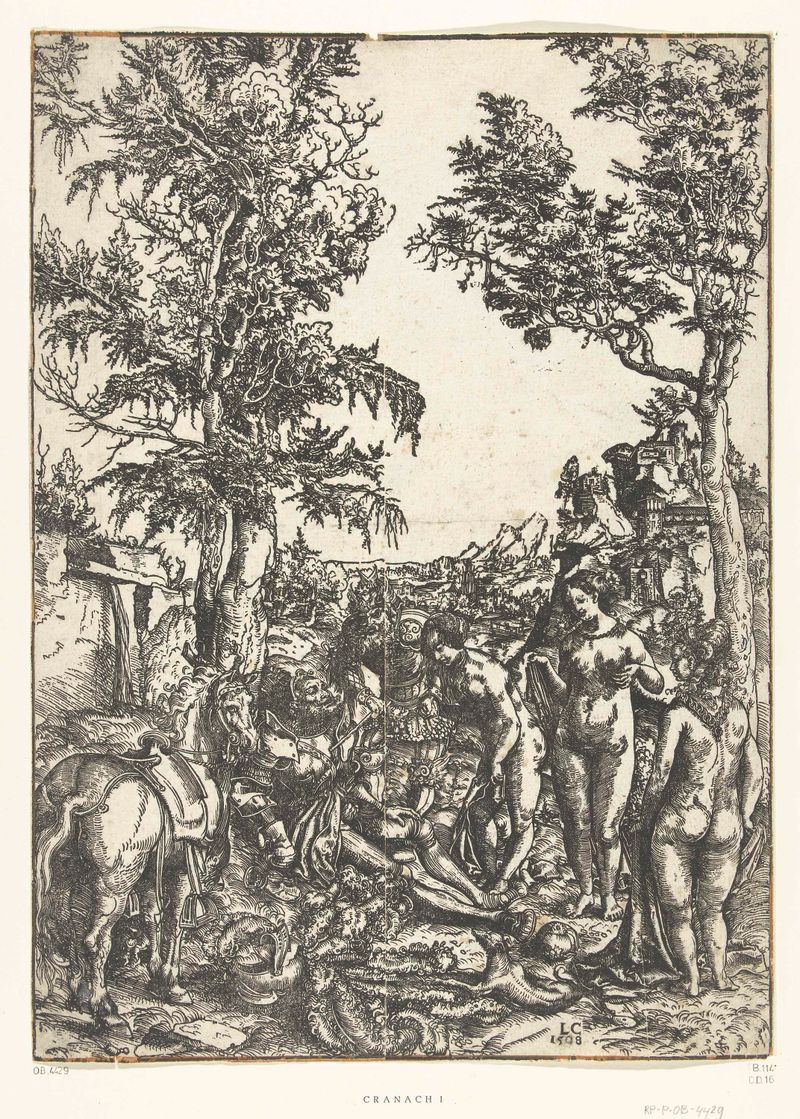
Oordeel van Paris
Lucas Cranach (I)
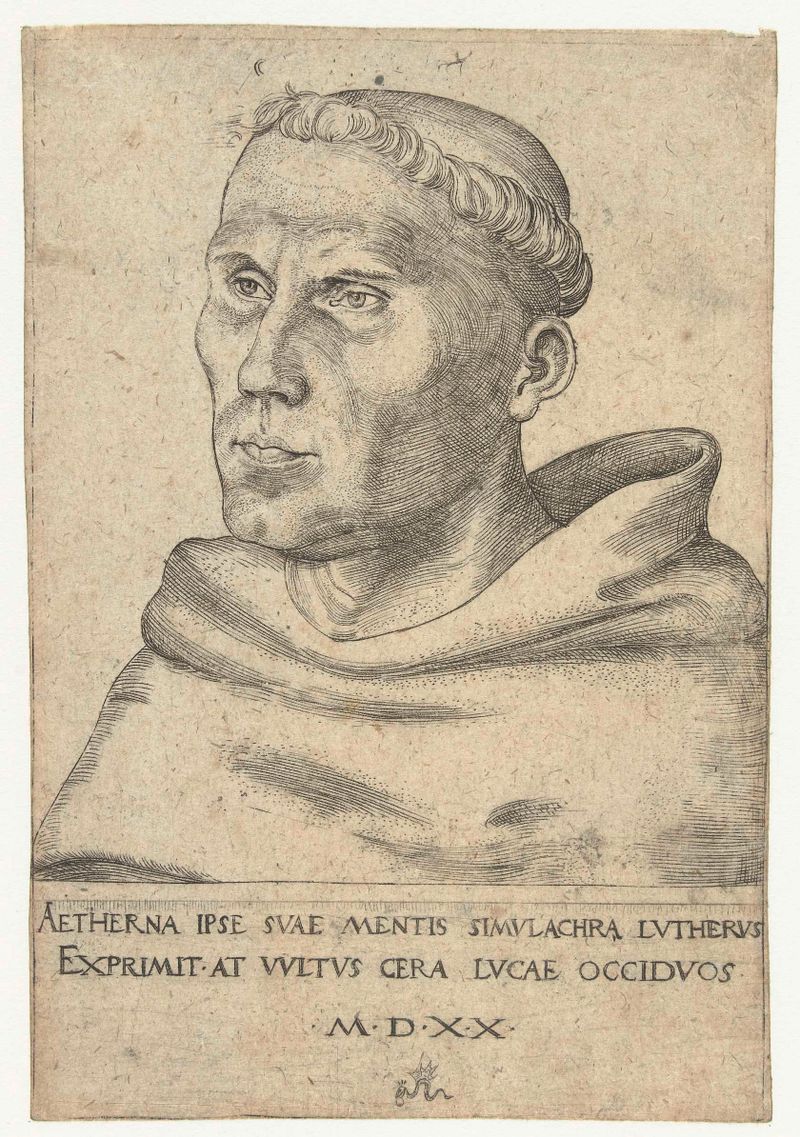
Portret van Martin Luther als Augustijner monnik
Lucas Cranach (I)
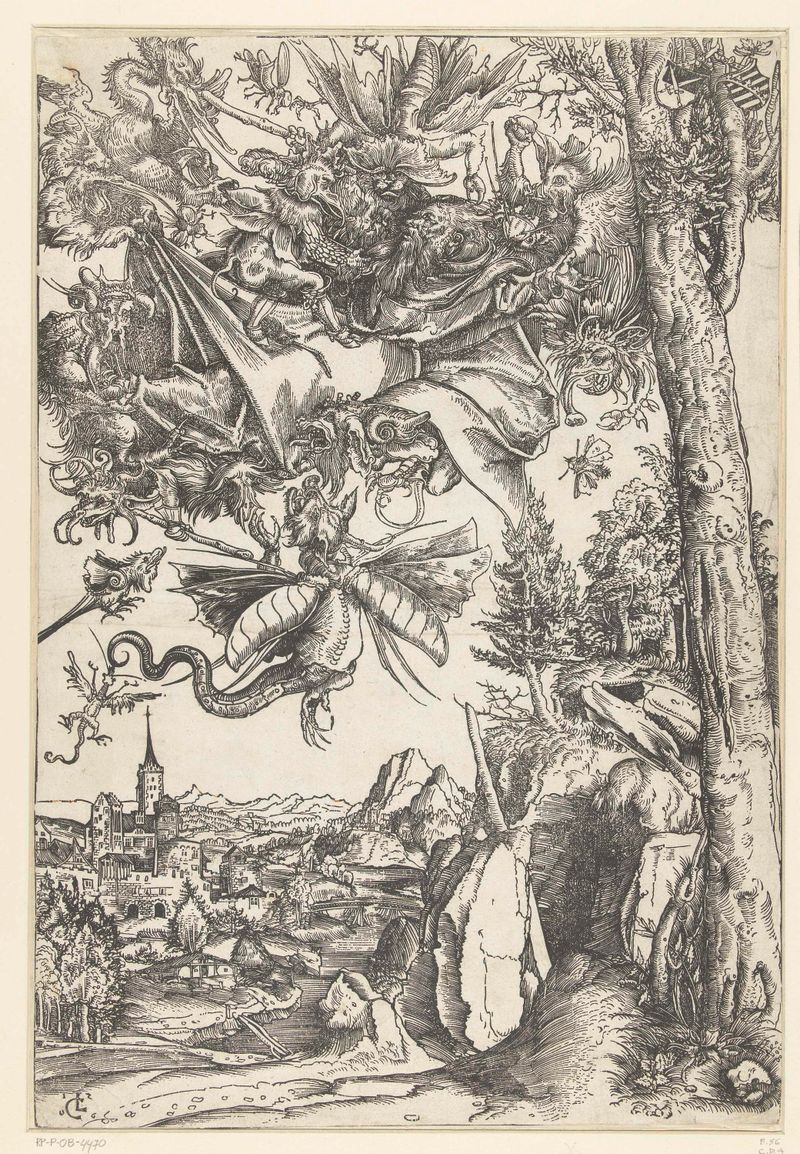
Verzoeking van Antonius met aanval door demonen
Lucas Cranach (I)

Christus en de Samaritaanse vrouw
Lucas Cranach (I)

Duits toernooi met twee edelmannen als ridders te paard
Lucas Cranach (I)
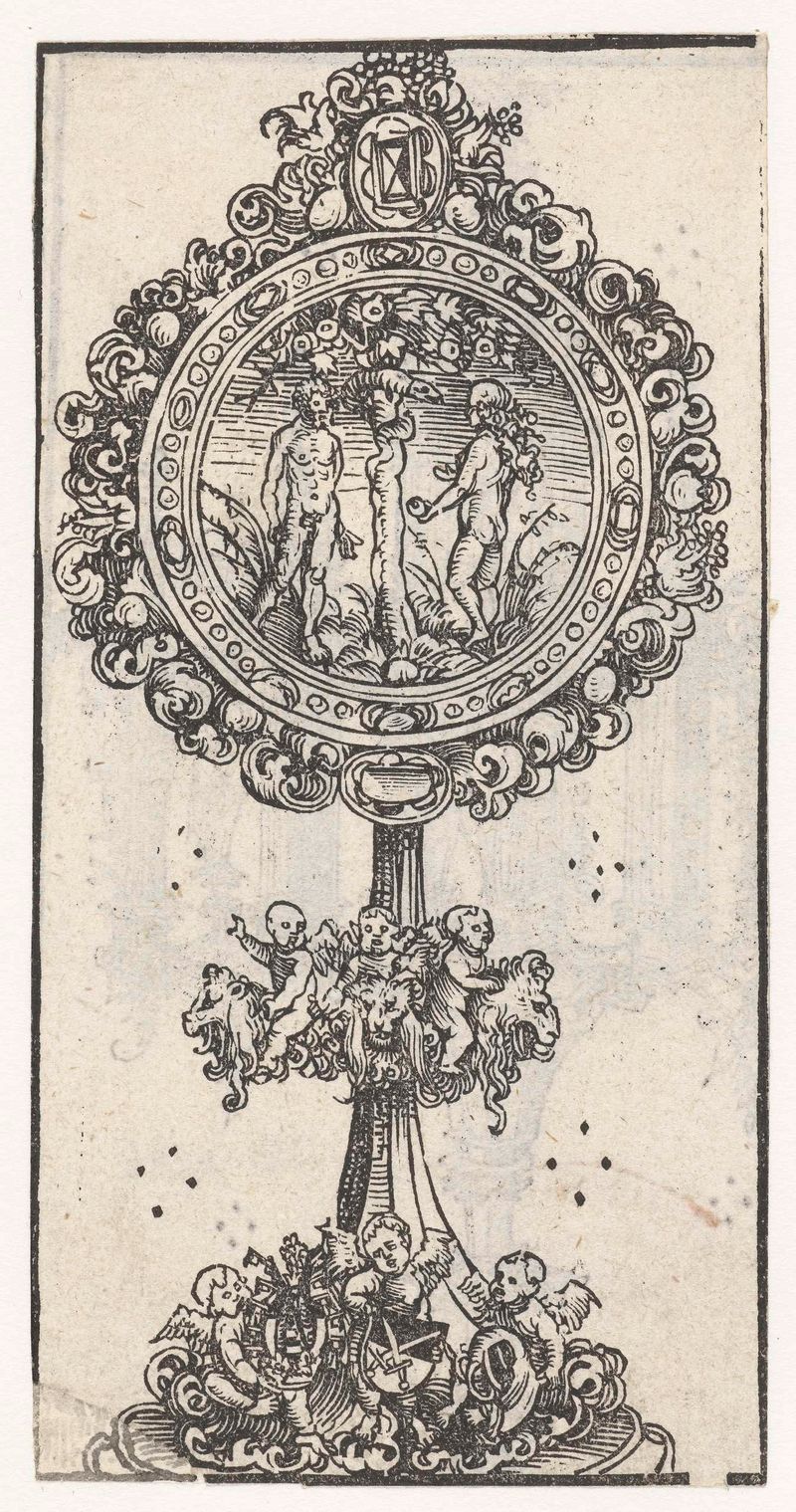
Reliekhouder met de verzoeking van Adam en Eva
Lucas Cranach (I)

Intocht van Christus in Jerusalem
Lucas Cranach (I)
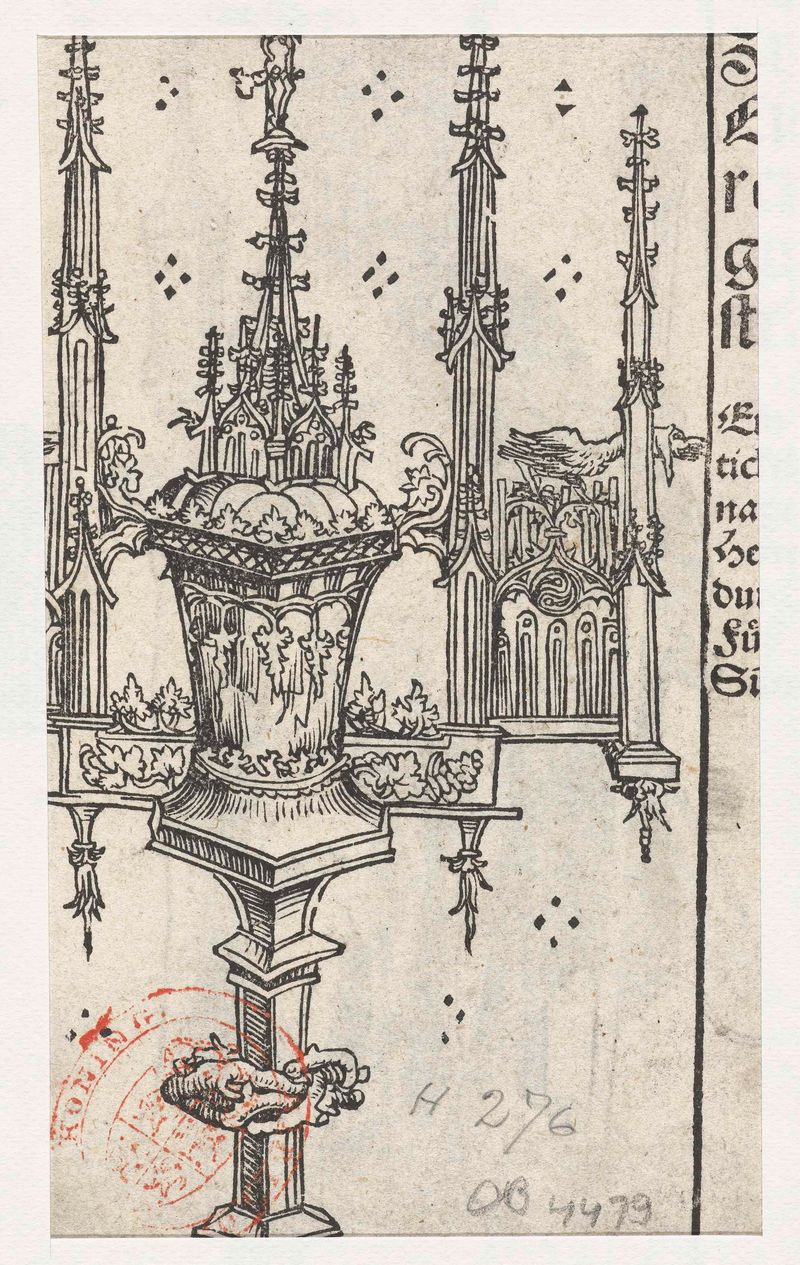
Monstrans met vogel (pelikaan)
Lucas Cranach (I)
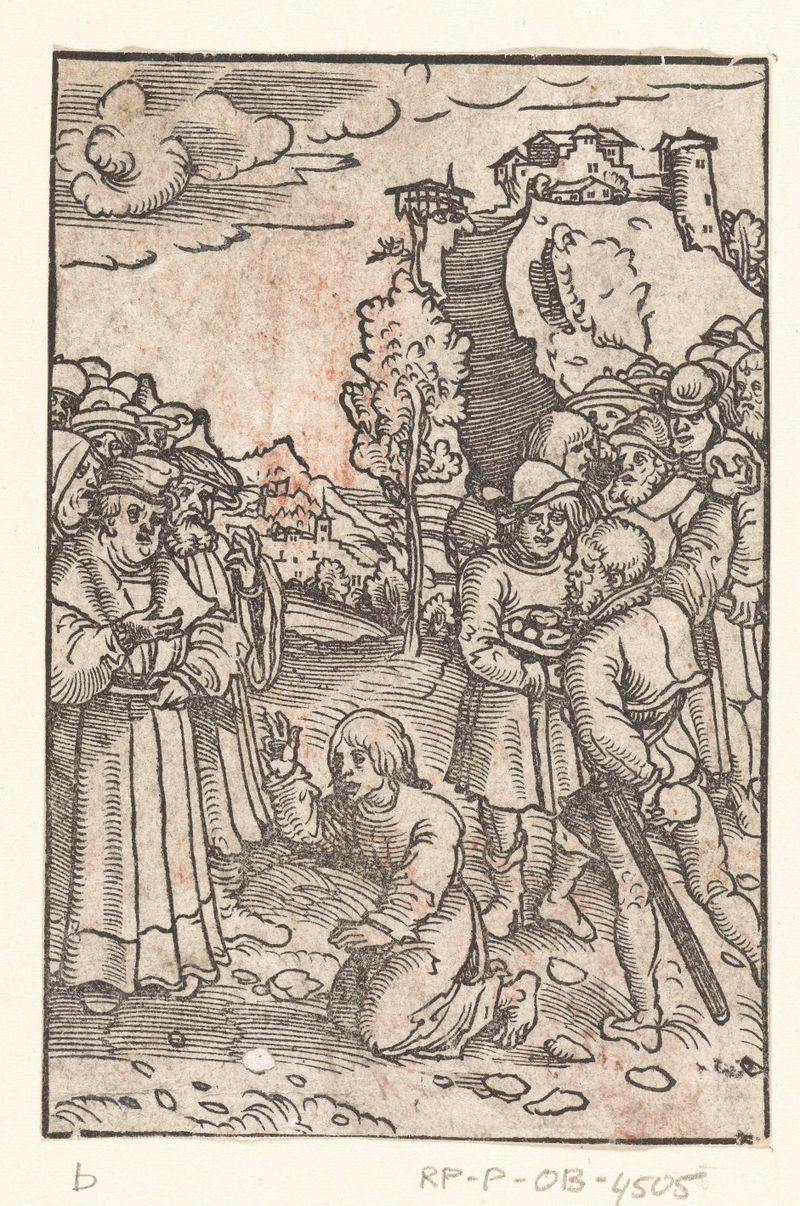
Steniging van Stefanus
Lucas Cranach (I)
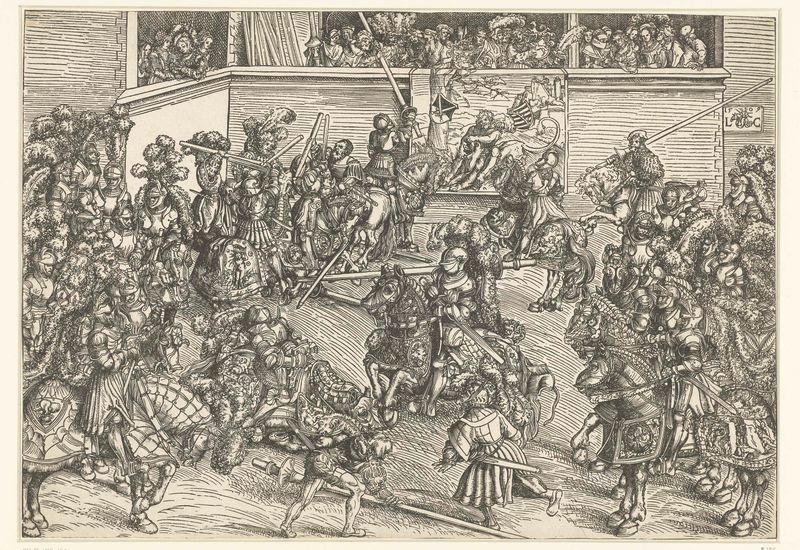
Toernooi van het keurvorstelijk hof van Saksen met wandtapijt Simson doodt de leeuw
Lucas Cranach (I)
More Historical Art
Browse all →
The Night Watch Militia Company of District II under the Command of Captain Frans Banninck Cocq
Rembrandt van Rijn

Lincoln Memorial
Henry Bacon

The Third of May 1808
Francisco de Goya

Isaac and Rebecca, Known as ‘The Jewish Bride’
Rembrandt van Rijn

The Charge of the Mamelukes (1814)
Francisco de Goya

De vier ruiters van de apocalyps
Albrecht Dürer