
Achtertuin bij nacht — History & Facts
When did color learn to lie? Beneath the veil of night, longing dances in the shadows, whispering secrets only the heart can hear. Look to the deep blues and purples that envelop the scene, inviting the viewer into an intimate nocturnal embrace. Notice how the soft brushstrokes blend into one another, creating a dreamlike quality that softens the edges of reality. The few flickers of light from the windows subtly punctuate the darkness, drawing your eye toward the hidden lives that pulse within the depths of this garden. In this lush yet quiet space, the interplay of light and shadow evokes a sense of yearning, revealing a contrast between solitude and connection.
The lush foliage, rich and textured, stands in stark juxtaposition to the faint hints of warmth emanating from the distant windows, igniting a desire for closeness. Each element resonates with the viewer's own experience of longing, as if the garden itself holds the weight of unexpressed emotions. Created during the period between 1911 and 1931, the artist found himself amidst significant changes in the world of art, moving toward modernist explorations. During this time, Hendriks was transitioning from traditional approaches while still deeply influenced by impressionism.
His works reflect the struggles and desires of an artist seeking to capture the ephemeral beauty of fleeting moments, which would speak to the emotions of many in a rapidly changing world.
More Artworks by Arend Hendriks
Browse all →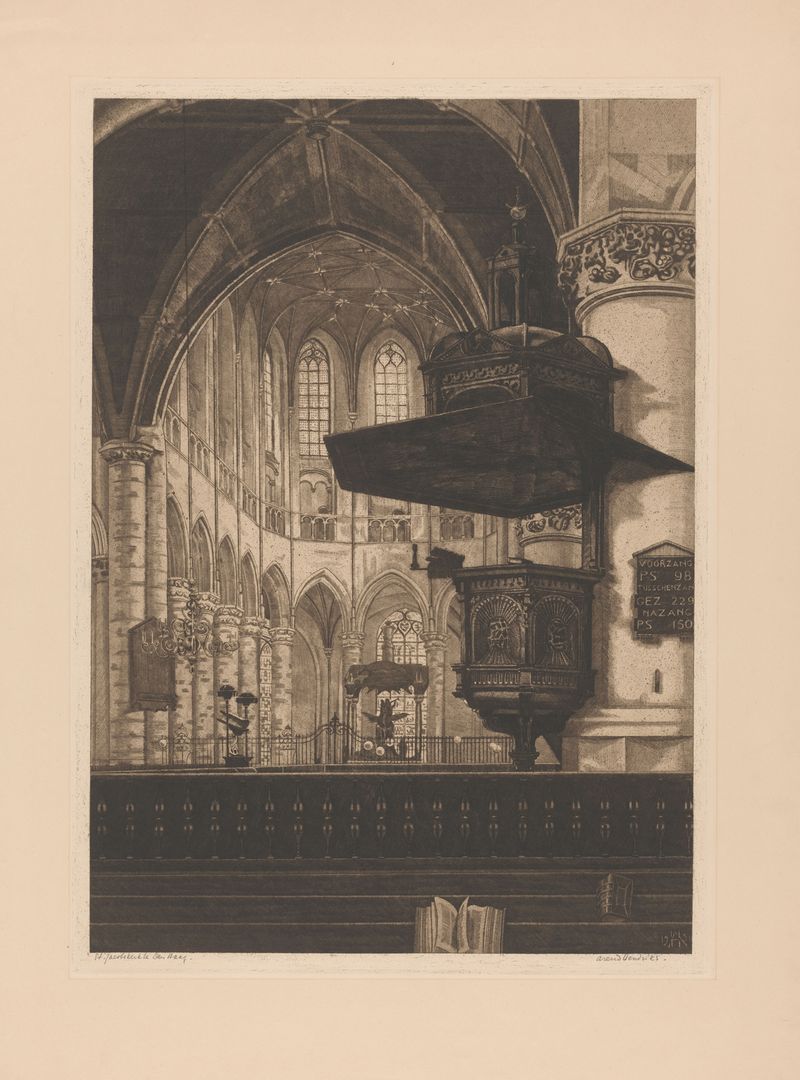
St. Jacobskerk te Den Haag
Arend Hendriks

Landschap met bloemen
Arend Hendriks
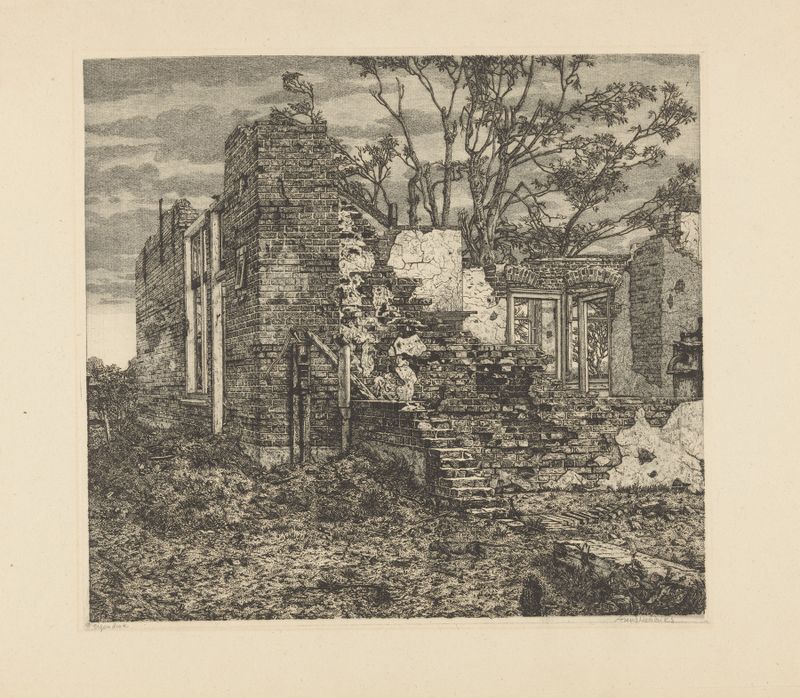
Ruïne van een huis
Arend Hendriks
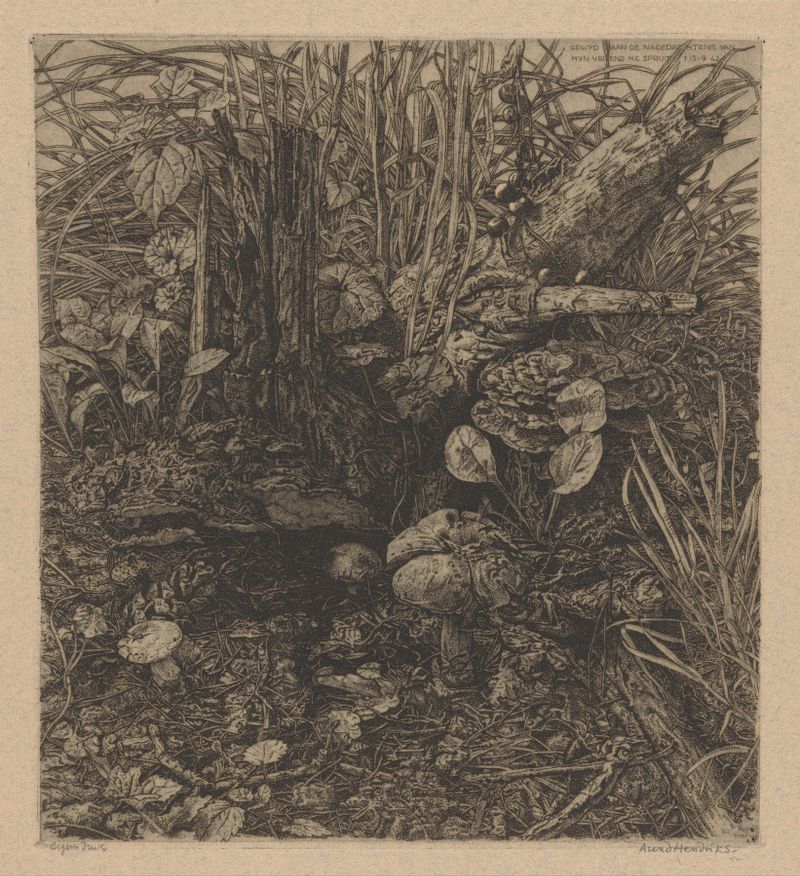
Paddenstoelen bij een boomstronk
Arend Hendriks

Gezicht op Huis ten Bosch, RP-P-2014-83-65
Arend Hendriks
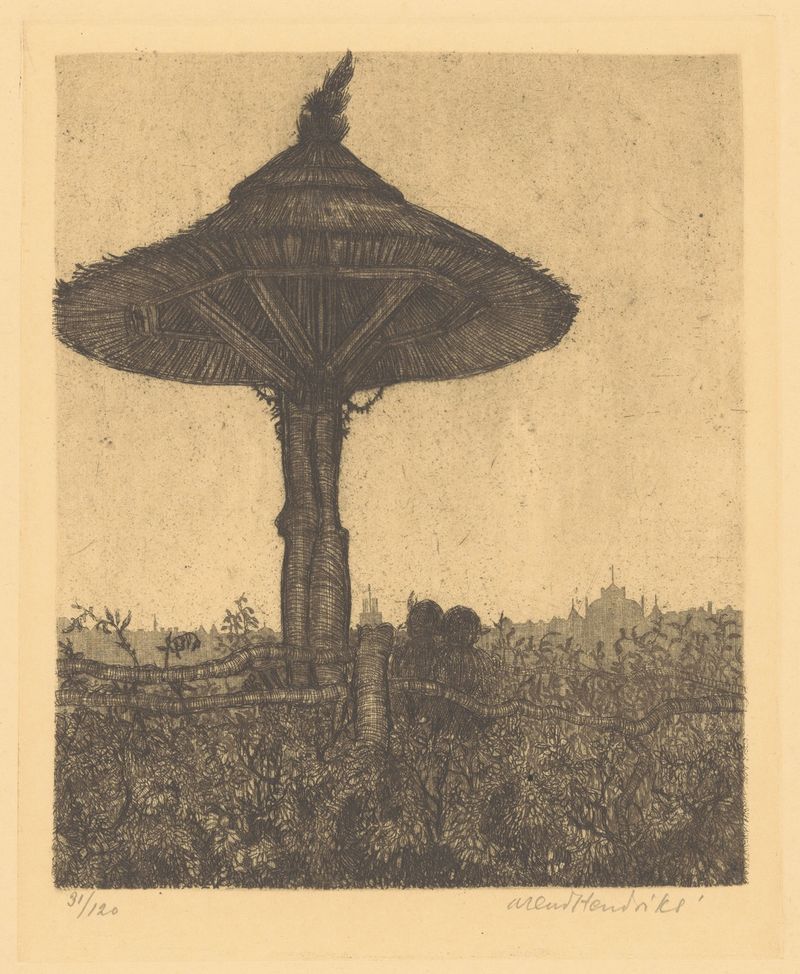
De paraplu
Arend Hendriks
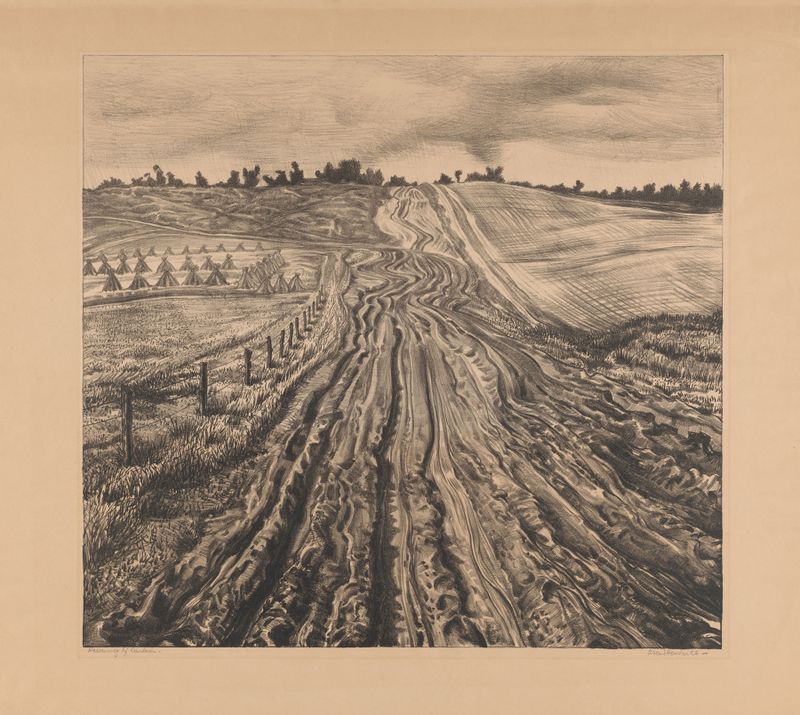
Hessenweg bij Lunteren
Arend Hendriks
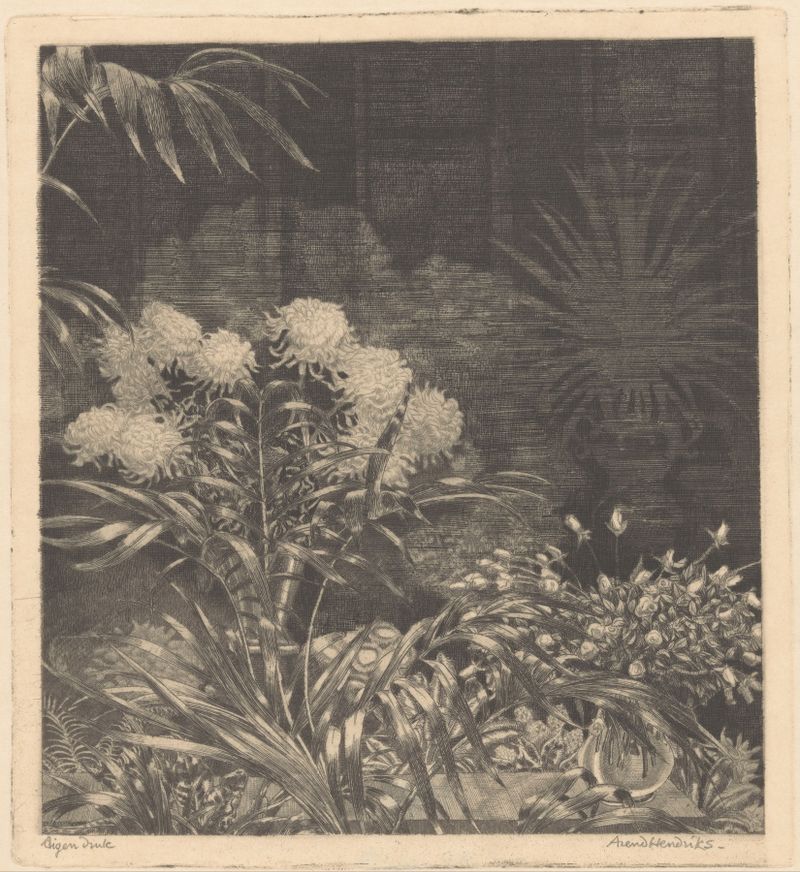
Interieur met bloemen in vazen en planten in potten
Arend Hendriks
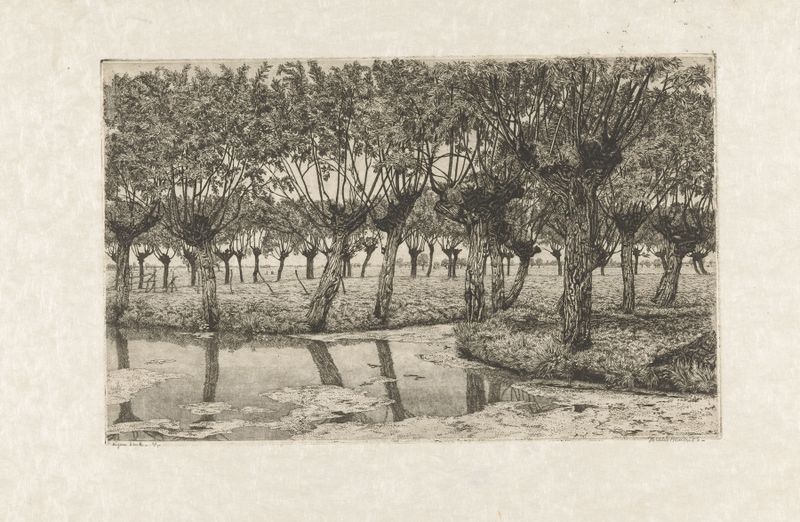
Polderlandschap met knotwilgen
Arend Hendriks
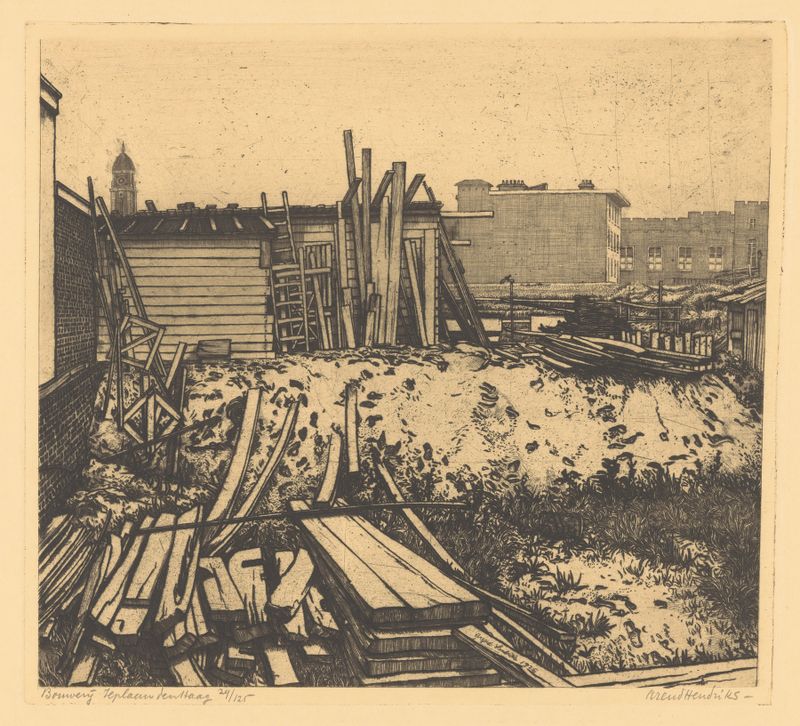
Bouwerij, Ieplaan, Den Haag
Arend Hendriks





