
Adoration of the Magi — History & Facts
What first seizes the eye in Adoration of the Magi by Aertgen Claesz van Leyden is the sheer theatrical density of the moment: a cascade of figures, fabrics, and gestures converging on the Christ child, who sits calmly in his mother’s lap at the heart of a crumbling arch. Gold gleams from the gifts and garments of the Magi, drawing the gaze inward, while the ruins behind them open onto a distant city and a swirl of secondary stories. Every hand, every glance, seems to ripple outward from the central offering, as if the entire world—kings, angels, animals, and onlookers—were caught up in this act of homage.
The painter’s use of vivid reds and greens, the intricate brocade, and the careful rendering of each face invite the viewer to linger, to search for meaning in every detail: the kneeling king’s humility, the watchful dog, the quietly attentive Joseph. This painting belongs to a world where religious storytelling was both a devotional act and a display of artistic invention. In sixteenth-century Northern Europe, scenes like the Adoration were commissioned for churches and private chapels, meant to inspire awe and reflection through their richness and complexity. The date, 1536, places this work at a time when artists were experimenting with perspective, narrative layering, and the mingling of sacred and worldly splendor.
Aertgen Claesz van Leyden brings a distinctly Northern attention to detail and texture, echoing the innovations of earlier Netherlandish painters while adding his own sense of drama. Now in the Kunstmuseen Krefeld, this painting stands as a testament to an era when faith, art, and storytelling were inseparable—inviting us to step closer, to read its surface like a tapestry of devotion and curiosity.
More Artworks by Aertgen Claesz van Leyden

Jakob ontvangt het bebloede kleed van Jozef
Aertgen Claesz van Leyden
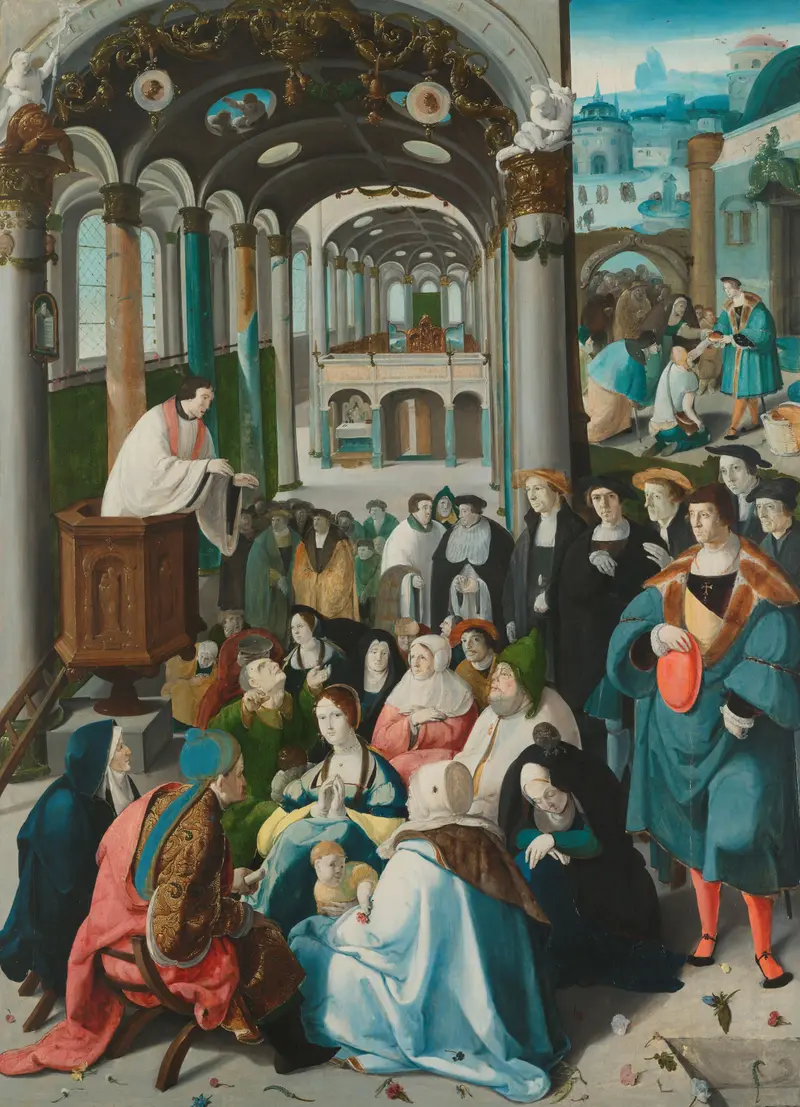
The Calling of Saint Anthony
Aertgen Claesz van Leyden
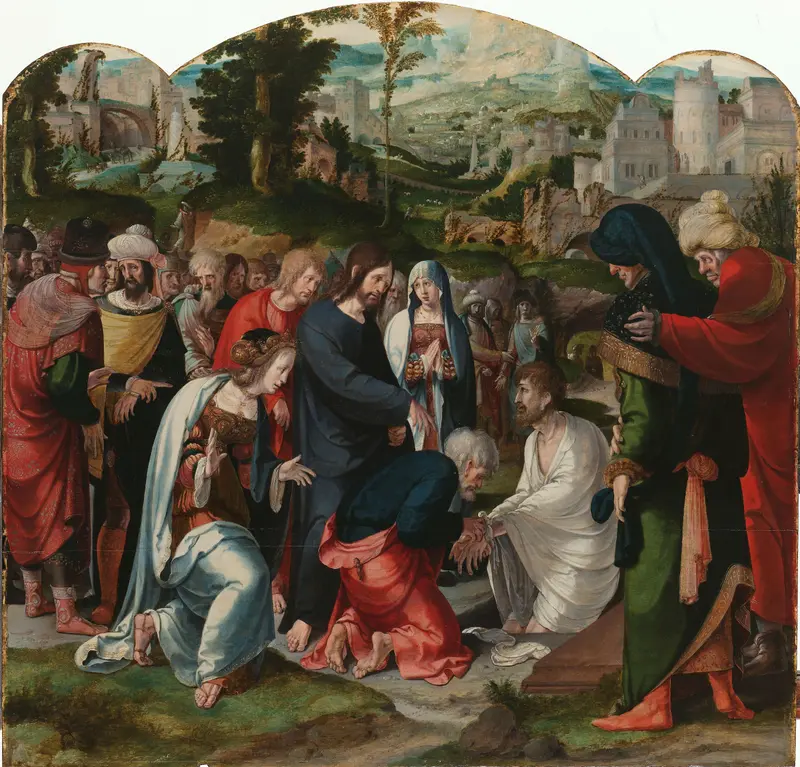
The Raising of Lazarus
Aertgen Claesz van Leyden
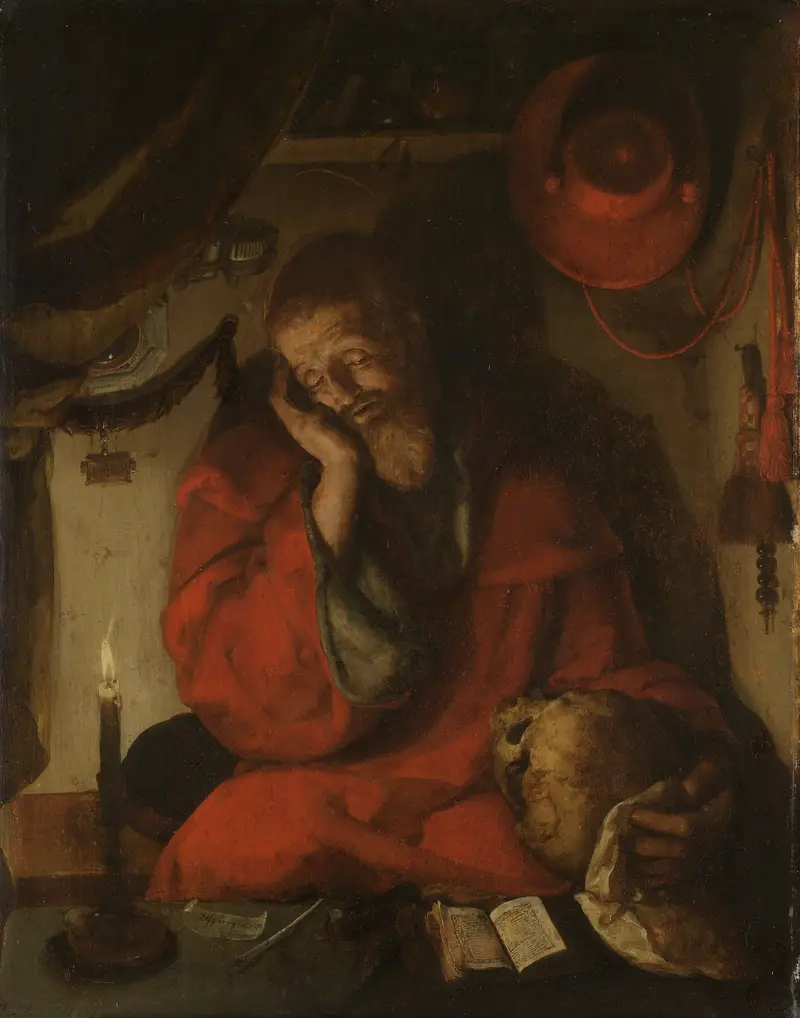
Saint Jerome in his Study by Candlelight
Aertgen Claesz van Leyden
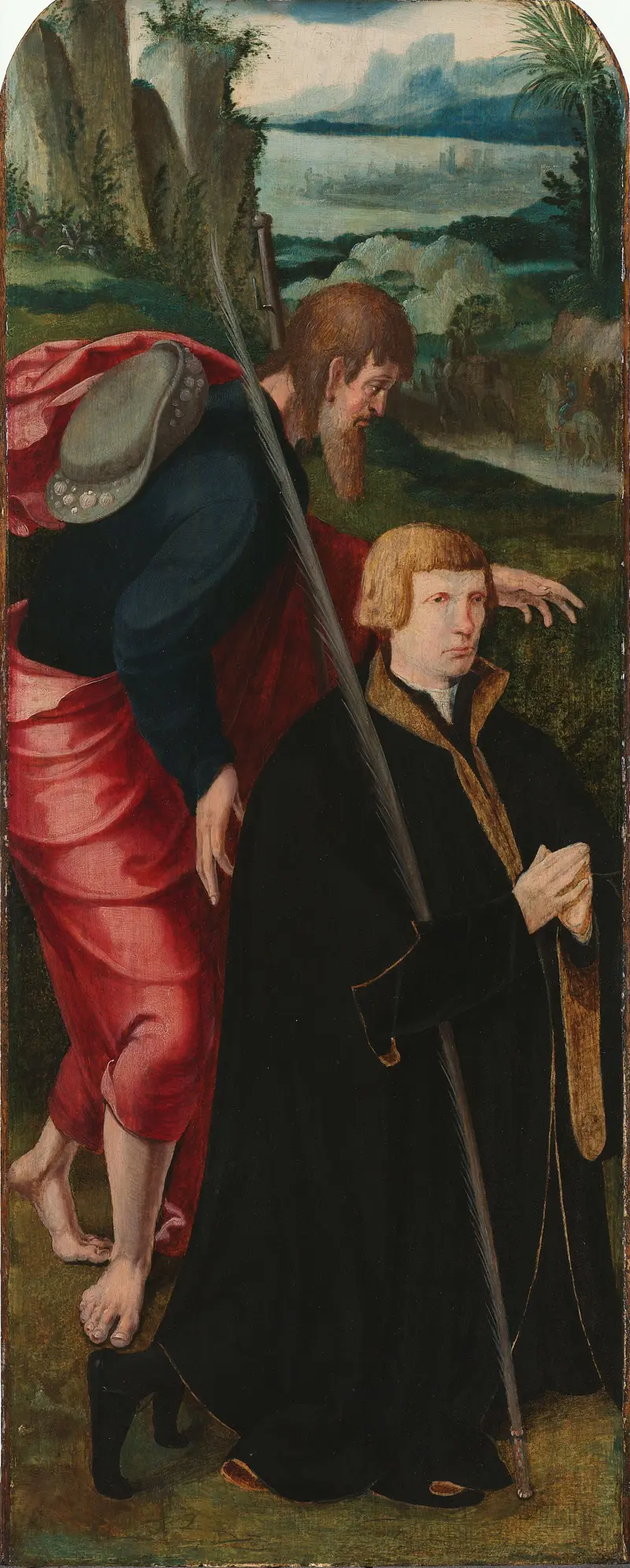
The Raising of Lazarus
Aertgen Claesz van Leyden
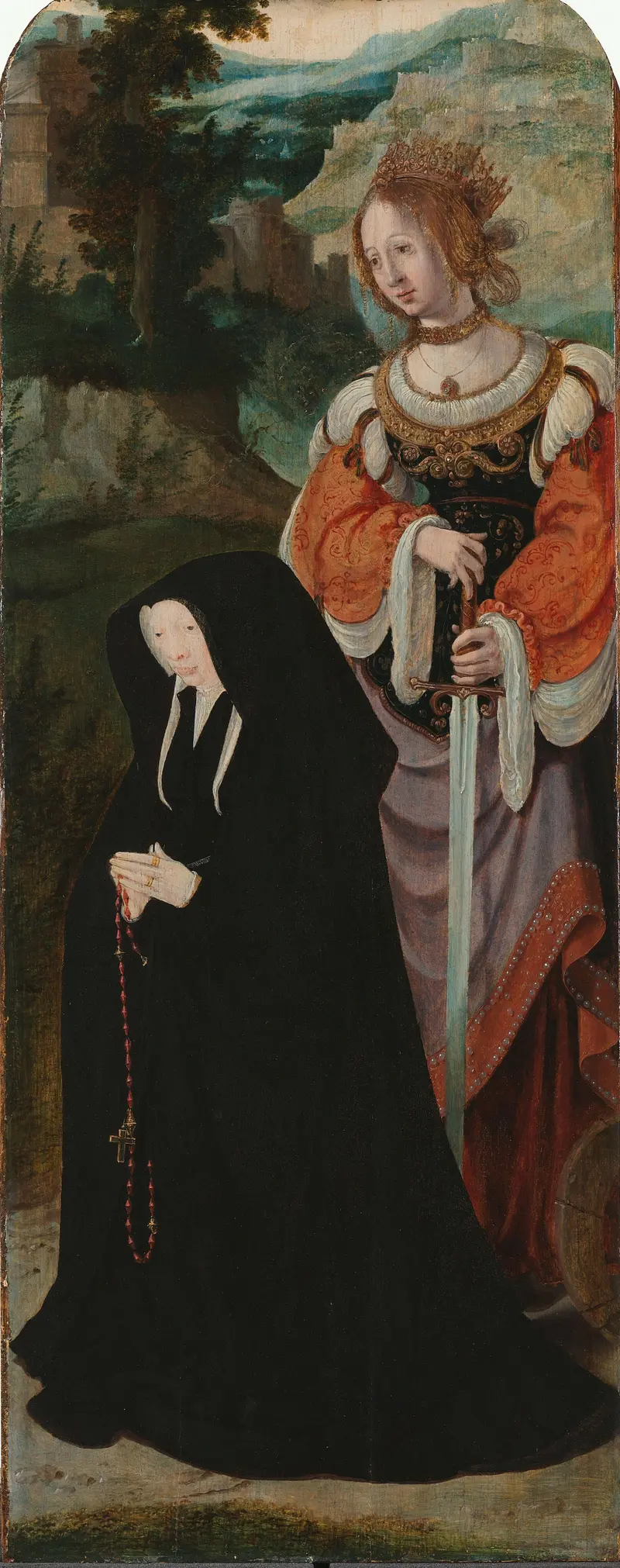
The Raising of Lazarus
Aertgen Claesz van Leyden
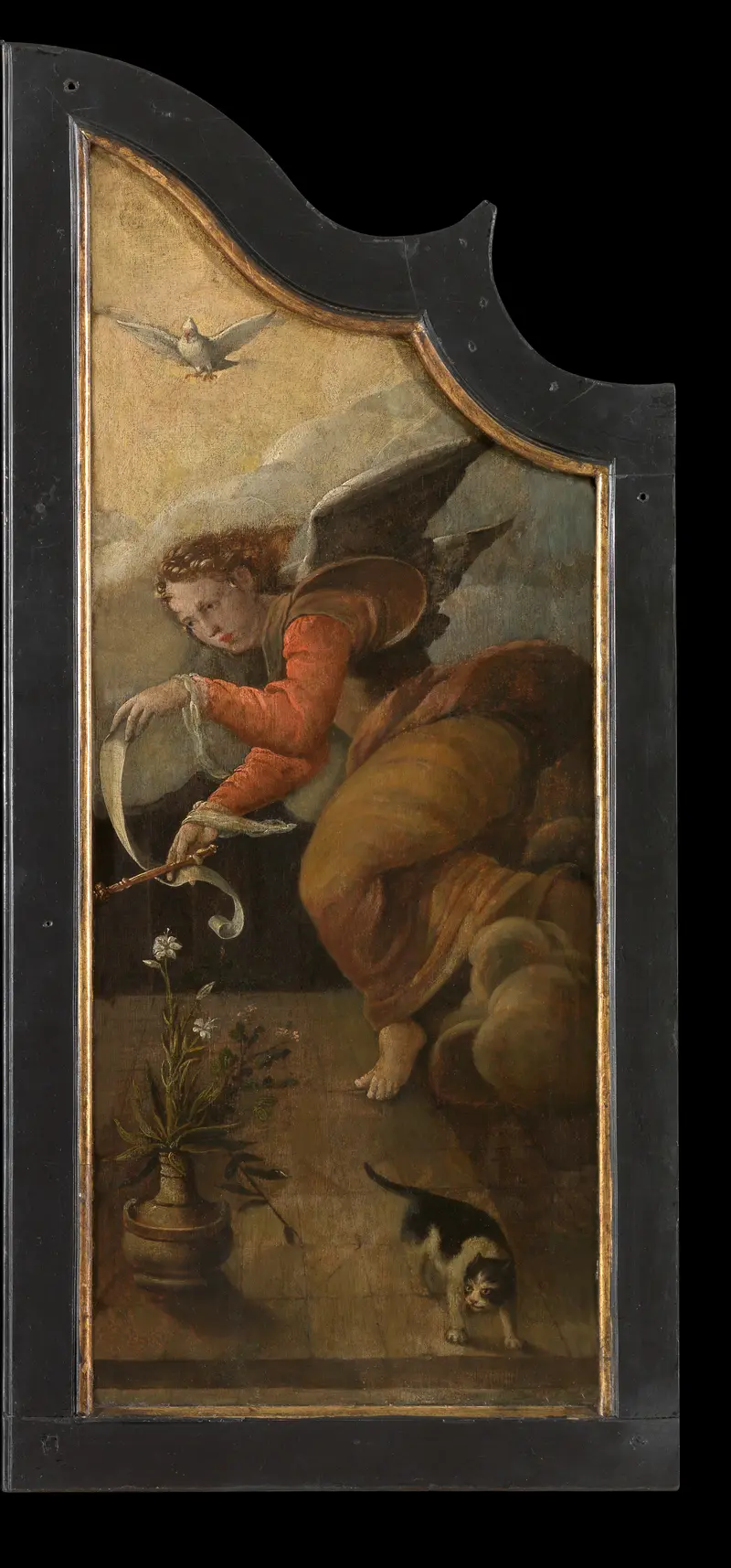
Angel Gabriel
Aertgen Claesz van Leyden
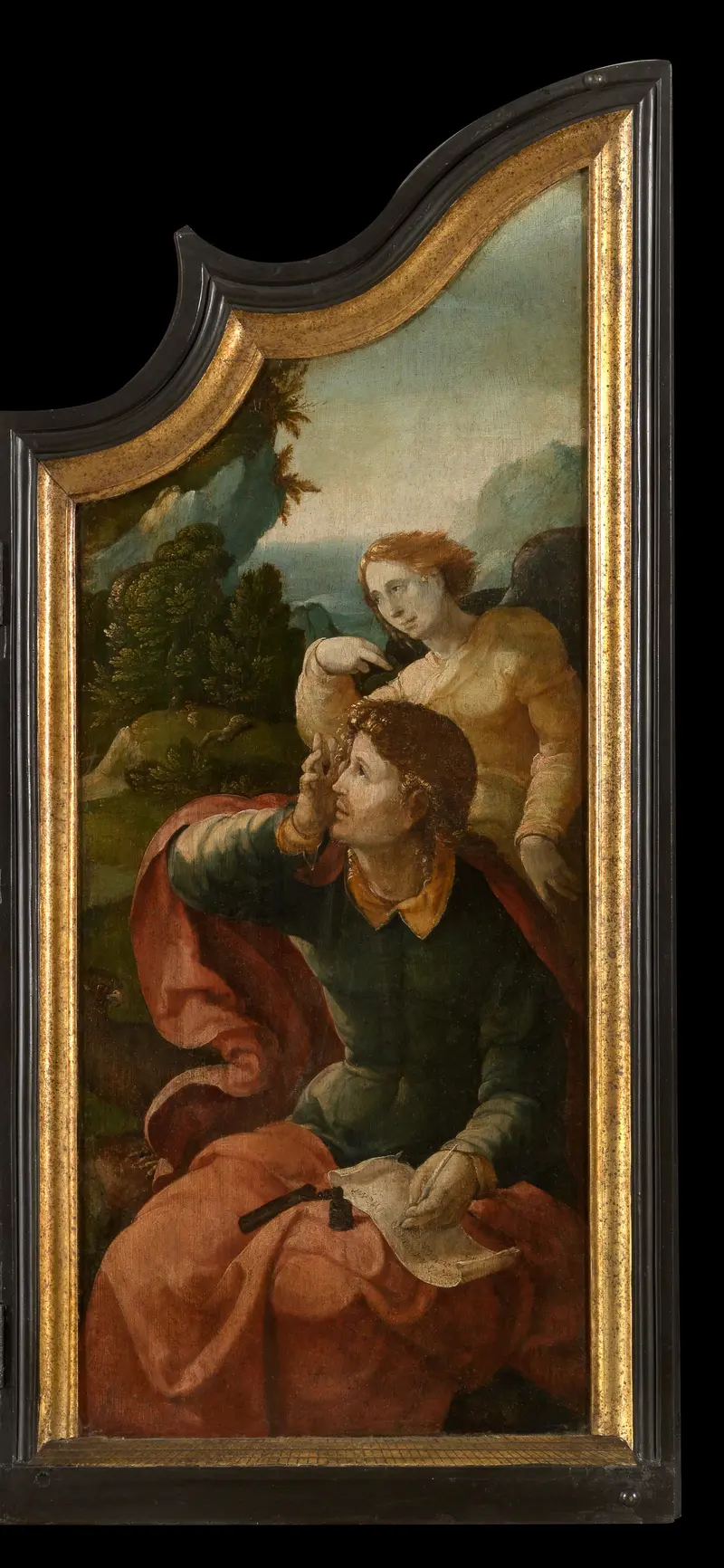
Saint John on Patmos
Aertgen Claesz van Leyden
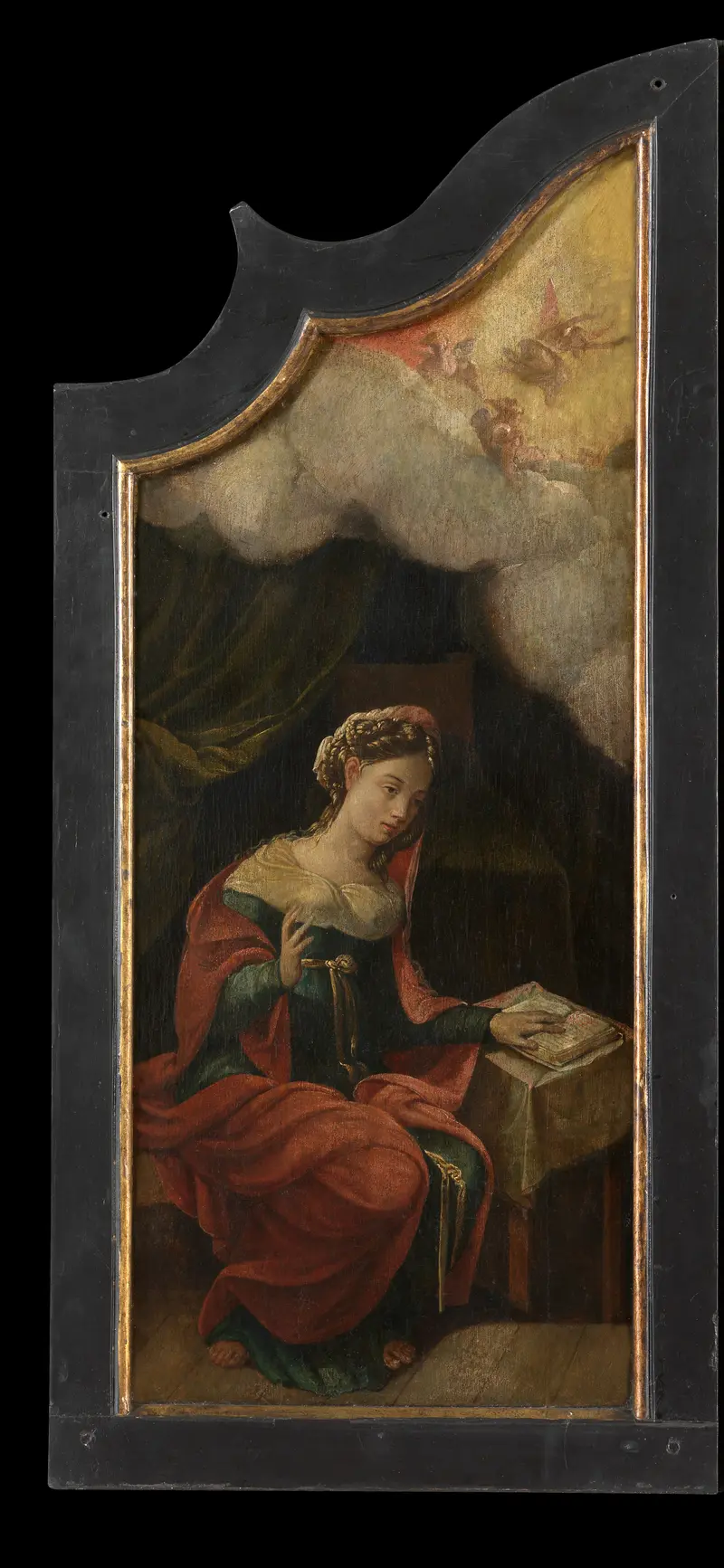
Maria
Aertgen Claesz van Leyden
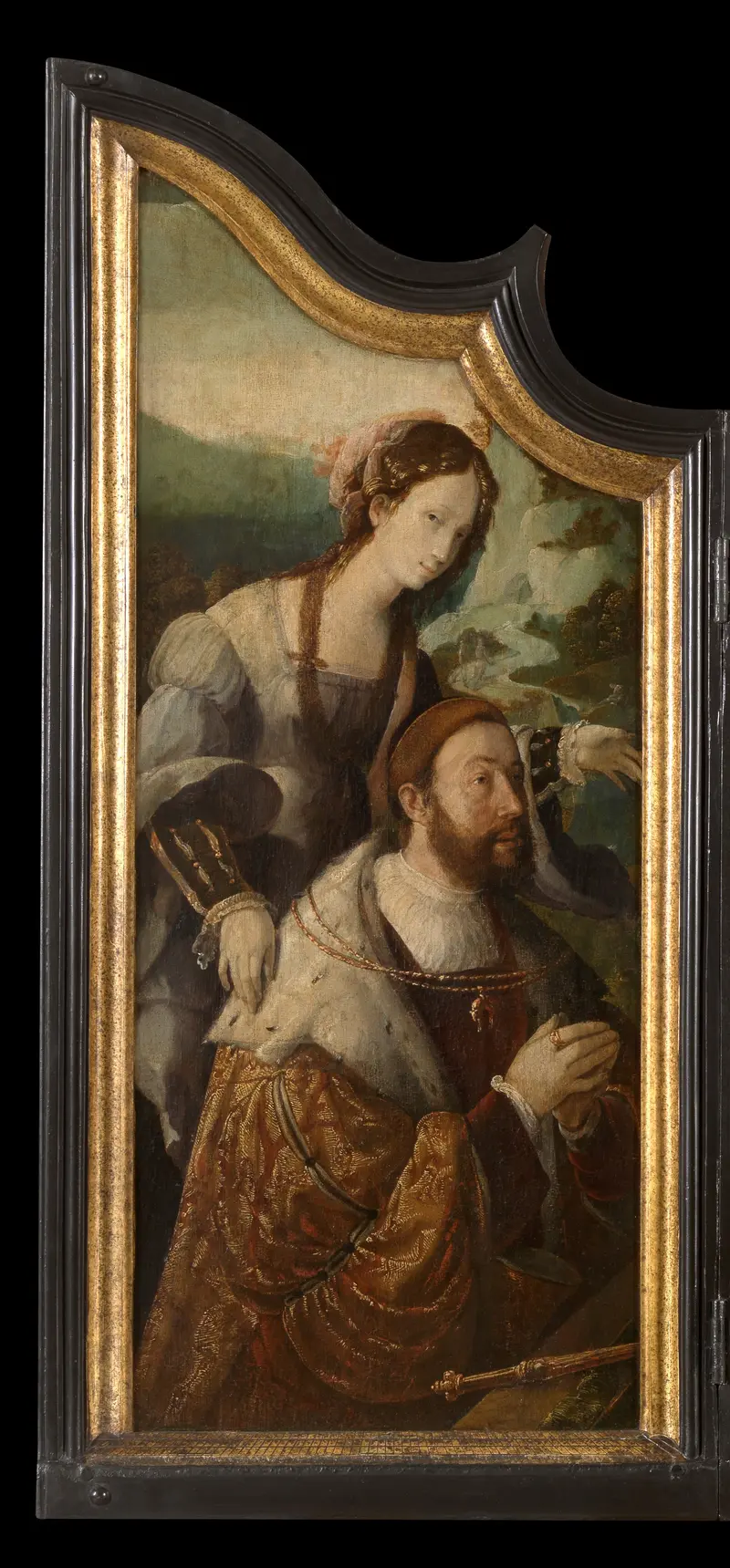
Count Henry III of Nassau with the Tiburtine sibille
Aertgen Claesz van Leyden





