
After the storm — History & Facts
What secret hides in the quiet of the canvas? In the stillness painted by Ľudovít Čordák, a sense of longing seeps through the layers, inviting us to explore the emotional depths beneath the surface. Look to the left at the gentle sweep of the horizon, where muted blues and greens blend harmoniously, suggesting the aftermath of tumultuous weather. The soft, diffused light illuminates the tranquil landscape, highlighting the delicate brushwork that captures the serenity following chaos. Each stroke seems to breathe life into the scene, inviting contemplation and introspection as we trace the subtle details of the foliage and the distant hills. Beneath this peaceful exterior lies a tension born from contrast—the remnants of the storm are felt in the weight of the clouds lingering in the sky, a reminder of nature’s duality.
The vibrant greens of rebirth juxtaposed against the cool, somber tones hint at an unspoken yearning, as if the landscape embodies both relief and a wistful nostalgia for what has transpired. This delicate balance evokes the emotional complexity of healing and the passage of time. In 1935, during a period marked by social and political upheaval, Čordák found himself deeply engaged in the evolving Slovak artistic scene. Living in a moment of transformation, he painted After the storm in the wake of personal and cultural challenges, reflecting a world grappling with change.
His work resonates not only as an artistic statement but also as a poignant reflection of the human experience amid uncertainty.
More Artworks by Ľudovít Čordák
Browse all →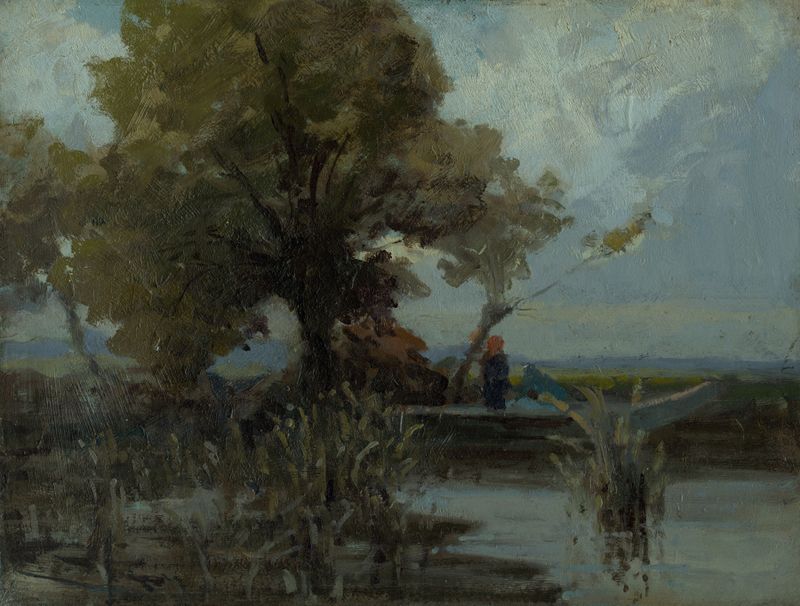
Košatý strom pri jazere
Ľudovít Čordák
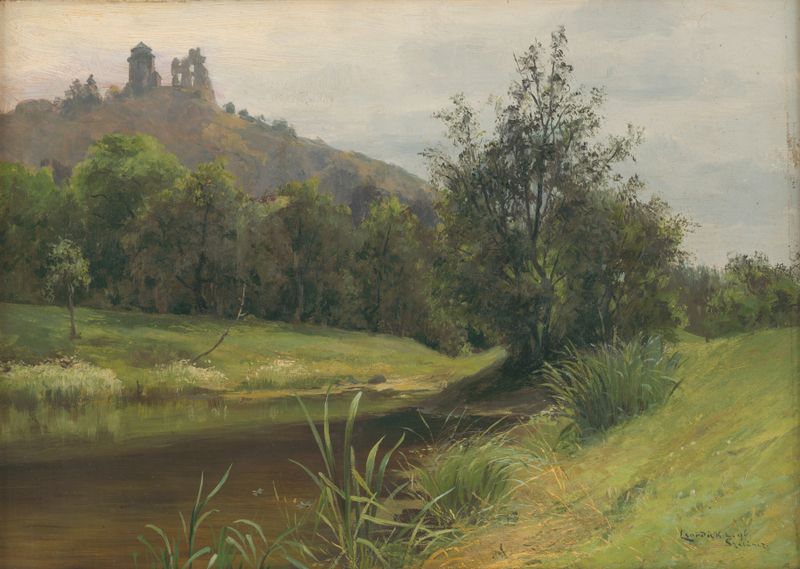
Močarina pod Slaneckým hradom
Ľudovít Čordák
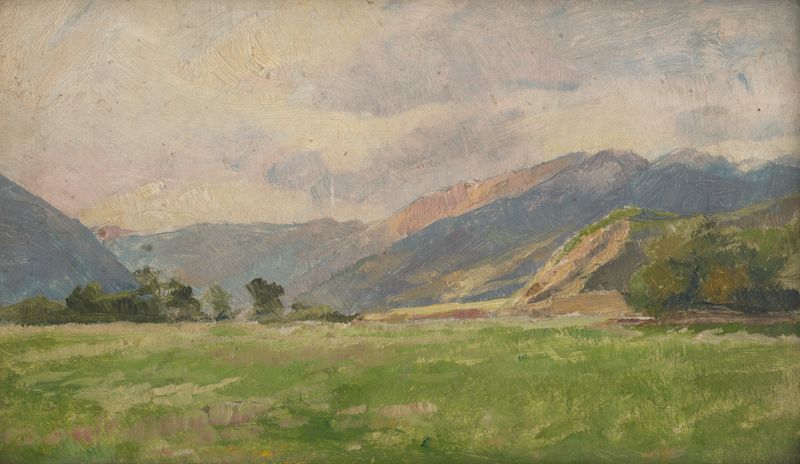
Mountain Meadow
Ľudovít Čordák
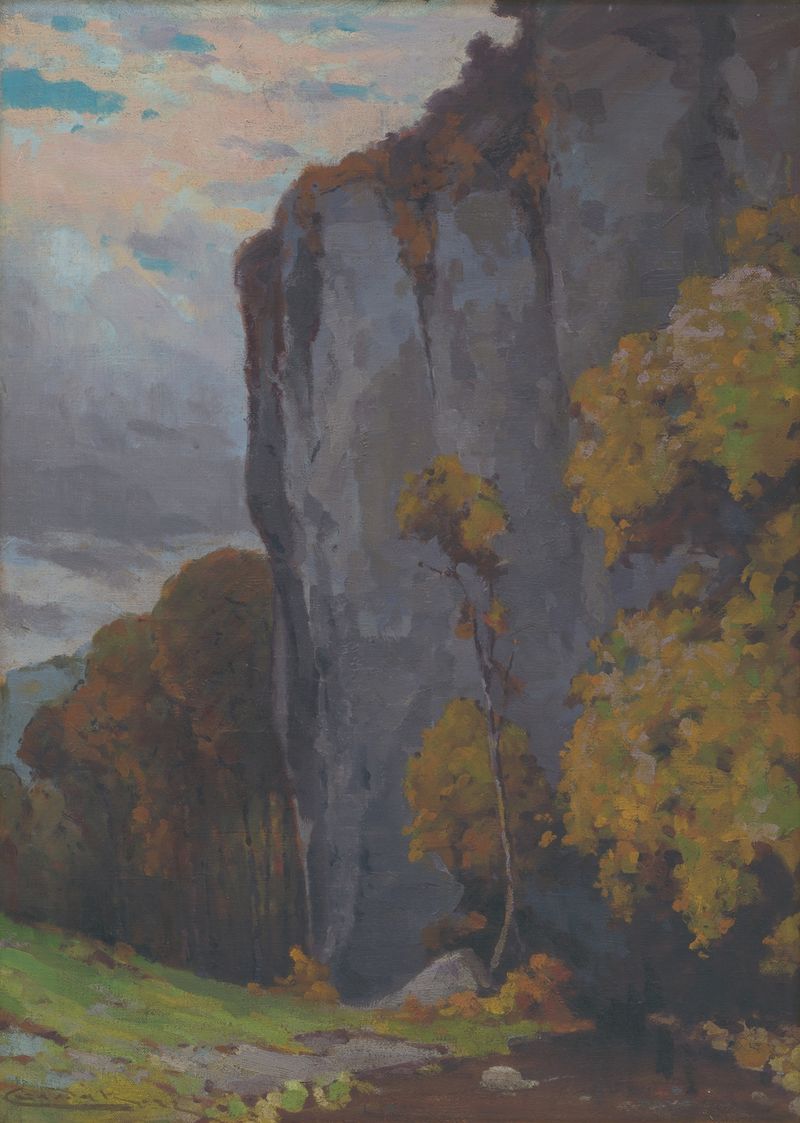
Zádiel
Ľudovít Čordák
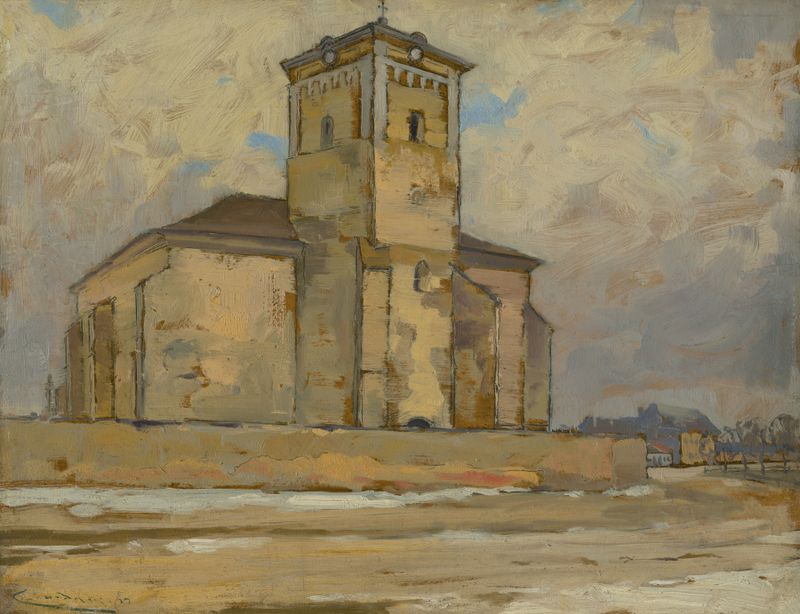
Church in Moldova
Ľudovít Čordák
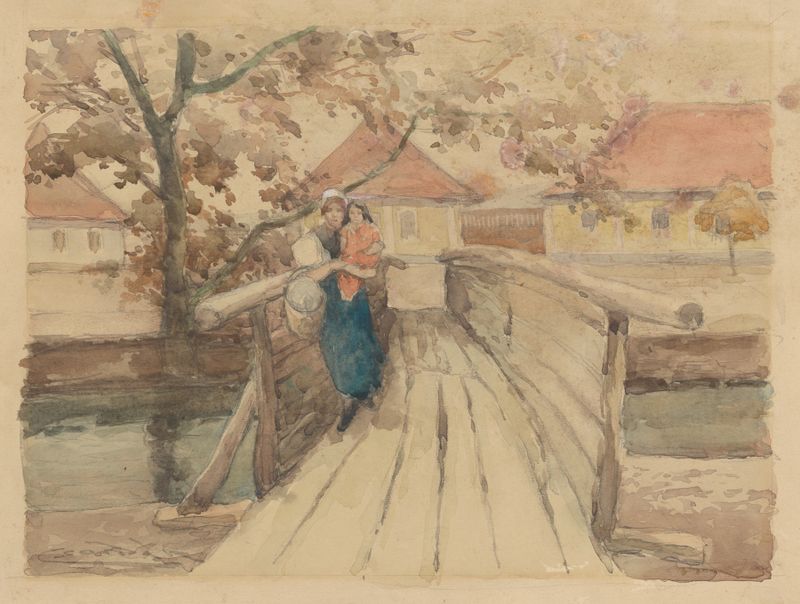
Wooden bridge
Ľudovít Čordák
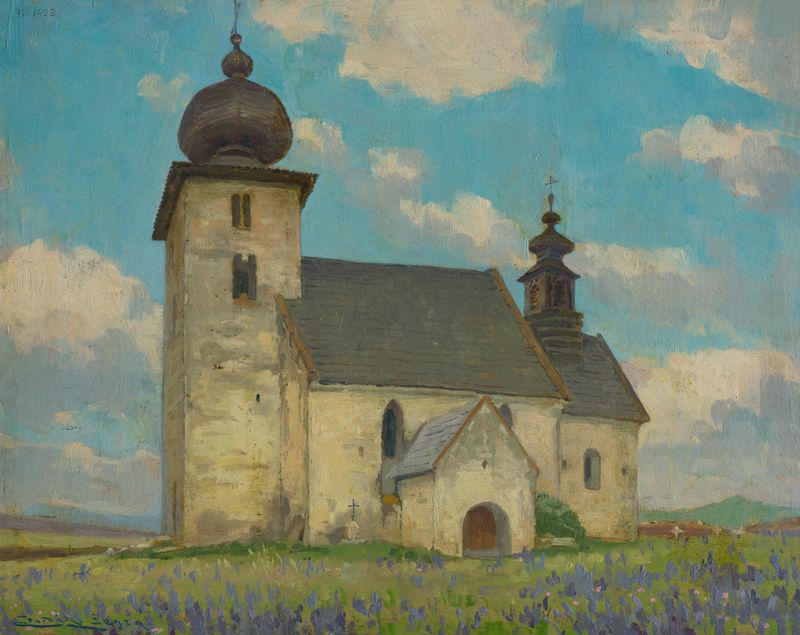
Gothic church in Žehra
Ľudovít Čordák
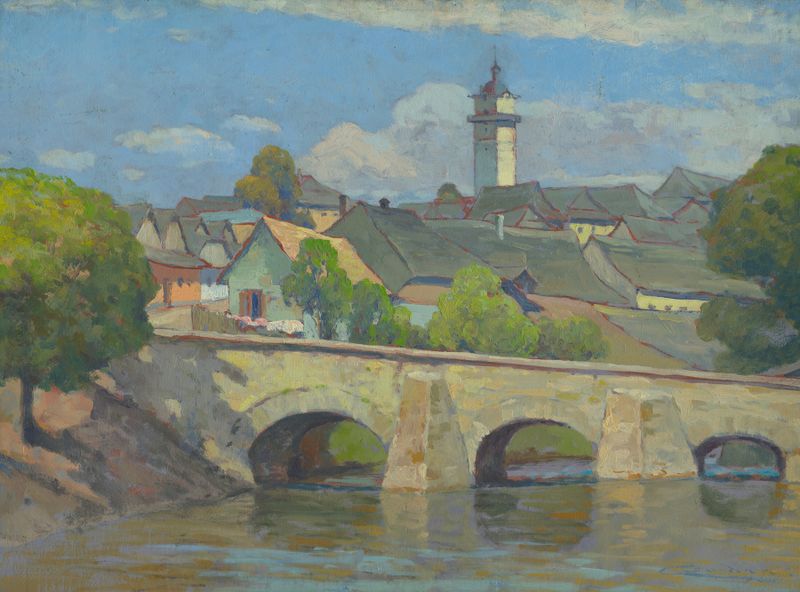
A small town in Spiš
Ľudovít Čordák
At Sunset
Ľudovít Čordák
Forest
Ľudovít Čordák





