
Portrait of Maria of Portugal, Duchess of Parma (1538-1577). — History & Facts
It is the gaze that first draws you in—a steady, almost appraising look, neither coy nor cold, but quietly assured. The sitter’s dark eyes meet yours directly, framed by the pale oval of her face and the crisp, lace-edged ruff that rises like a delicate barrier between her and the world. Every detail in her attire is a statement: the intricate gold chains and jeweled brooches, the velvet of her gown, and the pearls crowning her hair all speak of a life shaped by privilege and expectation.
The palette is rich but restrained, the deep blacks and golds lending gravity to her presence while the light falls gently across her features, modeling her cheekbones and illuminating the faintest hint of a smile. Painted around 1565, this portrait belongs to a world where image was power and every brushstroke carried meaning. In the courts of Renaissance Europe, such likenesses were more than mere records—they were instruments of alliance, marriage, and diplomacy, commissioned to project lineage, virtue, and political standing. The artist, Antonis Mor, was renowned for his ability to capture both the surface splendor and the inner resolve of his sitters, making him a favorite among royals and nobles from Madrid to Brussels.
Though history has kept few traces of this particular portrait’s journey, its survival offers a rare, direct encounter with the ambitions and anxieties of a vanished courtly world. Look again at her expression: it is as much a mask as a mirror, inviting you to wonder what lay behind those watchful eyes.
More Artworks by Antonis Mor

Portrait of a Man
Antonis Mor
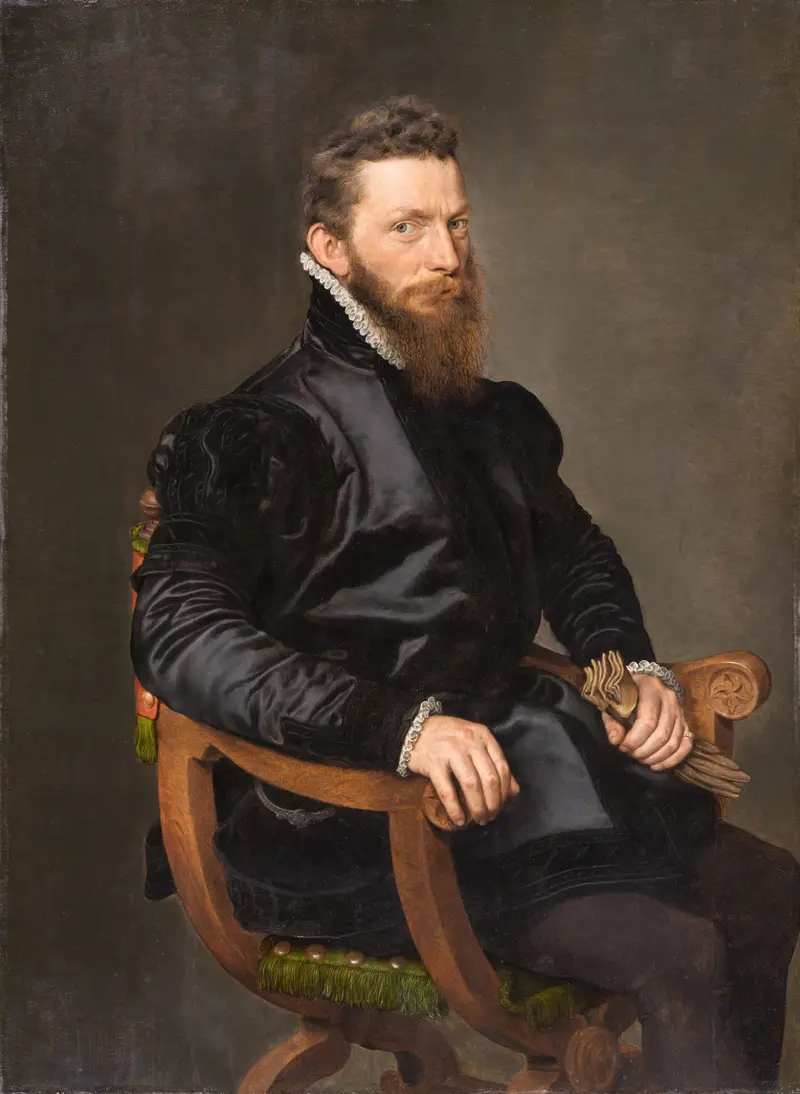
Portrait of a Gentleman
Antonis Mor
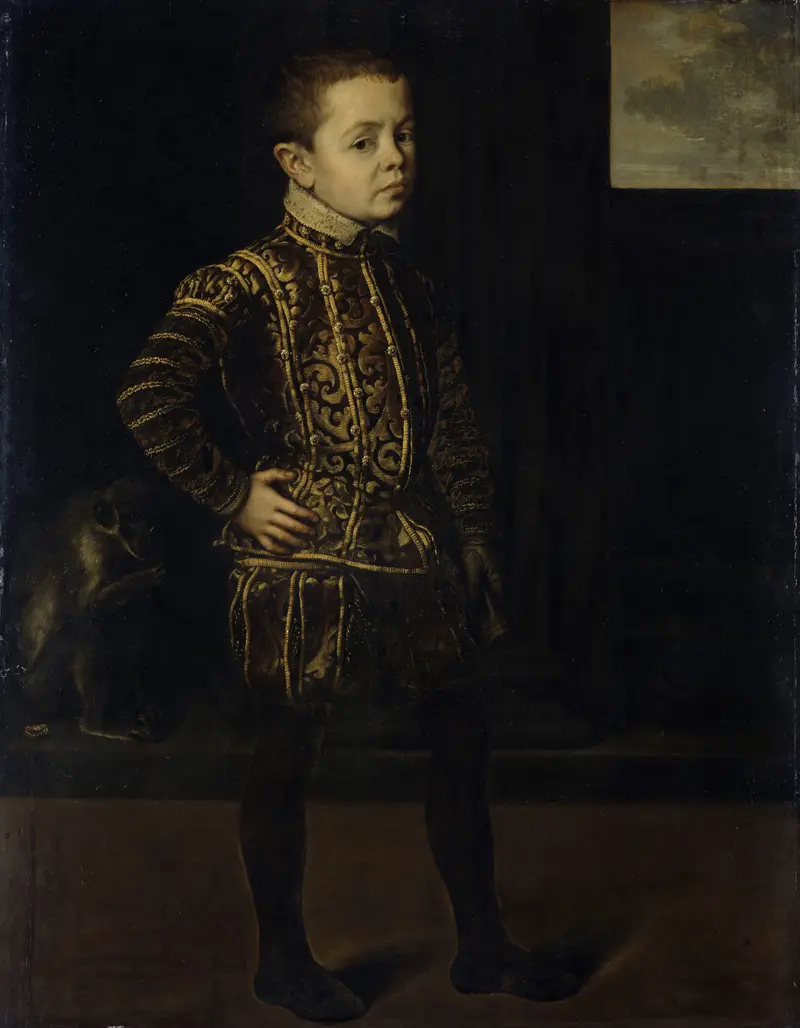
Portrait of a young prince
Antonis Mor
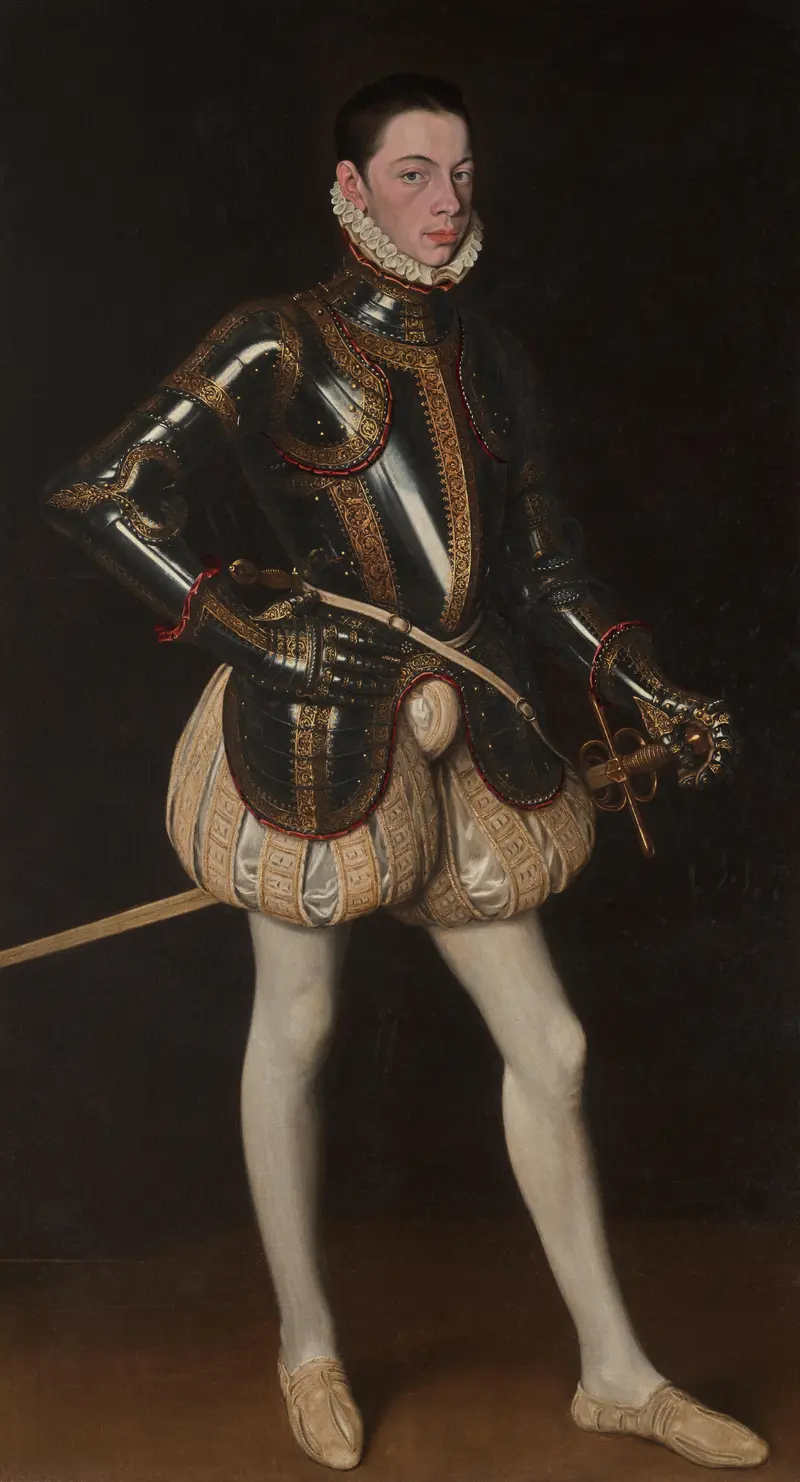
Alessandro Farnese in Armor
Antonis Mor
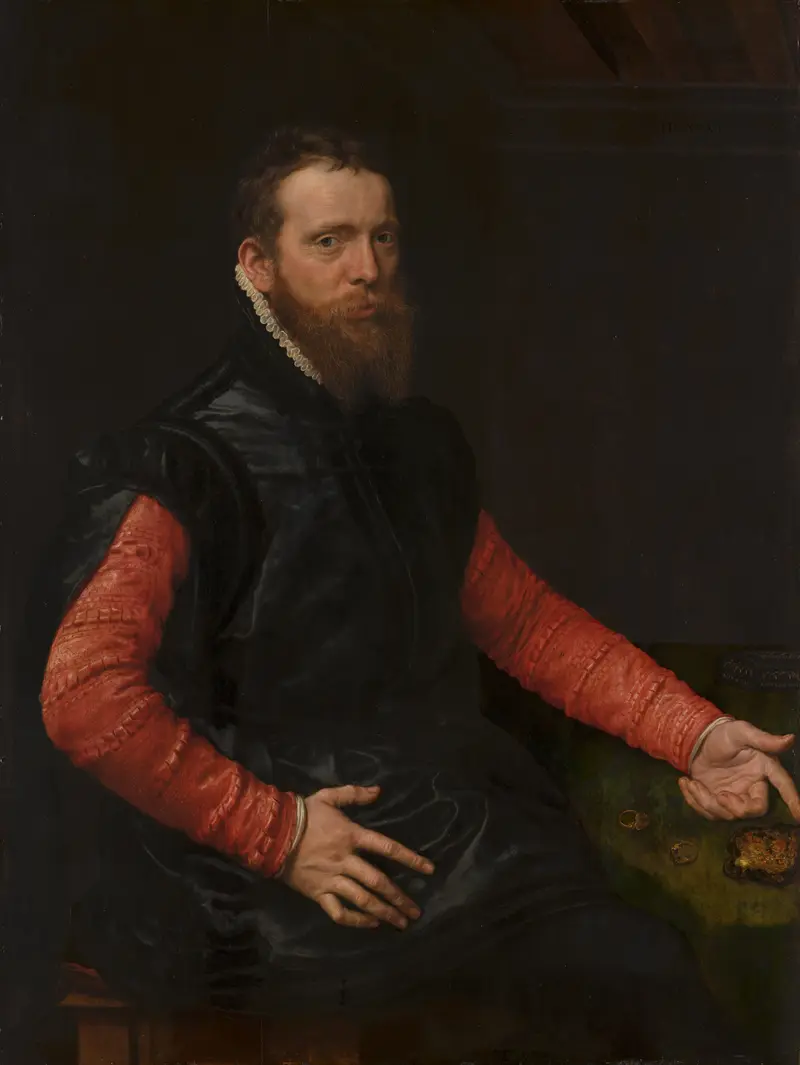
Steven van Herwijck
Antonis Mor
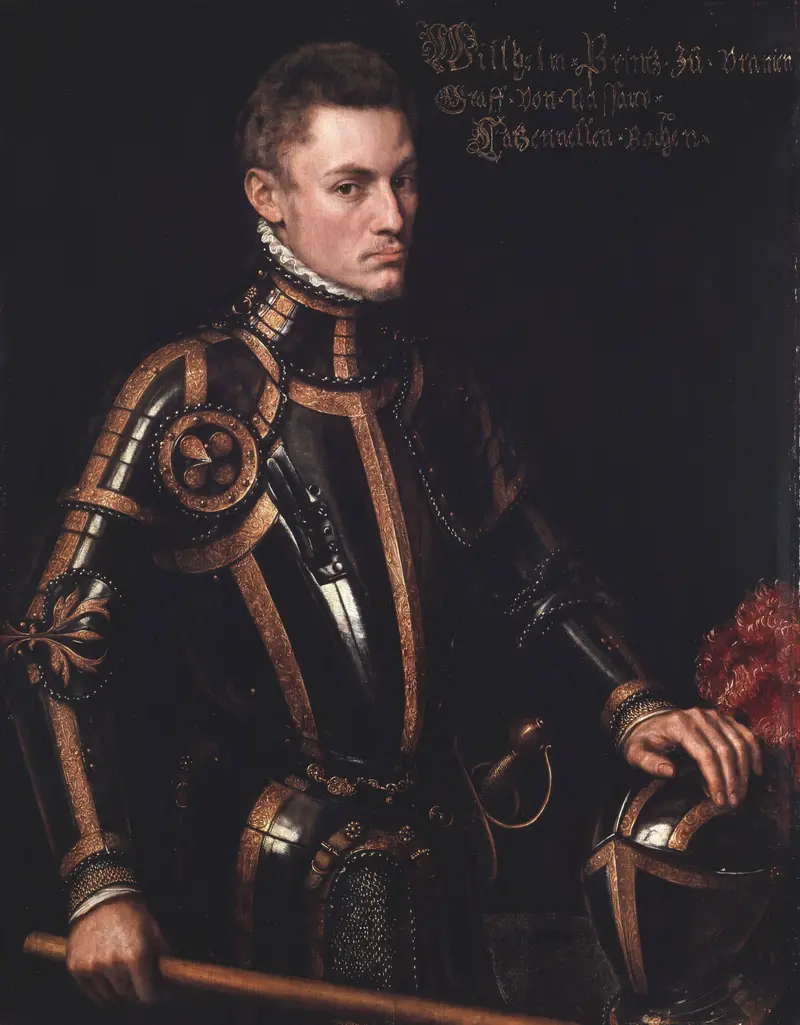
Portrait of William I of Nassau
Antonis Mor
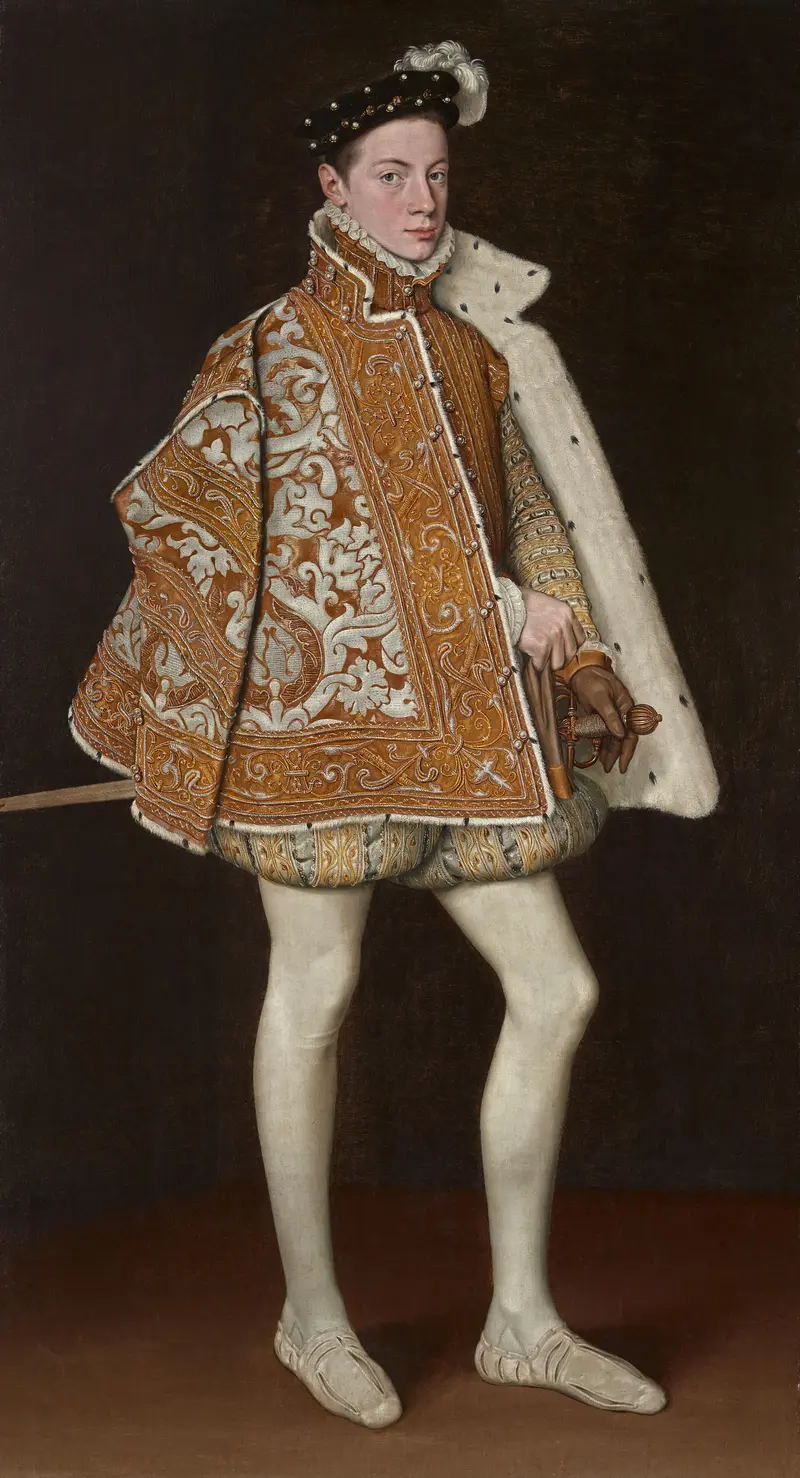
Portrait of Alessandro Farnese in Cape and Black Cap
Antonis Mor
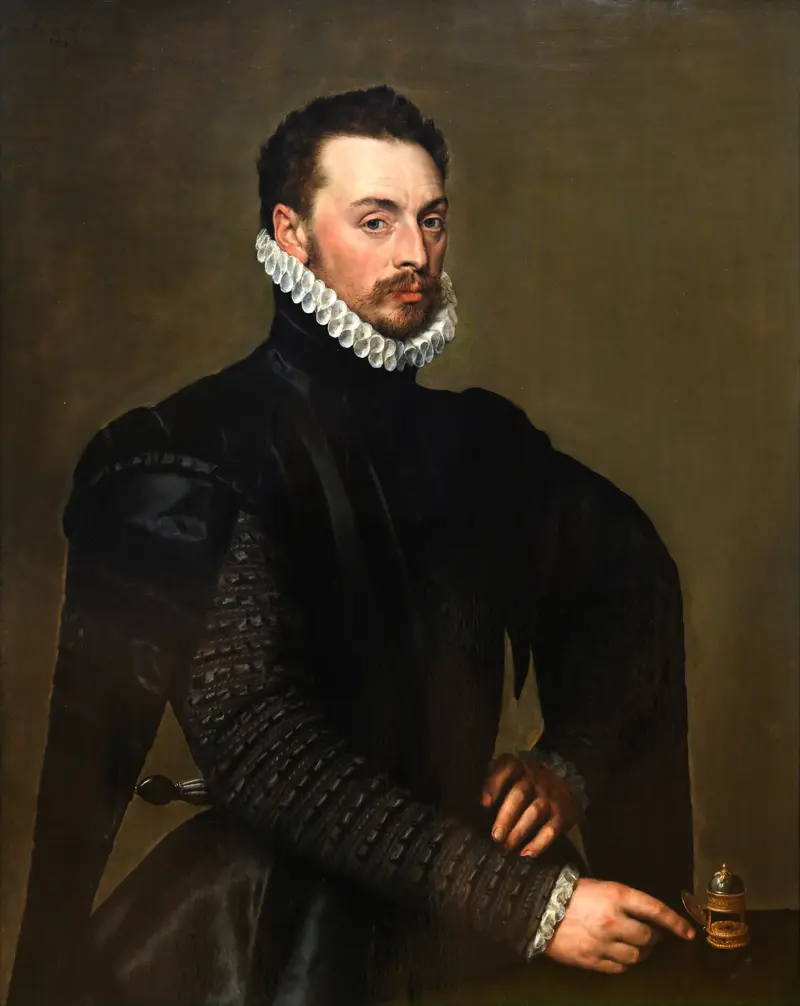
Portrait d'homme désignant une pendule Antonio Moro Musée du Louvre Peintures INV 1582 ; MR 880
Antonis Mor
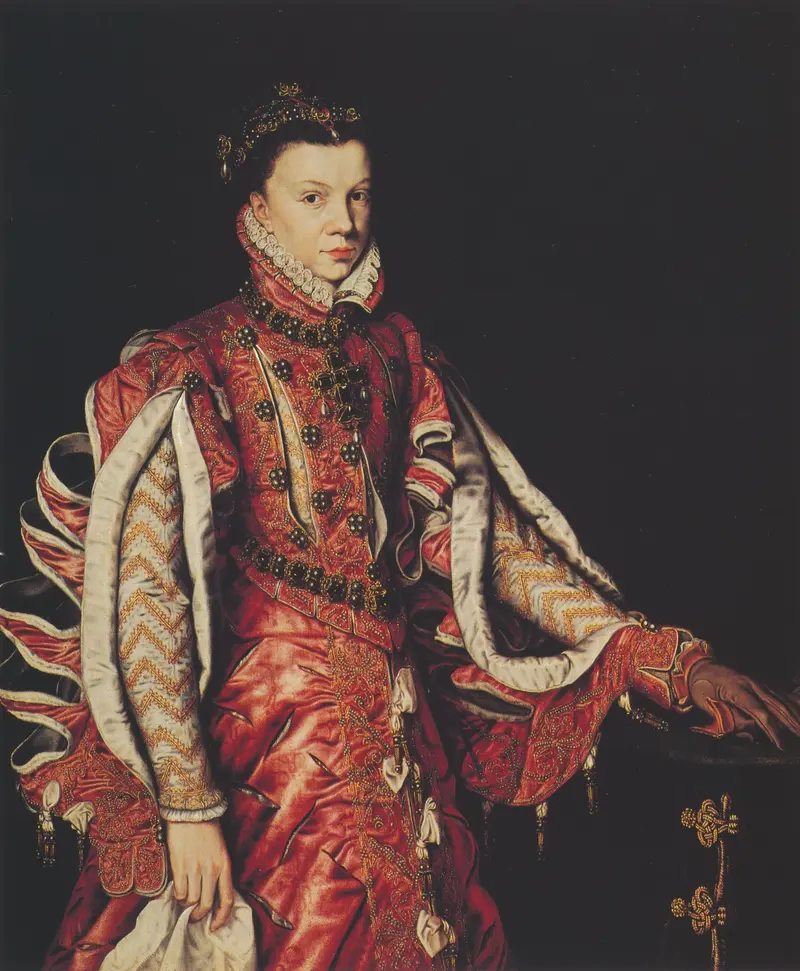
Portrait of Elisabeth of Valois, third wife of King Philip II of Spain
Antonis Mor
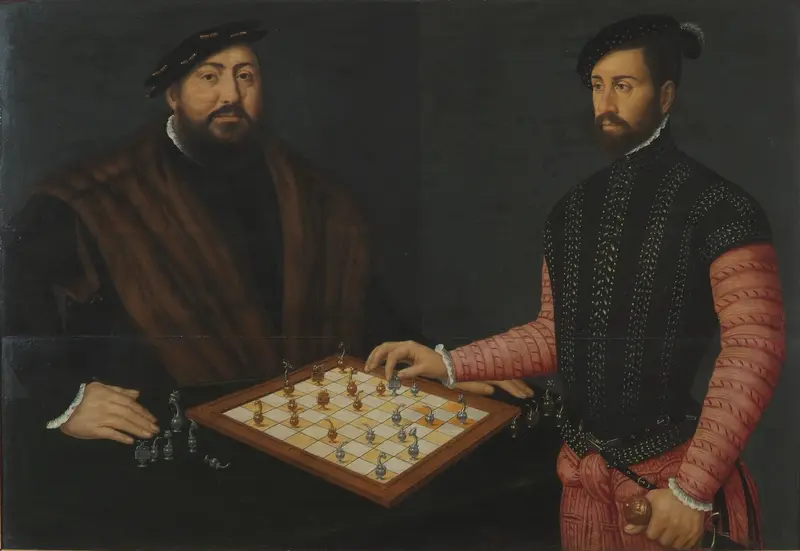
Von Sachsen vs. a Spaniard
Antonis Mor





