Allegorie met Eendracht, Vrede en Liefde — History & Facts
In the stillness of a painted moment, emotions are set free, inviting us to explore layers of meaning and intent. Focus on the central triad of figures, each embodying the timeless virtues of unity, peace, and love. Their interlinked hands draw your gaze first, a potent symbol of harmony against a backdrop of swirling color and intricate detail. Notice how vibrant reds and serene blues dance together, illuminating the delicate expressions on their faces, which radiate both joy and a solemn promise. Delve deeper into the subtleties, where the juxtaposition of color reflects emotional tensions.
The entwined figures stand resolutely against swirling forms that suggest chaos, hinting at the struggle between harmony and discord. Each element, from the soft drapery flowing around them to the gentle light that bathes their forms, speaks to an ecstatic yearning for the virtues they represent — a desire for connection amidst the tumult of life. Cornelis Anthonisz created this striking work between 1539 and 1553, a period marked by both personal and societal upheaval in the Netherlands. Working during the height of the Northern Renaissance, he navigated a world where artistic expression was rapidly evolving, yet the shadows of religious conflict loomed large.
This artwork reflects not only Anthonisz's brilliance but also his hope for a future defined by the ideals of togetherness and compassion amidst the chaos of his times.
More Artworks by Cornelis Anthonisz.
Browse all →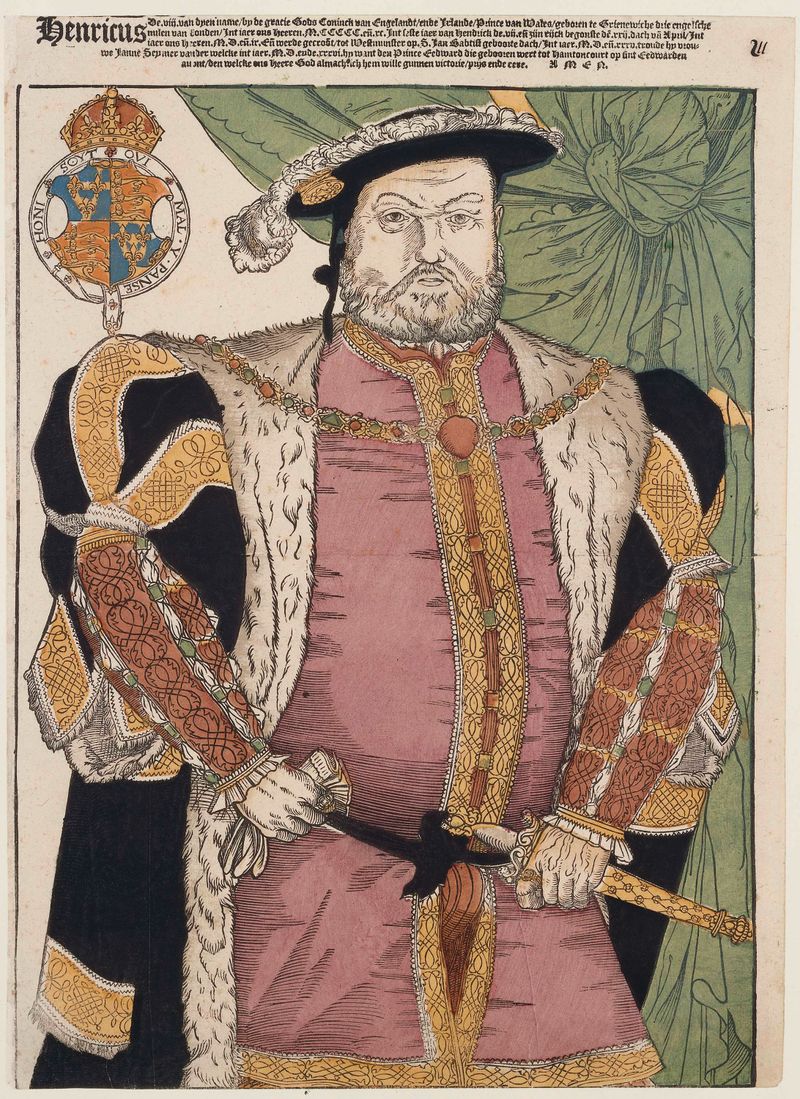
Portret van Hendrik VIII van Engeland
Cornelis Anthonisz.

Portret van Hendrik VIII van Engeland
Cornelis Anthonisz.

Portret van Maarten van Rossum te paard
Cornelis Anthonisz.
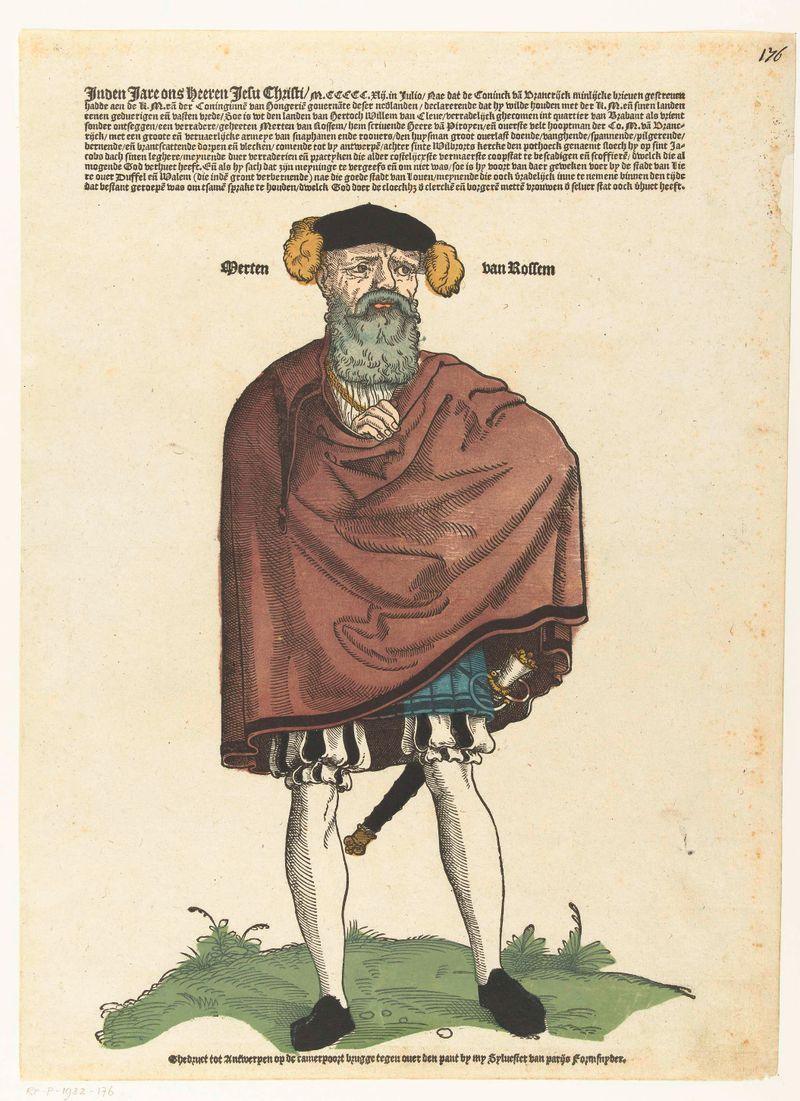
Portret van Maarten van Rossum
Cornelis Anthonisz.

De verloren zoon eet uit de varkenstrog
Cornelis Anthonisz.
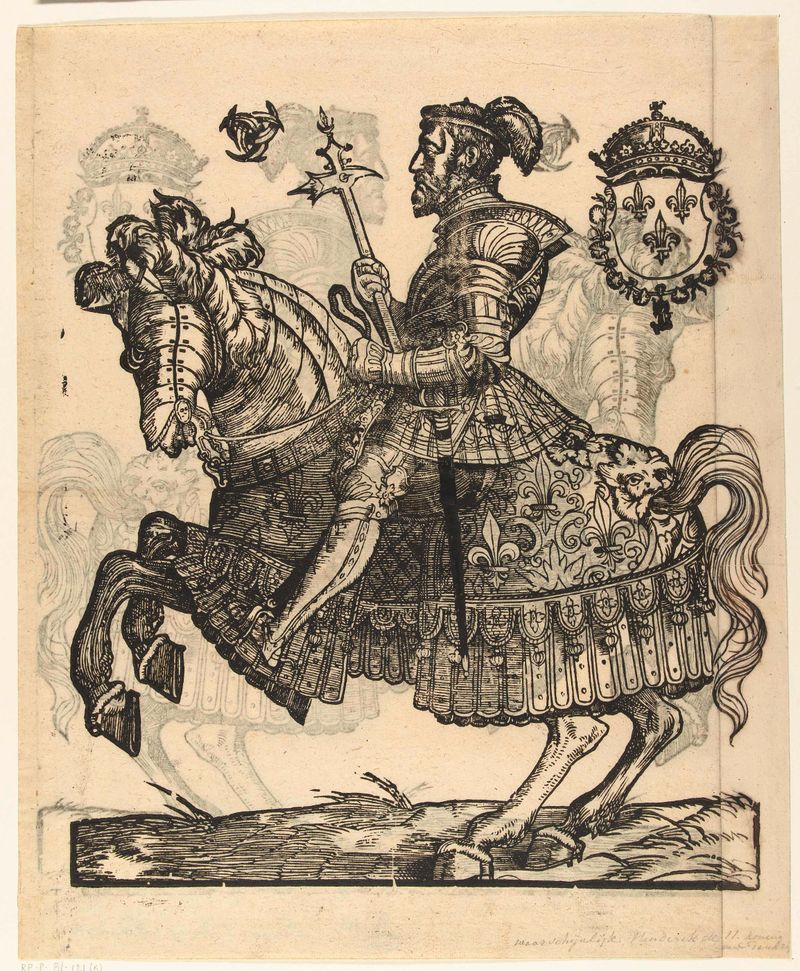
Portret van Hendrik II van Frankrijk te paard
Cornelis Anthonisz.

Portret van hertog Willem van Kleef, Gulik en Berg, graaf van Mark, heer van Ravenstein te paard
Cornelis Anthonisz.

Portret van Karel V te paard
Cornelis Anthonisz.

Portret van Maria van Hongarije te paard
Cornelis Anthonisz.
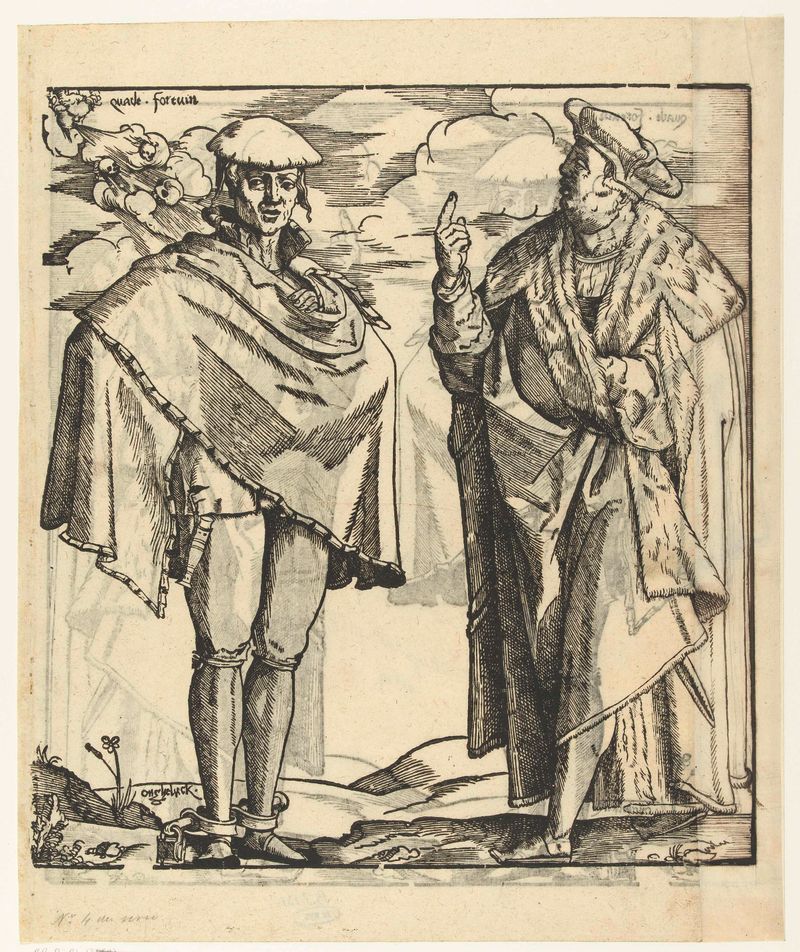
De lichtzinnige jeugd
Cornelis Anthonisz.