
Allegory of Youth and Age — History & Facts
A young man and an old one share the stage, their bodies entwined in a striking, almost theatrical composition. The youth, radiant and bare-chested, turns his gaze upward, his arm extended as if reaching for something just out of sight, while the elder, cloaked and bearded, clings to him with a gesture that is both protective and pleading. The light pours over the flesh of youth, leaving the older figure in comparative shadow—a visual metaphor for the fleeting nature of vitality and the inevitable encroachment of age.
The drapery swirls with a sense of movement, and the contrast between smooth, glowing skin and the lined, somber face beside it draws the viewer into the painting’s central tension: the push and pull between hope and memory, ascent and decline. Painted in 1771, this work belongs to a world that prized allegory and the grand tradition of history painting, where artists like Louis-Jean-François Lagrenée were called upon to give visual form to the great themes of human existence. In the late eighteenth century, such paintings were often commissioned for private salons or public institutions, intended both to delight the eye and instruct the mind. The age of Enlightenment was in full swing, and allegories like this one—rendered with classical clarity and emotional immediacy—were a favored way to meditate on the passage of time, the stages of life, and the moral lessons they contained.
While history has kept few traces of this particular painting’s journey, the reproduction made in 2018 ensures that its message, and its luminous contrast of youth and age, still invites us to look again and consider our own place between light and shadow.
More Artworks by Louis-Jean-François Lagrenée
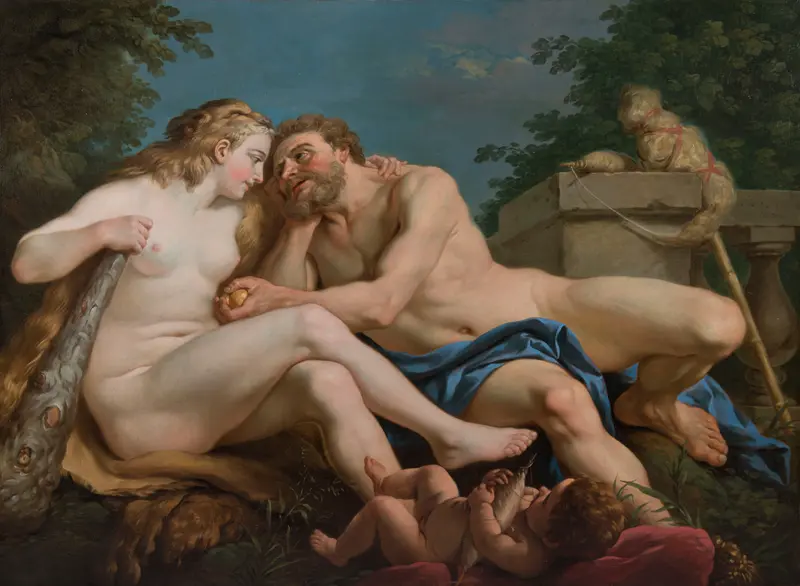
Herkules and Omphale
Louis-Jean-François Lagrenée
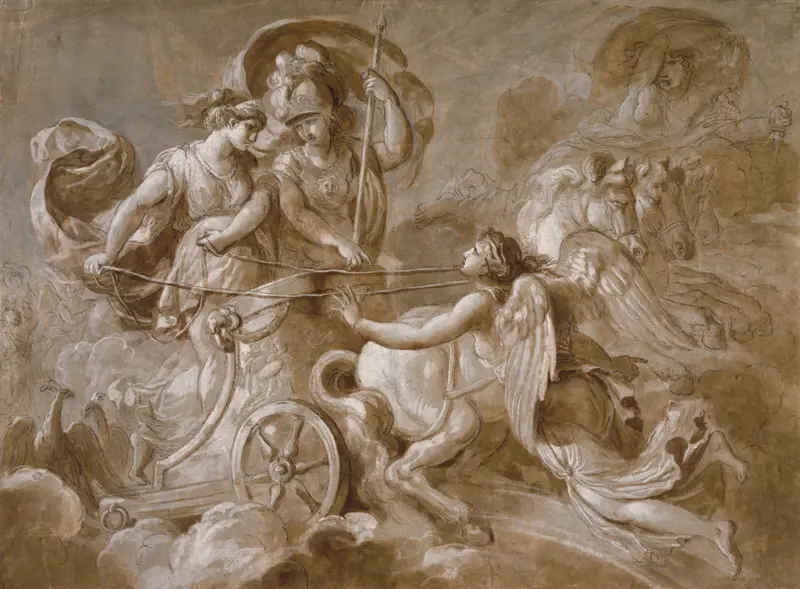
Iris Approaching Athena and Hera
Louis-Jean-François Lagrenée
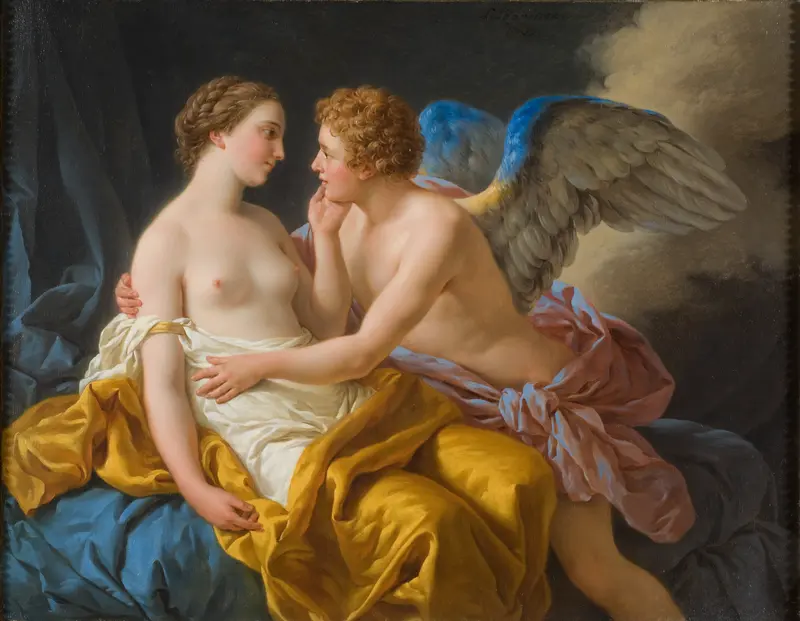
Cupid and Psyche
Louis-Jean-François Lagrenée
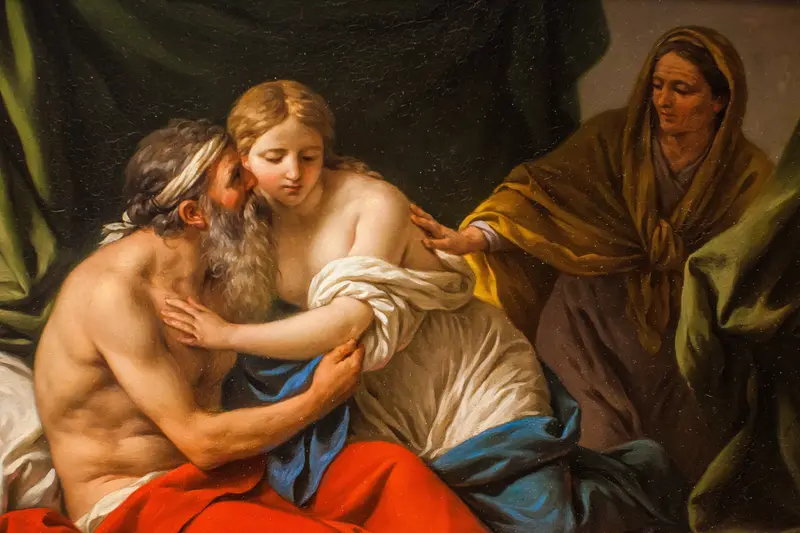
Sarah Presenting Hagar to Abraham
Louis-Jean-François Lagrenée
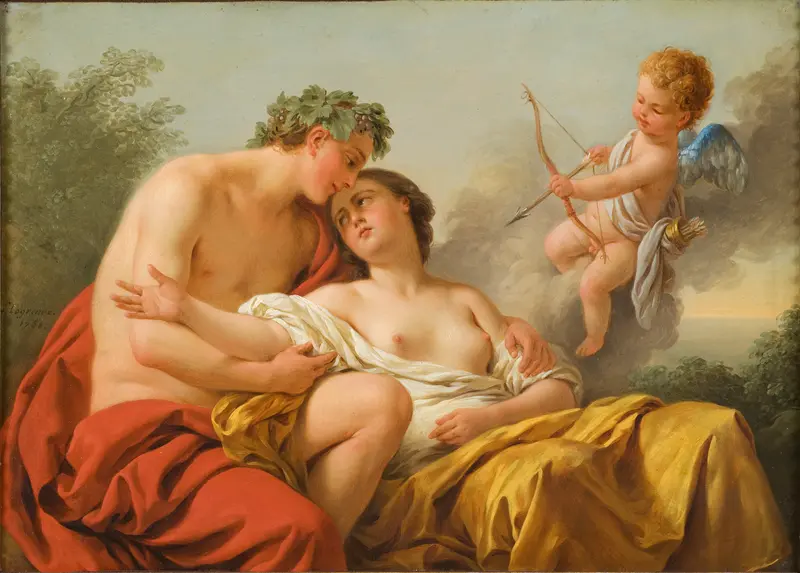
Bacchus and Ariadne
Louis-Jean-François Lagrenée
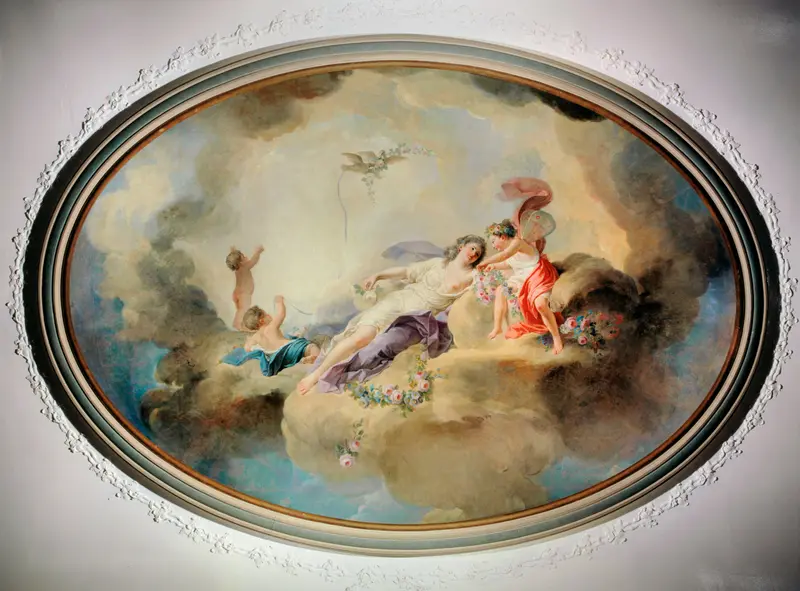
Louis Jean François Lagrenée Le triomphe de Flore P787 Musée Carnavalet
Louis-Jean-François Lagrenée
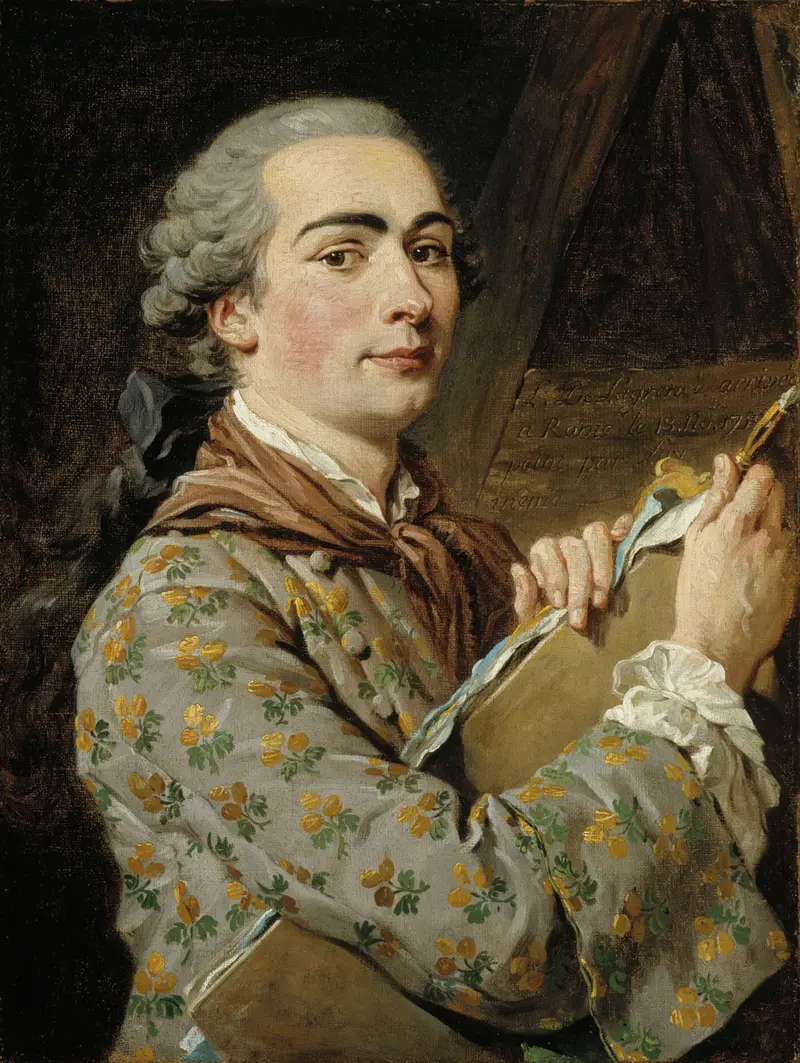
Self-Portrait
Louis-Jean-François Lagrenée
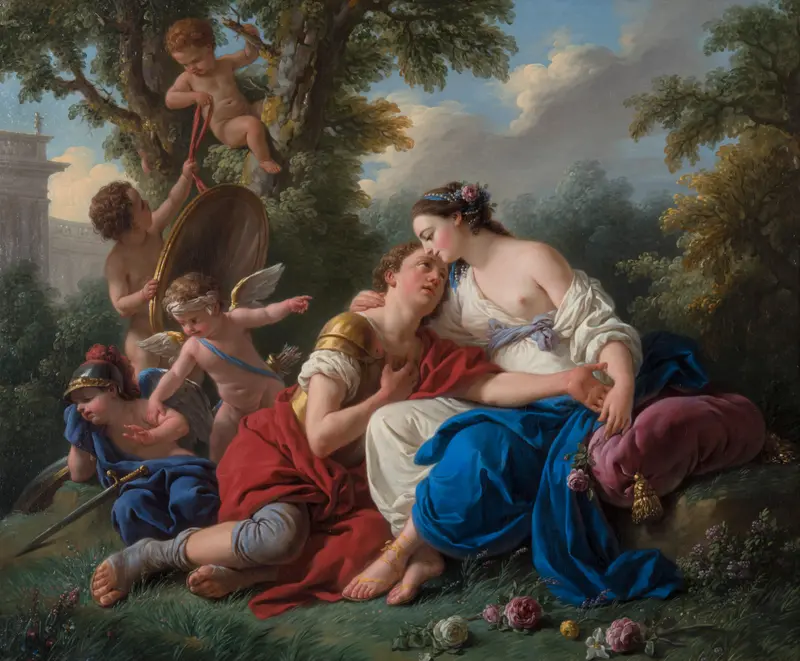
Rinaldo and Armida
Louis-Jean-François Lagrenée
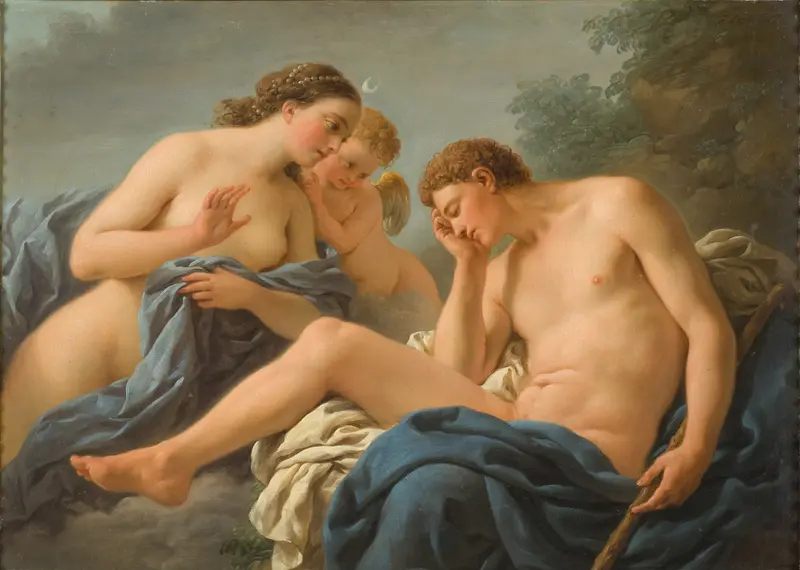
Diana and Endymion
Louis-Jean-François Lagrenée
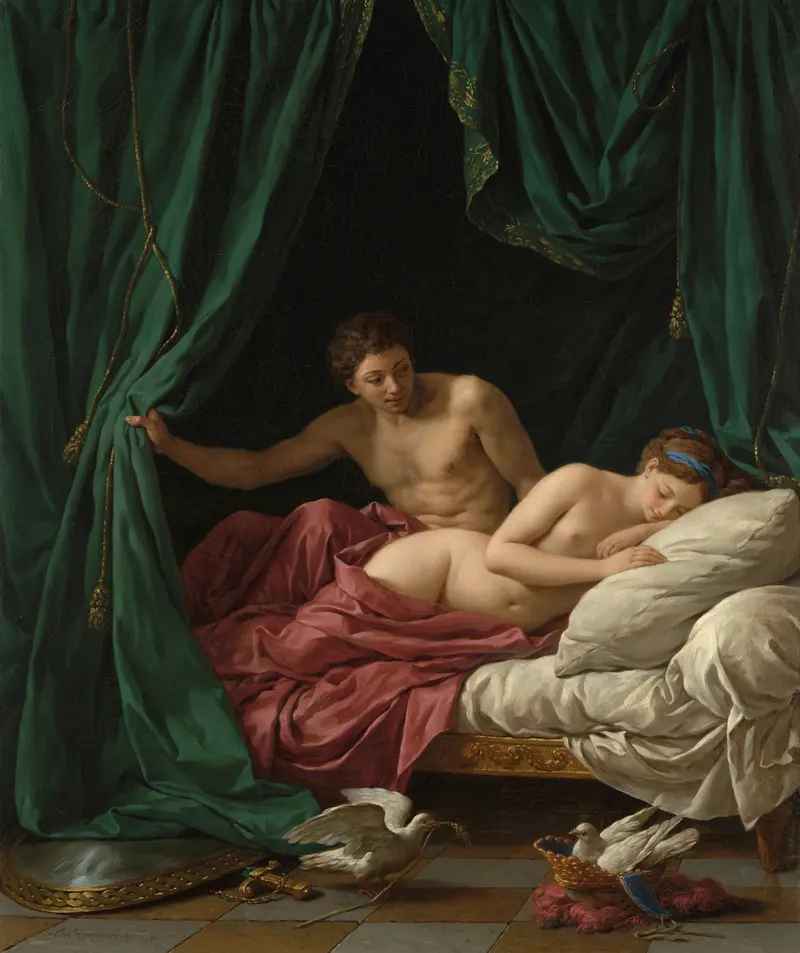
Mars and Venus, Allegory of Peace
Louis-Jean-François Lagrenée





