
Alley in the Evening — History & Facts
When did color learn to lie? As if drawn from the depths of a wistful memory, the scene unravels a narrative of longing and solitude. Look to the left at the muted hues of the cobblestone path, the shadows deepening as they stretch towards the vanishing point. The gentle gradient of twilight softens the edges of the buildings, while the interplay of ochre and indigo imbues the atmosphere with a haunting melancholy. Notice how the light flickers through the branches, creating a lattice of warmth that seems to beckon yet repel, as if the alley itself holds secrets untold. Amidst the stillness, the contrasting elements of light and shadow raise emotional tensions, capturing the essence of human experience.
The narrowing pathway suggests a journey both literal and metaphorical, evoking a sense of entrapment against the backdrop of a fading day. Small details—a lone figure poised at the entrance, or the distant glow of a window—echo the complexity of solitude, where beauty intertwines with despair, inviting introspection in the viewer. In 1930, Ľudovít Čordák painted this piece during a time of significant artistic exploration in Central Europe, as movements like Surrealism began to emerge. At this juncture, he was reshaping his own style, transitioning from realism toward a more emotive expressionism.
The world around him was marked by social and political upheaval, which undoubtedly influenced his exploration of mood and atmosphere, leaving an indelible mark on his evolving artistic identity.
More Artworks by Ľudovít Čordák
Browse all →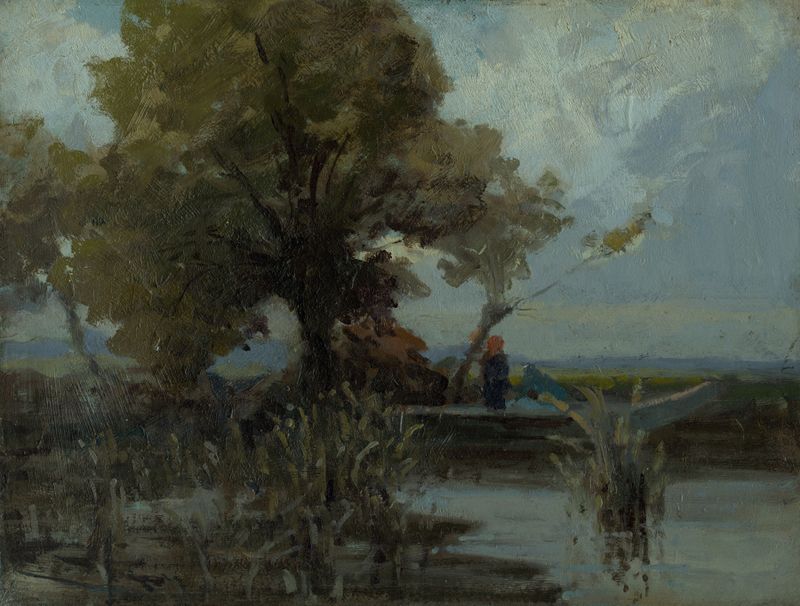
Košatý strom pri jazere
Ľudovít Čordák
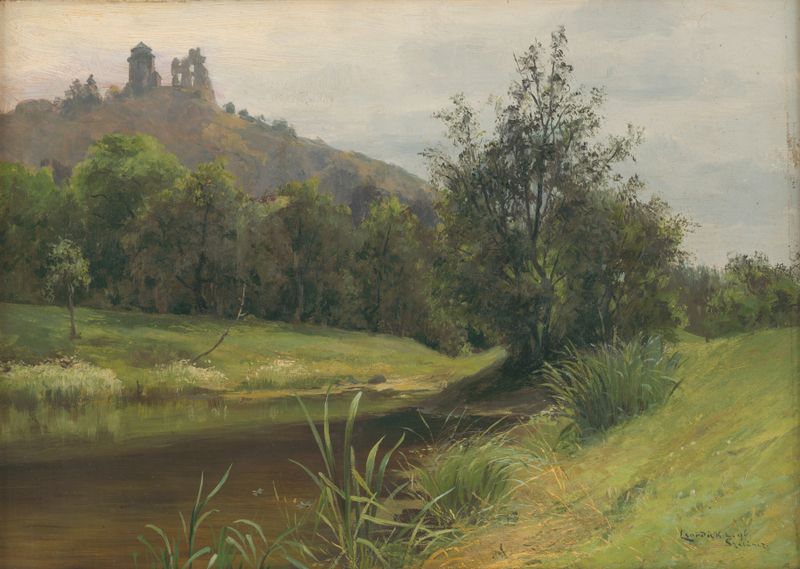
Močarina pod Slaneckým hradom
Ľudovít Čordák
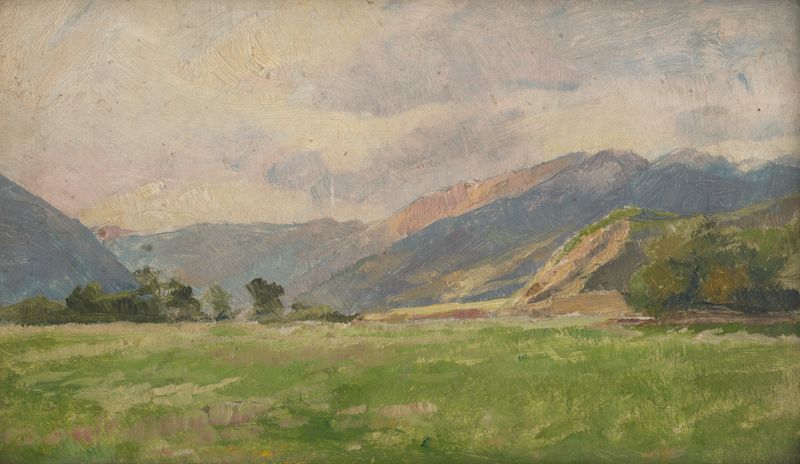
Mountain Meadow
Ľudovít Čordák
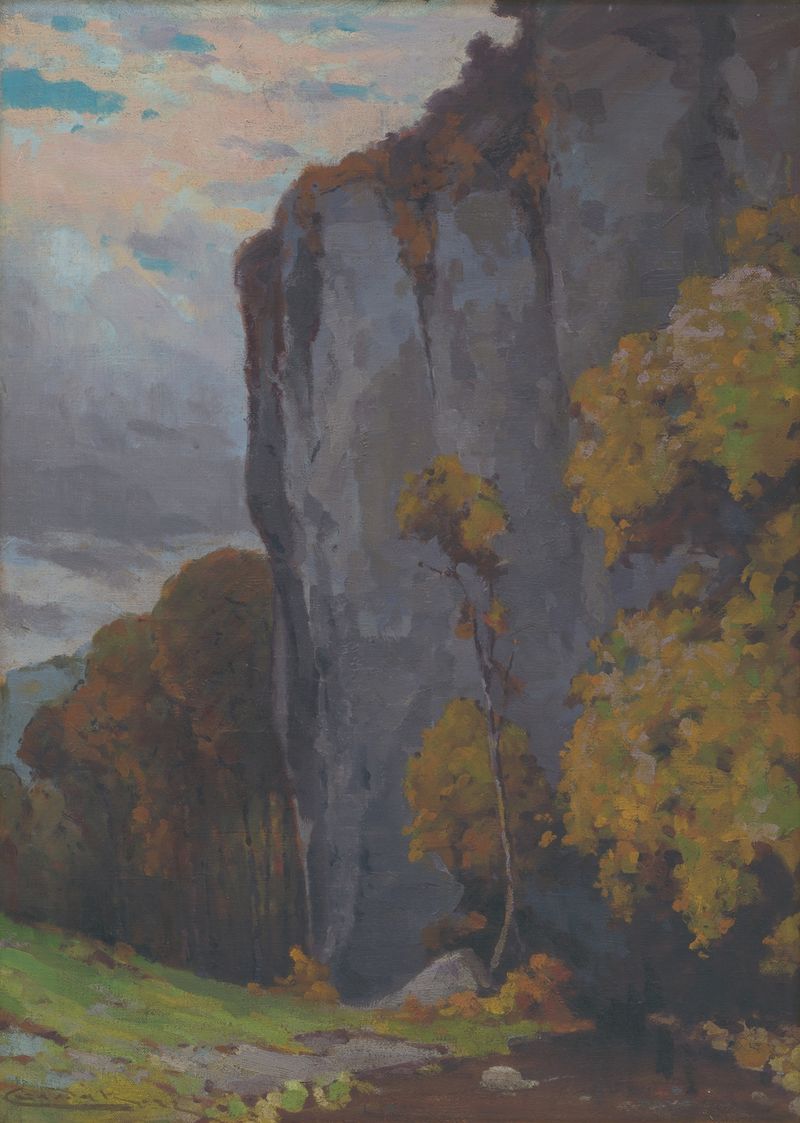
Zádiel
Ľudovít Čordák
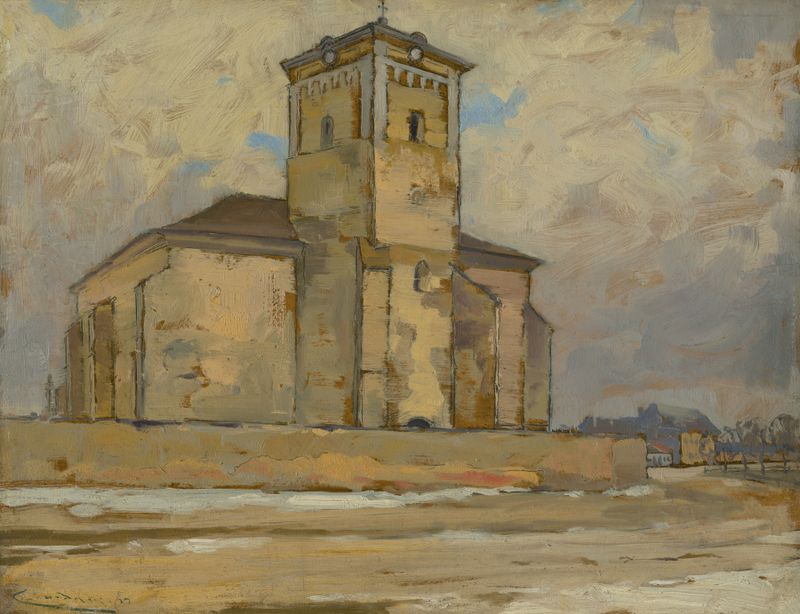
Church in Moldova
Ľudovít Čordák
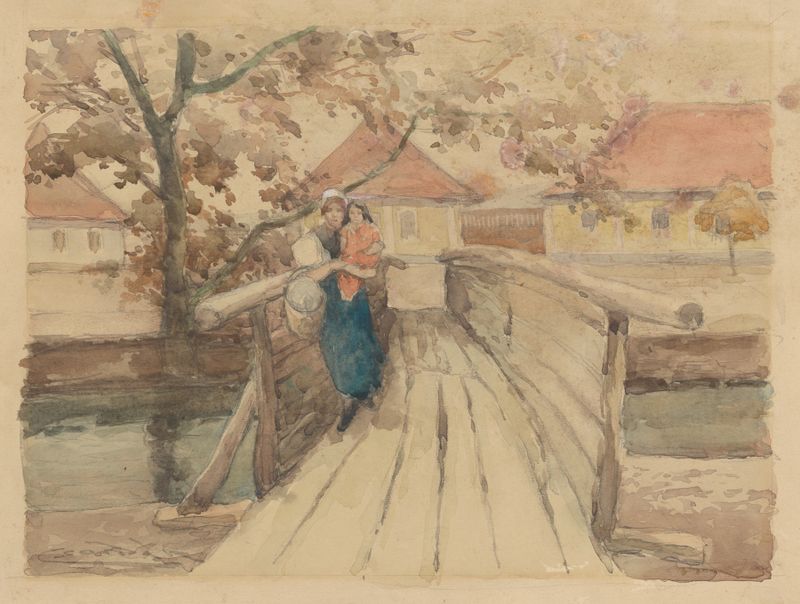
Wooden bridge
Ľudovít Čordák
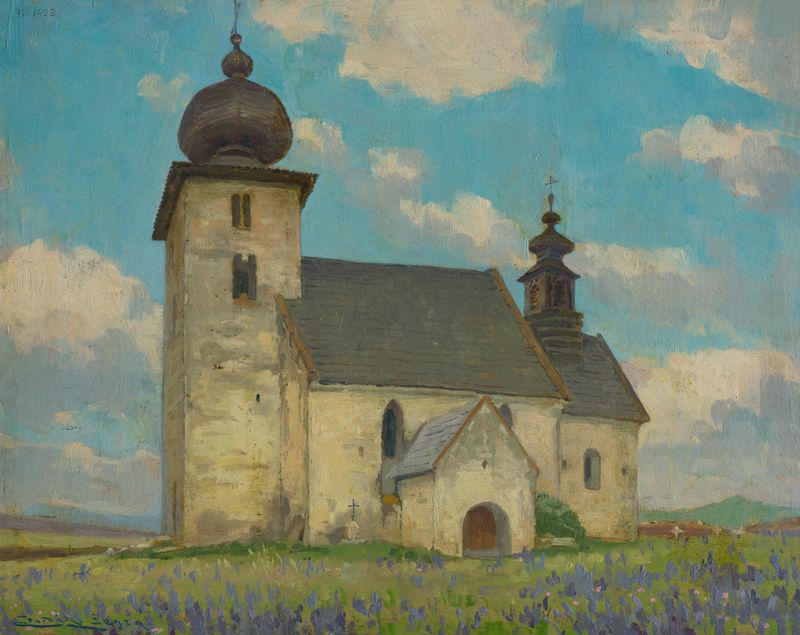
Gothic church in Žehra
Ľudovít Čordák
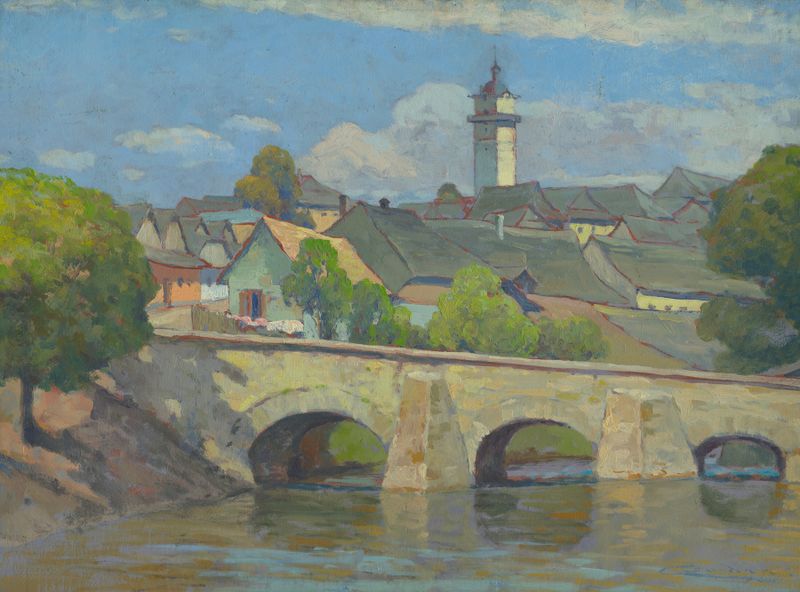
A small town in Spiš
Ľudovít Čordák
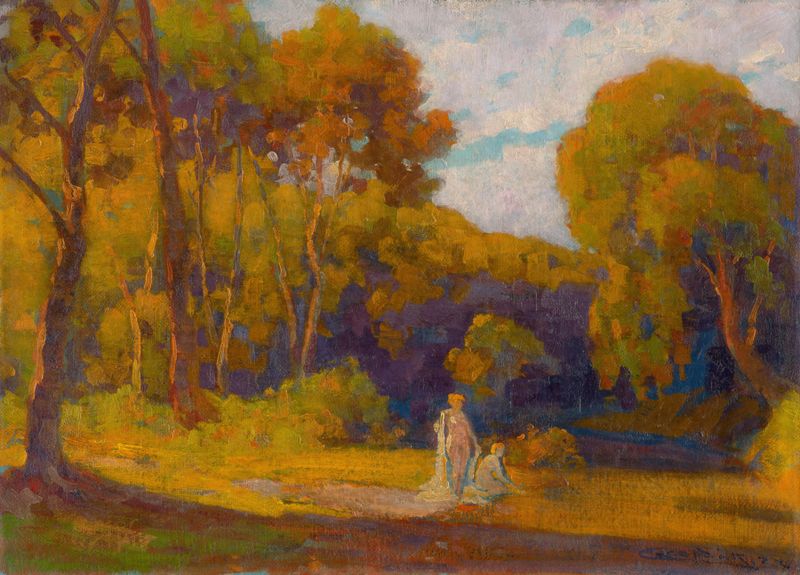
At Sunset
Ľudovít Čordák
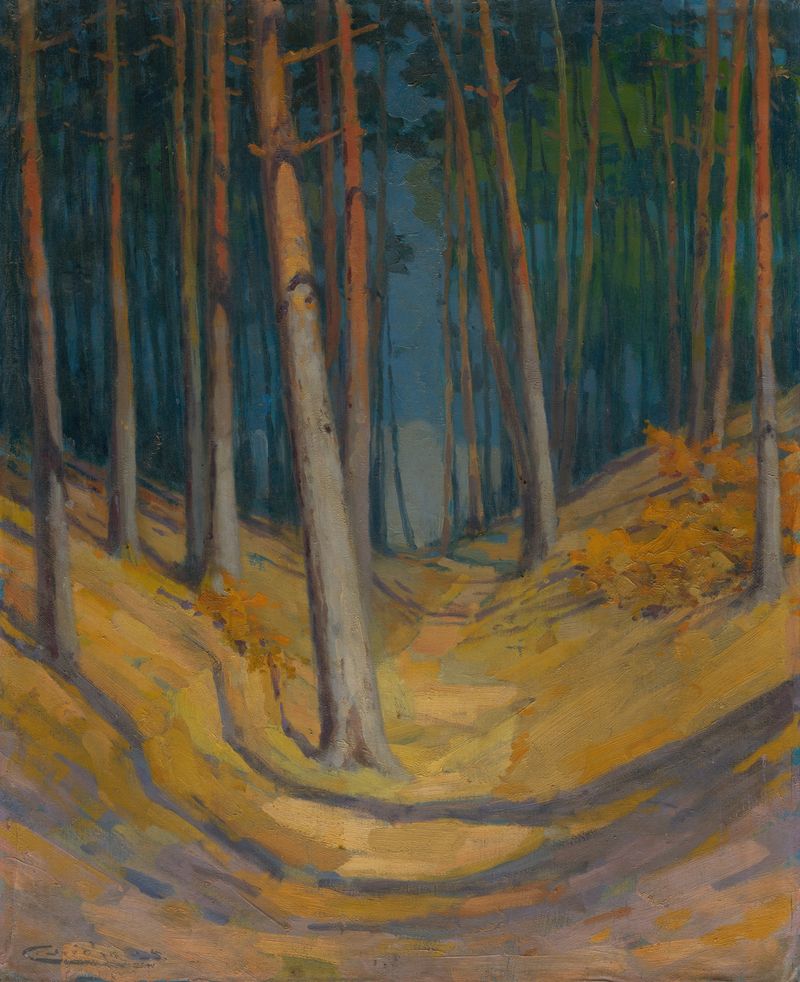
Forest
Ľudovít Čordák





