
Alppikoski — History & Facts
A torrent of white water tumbles through the heart of this painting, its force carving a wild path between moss-dark boulders and towering pines that seem to lean in, bracing themselves against the spray. The eye is drawn up from the churning froth to the drama of the sky, where clouds gather and part to reveal a distant, jagged peak—half-shrouded, half-illuminated. Every brushstroke in the trees and rocks is a study in tension: the vertical thrust of the firs, the angular defiance of the stones, the restless energy of the water.
The palette is deep and cool, with flashes of light that catch on wet rock and needle, suggesting both the chill and the vitality of high mountain air. In Alppikoski, Alexandre Calame chooses not serenity, but the restless, living force of nature as his subject. Works like this emerged from a nineteenth-century hunger for the grandeur of the natural world, especially among artists and collectors shaped by Romantic ideals. Painters such as Calame—celebrated for his Alpine scenes—were sought after by a public eager for images that captured the awe and mystery of remote landscapes.
Though little is recorded about the specific journey of this painting, its presence in the Finnish National Gallery collection (http://kokoelmat.fng.fi/app?si=A+II+1355) speaks to the enduring appeal of such vistas far beyond their origins. In an age when travel was difficult and the mountains distant, a painting like this was both a window and a challenge: how small, and how alive, we are in the face of the world’s wild places.
Sources: Wikidata Q20782730 · Image source (Wikimedia Commons)
More Artworks by Alexandre Calame

By the Lake of Thun
Alexandre Calame
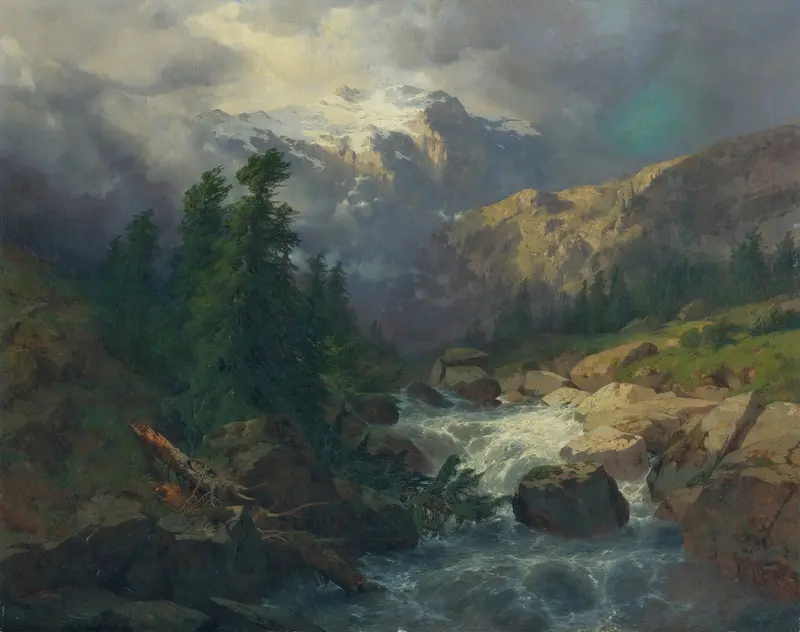
Souvenir Handeck, Stormy Weather
Alexandre Calame
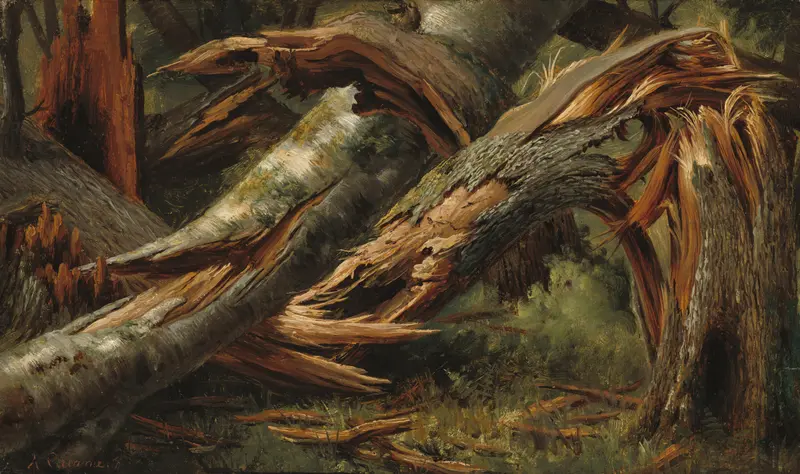
Fallen Tree
Alexandre Calame
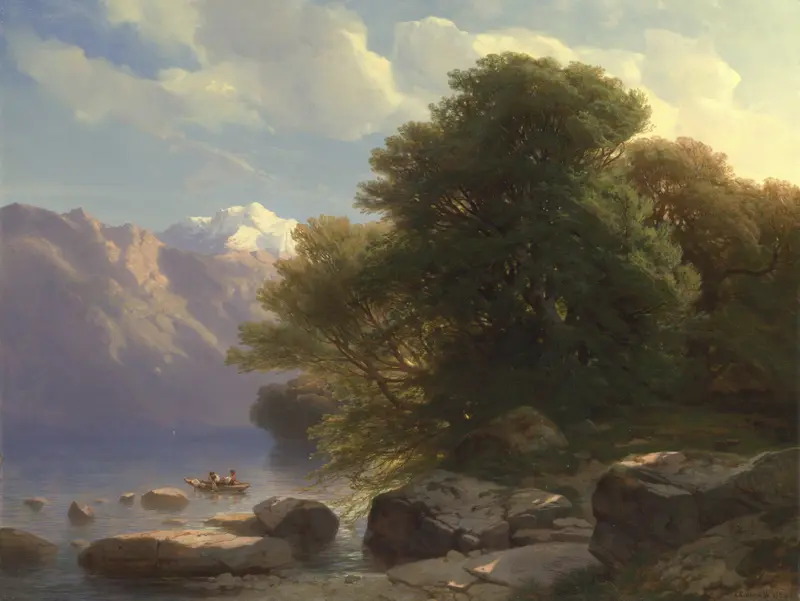
The Lake of Thun
Alexandre Calame
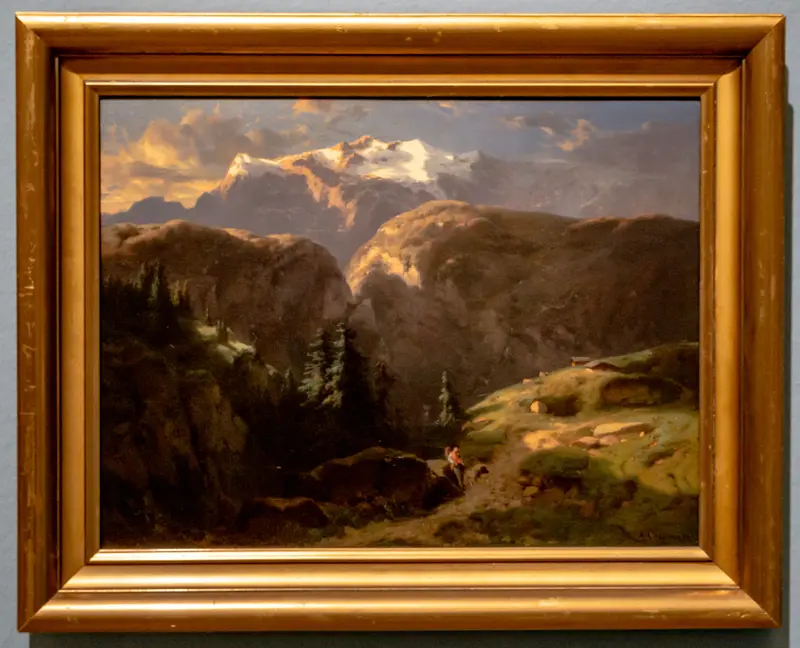
The Weatherhorn
Alexandre Calame
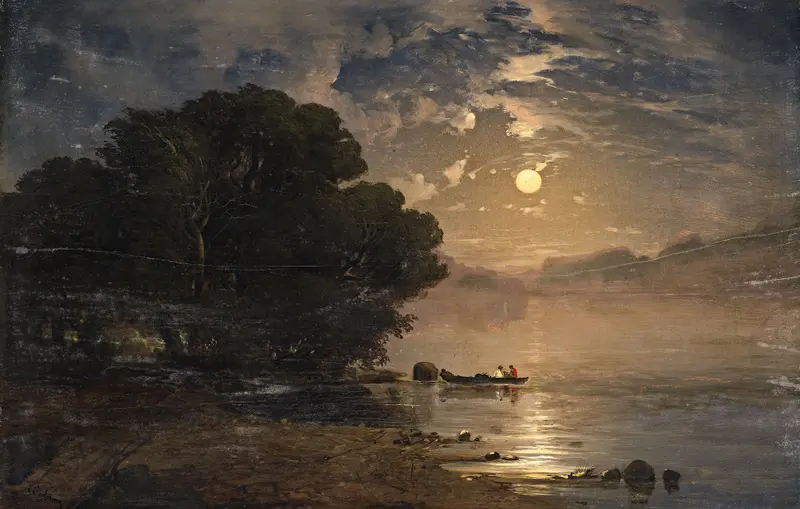
Evening Landscape with a Lake
Alexandre Calame
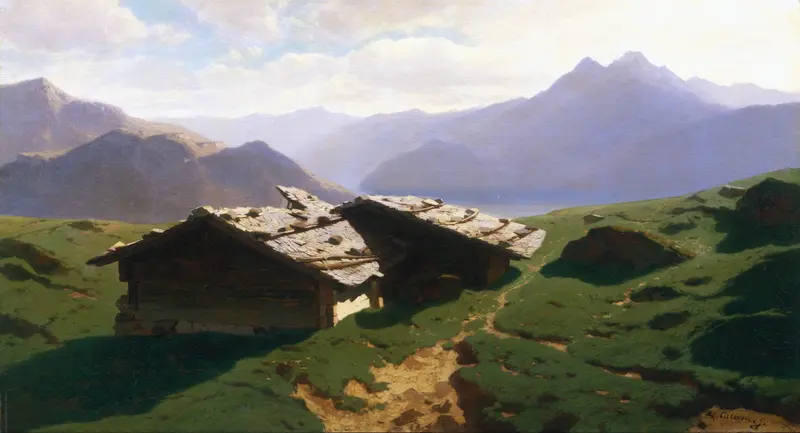
Chalets at Rigi
Alexandre Calame

View of the Wetterhorn and the Reichenbach from Meiringen
Alexandre Calame
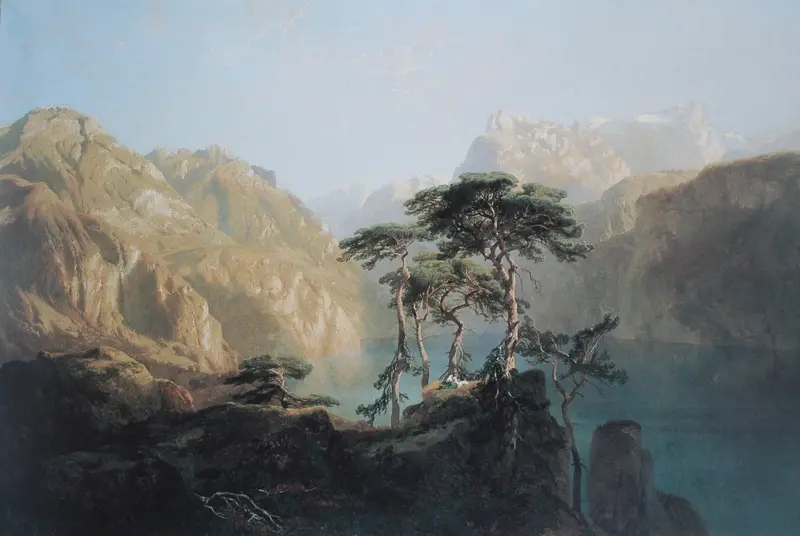
Calame Der Vierwaldstättersee
Alexandre Calame
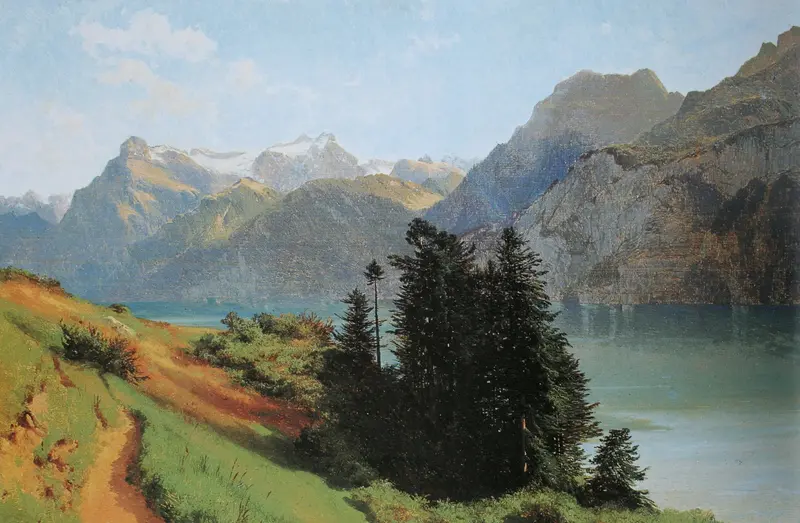
Calame Vierwaldstättersee mit Urirotstock
Alexandre Calame
More Landscape Art

The Starry Night
Vincent van Gogh

View of Delft
Johannes Vermeer

Water Lilies
Claude Monet

The Grand Canal, Venice, looking north-west from the Ca' Corner to the Ca' Contarini degli Scrigni, with the campanile of Santa Maria della Carità
Canaletto

Windsor Castle
Canaletto

The Grand Canal looking North-East from the Palazzo Dolfin-Manin to the Rialto Bridge
Canaletto