
Fallen Tree — History & Facts
What grips the eye in Fallen Tree by Alexandre Calame is not a sweeping vista, but a close encounter with the raw aftermath of nature’s own force. The jagged splinters and exposed heartwood thrust forward, as if the tree has only just crashed to earth. Light glances off the torn surfaces, tracing the violence of the break and leading us through a tangle of limbs that block any easy passage.
The palette is earthy, but the brushwork is urgent—each stroke seems to echo the rending of wood, the suddenness of collapse. Calame gives the fallen trunk a monumentality, inviting us to consider not just the forest, but the drama within a single tree’s fate. Painted between circa 1839 and 1845, this work belongs to a moment when artists across Europe were turning their gaze to the landscape, seeking not just beauty but truth in the details of the natural world. In Switzerland, where Calame worked, such studies were both a celebration of local scenery and a meditation on the cycles of life and decay.
While grand mountain scenes often dominated commissions, a painting like this—now in the National Gallery of Art, Washington, D.C.—reminds us that the forest floor, too, was worthy of attention. History has kept few traces of this particular tree, but Calame’s eye for the drama in the ordinary sends us back to the image, searching for stories in every splinter.
Sources: Wikidata Q20186424 · Image source (Wikimedia Commons)
More Artworks by Alexandre Calame

By the Lake of Thun
Alexandre Calame
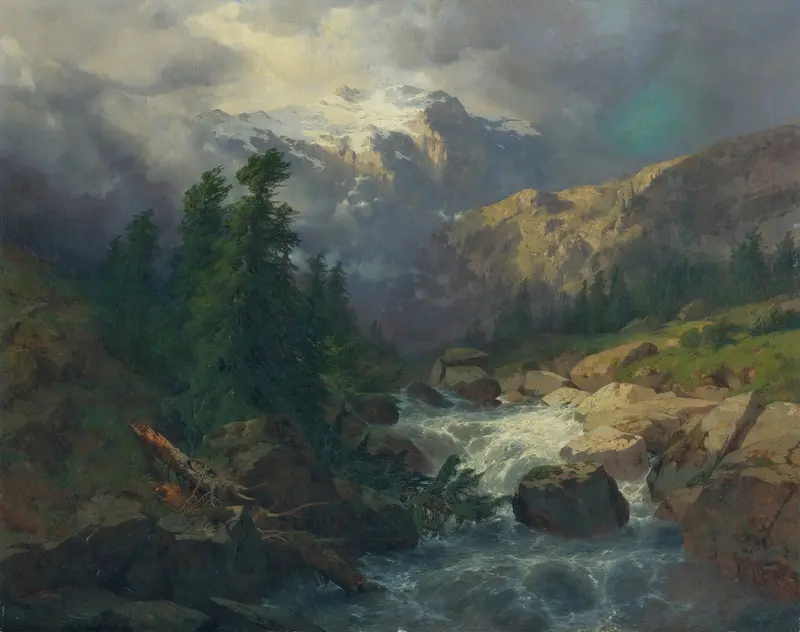
Souvenir Handeck, Stormy Weather
Alexandre Calame
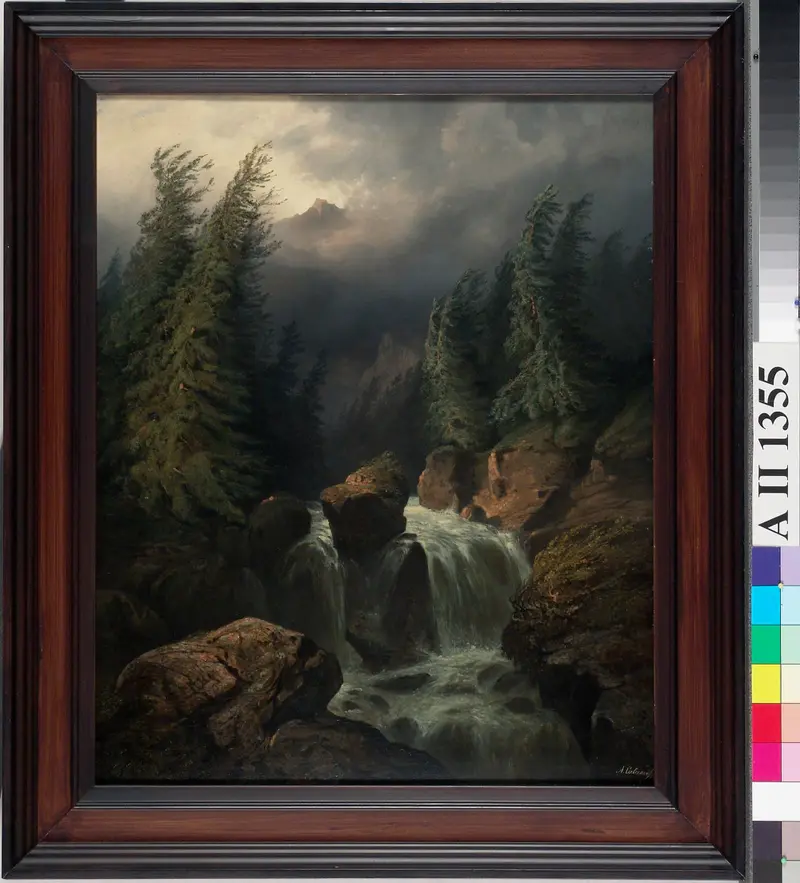
Alppikoski
Alexandre Calame
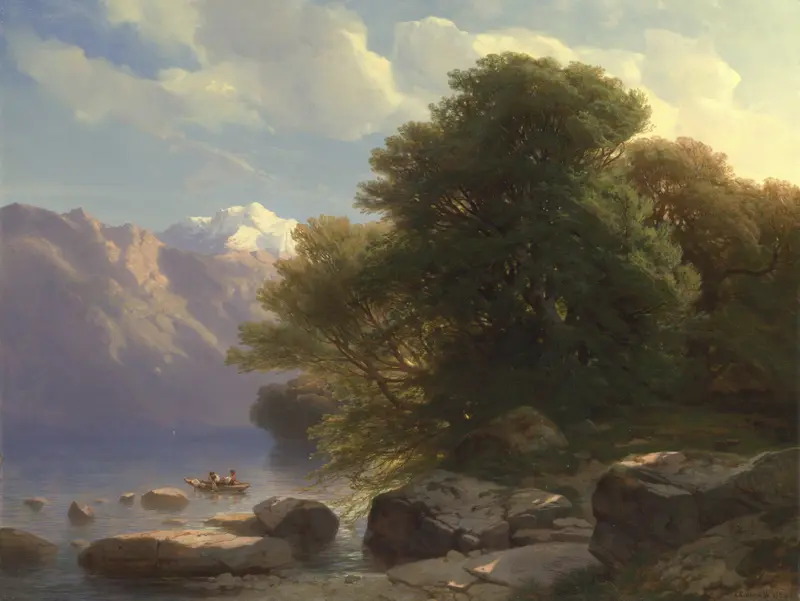
The Lake of Thun
Alexandre Calame
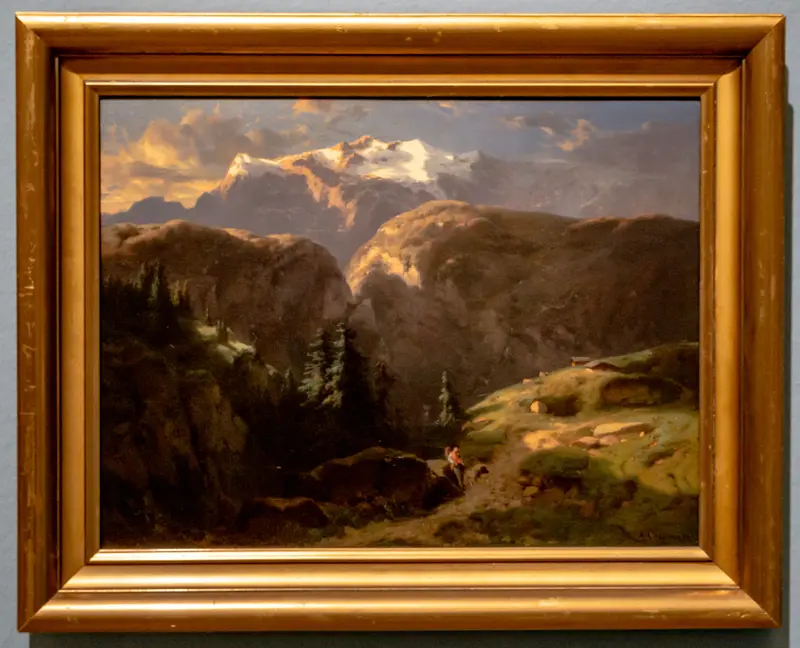
The Weatherhorn
Alexandre Calame
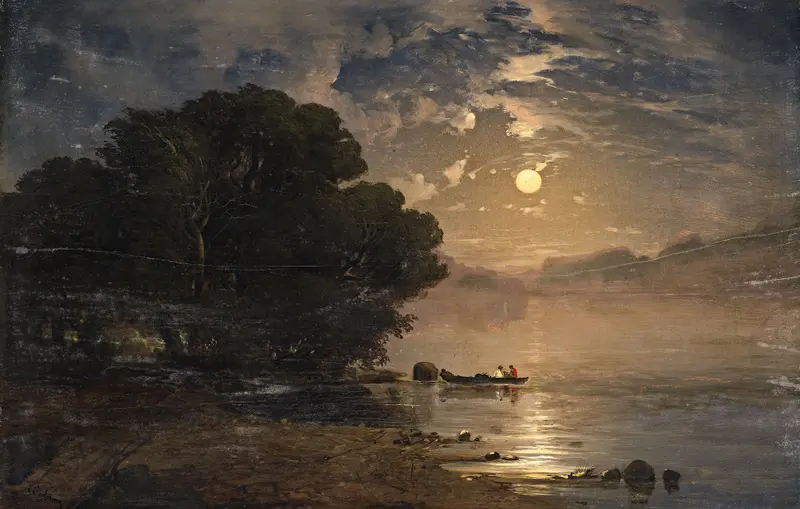
Evening Landscape with a Lake
Alexandre Calame
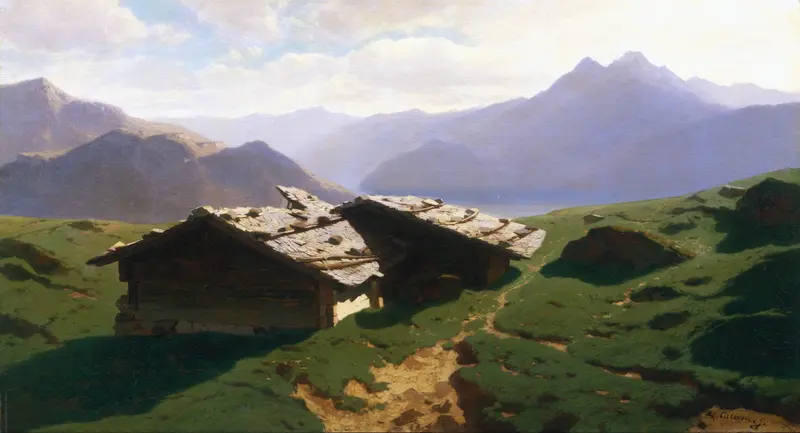
Chalets at Rigi
Alexandre Calame

View of the Wetterhorn and the Reichenbach from Meiringen
Alexandre Calame
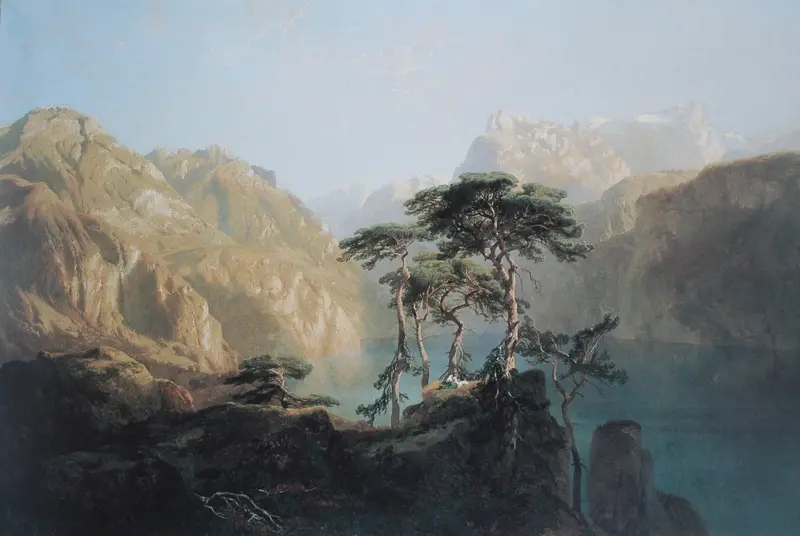
Calame Der Vierwaldstättersee
Alexandre Calame
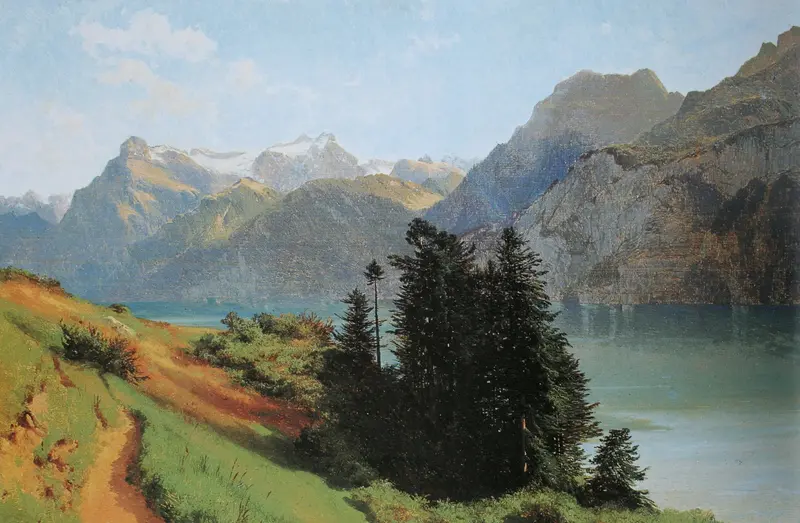
Calame Vierwaldstättersee mit Urirotstock
Alexandre Calame
More Landscape Art

The Starry Night
Vincent van Gogh

View of Delft
Johannes Vermeer

Water Lilies
Claude Monet

The Grand Canal, Venice, looking north-west from the Ca' Corner to the Ca' Contarini degli Scrigni, with the campanile of Santa Maria della Carità
Canaletto

Windsor Castle
Canaletto

The Grand Canal looking North-East from the Palazzo Dolfin-Manin to the Rialto Bridge
Canaletto