
Evening Landscape with a Lake — History & Facts
The first thing to catch the eye in Evening Landscape with a Lake is the hush that settles over the scene, as if the entire world has paused to watch the moon’s reflection ripple across the water. Alexandre Calame leads us into this quiet drama by drawing our gaze from the shadowed shoreline, where rocks glimmer with borrowed light, to the glowing orb suspended in a sky thick with cloud and possibility. The dense cluster of trees on the left stands as a dark counterweight to the luminous expanse, their forms dissolving into the dusk.
At the water’s edge, a small boat slips by, its passengers mere silhouettes—one lit by a white garment, another marked by a flash of red—anchoring the vastness with a touch of human presence. The light here is not just illumination but a kind of invitation, drawing us into the mystery of what lies beyond the trees, beyond the lake, beyond the night. Works like this flourished in the nineteenth century, when artists such as Calame turned their attention to the majesty and mood of the natural world, often for patrons eager to bring the grandeur of the outdoors into their salons. Swiss painters in particular became known for capturing the drama and serenity of lakes and mountains, sometimes as souvenirs for travelers on the Grand Tour, sometimes as meditations on nature’s shifting moods.
This painting’s journey has brought it, at least for a moment, to the collection of Kunsthaus Lempertz, where it appeared in 2014. History has kept few traces of this specific canvas, but its quiet spell is unmistakable—an invitation to linger in the half-light, and to let the eye wander once more across the lake’s silvery surface.
Sources: Wikidata Q135890354 · Image source (Wikimedia Commons)
More Artworks by Alexandre Calame

By the Lake of Thun
Alexandre Calame
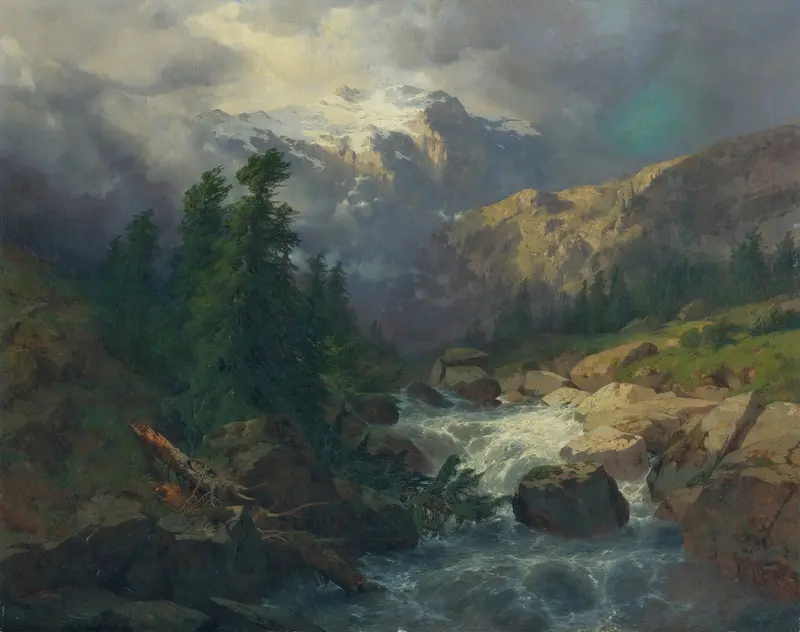
Souvenir Handeck, Stormy Weather
Alexandre Calame
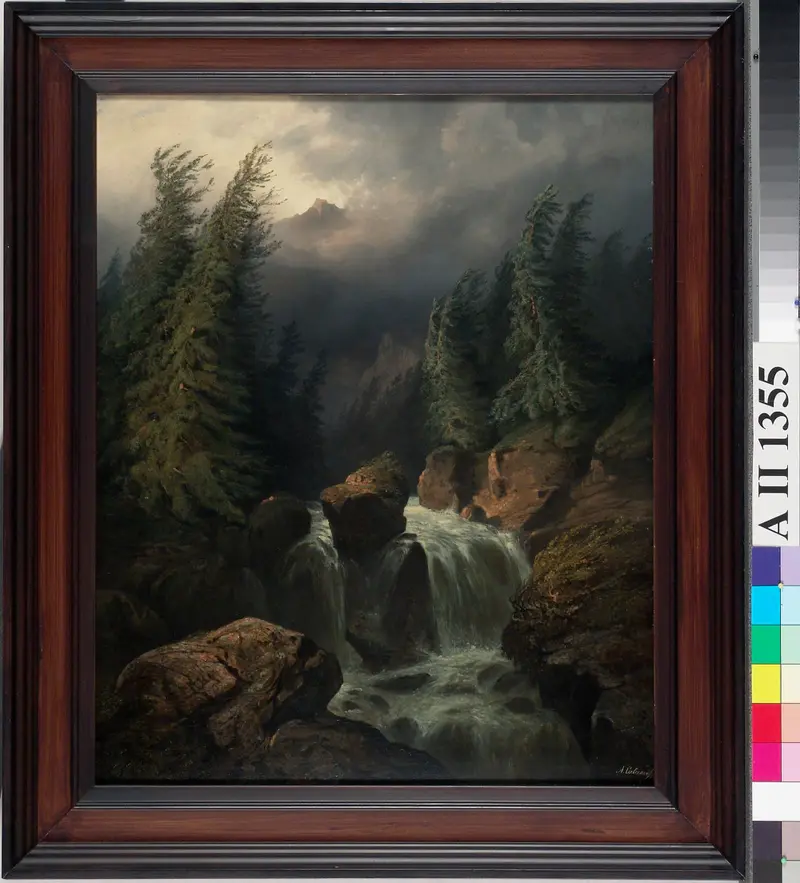
Alppikoski
Alexandre Calame
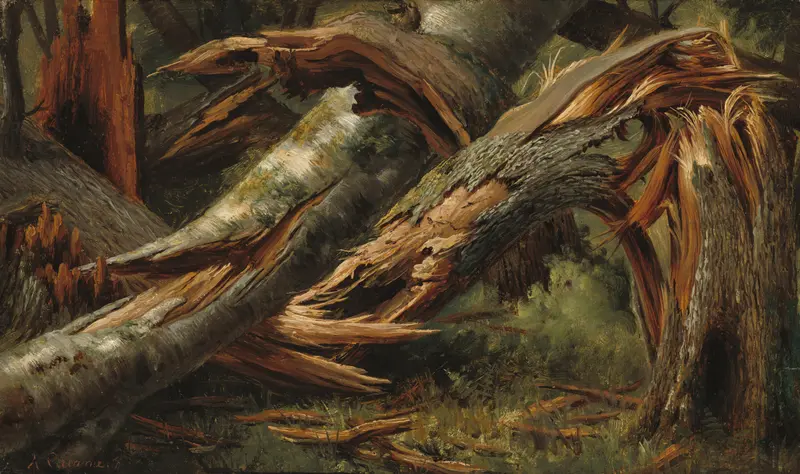
Fallen Tree
Alexandre Calame
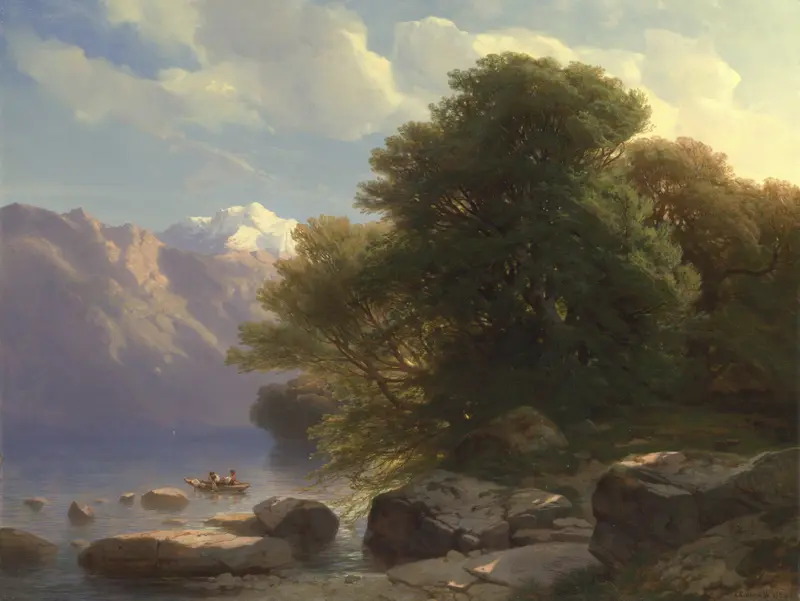
The Lake of Thun
Alexandre Calame
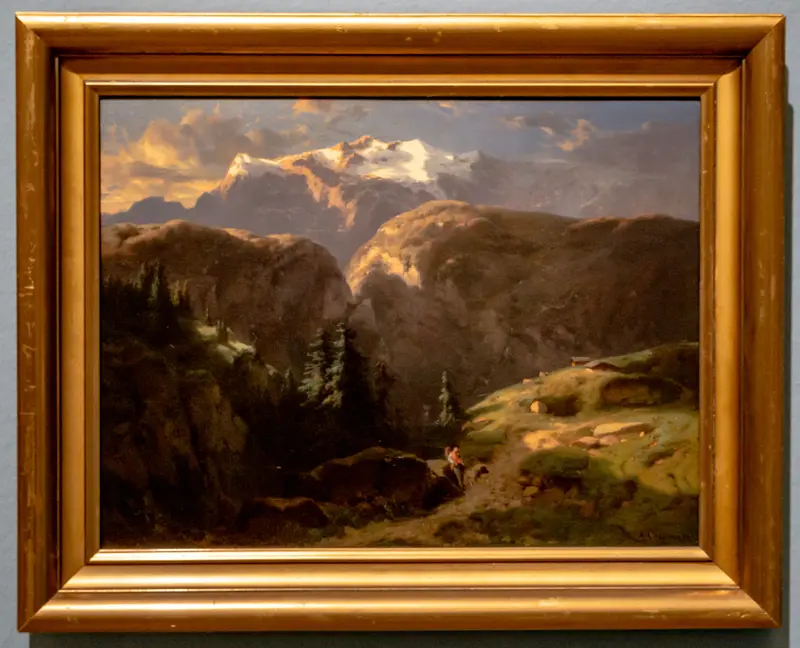
The Weatherhorn
Alexandre Calame
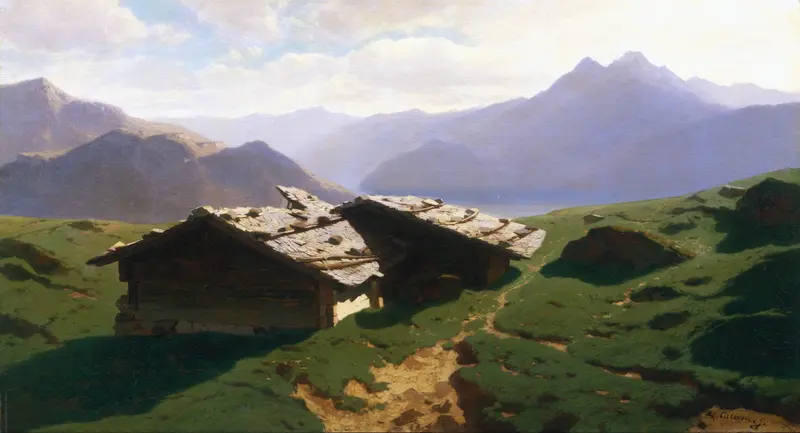
Chalets at Rigi
Alexandre Calame

View of the Wetterhorn and the Reichenbach from Meiringen
Alexandre Calame
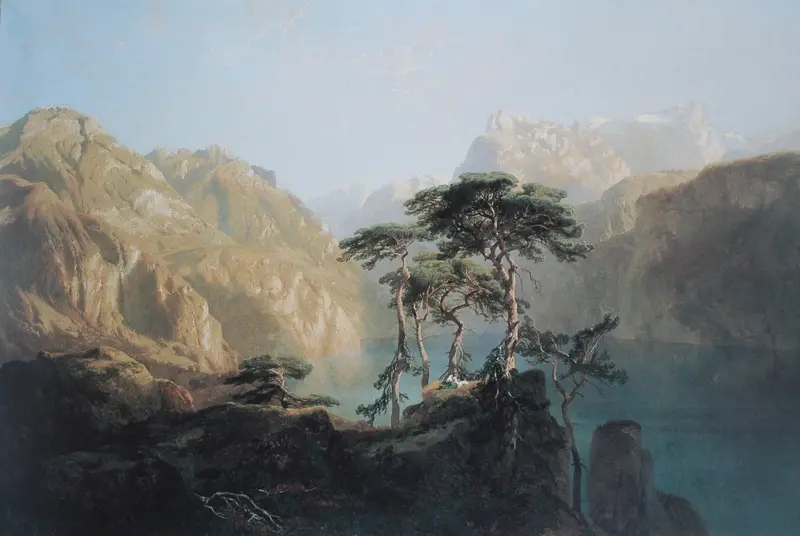
Calame Der Vierwaldstättersee
Alexandre Calame
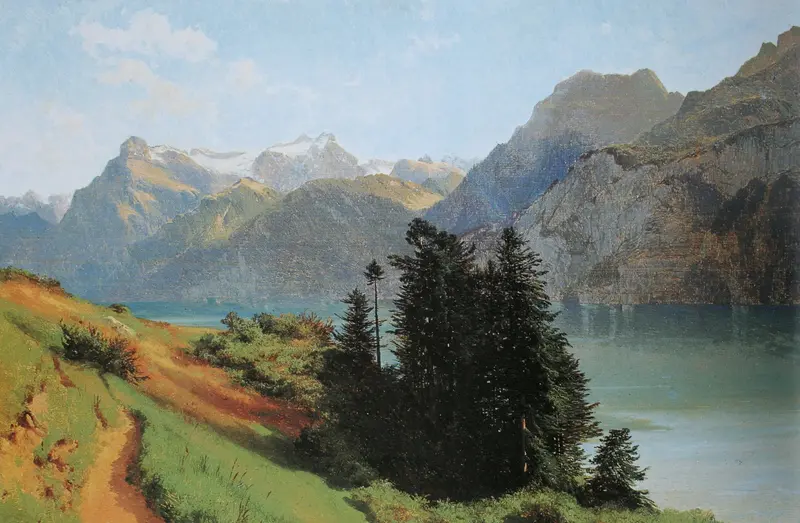
Calame Vierwaldstättersee mit Urirotstock
Alexandre Calame
More Landscape Art

The Starry Night
Vincent van Gogh

View of Delft
Johannes Vermeer

Water Lilies
Claude Monet

The Grand Canal, Venice, looking north-west from the Ca' Corner to the Ca' Contarini degli Scrigni, with the campanile of Santa Maria della Carità
Canaletto

Windsor Castle
Canaletto

The Grand Canal looking North-East from the Palazzo Dolfin-Manin to the Rialto Bridge
Canaletto