
Alt Bechburg — History & Facts
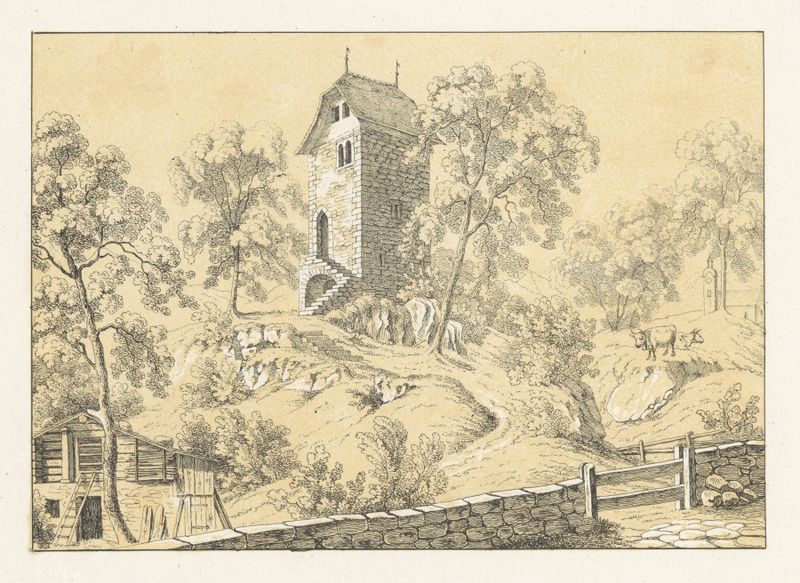
Can paint confess what words never could? In Alt Bechburg, the emotion of creation unfurls across the canvas, inviting contemplation on the boundaries of expression and the power of the visual medium. Look to the left, where the vibrant greens of the landscape bloom, contrasting beautifully with the muted tones of the ancient fortress nestled against the backdrop of the sky. The artist's brushstrokes create a rhythmic play between sharp lines and soft curves, guiding the viewer’s eye through the scene. Notice how light dances across the surface of the water in the foreground, mirroring the interplay of civilization and nature, and inviting a dialogue between the two. Within this picturesque tableau lies a rich interplay of history and the passage of time.
The fortress stands resolute yet crumbles slightly at the edges, a symbol of resilience in the face of decay. The juxtaposition of the lively environment against the solemn structure evokes a bittersweet contemplation of legacy—how creation can be both a testament to human ambition and a reminder of its fragility. During the years between 1840 and 1844, Johann Friedrich Wagner painted this work while navigating the transformative currents of Romanticism in Germany. The burgeoning art movement of the time emphasized emotion and individual experience, reflecting a society grappling with rapid change and the age-old quest for meaning.
As Wagner captured the essence of Alt Bechburg, he became part of a growing dialogue about the role of art in conveying deeper truths about existence and identity.
More Artworks by Johann Friedrich Wagner
Browse all →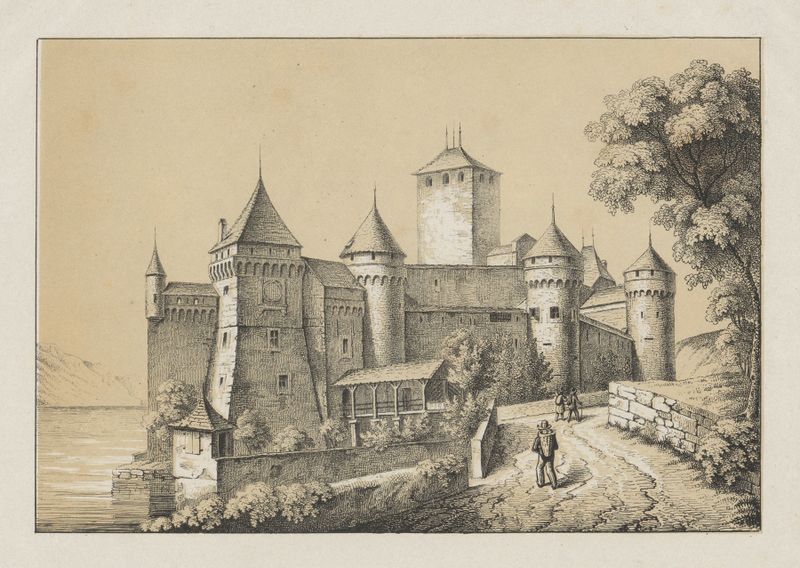
Chillon
Johann Friedrich Wagner

Valangin
Johann Friedrich Wagner
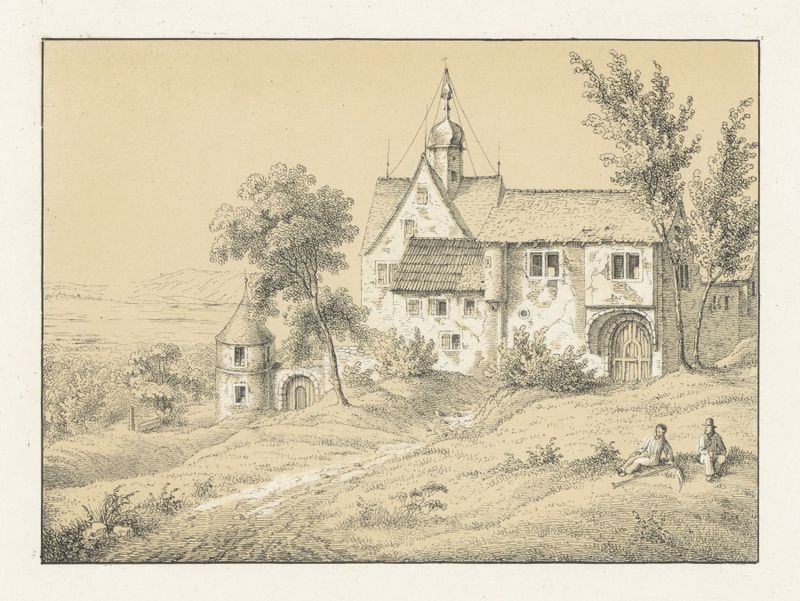
Greifenstein
Johann Friedrich Wagner

Vorburg
Johann Friedrich Wagner
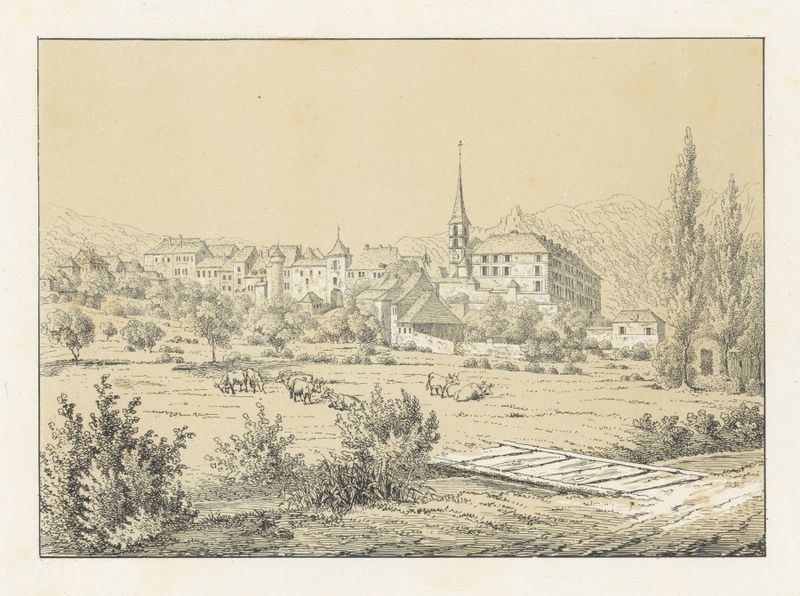
Delémont
Johann Friedrich Wagner

Pleujouse
Johann Friedrich Wagner

Challay
Johann Friedrich Wagner
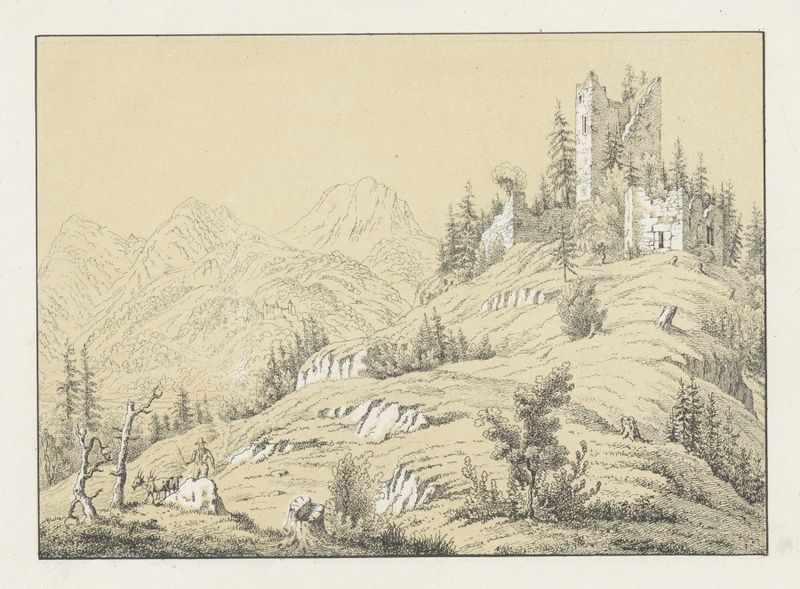
Mont Salvant
Johann Friedrich Wagner
Aha. Od. Untere Burg von Sarnen
Johann Friedrich Wagner
Lausanne
Johann Friedrich Wagner





