
Alt Wartburg u. Saelischloss — History & Facts
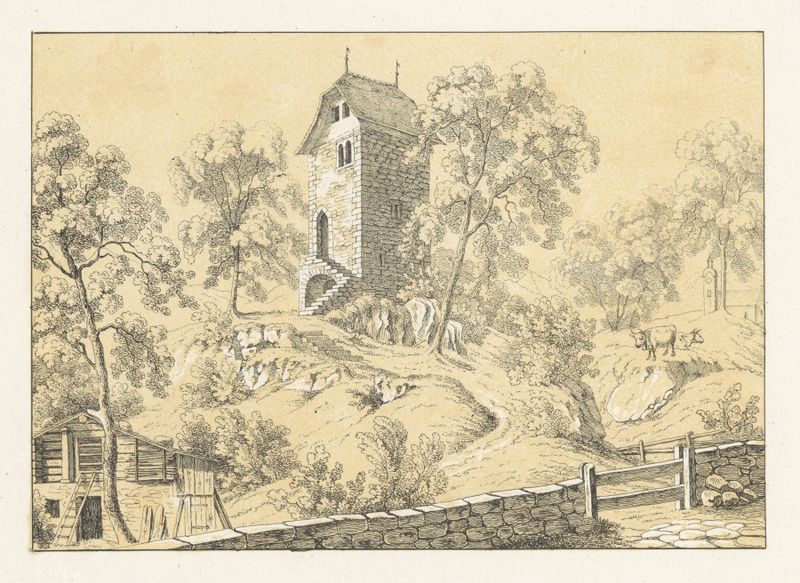
In the realm of art, a void can transform into a captivating world, inviting us to explore the depths of emotional resonance and silent beauty. Focus on the intricate interplay of color and form in this work. Look first at the mysterious foreground, where dark tones blend seamlessly into lighter hues, creating a sense of depth and dimension. The subtle gradations hint at the complexity of the landscape, while the towering structures in the background demand attention.
Notice how light dances across the castle’s façade, illuminating its architectural details and casting delicate shadows that evoke both strength and fragility. Within the composition lies a poignant tension between the natural and the built environment. The fortresses appear both majestic and isolated, embodying a duality of security and solitude. The absence of human figures adds to the feeling of emptiness, as if the viewer is invited to contemplate their own place in this expansive vista.
Each brushstroke whispers the unspoken narratives of history, allowing the landscape to resonate with a profound sense of longing and introspection. Wagner created this work between 1840 and 1844, a period marked by significant shifts in European art and culture. Living in Germany during a time of political upheaval and artistic transition, he was influenced by the Romantic ideals of capturing nature's sublime beauty and the human spirit's complexities. This painting reflects not only his technical prowess but also the cultural dialogues of his time, as artists began to reconcile their emotions with the changing world around them.
More Artworks by Johann Friedrich Wagner
Browse all →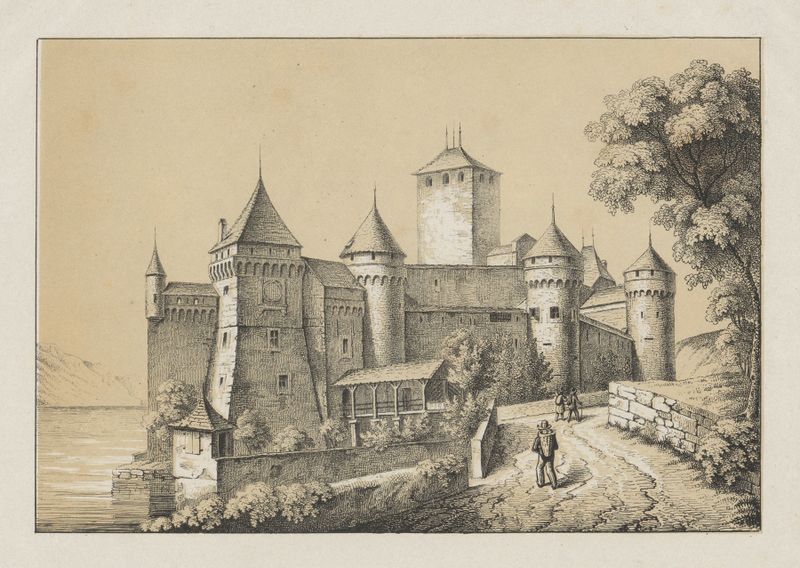
Chillon
Johann Friedrich Wagner

Valangin
Johann Friedrich Wagner
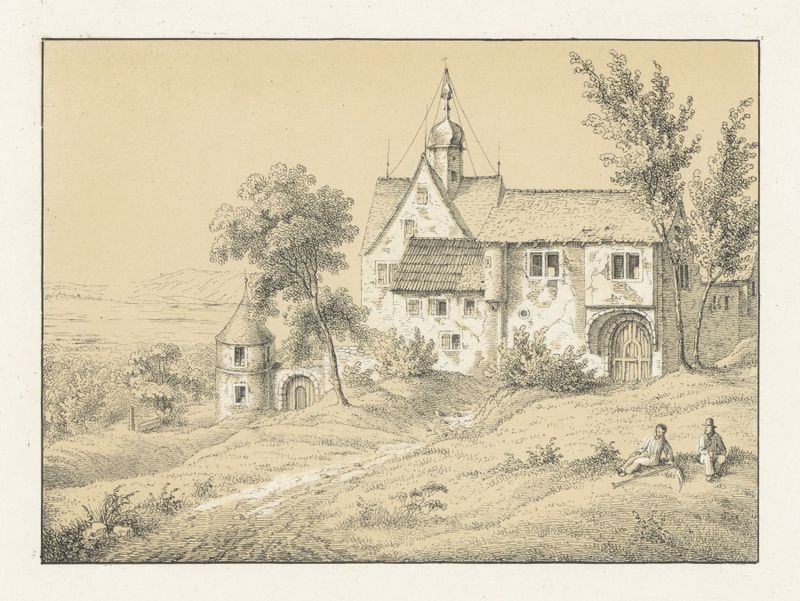
Greifenstein
Johann Friedrich Wagner

Vorburg
Johann Friedrich Wagner
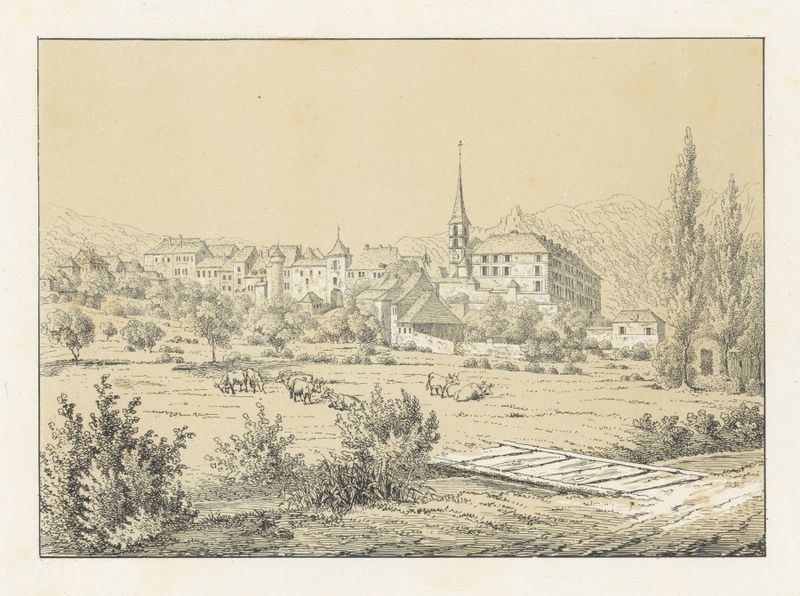
Delémont
Johann Friedrich Wagner

Pleujouse
Johann Friedrich Wagner

Challay
Johann Friedrich Wagner
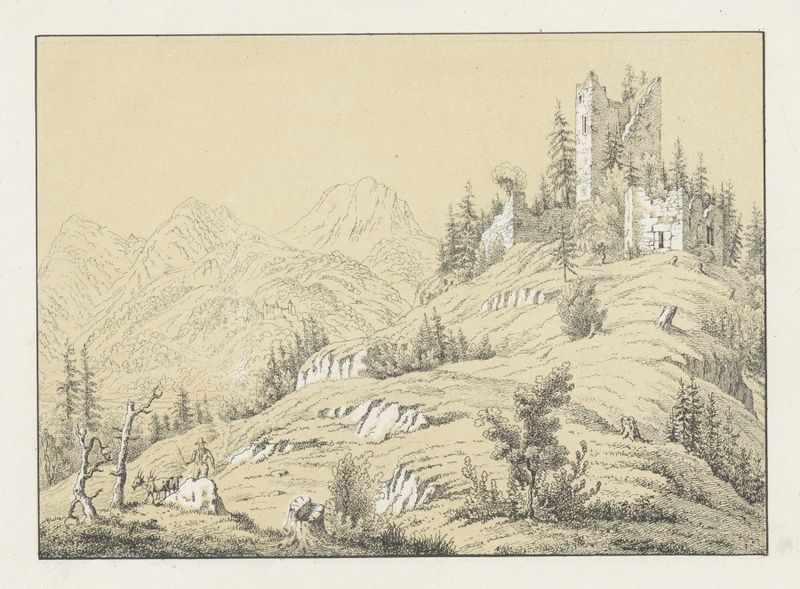
Mont Salvant
Johann Friedrich Wagner
Aha. Od. Untere Burg von Sarnen
Johann Friedrich Wagner
Lausanne
Johann Friedrich Wagner





