
Altes Wirtshaus am Main — History & Facts
In this stillness, the echoes of life and movement linger, weaving through the air and hinting at stories untold. Look to the left at the quaint structure of Altes Wirtshaus am Main, where the warm glow of evening light caresses its weathered façade. The gentle brushstrokes create a sense of texture, inviting you to feel the rustic charm of the tavern. Notice how the reflections of the surrounding trees dance upon the water’s surface, blurring the boundaries between the building and its environment, while the muted colors harmonize with the tranquil setting, giving it a serene yet vibrant essence. The painting captures the essence of a moment suspended in time, yet hints at the liveliness that once filled the air.
The juxtaposition of the still water against the thrum of activity in the past suggests a fleeting nostalgia. Small details, like the slightly open window, symbolize the potential for life and conversation, while the shadows cast by the branches allude to the passage of time, where nature and humanity intertwine, each silently confessing their existences. Eduard Zetsche painted this work during a period when the Romantic movement was flourishing, likely in the late 19th century. He focused on landscapes and rural settings, reflecting the growing appreciation for nature and the everyday lives of people.
At this time, Europe was experiencing significant societal changes, sparking a deeper exploration of identity and place in art, which Zetsche adeptly captured in his evocative compositions.
More Artworks by Eduard Zetsche
Browse all →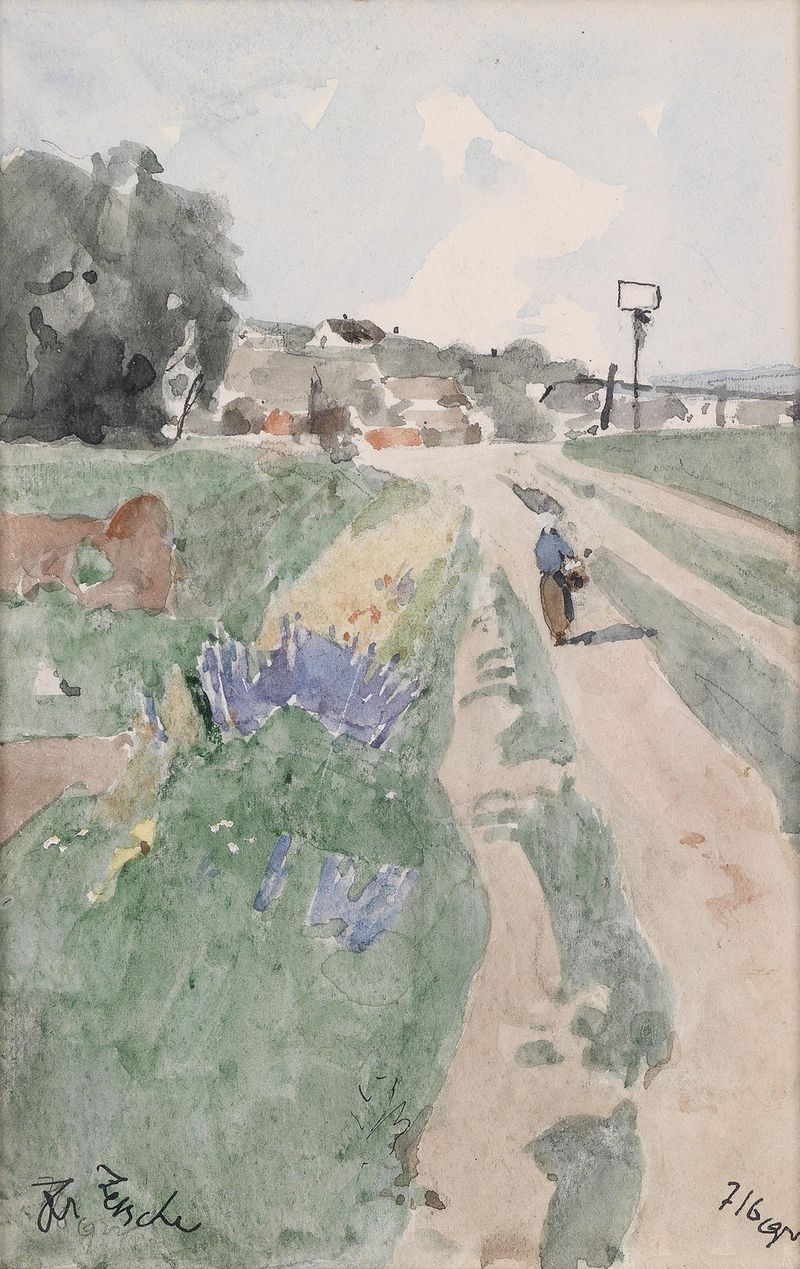
Weg bei Hadersdorf
Eduard Zetsche
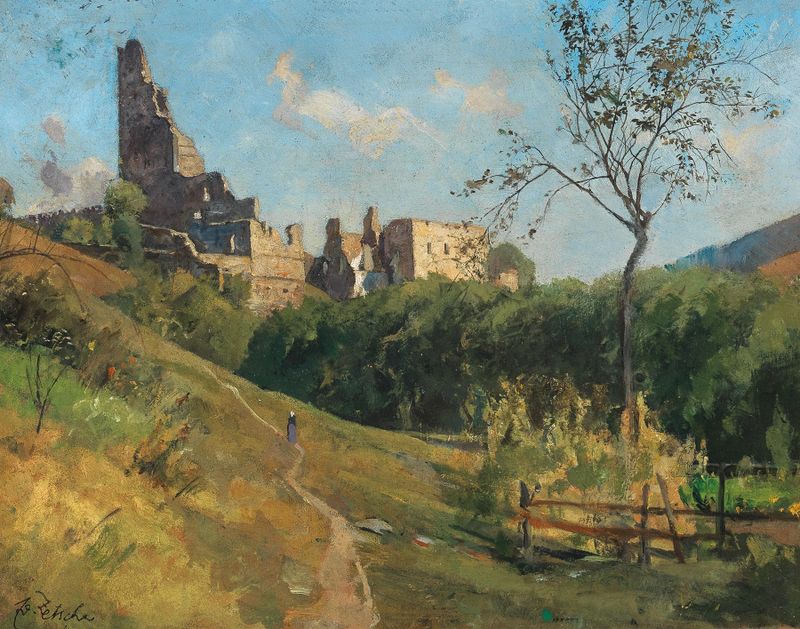
Ruins in the Wachau region
Eduard Zetsche
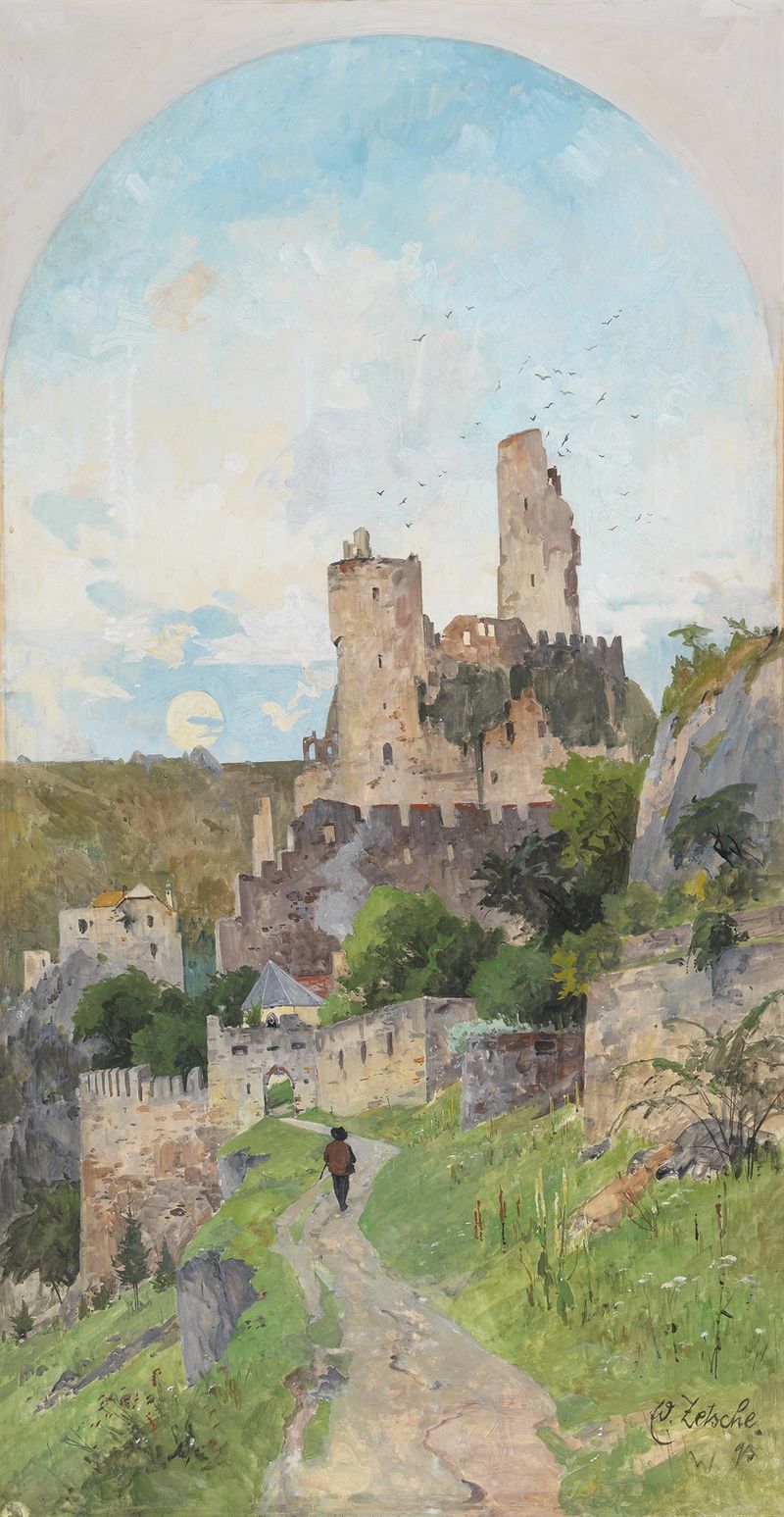
Blick auf die Ruine Dürnstein
Eduard Zetsche
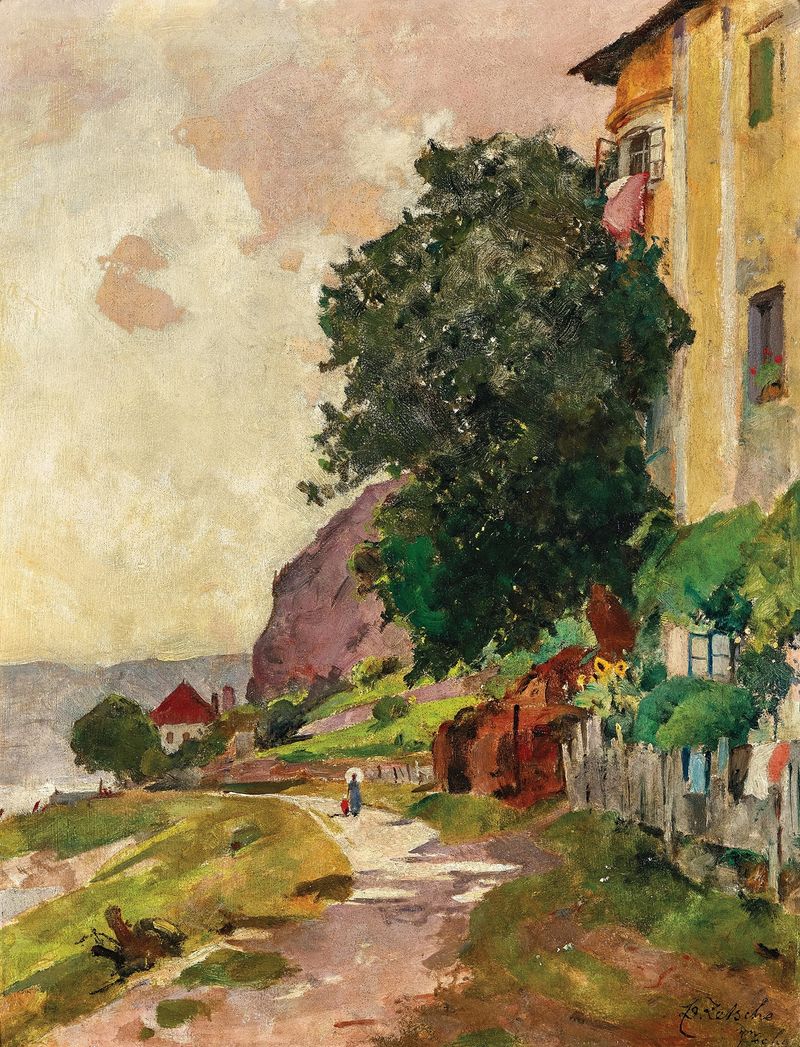
Beim Förthof, Ramsau
Eduard Zetsche
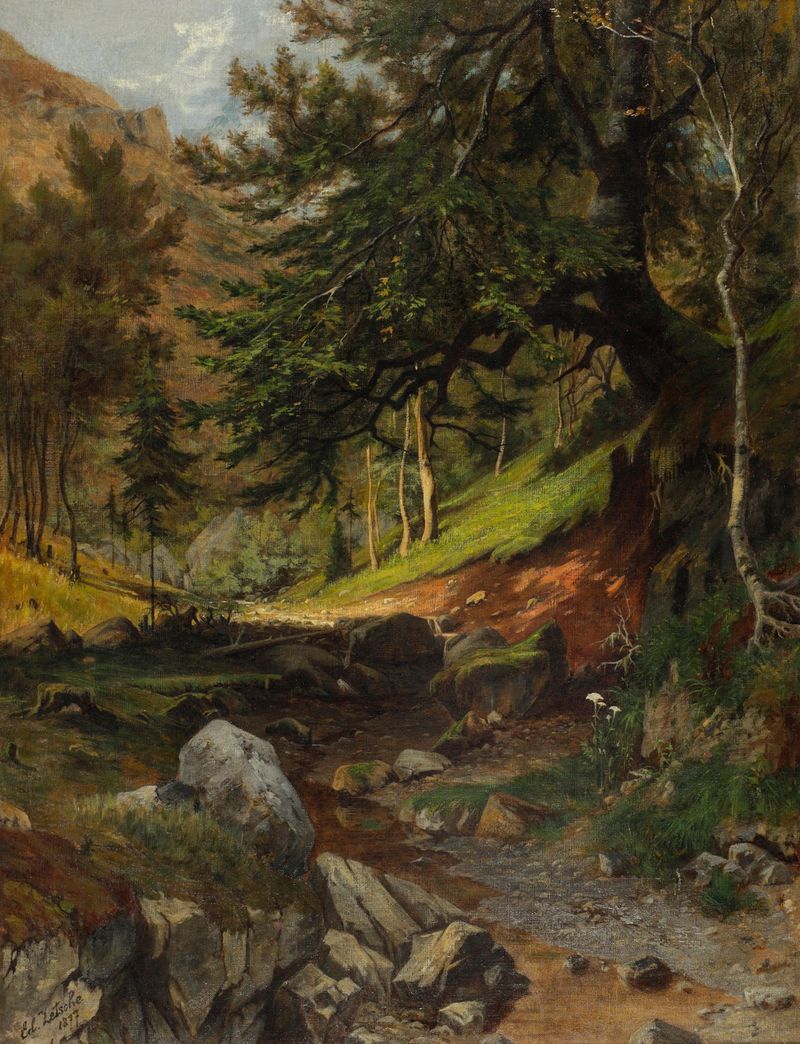
Waldpartie mit Bachlauf
Eduard Zetsche
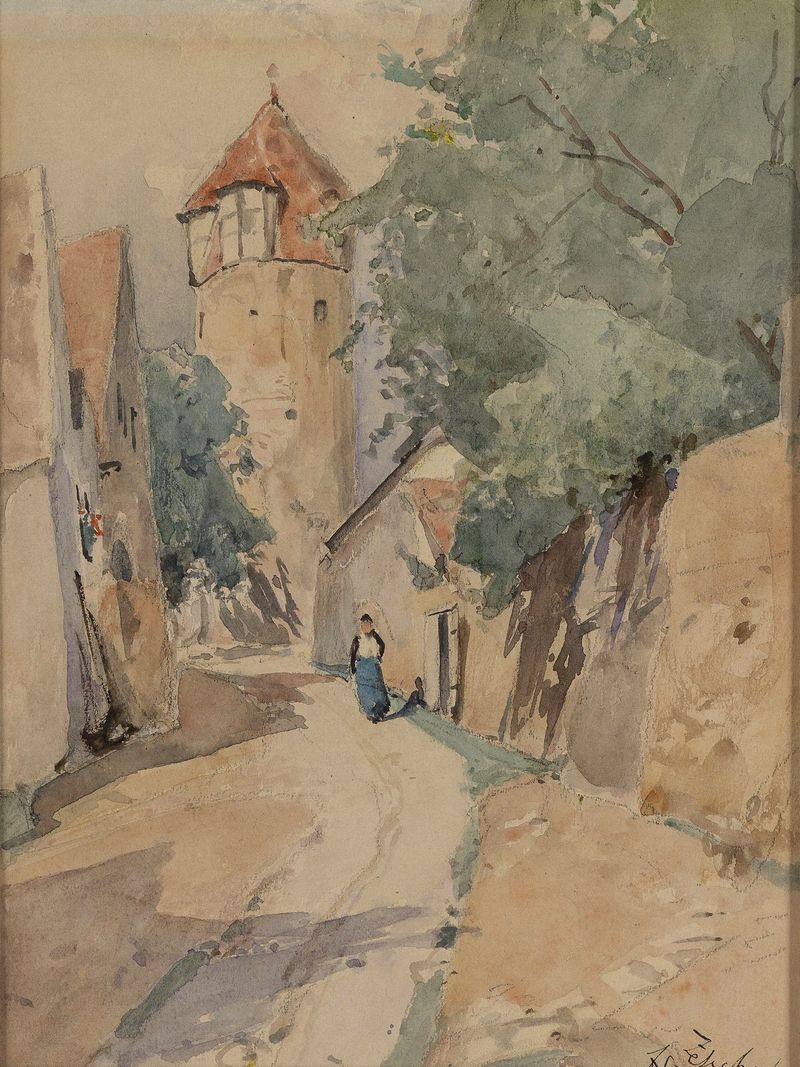
Sulzbach
Eduard Zetsche

Praterpartie
Eduard Zetsche
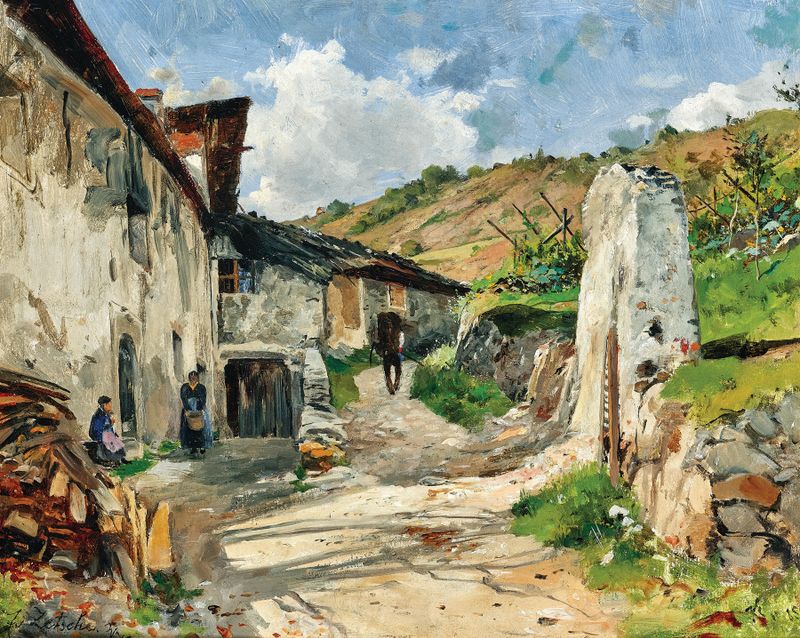
Wachau region, a path to a vineyard near a village
Eduard Zetsche

Motiv bei Lichtenwörth
Eduard Zetsche
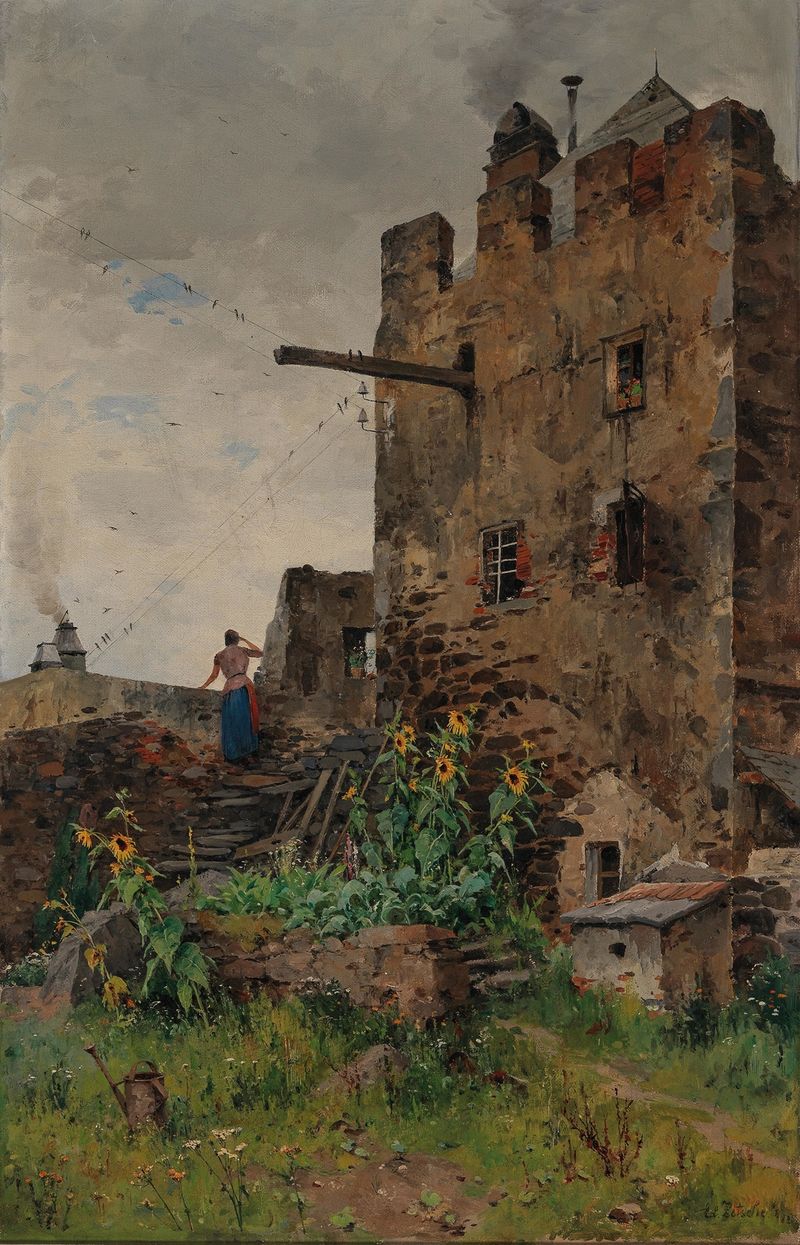
Wachau, Scene of Dürnstein, by the Old Town Wall
Eduard Zetsche





