
Altogether too stupid — History & Facts
What first catches the eye in Altogether too stupid is the wild, almost theatrical energy that swirls around the central drama: a peasant woman, her body thrust forward, is being restrained as her head is pressed toward a knife-grinder’s whetstone. The crowd leans in, their faces twisted with anticipation or alarm, each gesture exaggerated to the edge of caricature. The painter, Adriaen Pietersz van de Venne, guides us through a scene that is both comic and biting—one figure clutches the woman, another kneels in awe or prayer, while the grinder himself bends to his task with a craftsman’s focus.
The entire composition is swept up in a dusty, monochrome palette that sharpens the farce and directs attention to the contorted bodies and expressive hands. Even the sky seems to recede, leaving the human folly to fill the stage. This is the world of early seventeenth-century satire, where painters like van de Venne delighted in exposing superstition and social credulity. Between 1610 and 1625, Dutch and Flemish artists often turned to village life for their subject matter, not to idealize it, but to hold up a mirror to the absurdities of everyday belief.
Scenes like this—mock cures, miracle workers, and the gullible crowds they attract—were as much a warning as a jest, poking fun at those who sought easy answers or fell for quack remedies. Little is recorded about the journey of this particular work, now documented in a private collection, but its spirit is unmistakable: the sharp edge of humor wielded against the dullness of unthinking faith. Step closer and you may find your own reflection among the gaping onlookers.
More Artworks by Adriaen Pietersz van de Venne
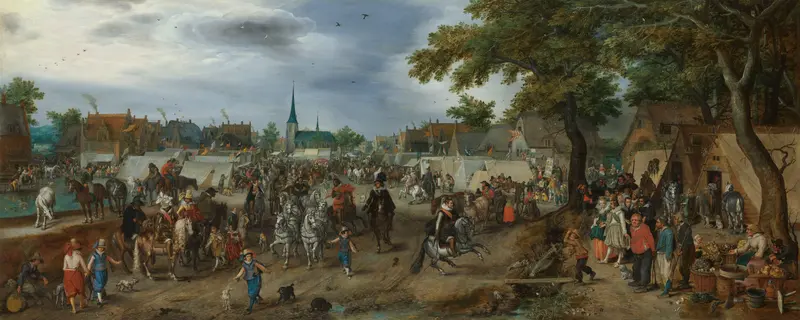
Princes Maurice and Frederick Henry at the Valkenburg Horse Fair
Adriaen Pietersz van de Venne
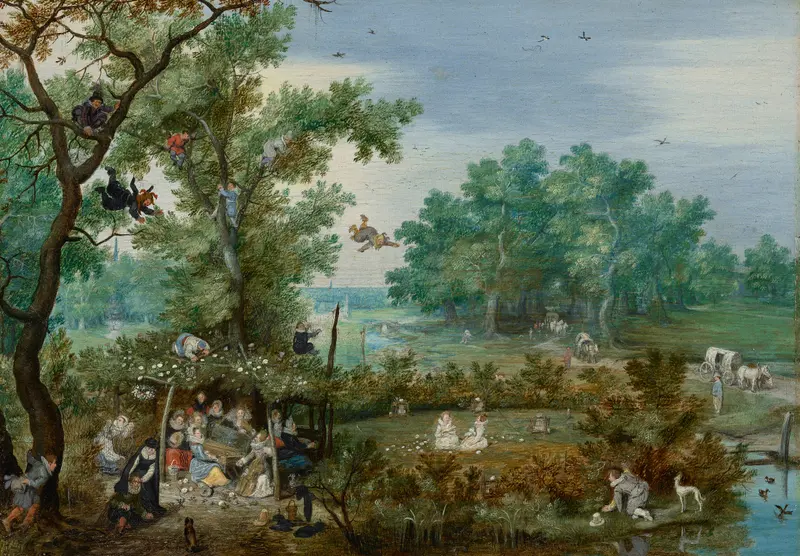
Merry Company in an Arbor
Adriaen Pietersz van de Venne
Princes Maurice and Frederick Henry at the Valkenburg Horse Fair
Adriaen Pietersz van de Venne
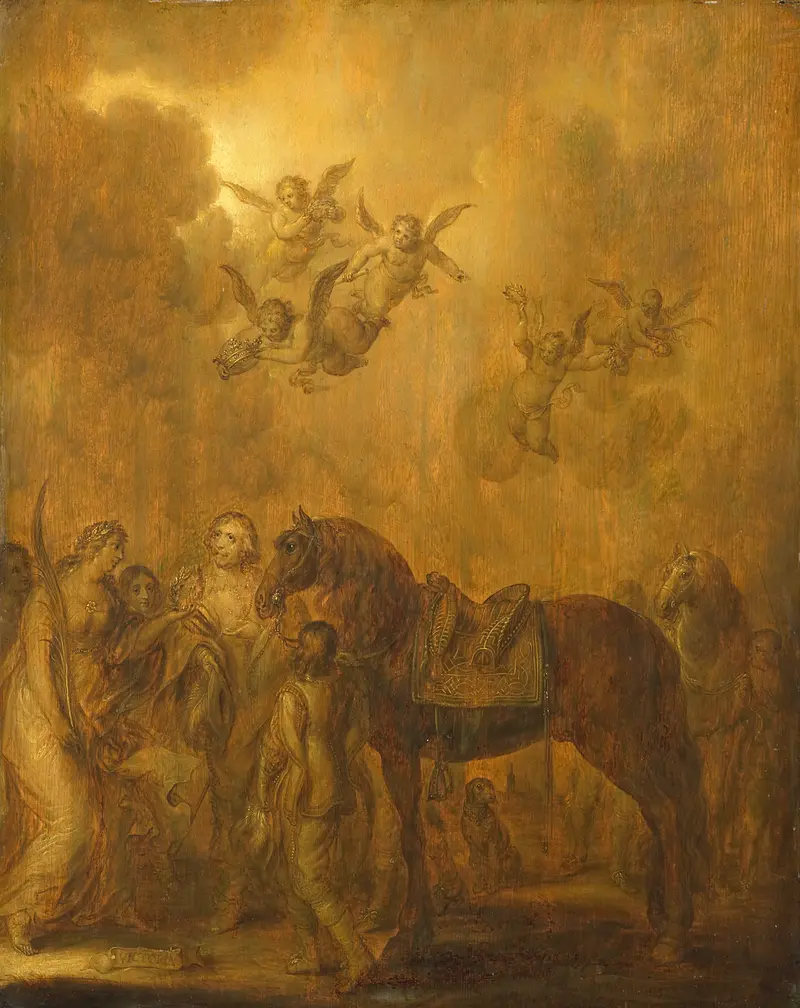
Allegory of the Stadtholdership of Prince Frederick Henry
Adriaen Pietersz van de Venne
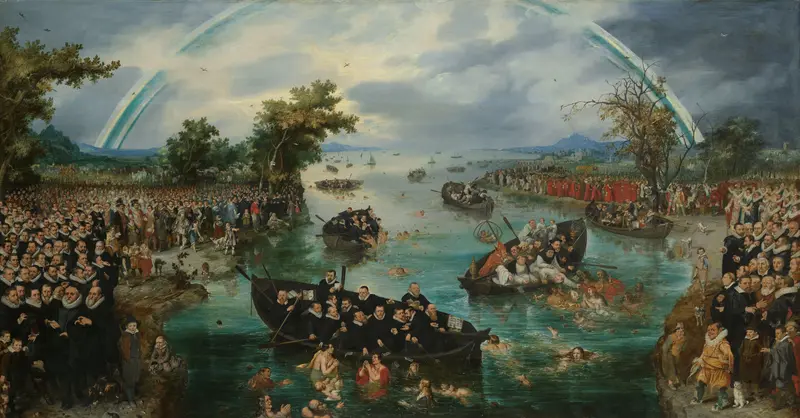
Fishing for Souls
Adriaen Pietersz van de Venne
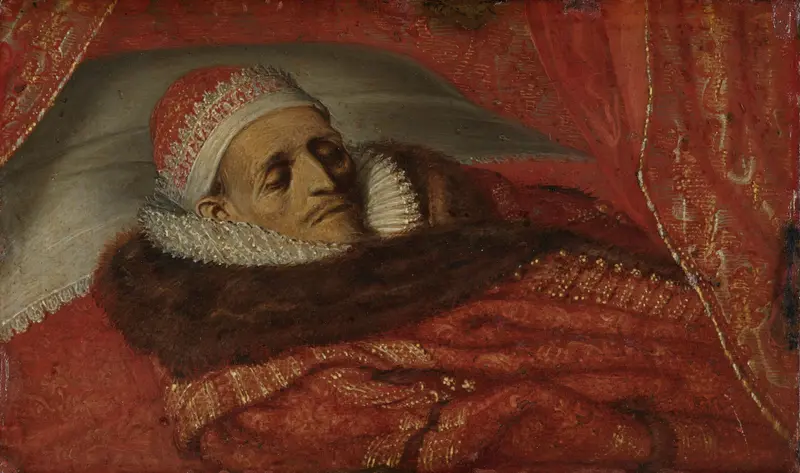
Stadtholder Prince Maurice Lying in State
Adriaen Pietersz van de Venne
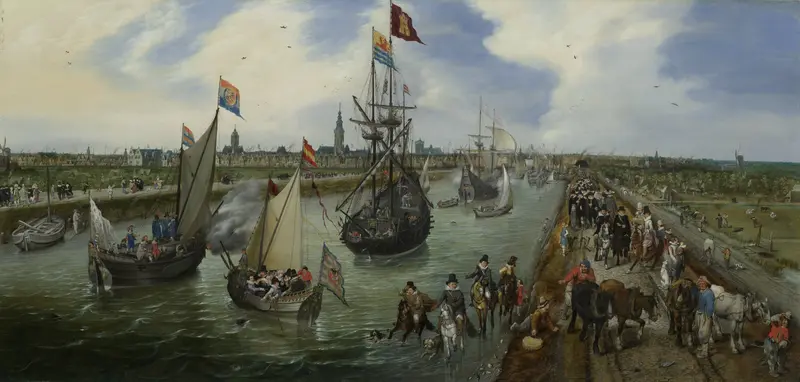
The Departure of a Dignitary from Middelburg
Adriaen Pietersz van de Venne
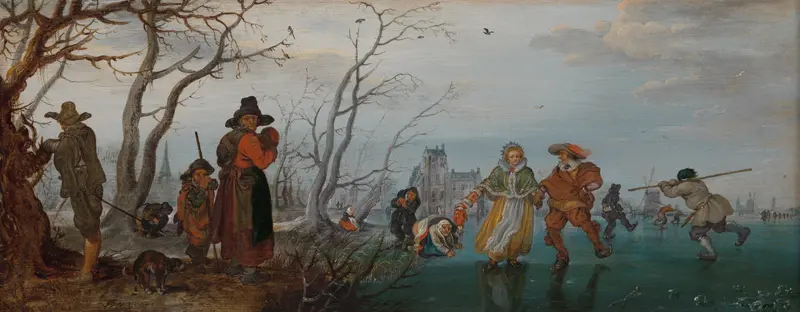
Winter
Adriaen Pietersz van de Venne

A Jeu de Paume Before a Country Palace
Adriaen Pietersz van de Venne
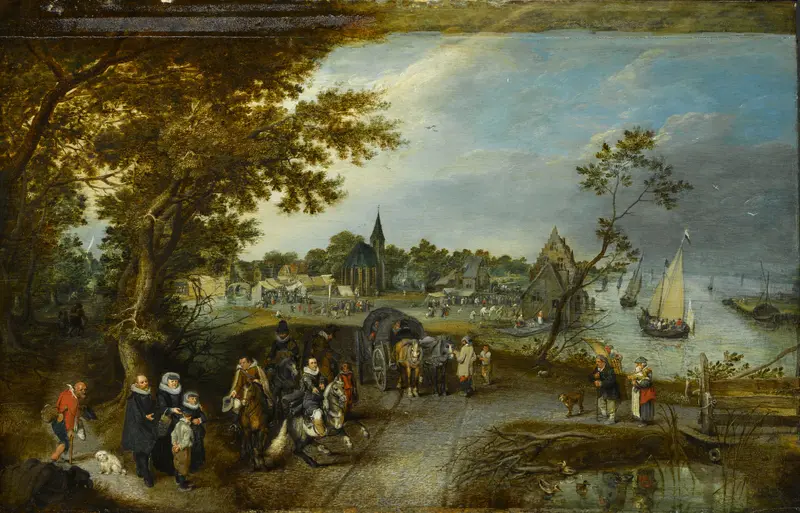
Landscape with Figures and a Village Fair (Village Kermesse)
Adriaen Pietersz van de Venne
More Genre Scene Art

Banquet of the Officers of the St George Civic Guard
Frans Hals

Rembrandt and Saskia in the Scene of the Prodigal Son
Rembrandt van Rijn

Bal du moulin de la Galette
Pierre-Auguste Renoir

Quadrille at the Moulin Rouge
Henri de Toulouse-Lautrec

A Burial at Ornans
Gustave Courbet

When Will You Marry?
Paul Gauguin