
Alzano Madonna — History & Facts
No fewer than five versions of the Madonna and Child by Giovanni Bellini are known to exist, but the Alzano Madonna stands apart for its extraordinary serenity and the painter’s signature blue landscape. Painted in 1486, this work marks a turning point in Bellini’s career, when he was consolidating his reputation as Venice’s leading painter of devotional images. The painting’s name comes from the small town of Alzano Lombardo, where it was kept for centuries, and it has long been admired for the way it merges the sacred with the everyday. At the heart of the composition, the Virgin Mary sits enthroned, her arms gently supporting the Christ Child, who stands upright on her lap.
Bellini chooses a moment of quiet intimacy: the Child gazes directly at the viewer, while Mary’s eyes are cast downward in contemplation. The goldfinch in the Child’s hand hints at his future Passion, as the bird was believed to feed among thorns and thus became a symbol of Christ’s suffering. The landscape behind them, rendered in Bellini’s clear Venetian light, opens onto a tranquil world—rolling hills, distant towns, and a luminous sky—inviting viewers to contemplate the divine within the familiar.
Compared to Leonardo da Vinci’s Madonna of the Rocks, Bellini’s Madonna is less dramatic but equally profound, focusing on human warmth rather than mystery. The Alzano Madonna was likely commissioned for private devotion, perhaps by a wealthy citizen of Alzano or a local confraternity, though the original patron remains unknown. Over the centuries, the painting’s attribution was never seriously doubted, as Bellini’s style—soft modeling, luminous colors, and tender expressions—is unmistakable. Today, the painting is housed in the Accademia Carrara in Bergamo, where it remains a highlight of the collection.
Its enduring appeal lies in the way it bridges the sacred and the human, embodying the gentle spirituality that made Giovanni Bellini the leading light of the Venetian Renaissance.
More Artworks by Giovanni Bellini
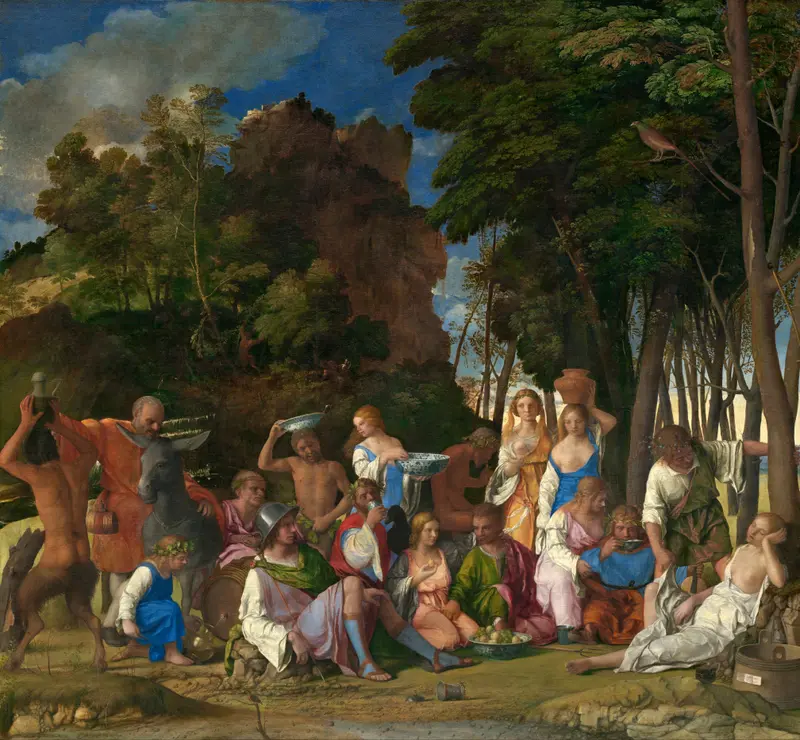
The Feast of the Gods
Giovanni Bellini

Madonna and Child enthroned with Saints and Angels
Giovanni Bellini
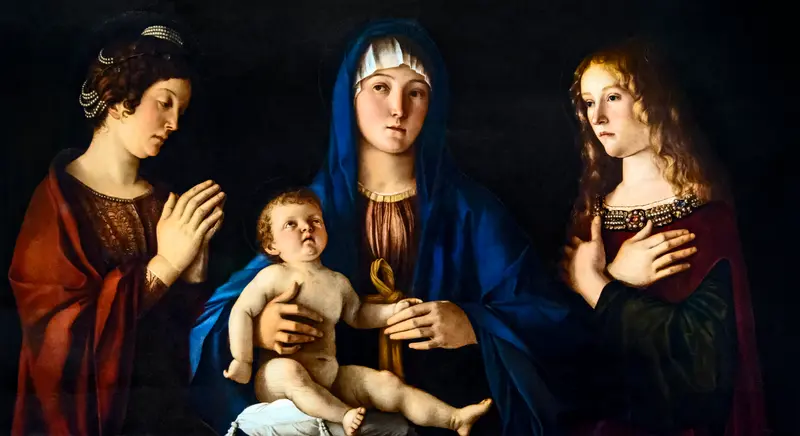
Madonna and Child between Saints Catherine and Mary Magdalene
Giovanni Bellini
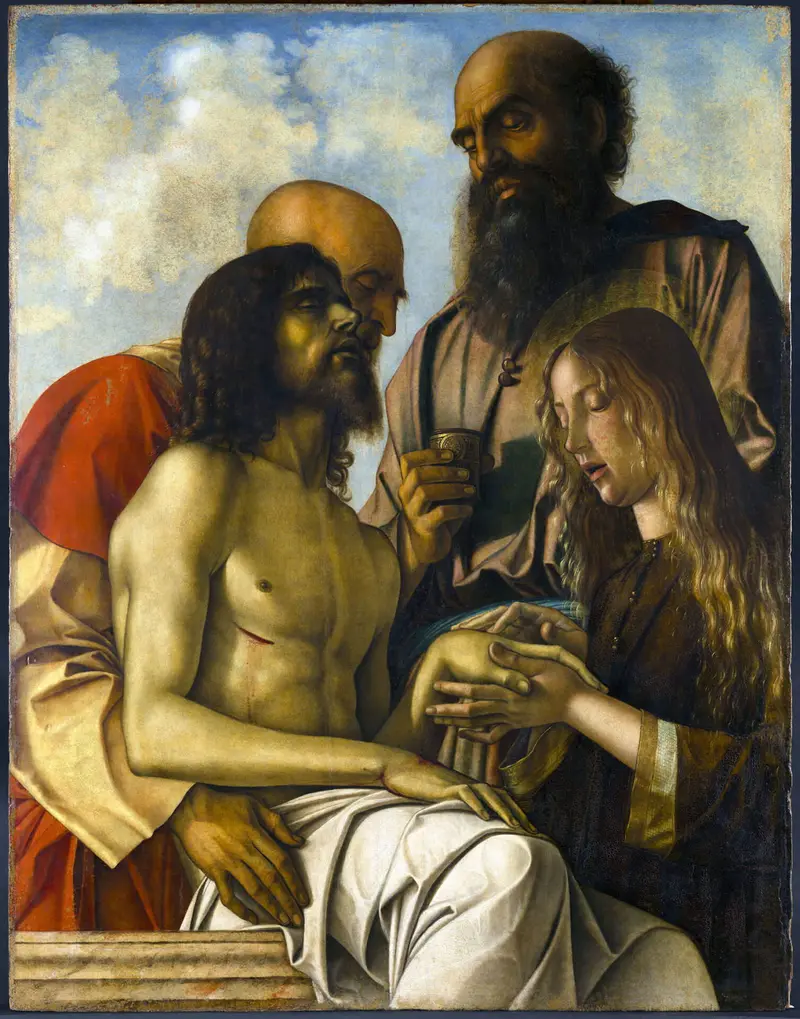
Lamentation over the Dead Christ
Giovanni Bellini
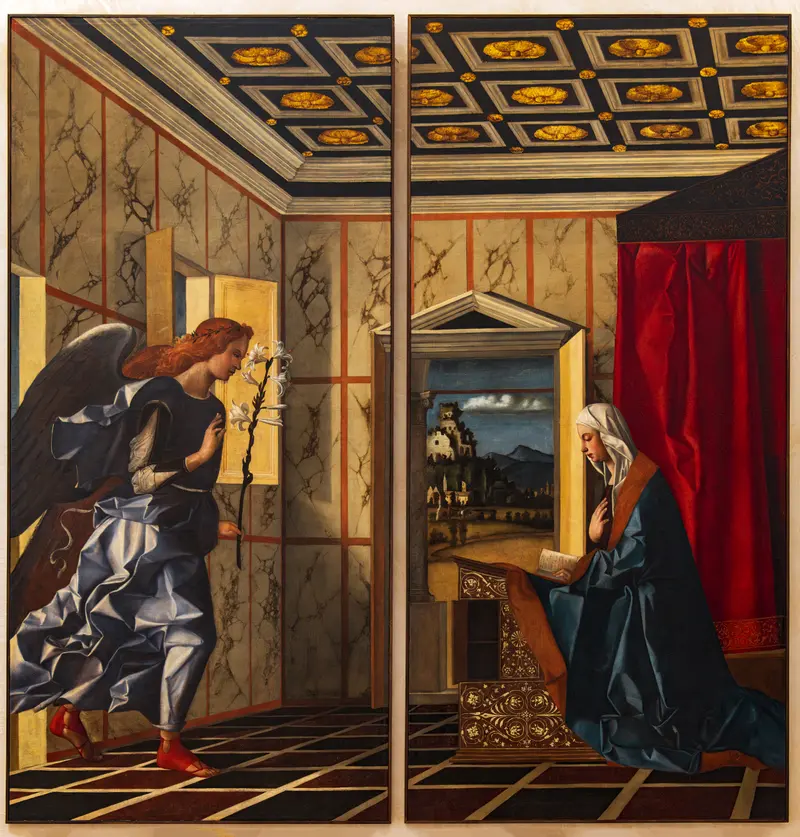
Annunciation
Giovanni Bellini
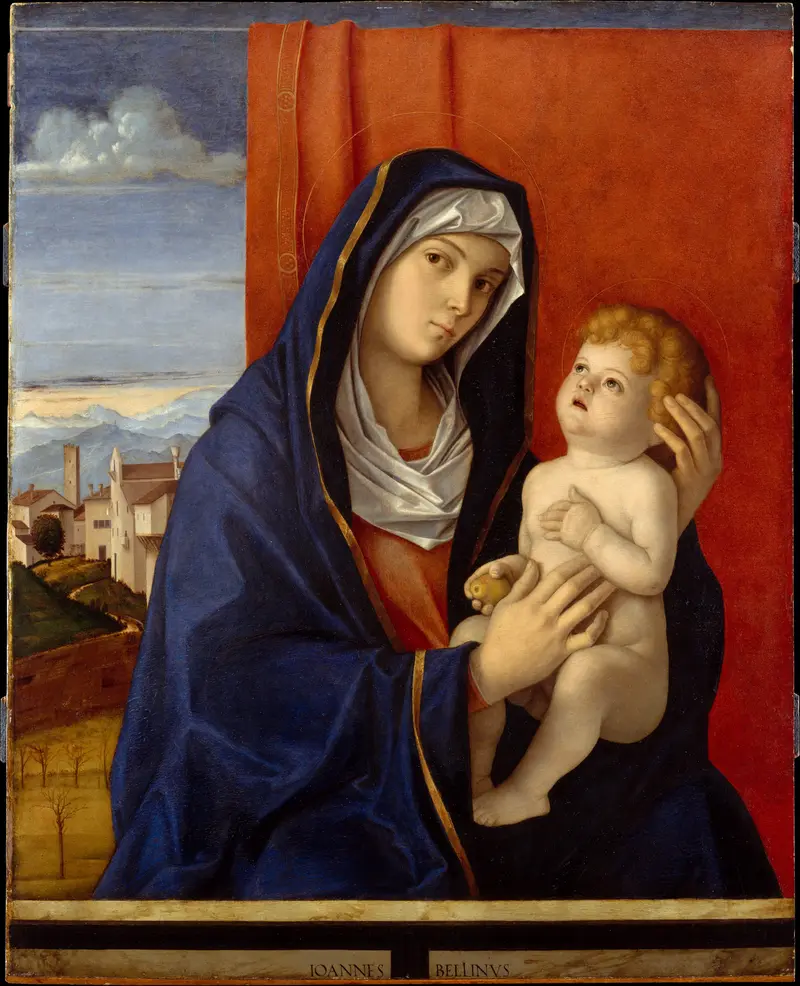
Madonna and Child
Giovanni Bellini
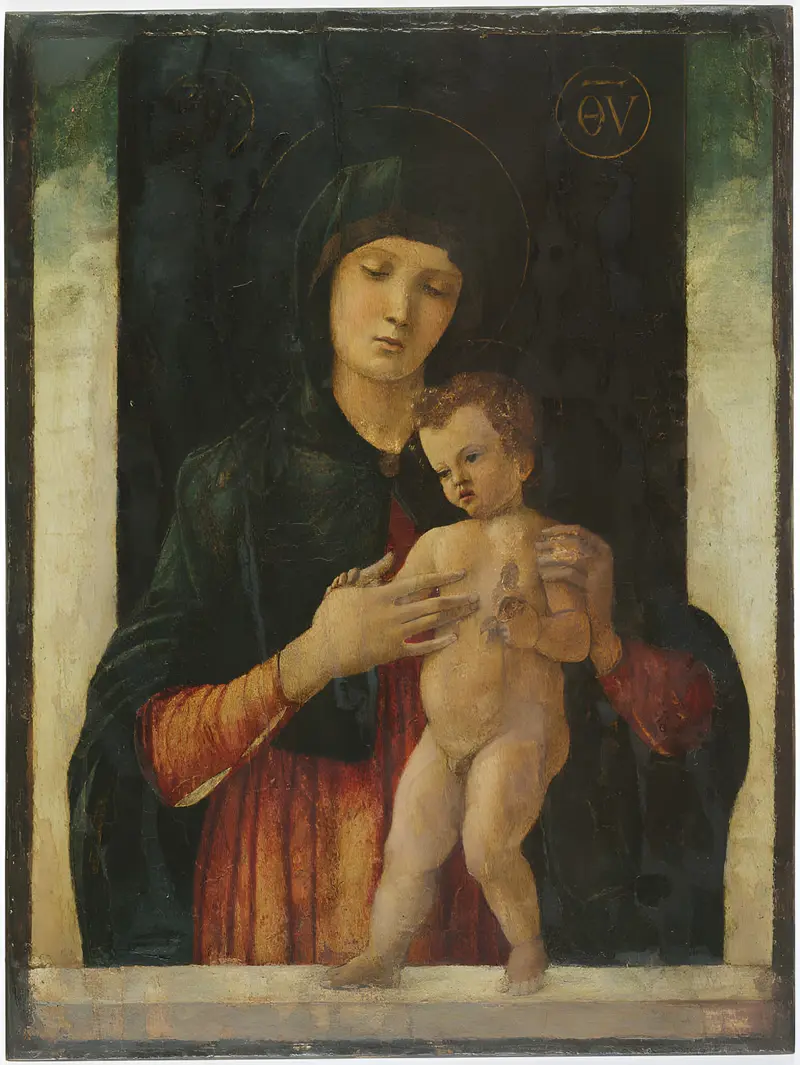
The Virgin and Child
Giovanni Bellini
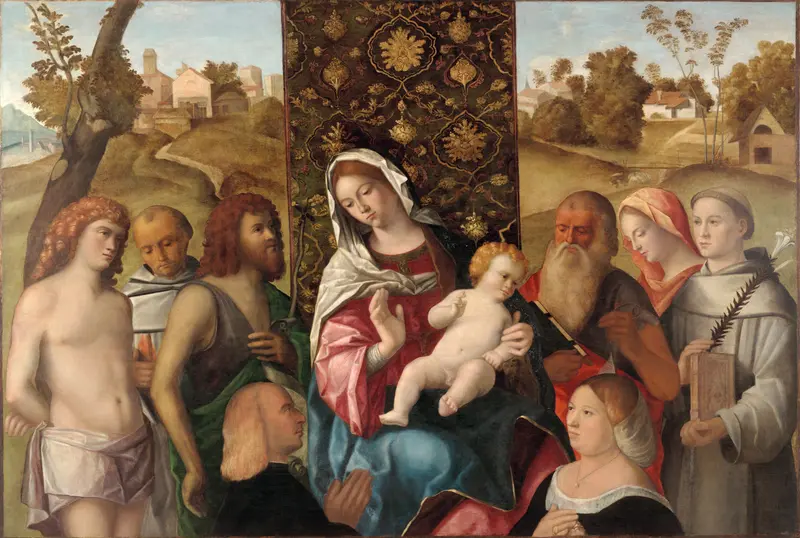
Virgin and Child with Saints Sebastian, Francis, John the Baptist, Jerome, an unidentified female saint, Saint Anthony of Padua and two donors
Giovanni Bellini
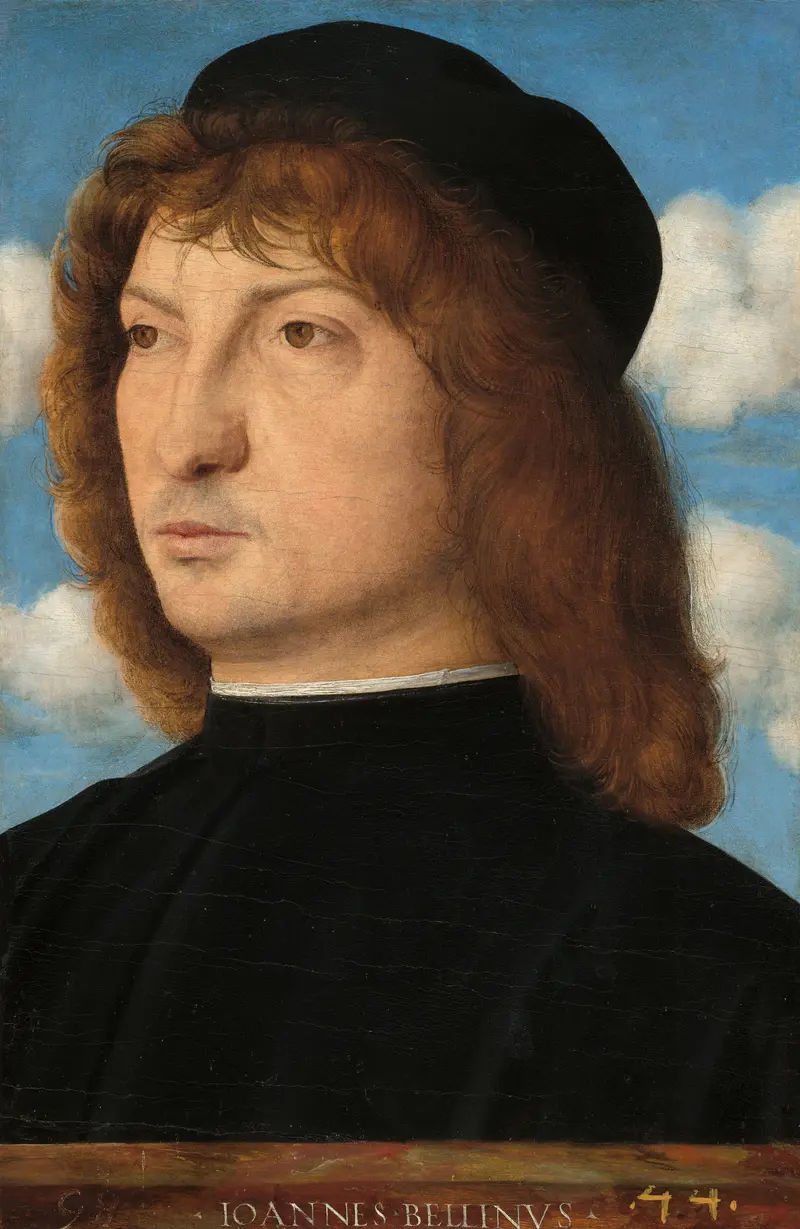
Portrait of a Venetian Gentleman
Giovanni Bellini
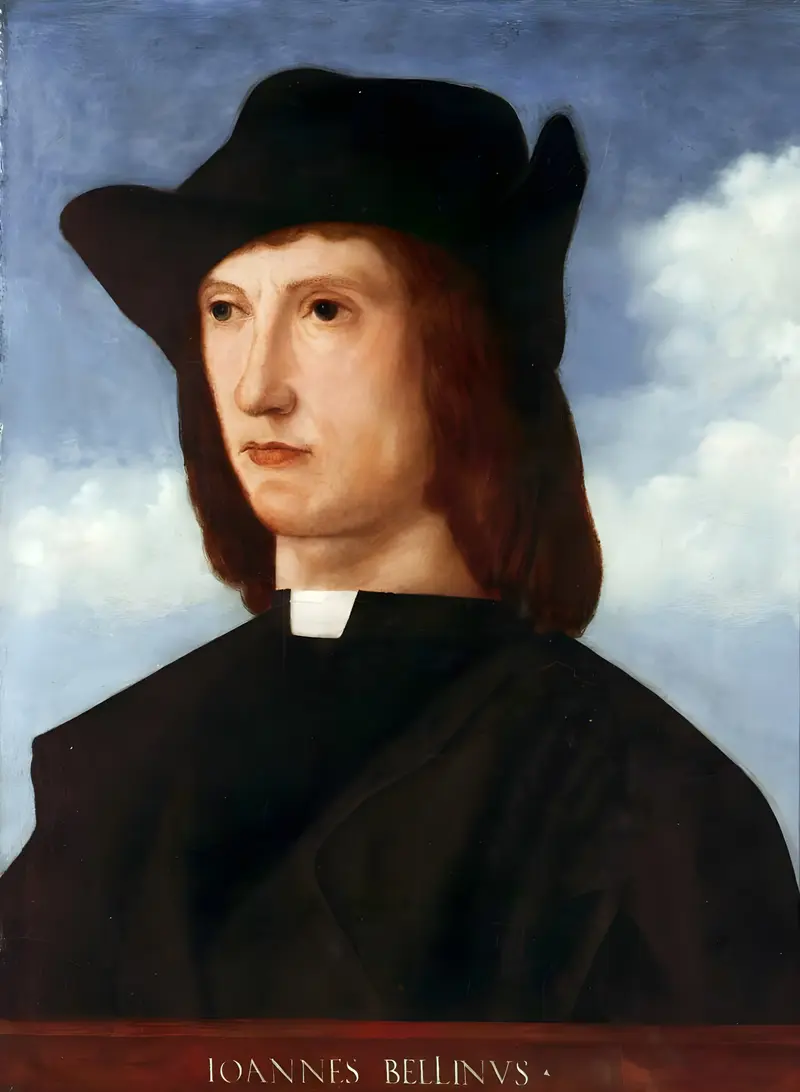
Portrait of a Young Man
Giovanni Bellini





