
American Beaver — History & Facts
The first thing that grips the viewer in American Beaver is the sense of industry and purpose radiating from the animals themselves. One beaver, jaws parted, is caught mid-gnaw, its teeth sunk into the pale wood of a felled tree, while its companion crouches alert at the water’s edge. The artist draws your eye to the sharp, orange teeth—tools as much as features—then to the scattered chips of wood, evidence of labor and persistence.
The beavers’ glossy fur is rendered with meticulous care, each strand suggesting both the animal’s resilience and the artist’s patience. The muted greens and browns of the background recede into a misty distance, but the animals and their work are brought forward by crisp outlines and a gentle, natural light that seems to linger on their forms. This image belongs to a moment in American history when the wild continent was being catalogued, described, and sometimes mythologized for a curious public. In the early 1840s, John James Audubon—already celebrated for his birds—turned his attention to the mammals of North America, collaborating with his son to produce The Viviparous Quadrupeds of North America.
Such illustrations were not just art but science, commissioned and collected by those eager to know the land’s riches. The book plate format and careful detail speak to a world in which observation was both a pleasure and a duty, and where the line between naturalist and artist blurred. This particular image, now held by the John James Audubon Center at Mill Grove and digitally dated 2017, is a testament to that era’s hunger for knowledge—and to the enduring fascination of a creature that shapes its world with tooth and tail.
Look back at the beavers, and you see not just animals, but a story of transformation, both theirs and ours.
More Artworks by John James Audubon
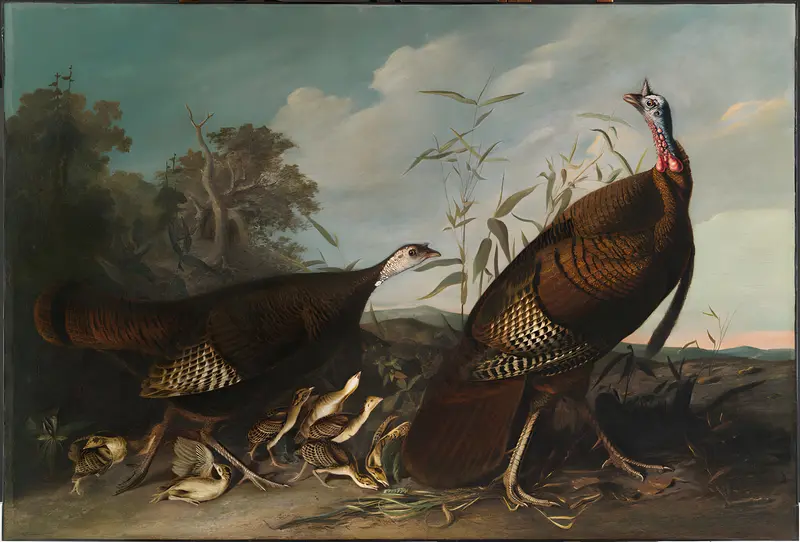
Wild Turkey Cock, Hen, and Chicks
John James Audubon
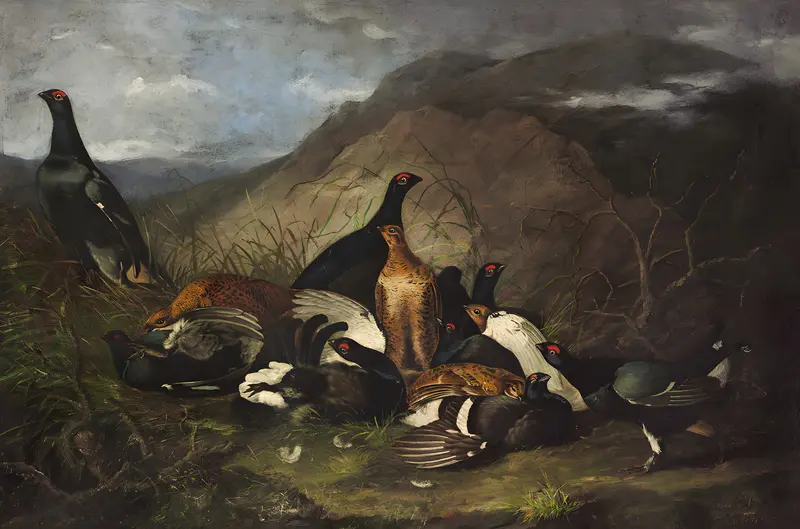
Scottish Black Grouse, Cocks and Hens
John James Audubon
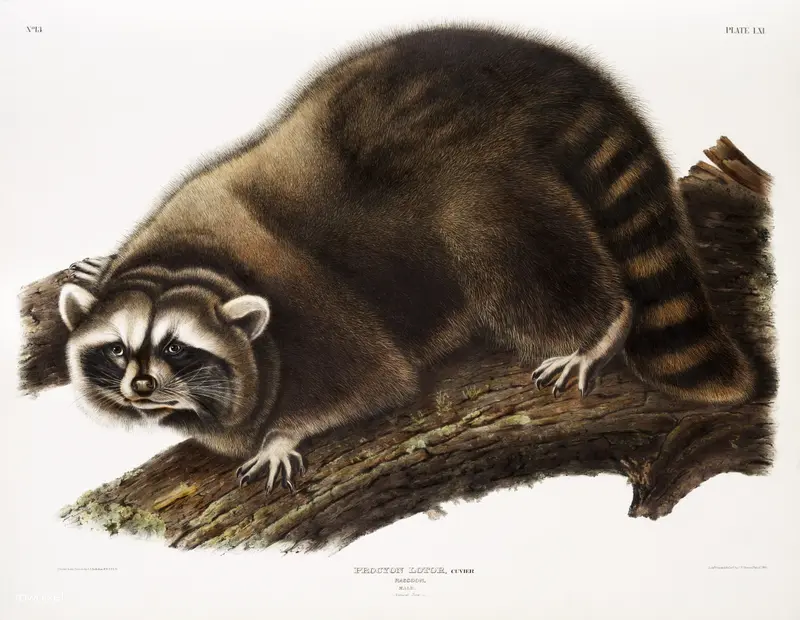
Raccoon
John James Audubon

Magnificent Frigatebird
John James Audubon
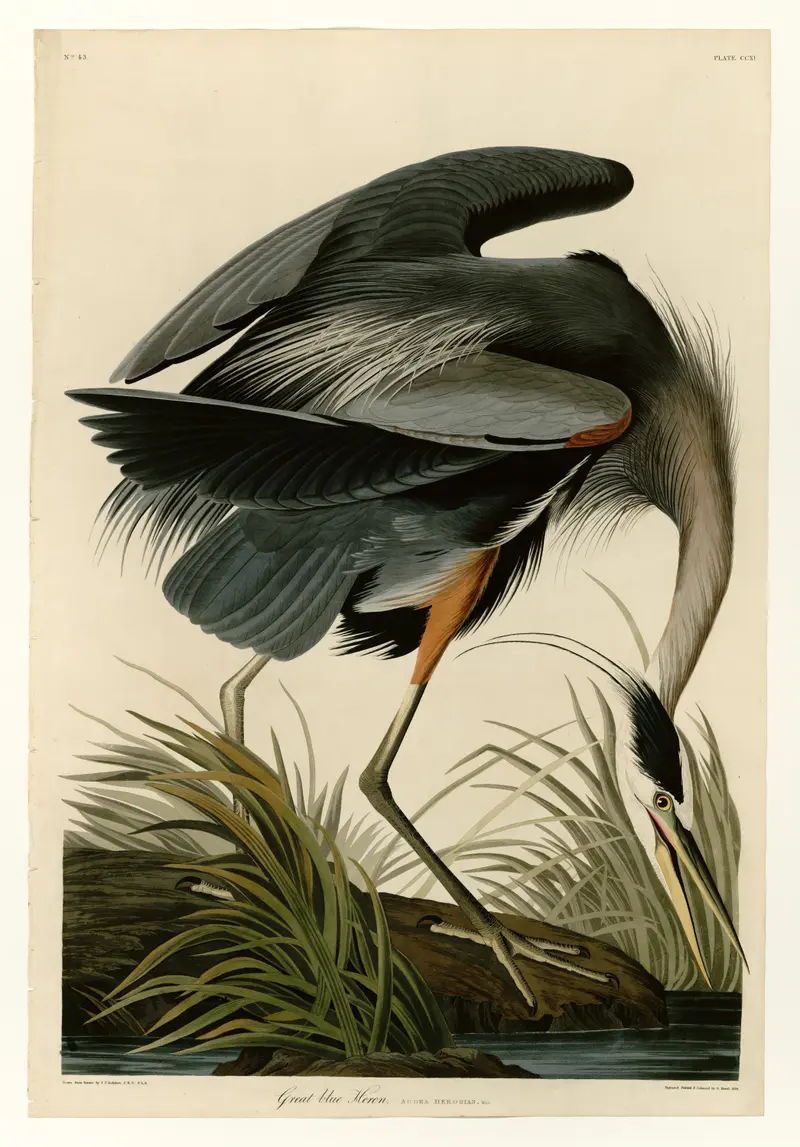
Great Blue Heron
John James Audubon
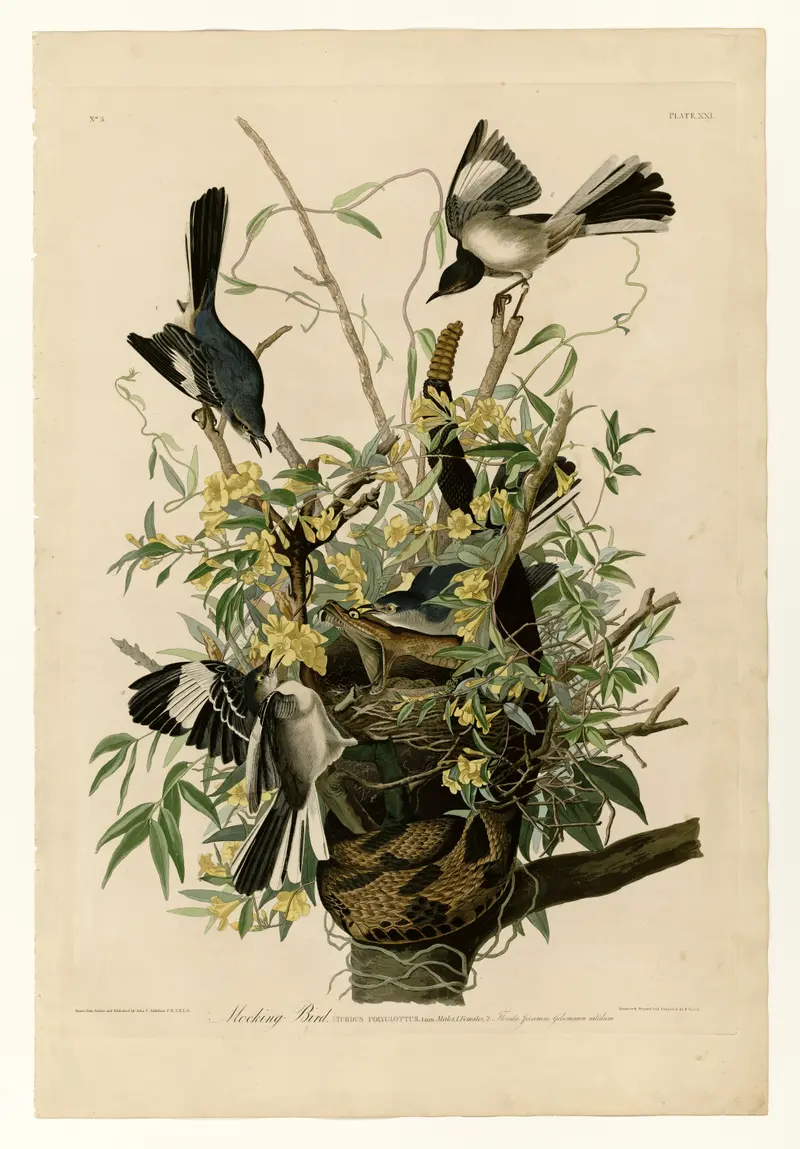
Northern Mockingbird
John James Audubon
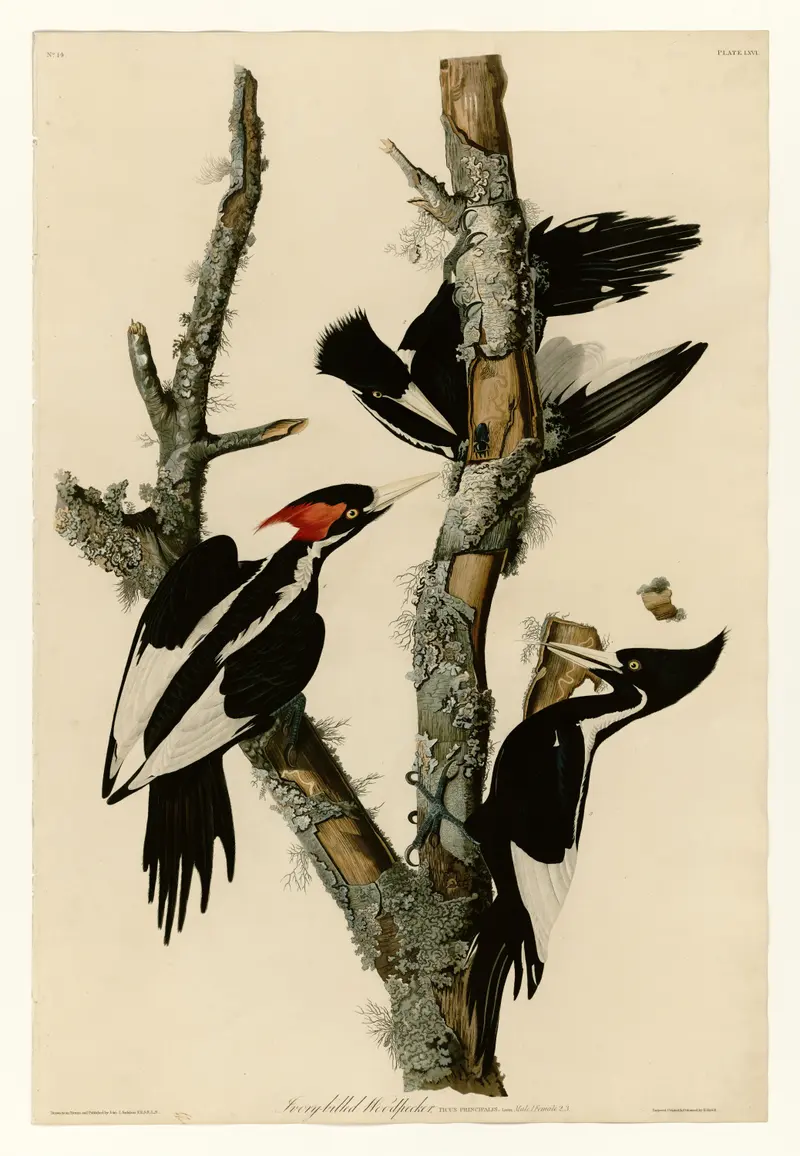
Ivory-billed Woodpecker
John James Audubon
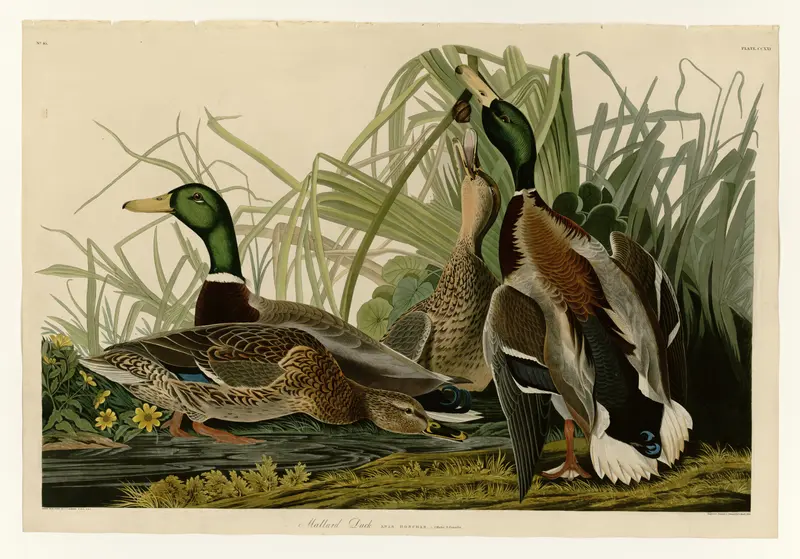
Mallard
John James Audubon
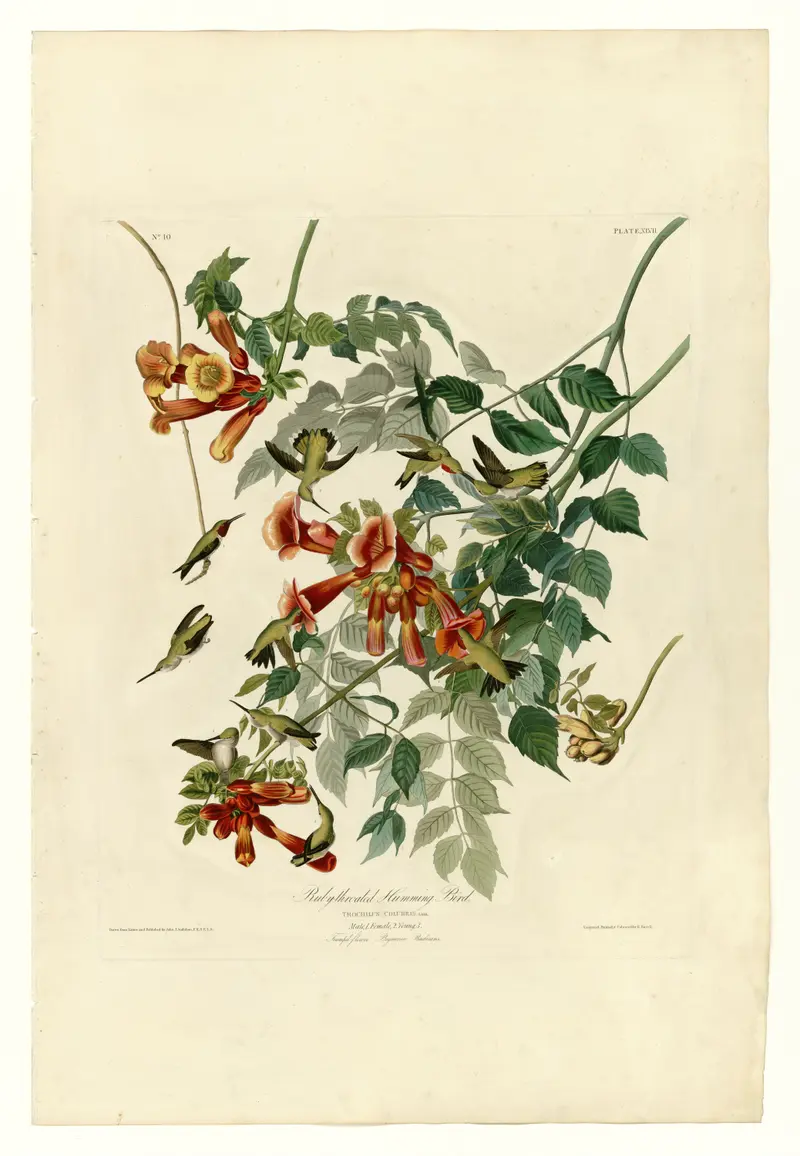
Ruby-throated Hummingbird
John James Audubon
Trumpeter Swan
John James Audubon





