
Raccoon — History & Facts
It is the raccoon's gaze that first catches the eye—intense, direct, and almost unsettlingly aware. The animal crouches low on a rough-barked branch, its body coiled in a posture that suggests both caution and curiosity. The artist’s attention to the texture of fur and wood draws the viewer into a world of tactile detail: every strand of hair, every groove in the bark, rendered with a precision that makes the creature seem poised to spring from the page.
The white background isolates the raccoon, giving it a stage and emphasizing its masked face and ringed tail, those hallmarks of its species. Light falls evenly, flattening shadows and sharpening the focus on the raccoon’s form, as if to say: here is the animal, studied and unadorned, but never dull. This image belongs to a grand tradition of natural history illustration, a genre that flourished in the nineteenth century as explorers and scientists sought to catalogue the living world. John James Audubon—already renowned for his monumental work on birds—turned his eye to the mammals of North America in the early 1840s, collaborating with his son to create The Viviparous Quadrupeds of North America.
Such plates were not merely scientific records; they were also works of persuasion, designed to awaken wonder and respect for the continent’s native creatures. Though little is recorded about this specific illustration’s journey, it survives today in the collection of the John James Audubon Center at Mill Grove, a testament to the era’s hunger for knowledge and the artist’s gift for making the familiar strange and unforgettable. Look again at the raccoon’s eyes—they seem to watch you as much as you watch them.
More Artworks by John James Audubon
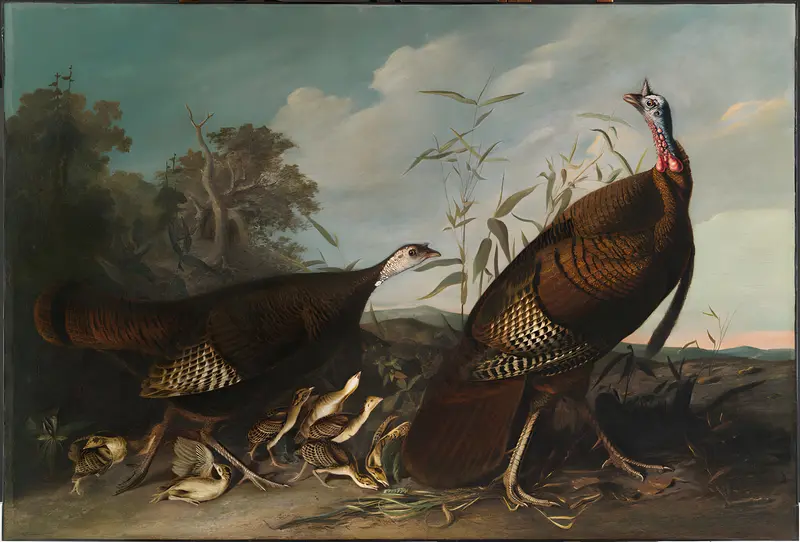
Wild Turkey Cock, Hen, and Chicks
John James Audubon
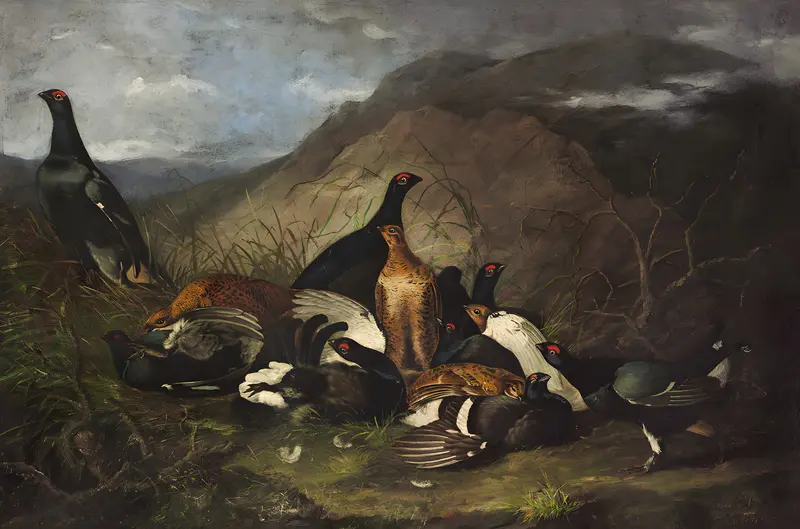
Scottish Black Grouse, Cocks and Hens
John James Audubon
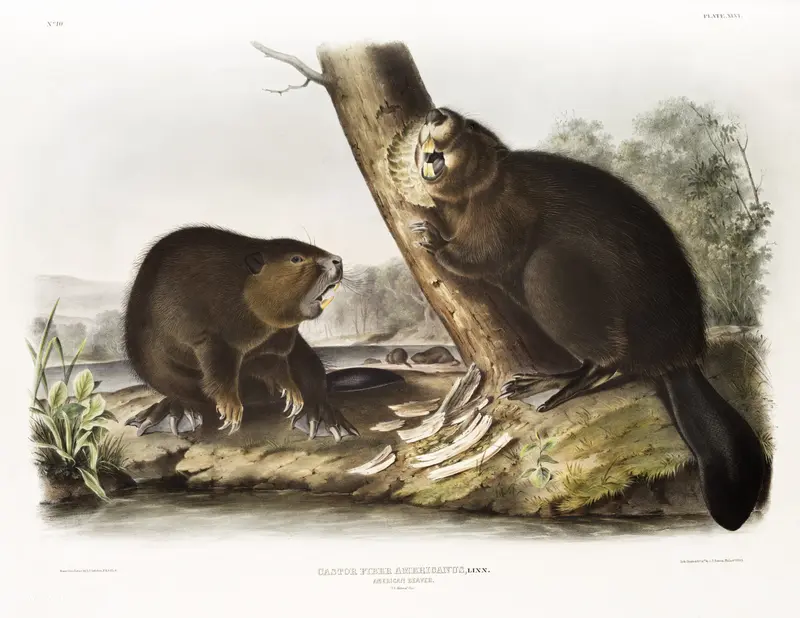
American Beaver
John James Audubon

Magnificent Frigatebird
John James Audubon
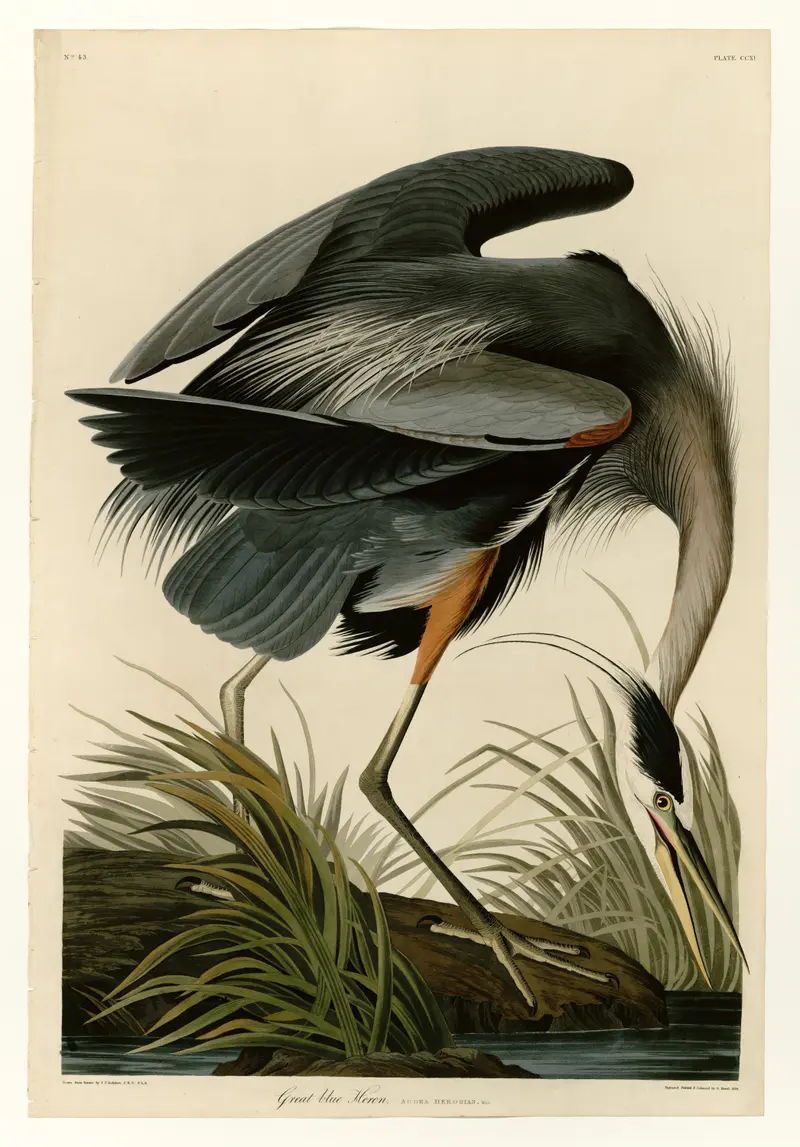
Great Blue Heron
John James Audubon
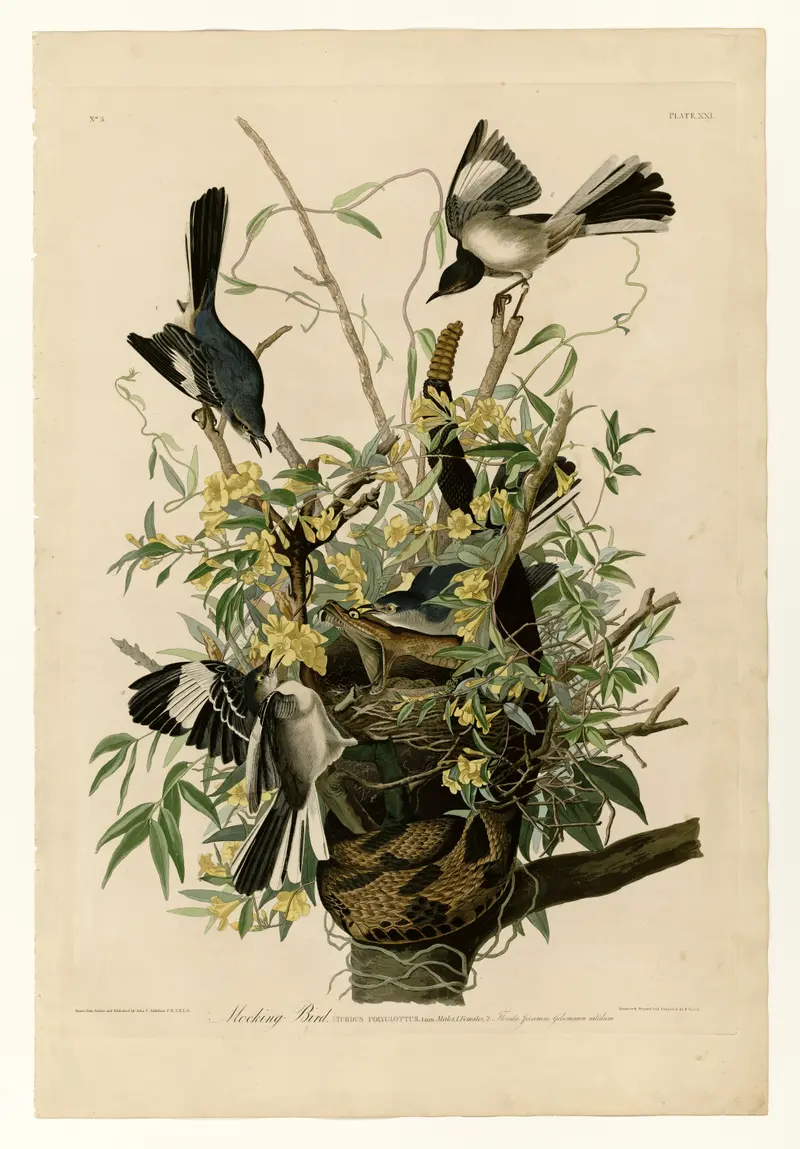
Northern Mockingbird
John James Audubon
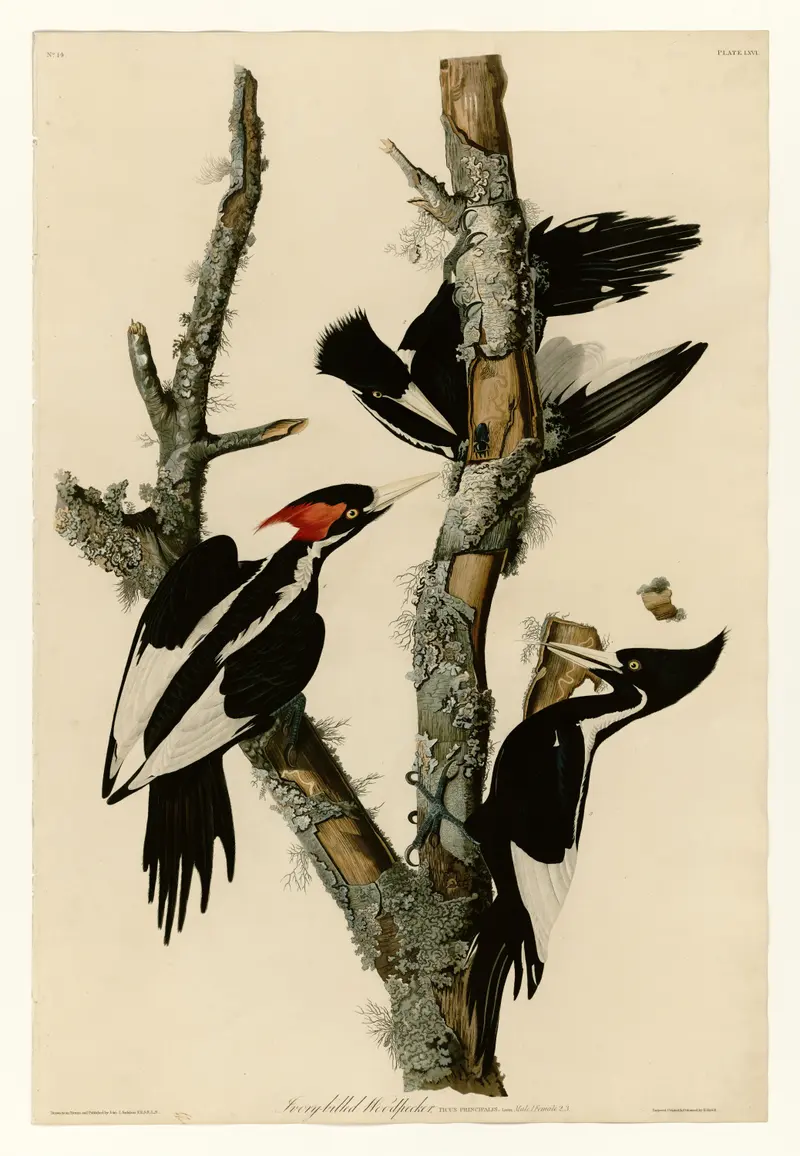
Ivory-billed Woodpecker
John James Audubon
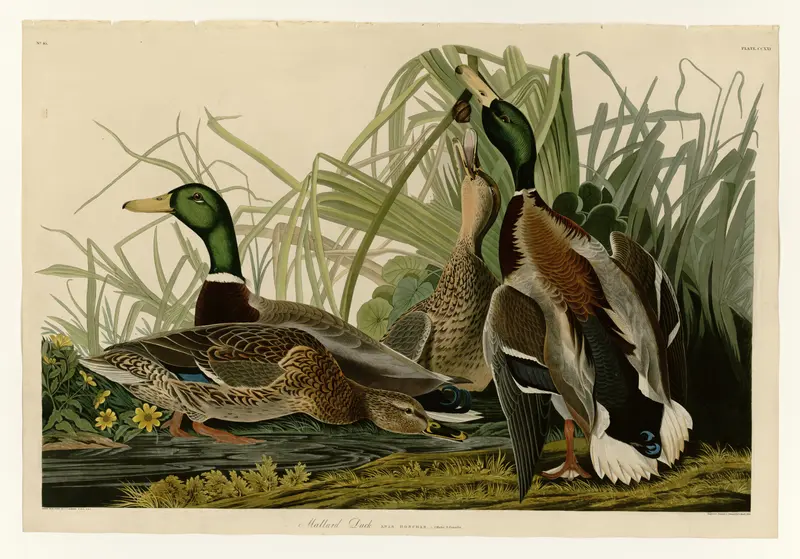
Mallard
John James Audubon
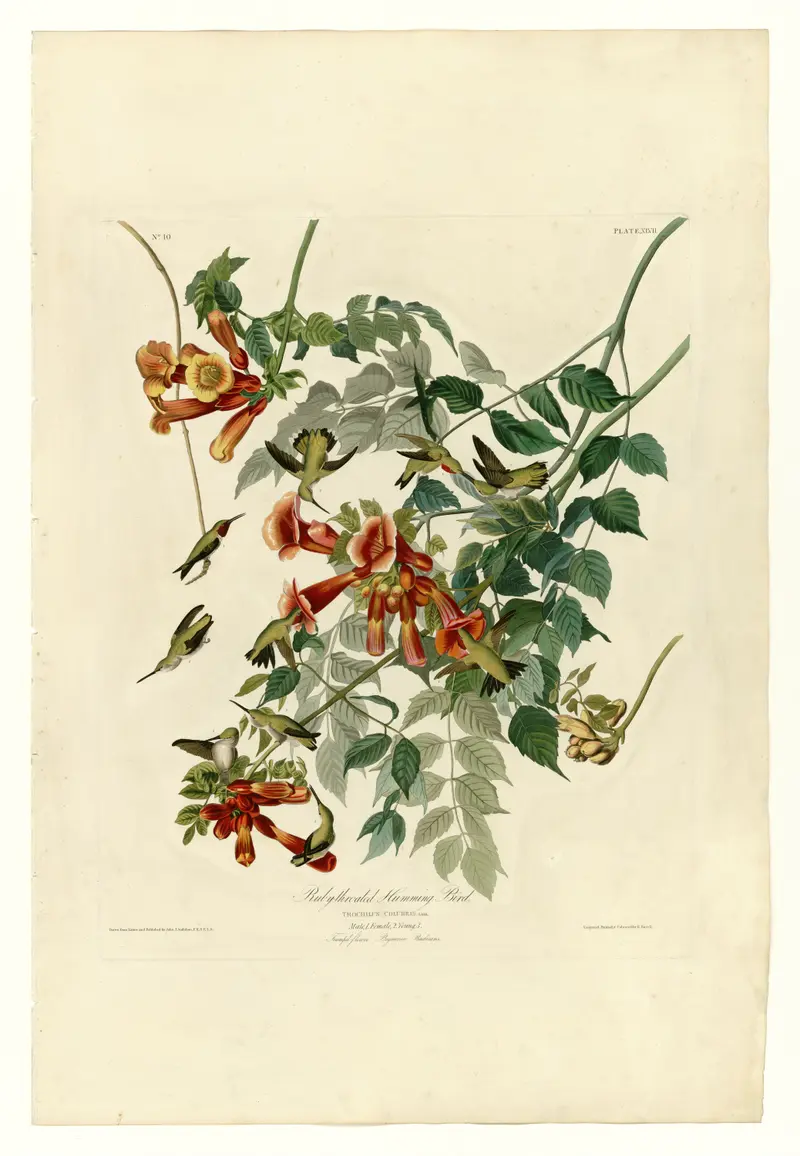
Ruby-throated Hummingbird
John James Audubon
Trumpeter Swan
John James Audubon





