
Trumpeter Swan — History & Facts
What first draws the eye here is not the grandeur of the swan’s size, but the tension in its pose—a creature at once at rest and on alert, neck arched in a sweeping curve, bill parted as if to call or defend. The feathers are rendered with a precision that borders on reverence, each one distinct, layered, and luminous against the deep, tangled greens of the marsh. Light glances off the bird’s back, guiding the viewer’s gaze from the powerful shoulder down to the webbed foot tucked beneath the body, a detail that hints at both grace and strength.
The dense grasses behind are not mere backdrop but a living curtain, pressing in and amplifying the swan’s presence, while the low horizon and pale sky lend the animal a monumental calm. This is a portrait that insists on the individuality of its subject, inviting us to linger on the subtle gradations of color and the alert intelligence in the swan’s eye. Created between 1827 and 1838, this plate from Birds of America by John James Audubon belongs to a world in which natural history and art were inseparable pursuits. In the early nineteenth century, such works were commissioned by collectors, scientists, and a public hungry for knowledge of the continent’s astonishing wildlife.
Audubon’s project was ambitious: to capture every bird in America, life-sized, in their natural settings—an undertaking that required both fieldwork and artistic innovation. Held today in the University of Pittsburgh’s collection, this image stands as a testament to an era when the boundaries between art, science, and exploration were porous, and each new species was a discovery waiting to be shared. The swan’s poised vigilance invites the viewer to look again, to see not just a specimen, but a living presence.
More Artworks by John James Audubon
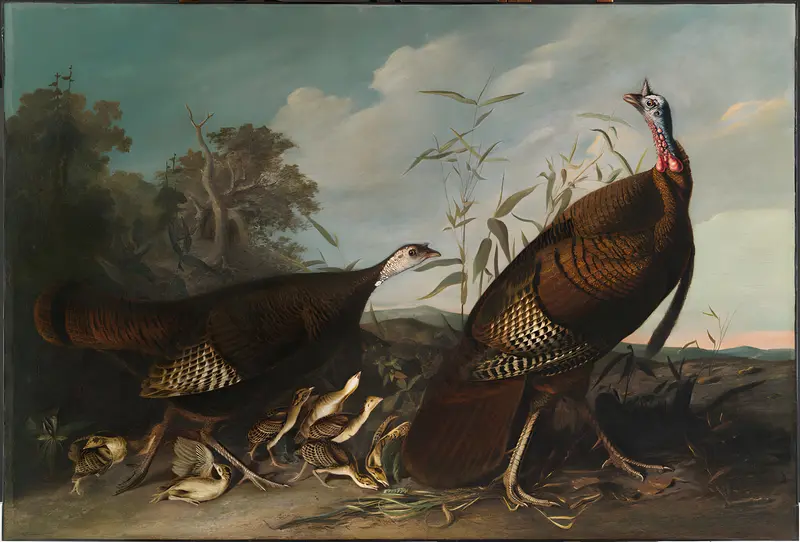
Wild Turkey Cock, Hen, and Chicks
John James Audubon
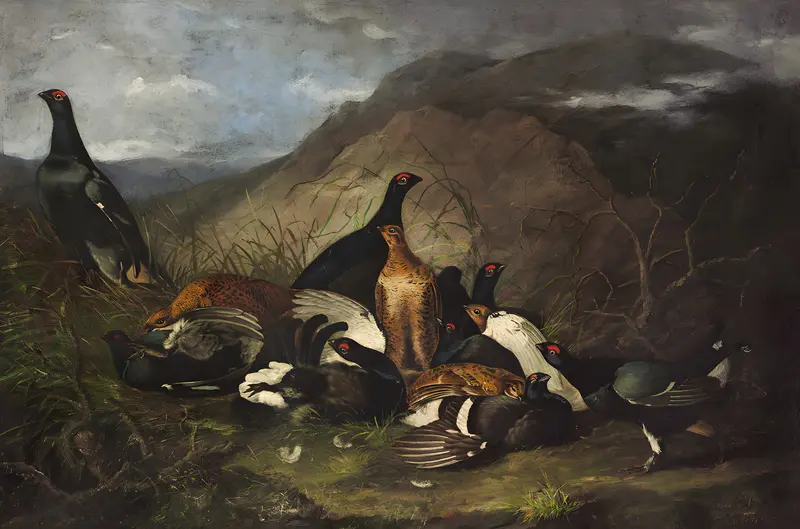
Scottish Black Grouse, Cocks and Hens
John James Audubon
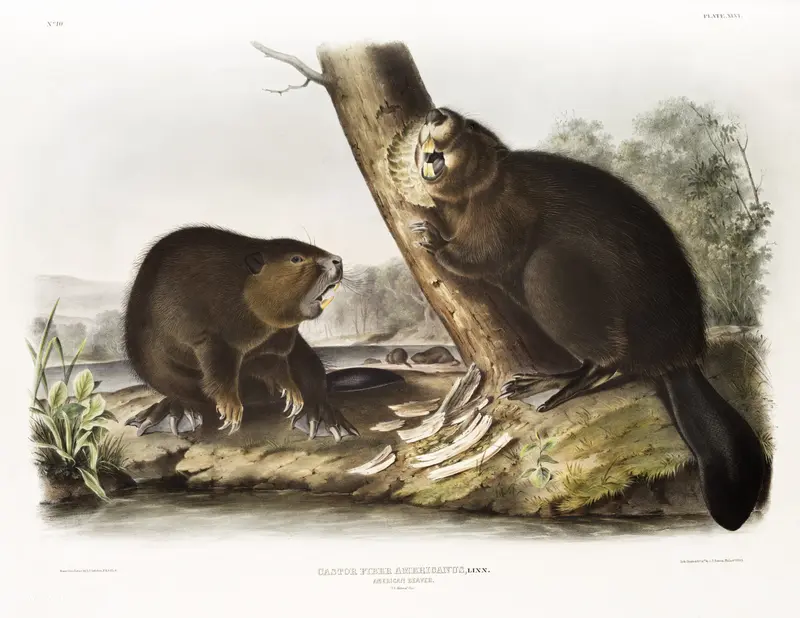
American Beaver
John James Audubon
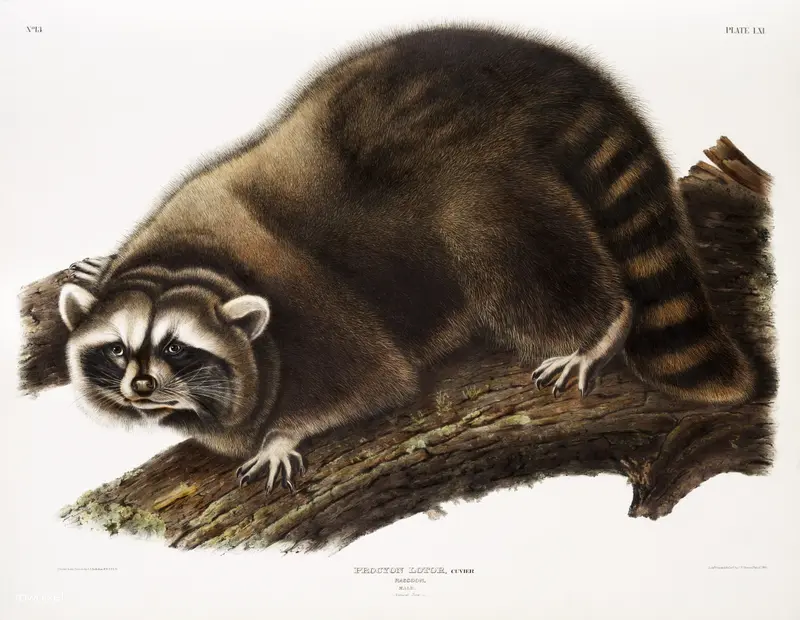
Raccoon
John James Audubon

Magnificent Frigatebird
John James Audubon
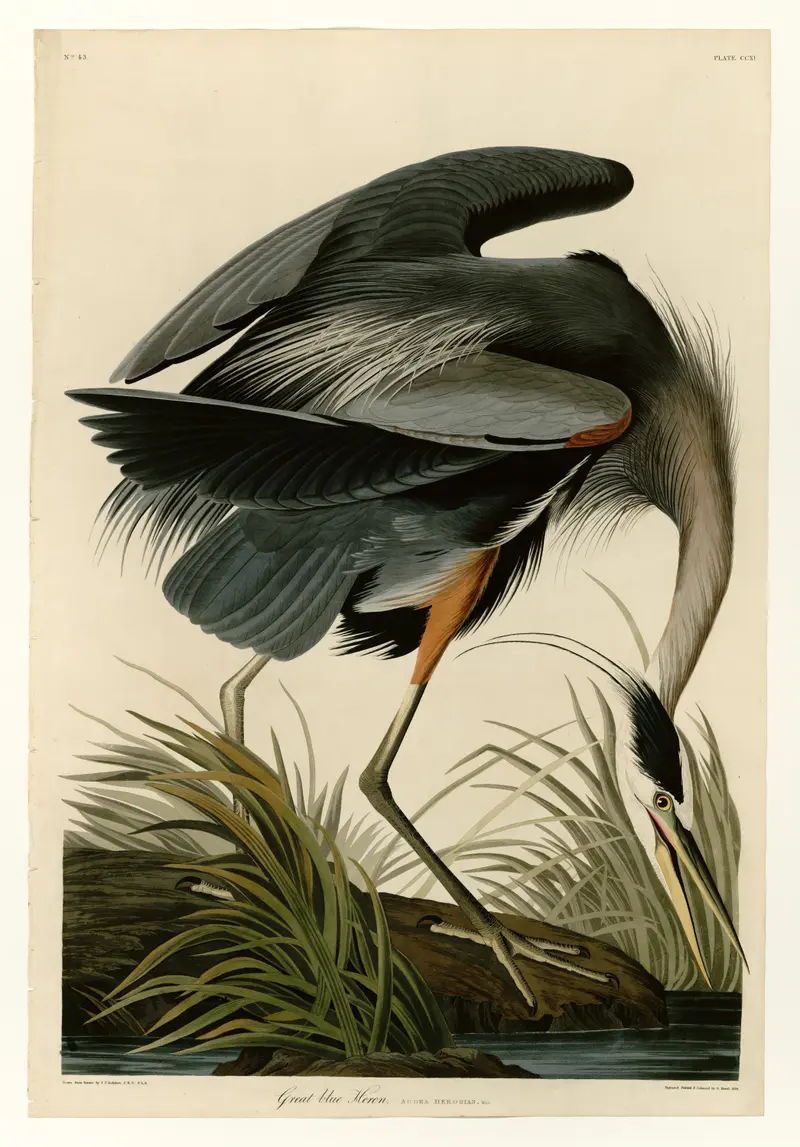
Great Blue Heron
John James Audubon
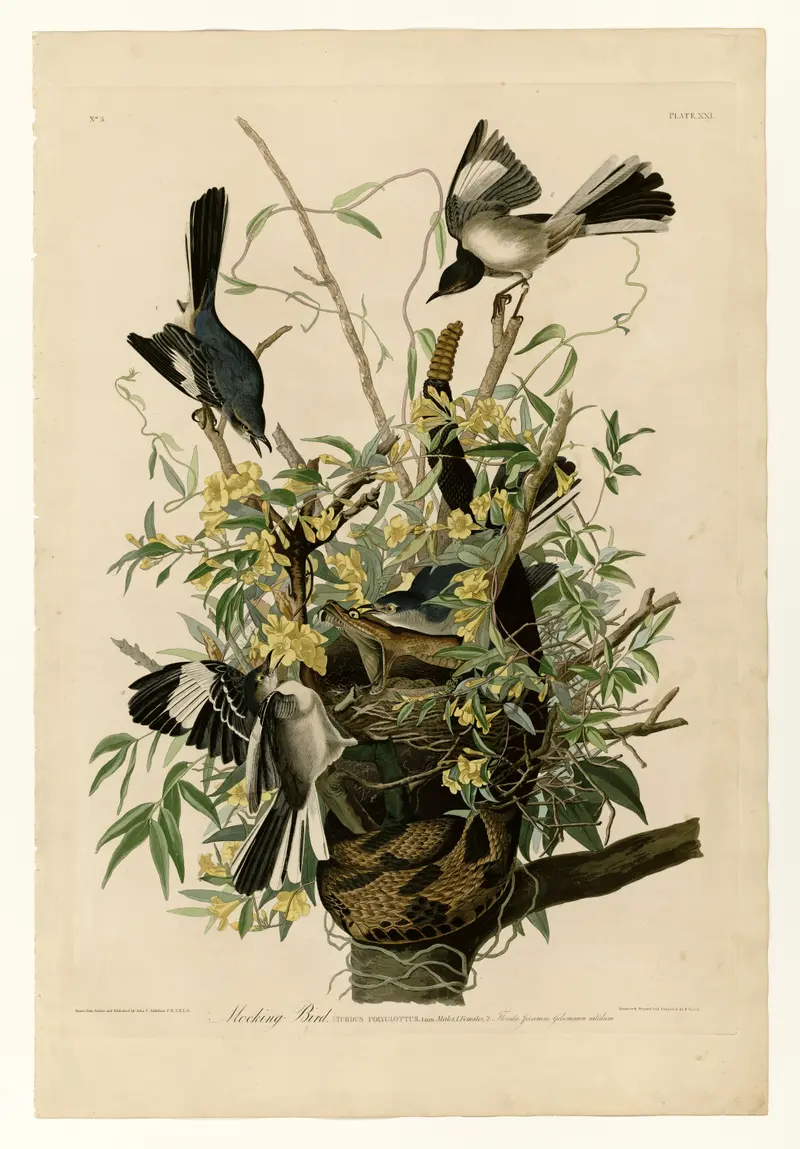
Northern Mockingbird
John James Audubon
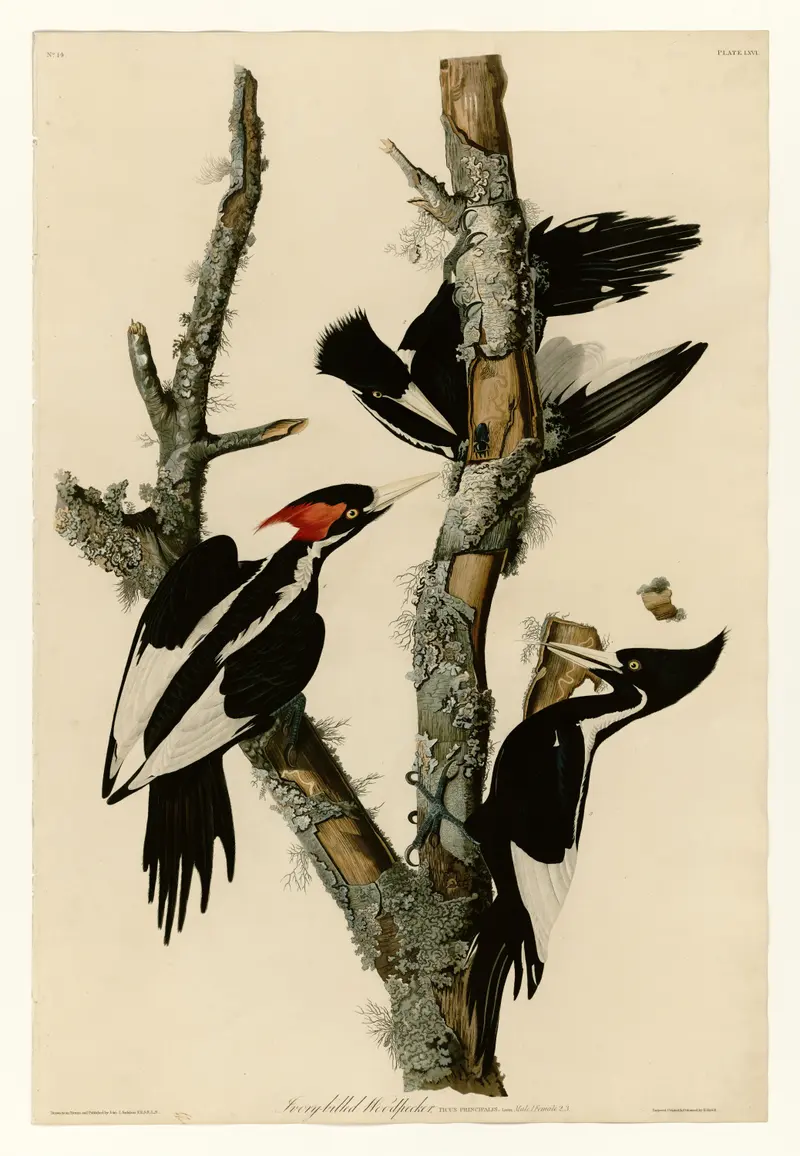
Ivory-billed Woodpecker
John James Audubon
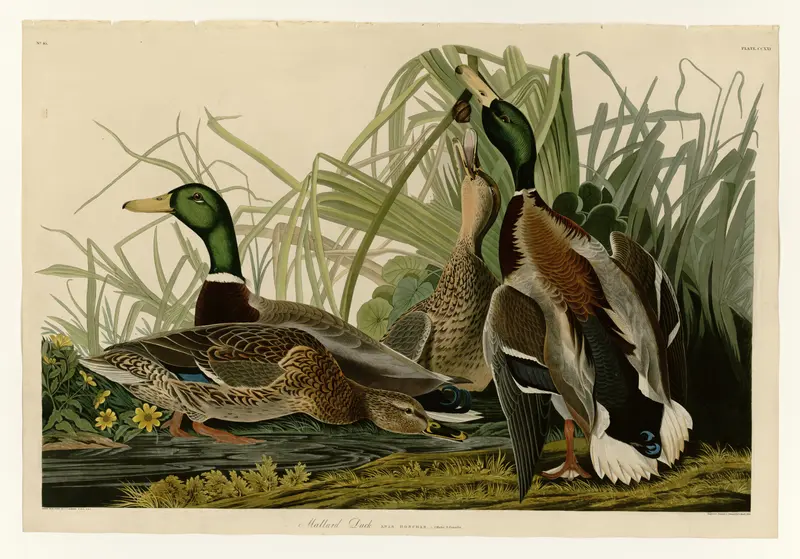
Mallard
John James Audubon
Ruby-throated Hummingbird
John James Audubon





