
Great Blue Heron — History & Facts
What grips the eye first is the sheer size and tension of the bird, poised mid-hunt, every feather rendered with a precision that seems almost impossible. The Great Blue Heron in John James Audubon’s hand is not a passive specimen but a living, stretching, searching creature, its neck arched in a moment of intent focus. The sweep of its wings, layered in slate and shadow, draws the viewer’s gaze from the powerful haunches down to the needle-sharp beak, just touching the water’s surface.
The grasses bend and part, not merely as background but as a stage for the heron’s drama—each blade echoing the bird’s motion and alertness. The light falls softly, not to dazzle, but to reveal the intricate structure of wing and plume, the subtle blue-greys and ochres that animate the scene with quiet energy. This plate, created in Louisiana in 1821 and published between 1827 and 1838, belongs to a world where natural history and art were inseparable pursuits. In the early nineteenth century, works like those in Birds of America were prized by scientists, collectors, and the curious public alike—each plate a testament to the era’s hunger for knowledge and beauty.
Audubon’s project was monumental: to capture the birds of North America life-size, in their habitats, at a time when the continent’s wilderness was vanishing before the eyes of explorers and settlers. The University of Pittsburgh now preserves this image, a reminder that history has kept few traces as vivid as Audubon’s vision. Return to the heron’s eye, and you sense the restless, observing mind of both bird and artist.
Sources: Wikidata Q141602321 · Image source (Wikimedia Commons)
More Artworks by John James Audubon
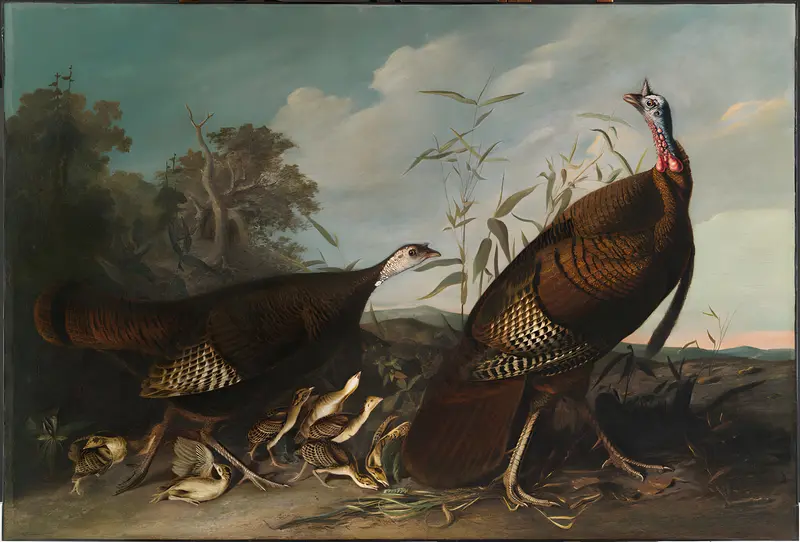
Wild Turkey Cock, Hen, and Chicks
John James Audubon
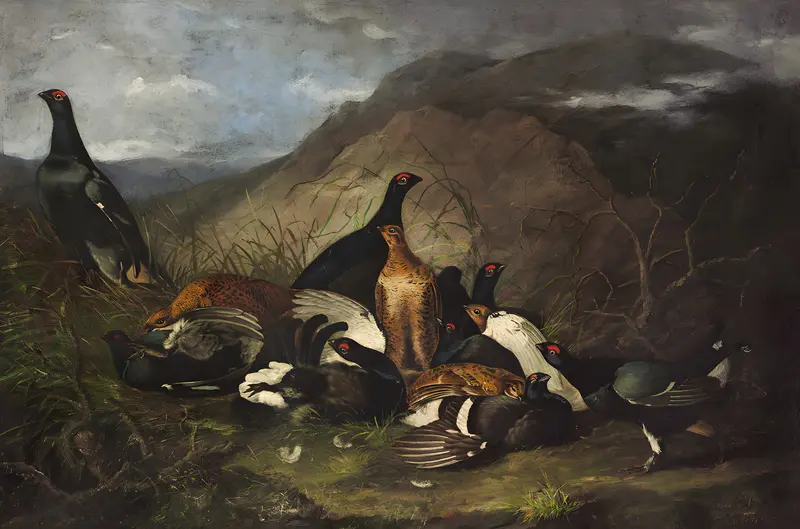
Scottish Black Grouse, Cocks and Hens
John James Audubon
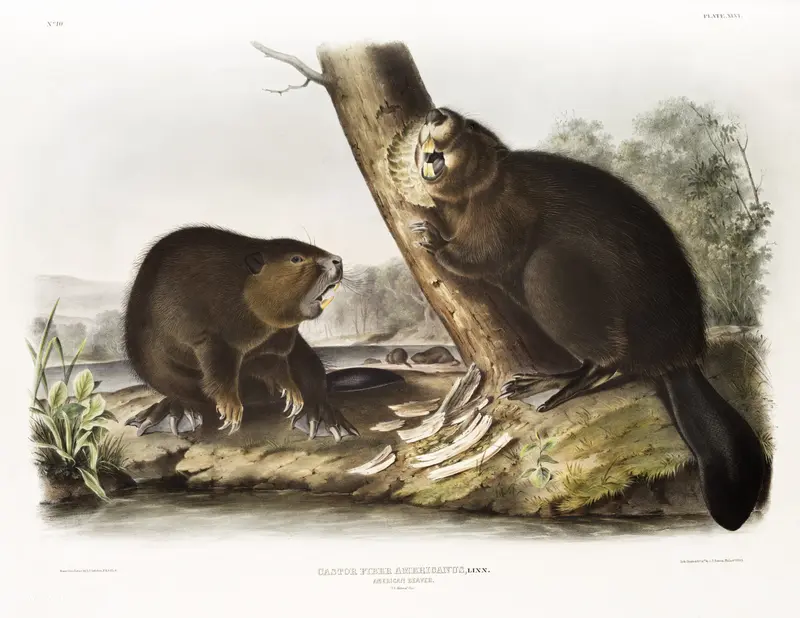
American Beaver
John James Audubon
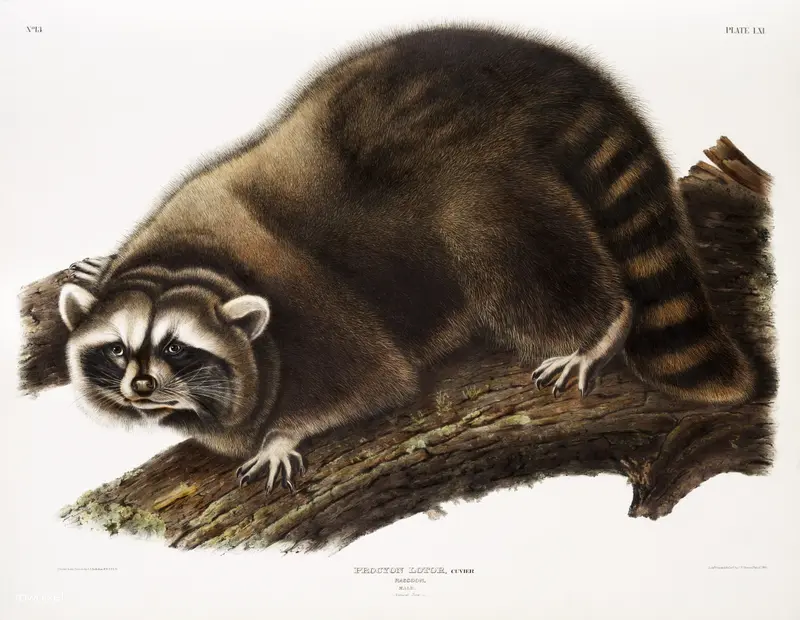
Raccoon
John James Audubon

Magnificent Frigatebird
John James Audubon
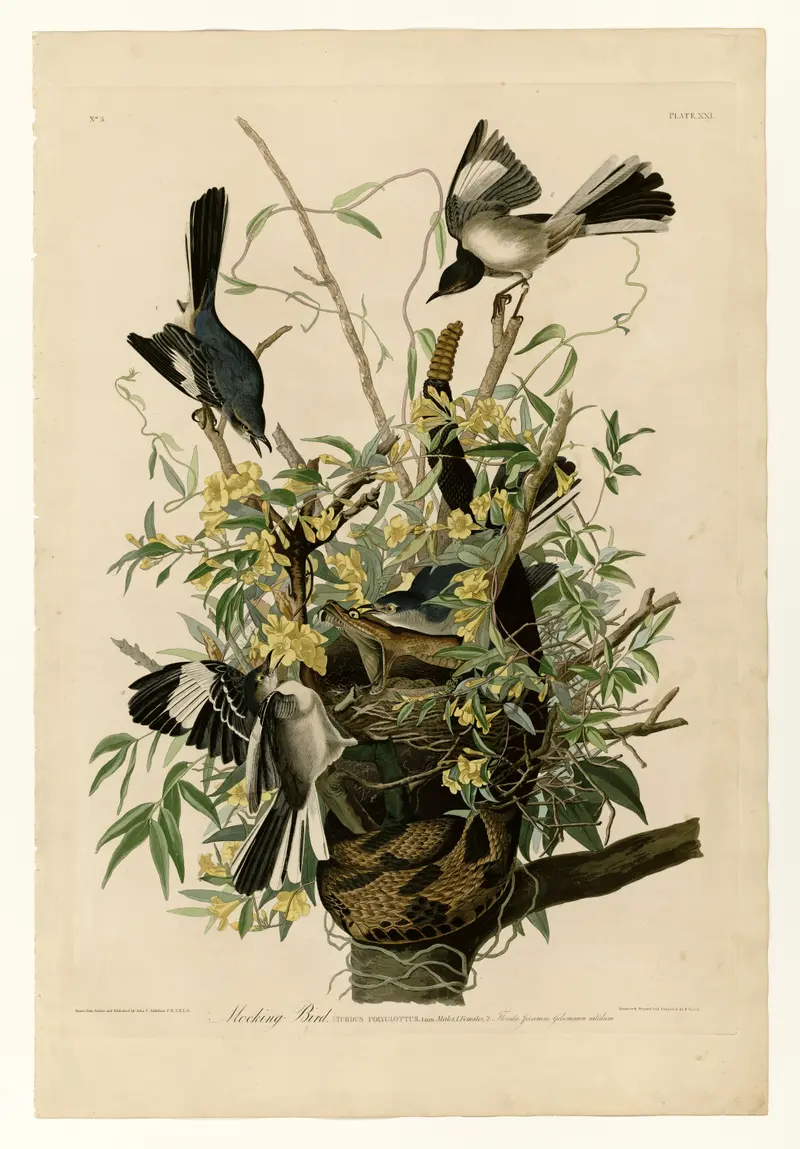
Northern Mockingbird
John James Audubon
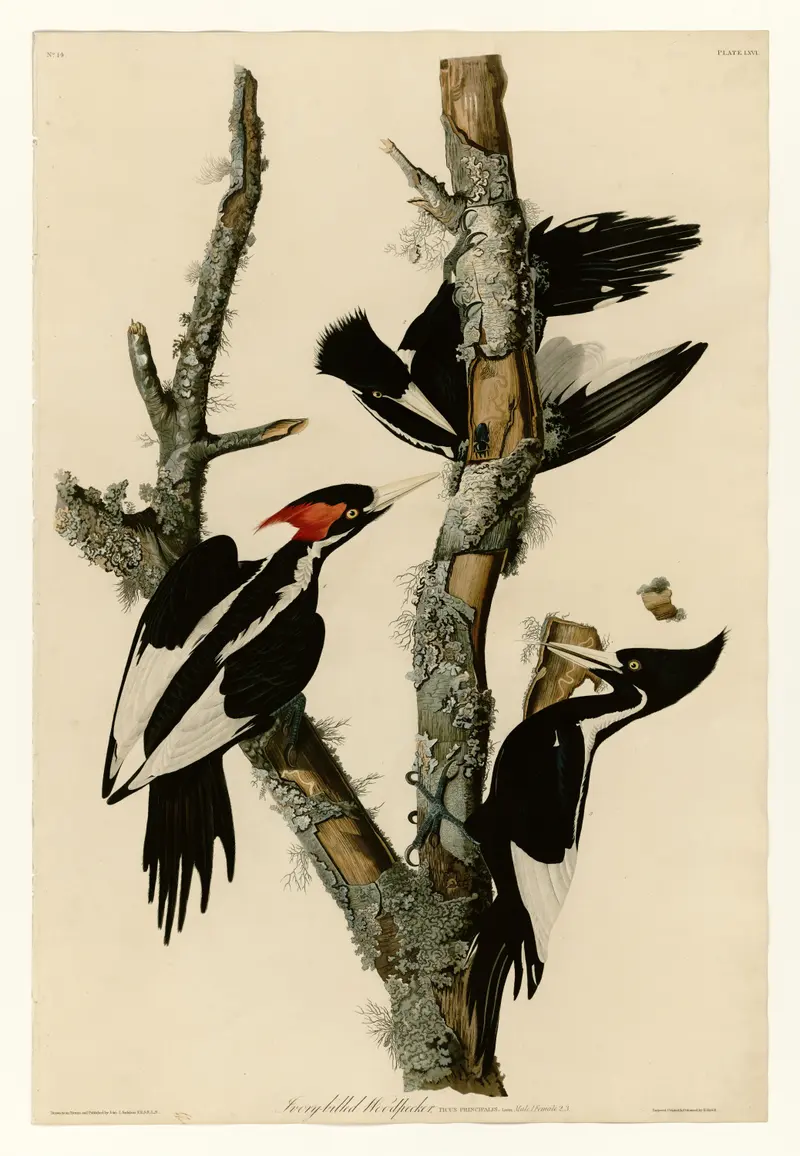
Ivory-billed Woodpecker
John James Audubon
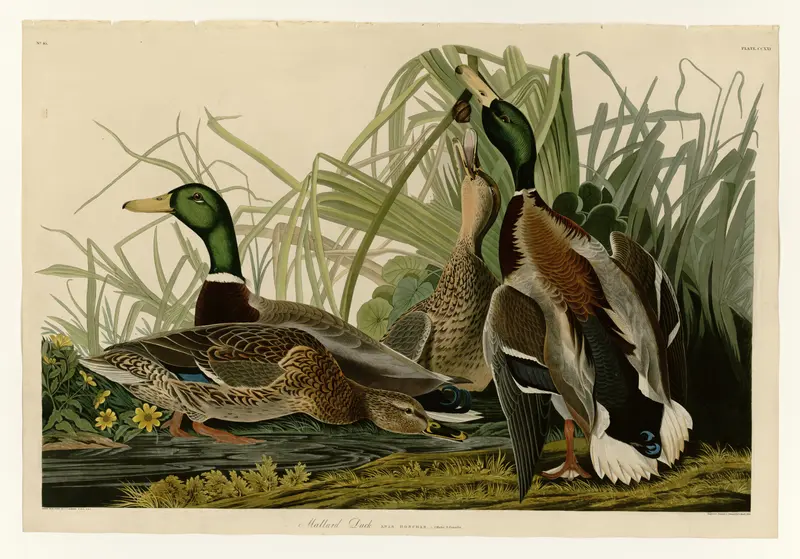
Mallard
John James Audubon
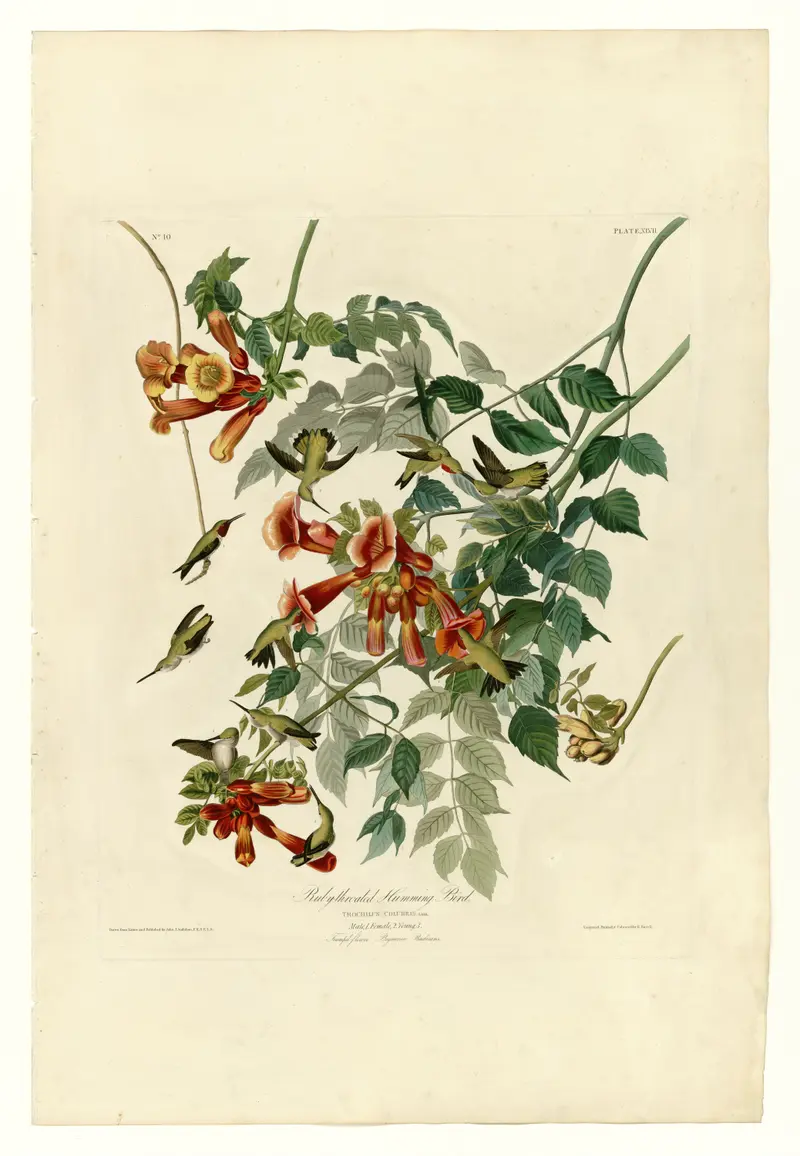
Ruby-throated Hummingbird
John James Audubon
Trumpeter Swan
John James Audubon





