
Ivory-billed Woodpecker — History & Facts
The eye is caught first by the sheer drama of contrast: three ivory-billed woodpeckers, their black wings slashed with white, cling to a pair of lichen-encrusted branches that thrust diagonally across the pale expanse of the page. Each bird is frozen in a moment of purposeful movement—one stretches upward, its beak poised to strike; another clings upside down, tail fanned for balance; a third, crowned with a vivid red crest, seems to pause, alert and watchful. The careful rendering of bark and feather, the play of sharp beaks against the battered wood, all serve to draw the viewer into the tense, industrious world of these birds.
Audubon’s composition is not a static portrait but a choreography of survival, every claw and feather positioned to tell the story of life in the southern forests. Created between 1827 and 1838 for Birds of America, this plate belongs to a tradition of natural history illustration that was as much about spectacle as science. In Audubon’s era, such works were commissioned by wealthy patrons and institutions eager to catalogue and display the wonders of the American continent. The artist’s fieldwork in Louisiana, where he painted these woodpeckers from life, fed a growing appetite for knowledge and wonder in Europe and America alike.
Today, the print resides in the University of Pittsburgh’s Darlington Digital Library, a reminder that history has kept few traces of the birds themselves, but the vitality of their image endures—inviting us to look again, and more closely, at what once was.
More Artworks by John James Audubon
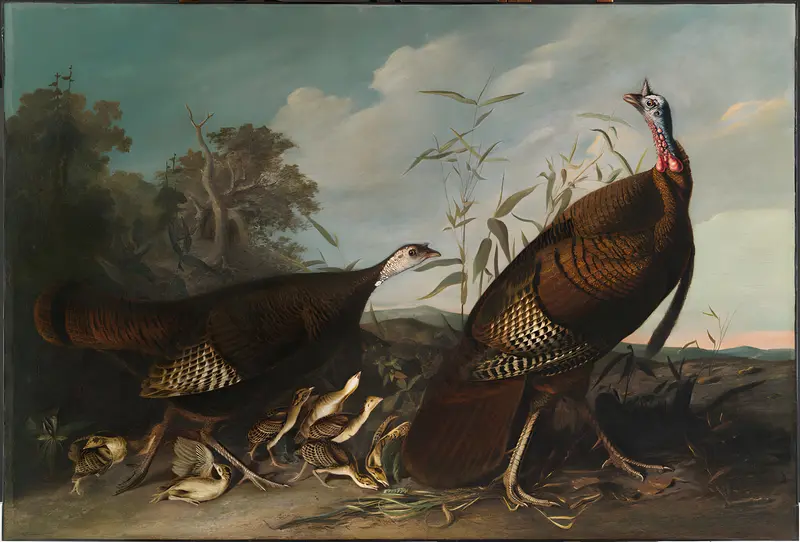
Wild Turkey Cock, Hen, and Chicks
John James Audubon
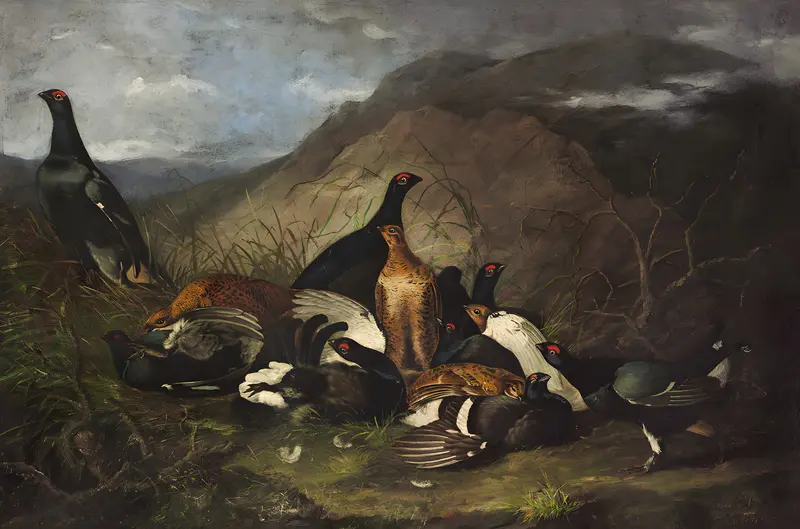
Scottish Black Grouse, Cocks and Hens
John James Audubon
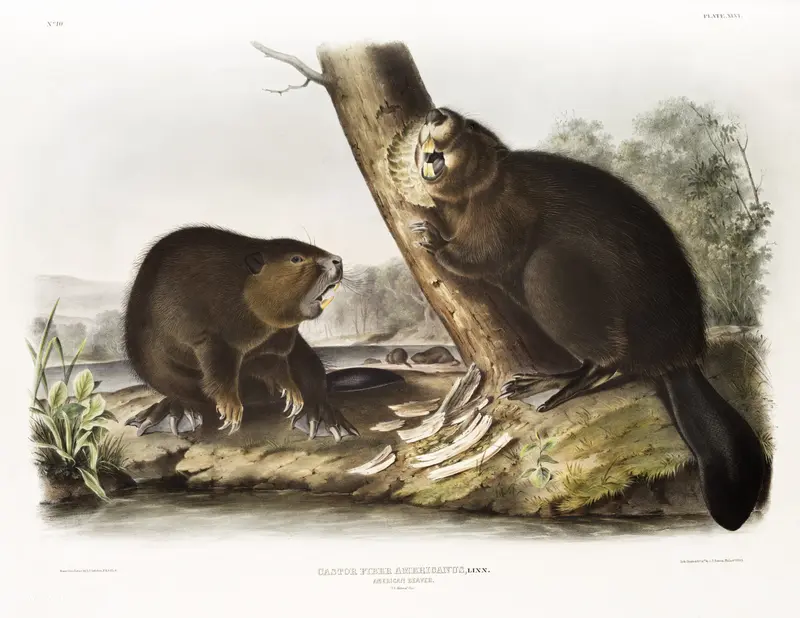
American Beaver
John James Audubon
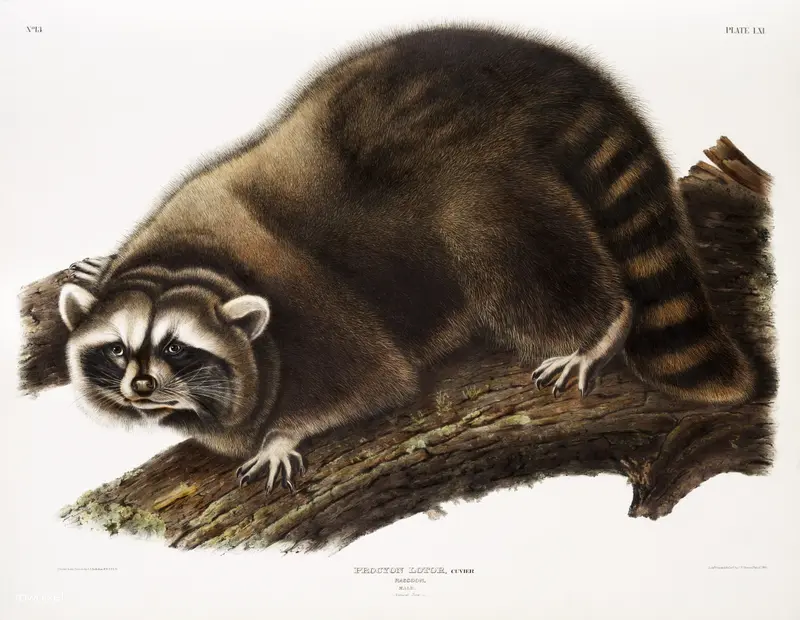
Raccoon
John James Audubon

Magnificent Frigatebird
John James Audubon
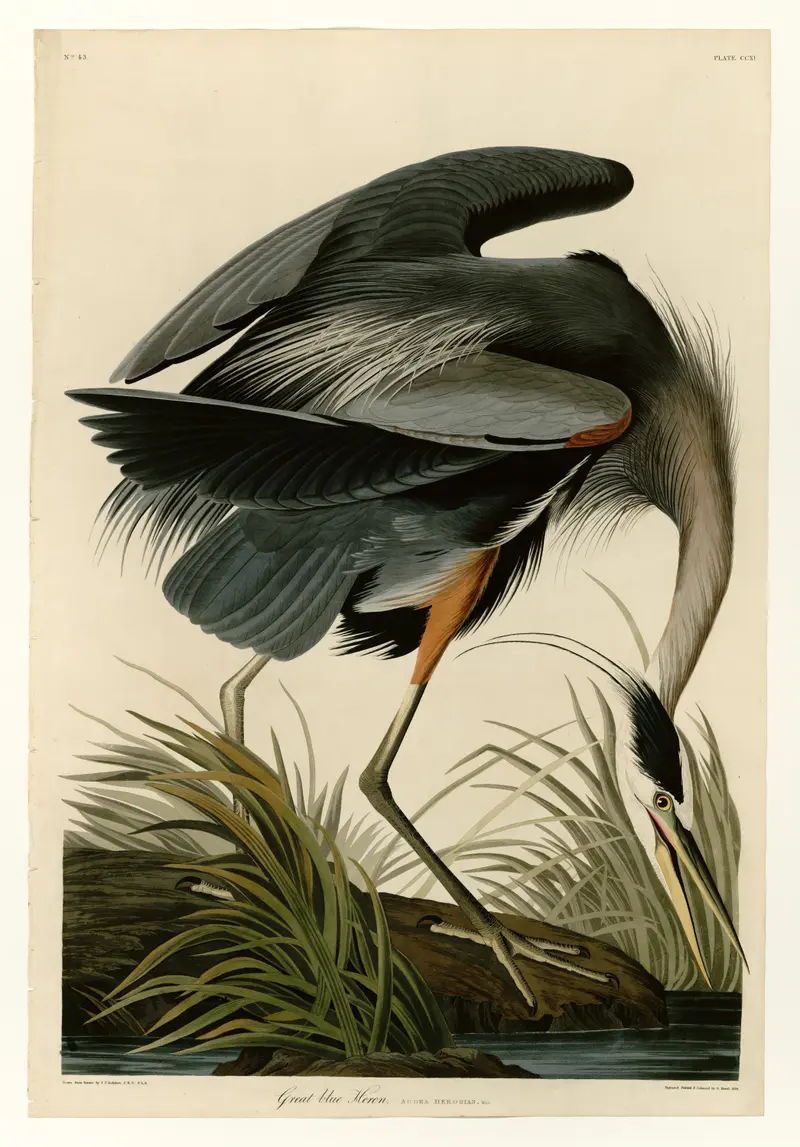
Great Blue Heron
John James Audubon
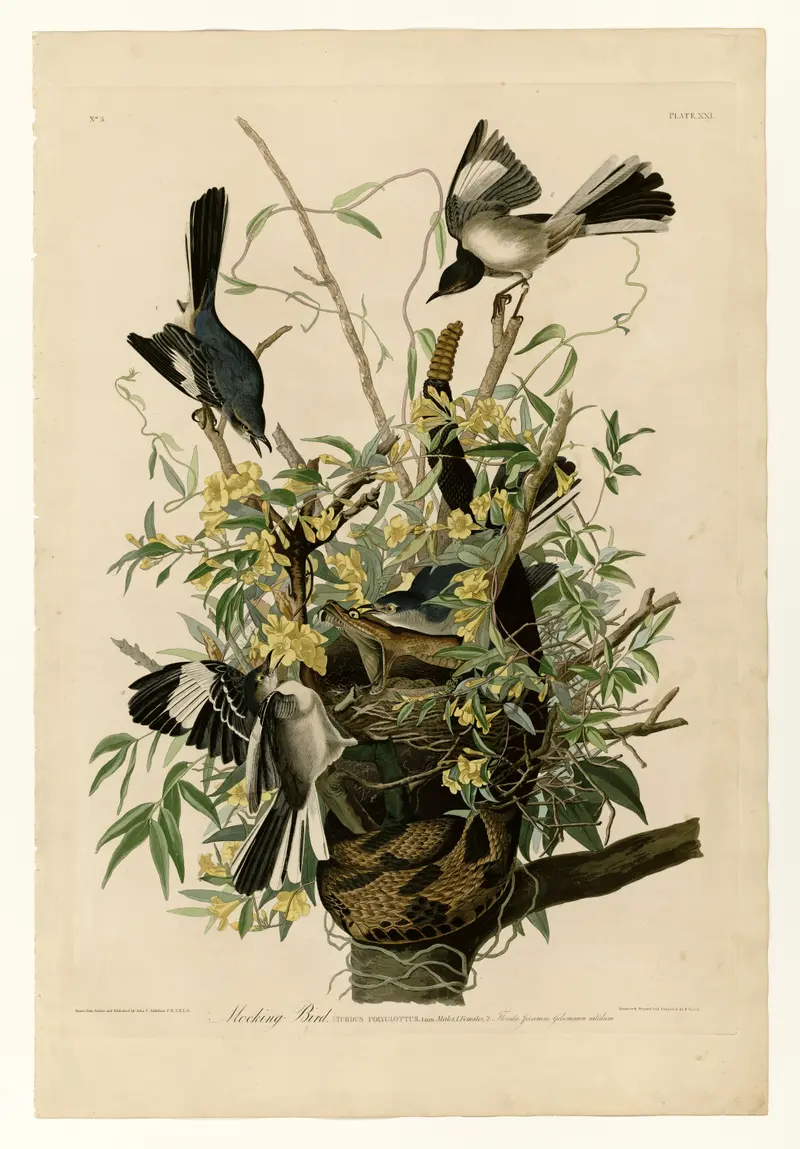
Northern Mockingbird
John James Audubon
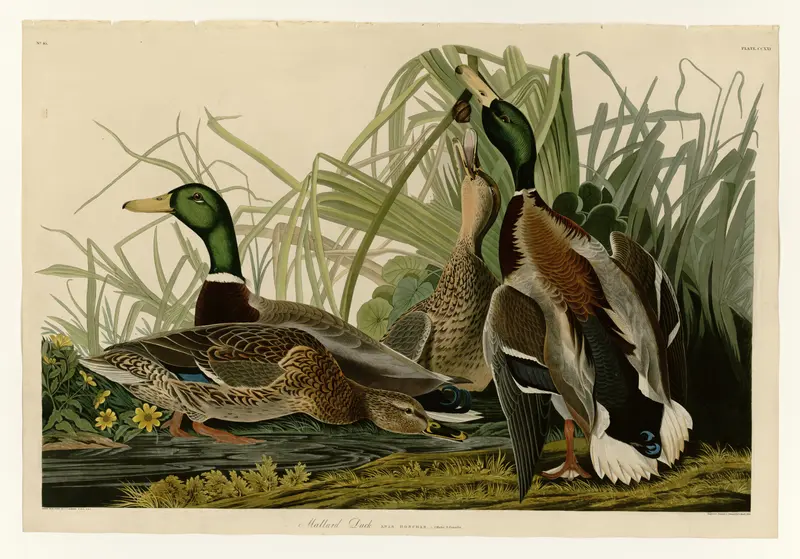
Mallard
John James Audubon
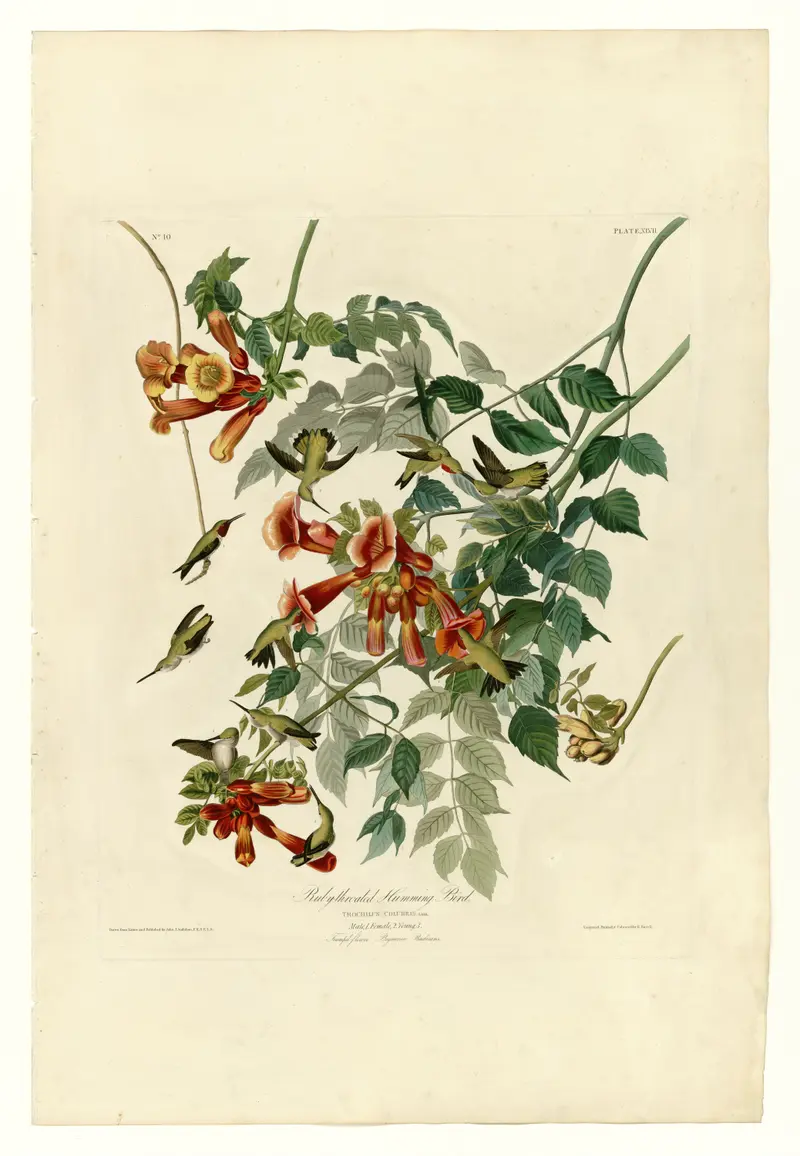
Ruby-throated Hummingbird
John James Audubon
Trumpeter Swan
John James Audubon





