
Magnificent Frigatebird — History & Facts
What first strikes the eye in Magnificent Frigatebird is the sheer drama of motion: a bird suspended in a steep, swooping dive, wings slicing the air in sharp, angular sweeps. The bird’s head is thrust downward, its long, hooked beak open as if calling or hunting, while the deep, almost oil-black feathers shimmer with hints of green and violet. Above, two isolated studies of webbed feet float like anatomical notes, reminding the viewer that this is both a portrait of wildness and a scientific record.
The stark, empty background throws every feather and talon into relief, focusing attention on the bird’s acrobatics and the artist’s precision. This plate belongs to the world of early nineteenth-century natural history, when artists like John James Audubon sought to capture North America’s wildlife with a new intensity and scale. Created between 1827 and 1838 for the monumental Birds of America, works like this were both art and science, commissioned by collectors and institutions eager to document the continent’s riches. Audubon’s birds are never merely static specimens; they are caught in the midst of life, their forms exaggerated to fit the page, their gestures borrowed from direct observation.
Today, this plate is held by the University of Pittsburgh, a testament to the era’s hunger for knowledge and beauty—an invitation to look again, and see how much energy can be contained within a single, silent moment.
More Artworks by John James Audubon
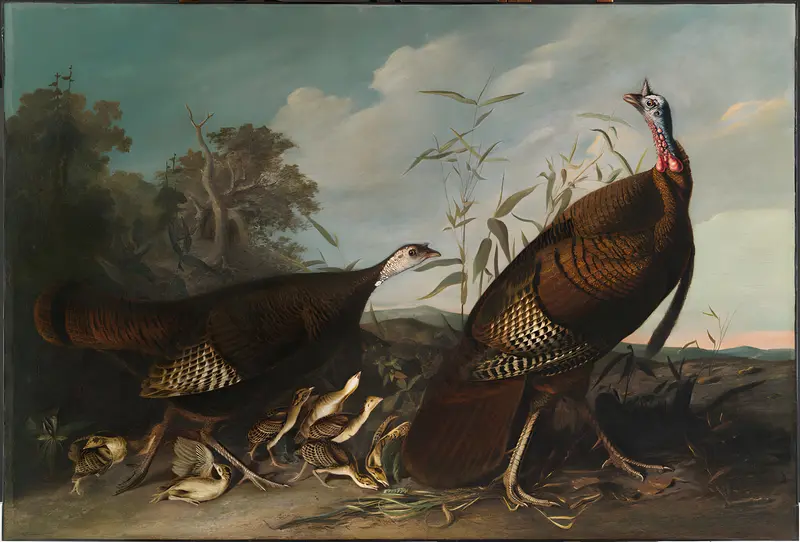
Wild Turkey Cock, Hen, and Chicks
John James Audubon
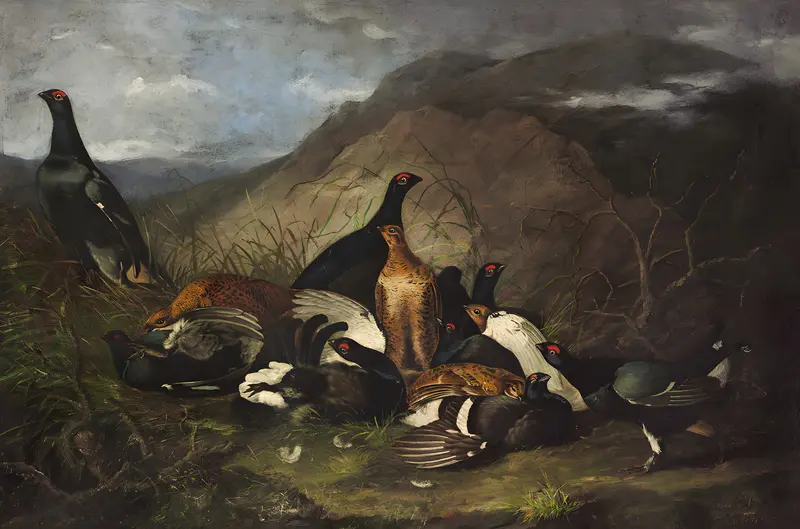
Scottish Black Grouse, Cocks and Hens
John James Audubon
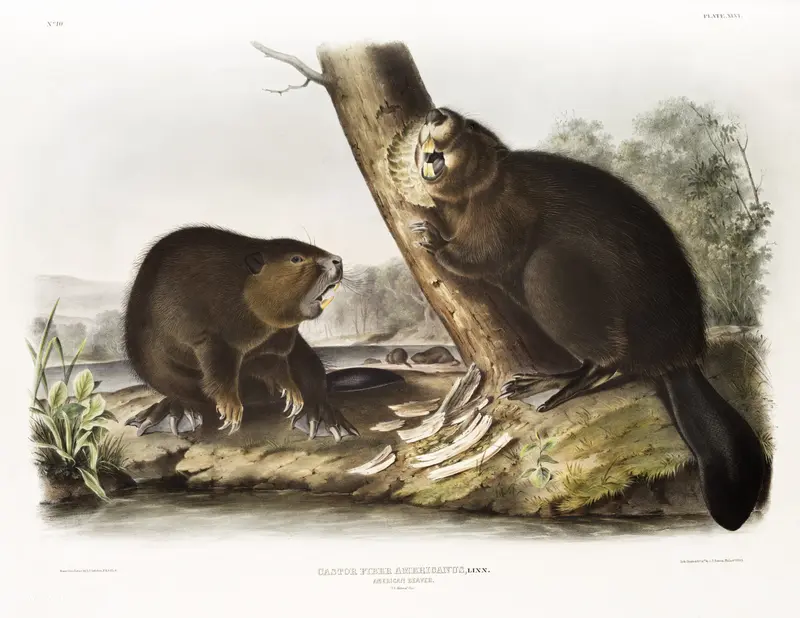
American Beaver
John James Audubon
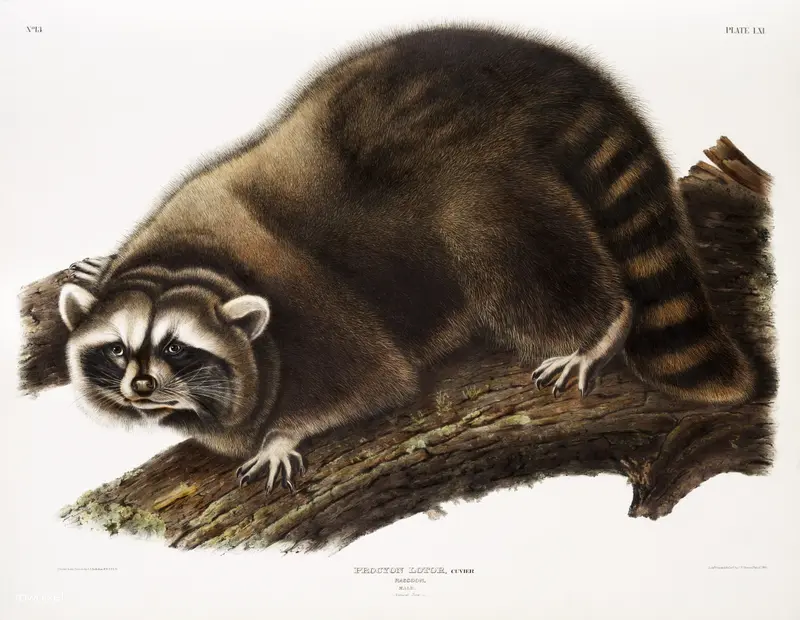
Raccoon
John James Audubon
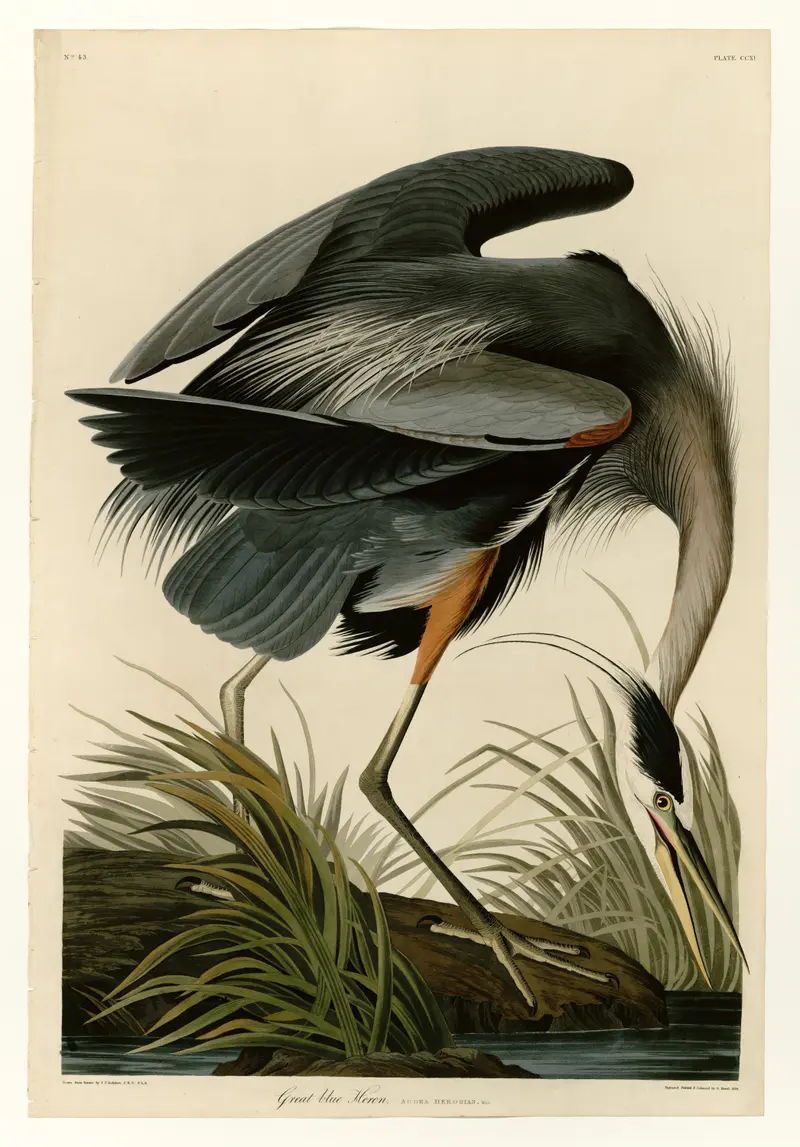
Great Blue Heron
John James Audubon
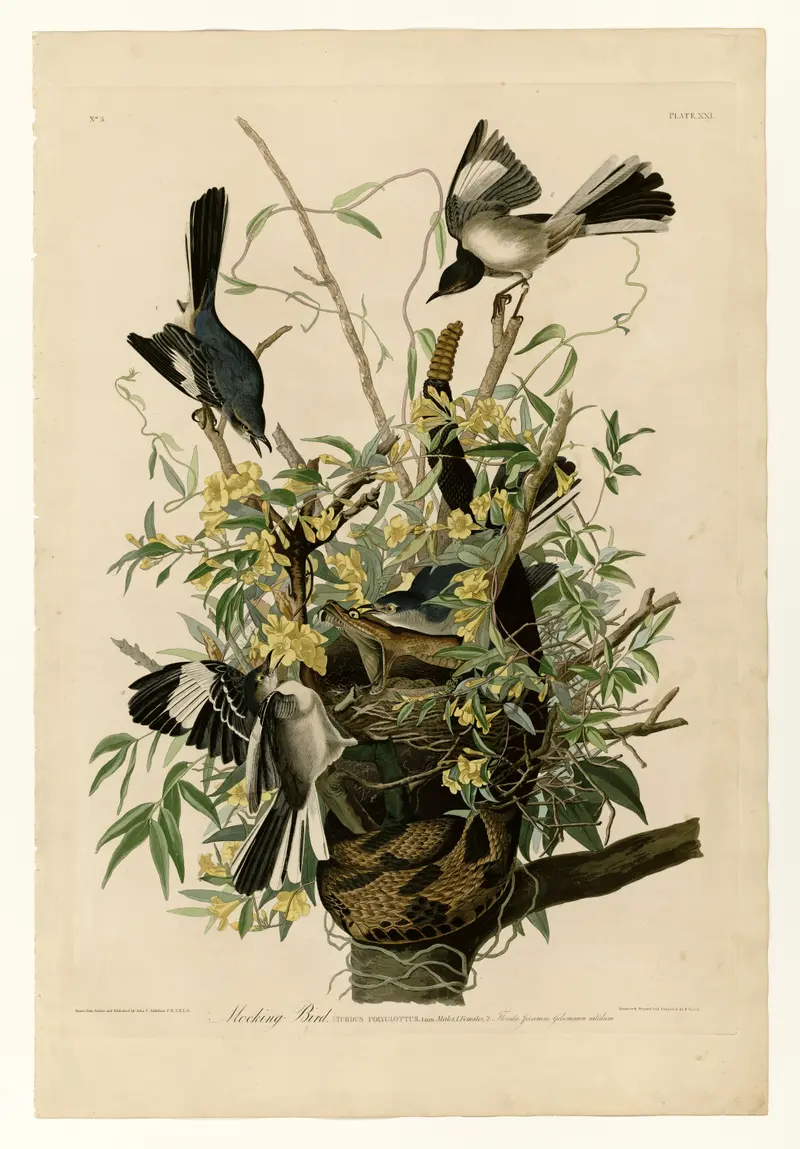
Northern Mockingbird
John James Audubon
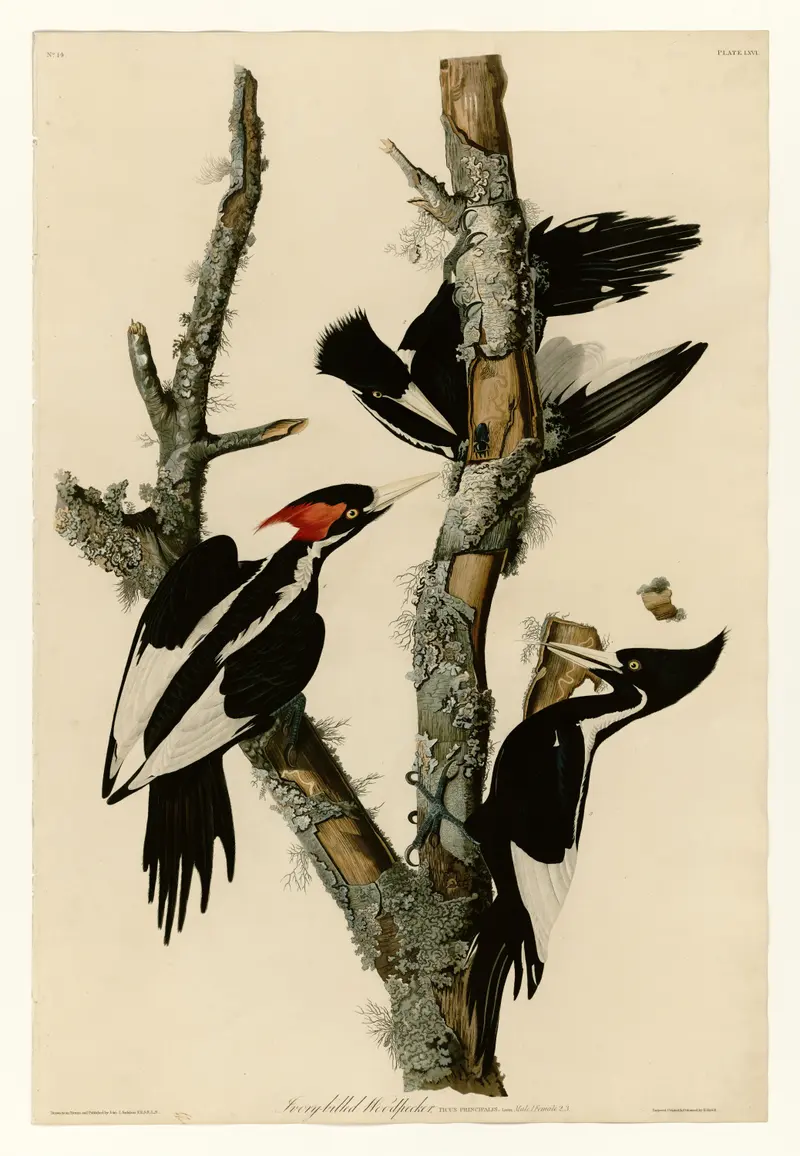
Ivory-billed Woodpecker
John James Audubon
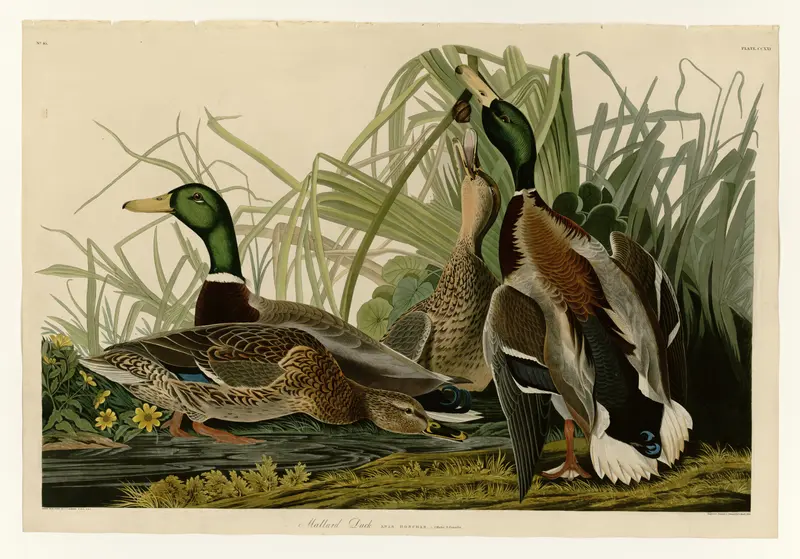
Mallard
John James Audubon
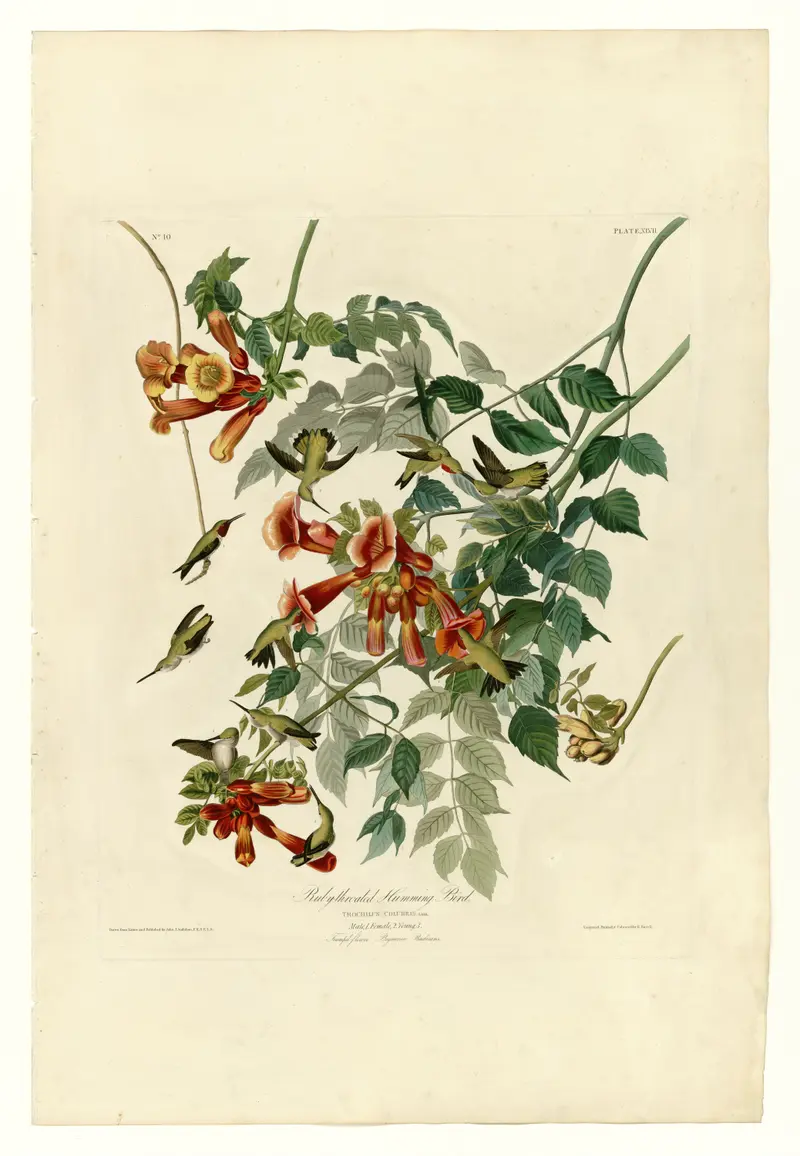
Ruby-throated Hummingbird
John James Audubon
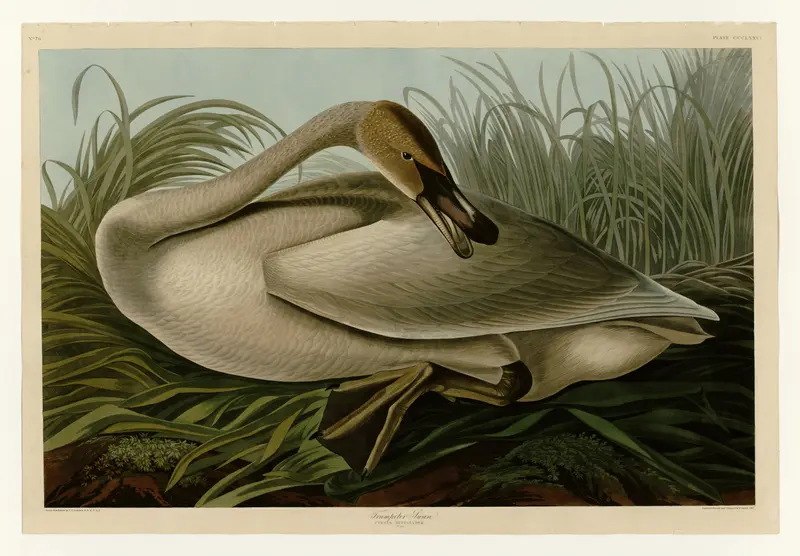
Trumpeter Swan
John James Audubon





