
Amsterdamse poort te Haarlem — History & Facts
What secret hides in the quiet of the canvas? Amidst the stillness of Amsterdamse poort te Haarlem, a whisper of dreams lingers, inviting the viewer to explore a world where reality and imagination intertwine. Focus on the majestic archway in the center, its weathered stone inviting scrutiny and wonder. Sunlight dances on its surface, a brush of gold spilling across the muted palette of greens and browns surrounding it. The subtle play of shadows enhances the depth of the structure, creating an almost surreal atmosphere.
Look closely at the figures in the distance; their silhouettes suggest tales of daily life, yet their positions evoke a sense of solitude, enhancing the painting's dreamlike quality. Beneath the surface, contrasts abound. The robust strength of the arch implies permanence, while the delicate wisps of clouds hint at the transience of time. This duality evokes a sense of nostalgia and longing, bridging the past with the present as the viewer contemplates their own memories.
The gentle waves of the water add a fluidity that resonates with the ethereal theme, reminding us of the ephemeral beauty of our experiences. Etienne Bosch painted Amsterdamse poort te Haarlem between 1873 and 1931 during a period marked by significant artistic shifts in Europe. Known for his meticulous attention to detail, Bosch was deeply influenced by the romantic ideals of the time, seeking to capture both the physical and emotional landscapes of his surroundings. As industrialization began to reshape society, he focused on preserving the quiet tales hidden within the architecture of everyday life.
More Artworks by Etienne Bosch
Browse all →
Gezicht op de achterkant van de Notre Dame in Parijs Notre Dame
Etienne Bosch
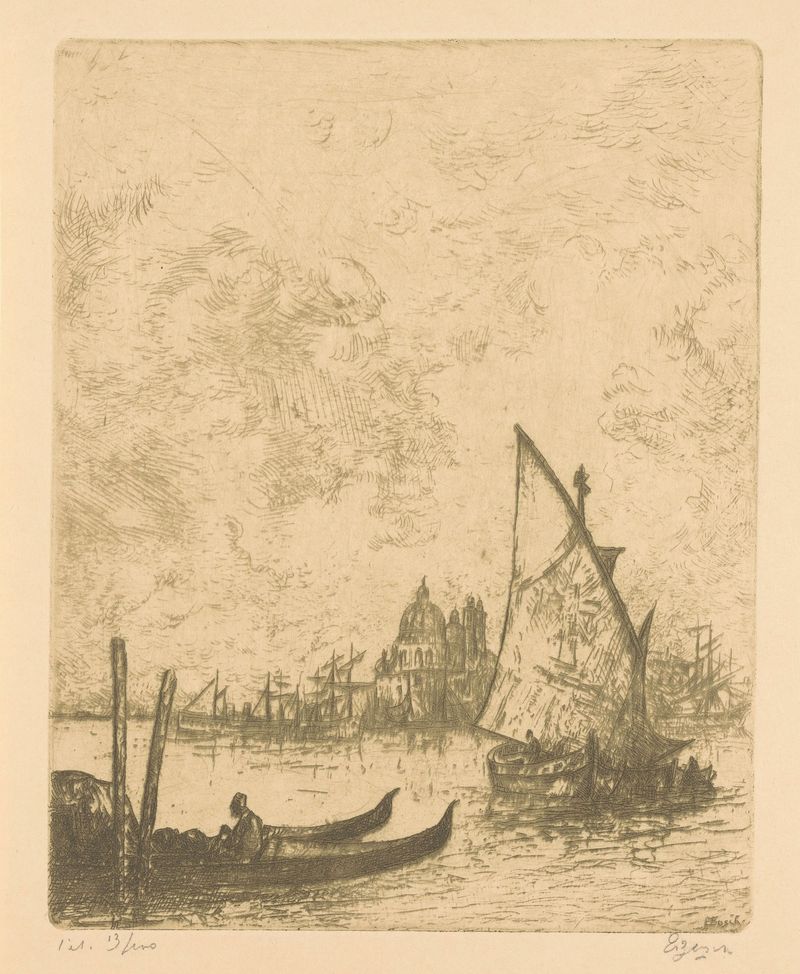
Venetië
Etienne Bosch

Le Palatin Rome
Etienne Bosch

Landschap bij Rome
Etienne Bosch
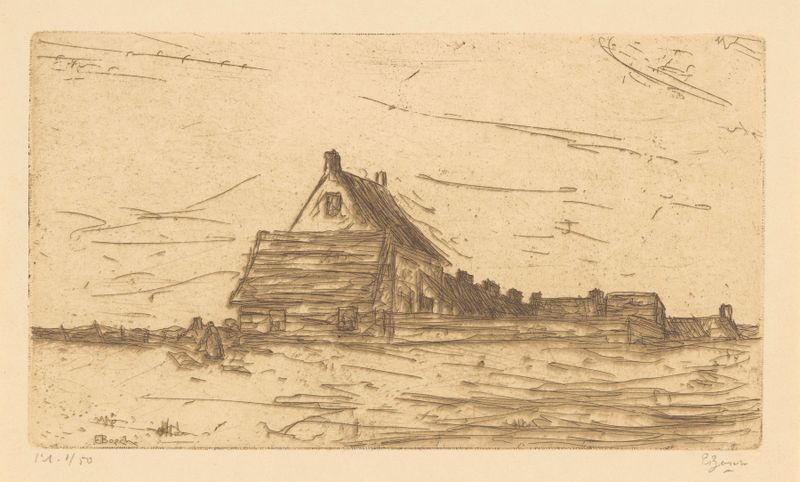
Boerenwoning
Etienne Bosch

Scheveningen
Etienne Bosch
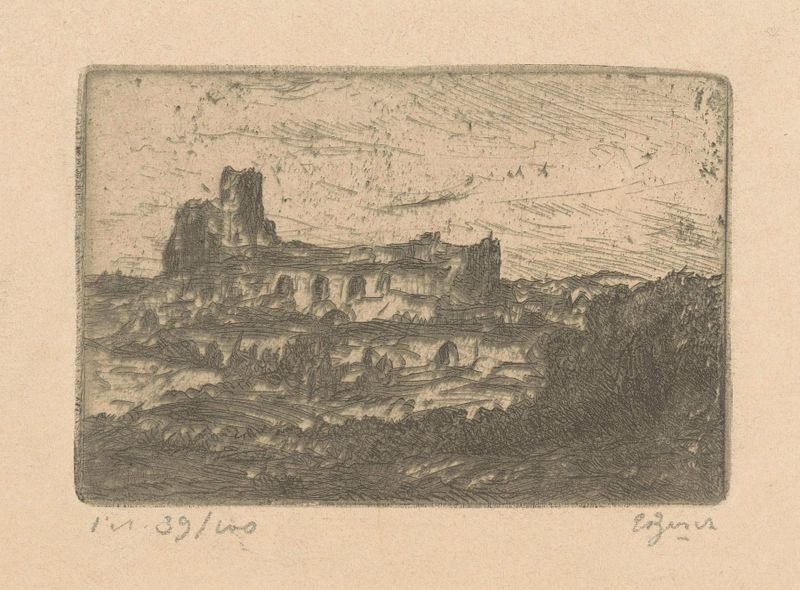
Ruïne Rome
Etienne Bosch
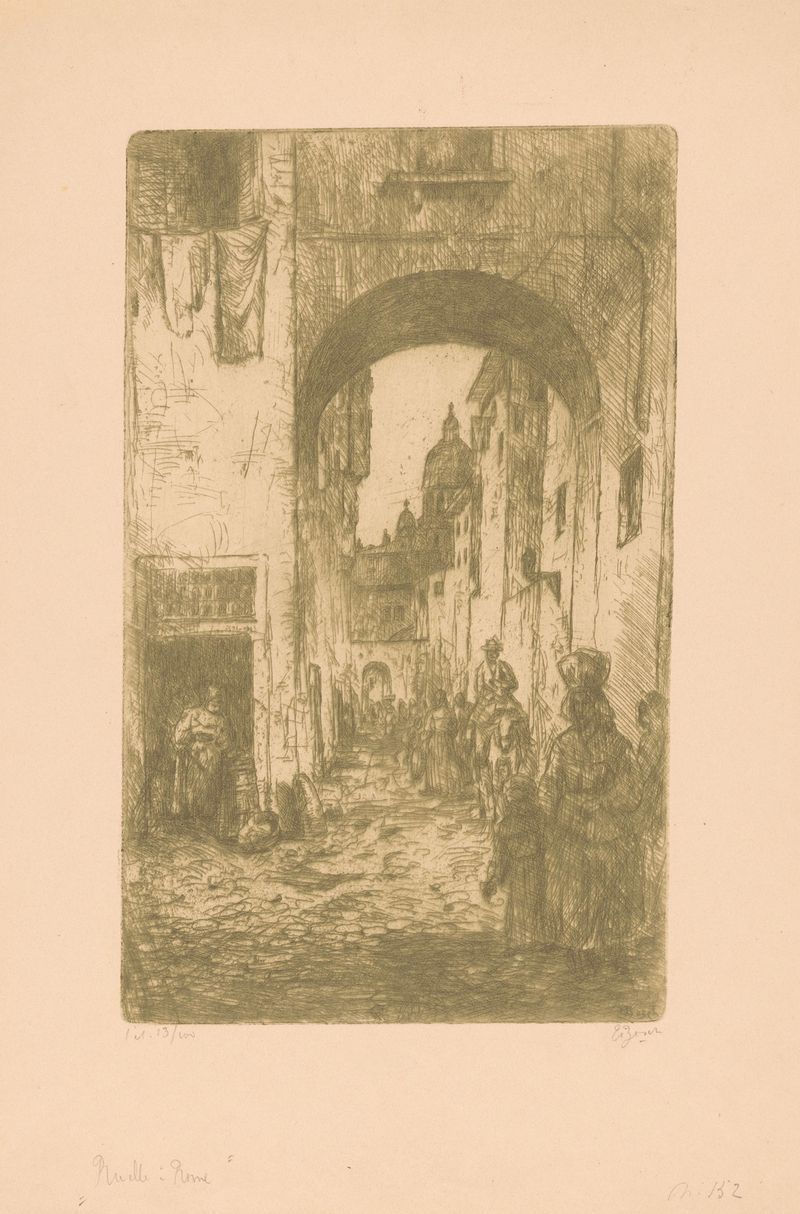
Ruelle, Rome
Etienne Bosch
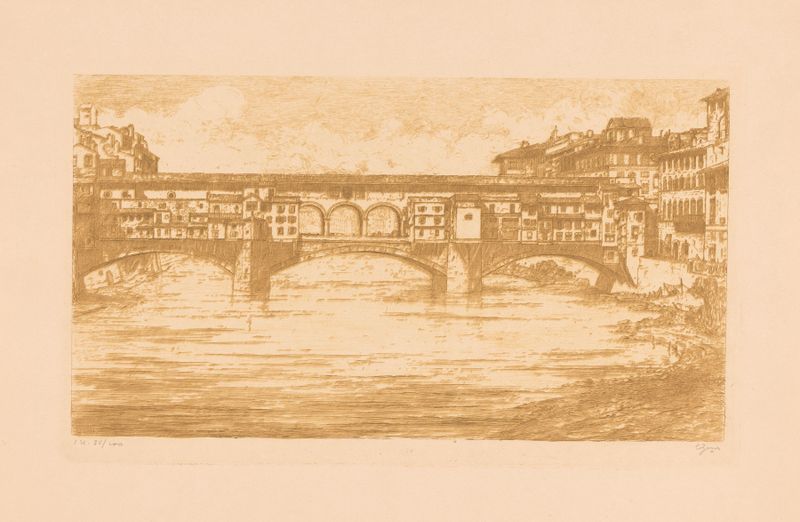
Ponte Vecchio in Florence
Etienne Bosch

Landschap, Rome
Etienne Bosch
More Architecture Art
Browse all →
The statue of Liberty
Frédéric Auguste Bartholdi

View of Houses in Delft, Known as ‘The Little Street’
Johannes Vermeer

View of Houses in Delft, Known as ‘The Little Street’
Johannes Vermeer

The Cathedral in Rouen. The portal, Grey Weather
Claude Monet

The yellow house
Vincent van Gogh

The Church in Auvers-sur-Oise, View from the Chevet
Vincent van Gogh