
Landschap bij Rome — History & Facts
Can beauty exist without sorrow? In Landschap bij Rome, the interplay of light and shadow invites contemplation, suggesting that the essence of nature encompasses both joy and melancholy. Look to the foreground where a gently rolling landscape unfolds, bathed in a soft, golden hue that hints at the setting sun. Notice how the delicate brushwork captures the texture of the grass, inviting your fingers to trace the verdant strokes. In the distance, soft hills rise against a watercolor sky, their outlines blurred, emphasizing the tranquility of the scene while evoking a dreamlike quality.
The artist’s choice of warm tones creates an inviting atmosphere, drawing the viewer into a serene yet transient moment. The juxtaposition of light and dark within this piece serves as a metaphor for the duality of existence. While the verdant landscape radiates peace, the shadowy corners suggest a lurking sadness, reminding us of the fleeting nature of beauty. The reflections on the water not only mirror the landscape but also signify introspection, compelling the observer to ponder the deeper meanings of life and loss.
Each element, from the neatly aligned trees to the open expanse of the sky, contributes to a narrative rich in emotional subtext. Etienne Bosch painted Landschap bij Rome during a period of transition in the art world, from 1873 to 1931. Living in an era marked by the rise of modernism, he found himself straddling the world of traditional landscape painting and the burgeoning movements of the avant-garde. This time in Rome, surrounded by classical beauty, influenced his artistic vision, imbuing his works with a sense of nostalgia and reflection on the passage of time.
More Artworks by Etienne Bosch
Browse all →
Gezicht op de achterkant van de Notre Dame in Parijs Notre Dame
Etienne Bosch
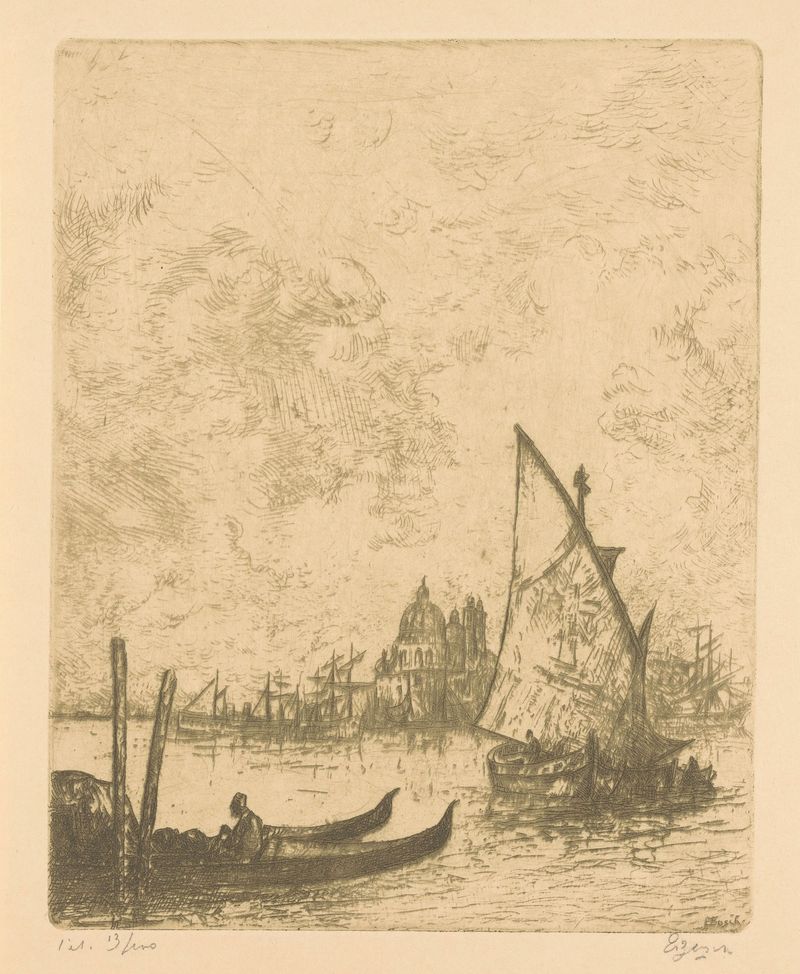
Venetië
Etienne Bosch

Amsterdamse poort te Haarlem
Etienne Bosch

Le Palatin Rome
Etienne Bosch
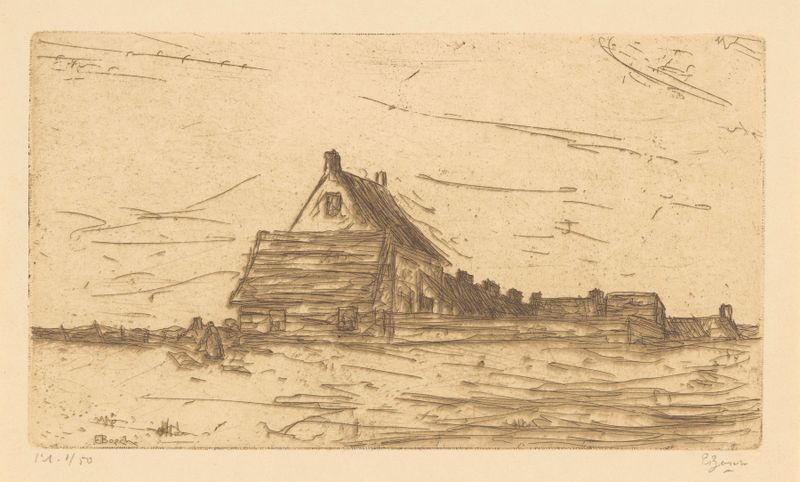
Boerenwoning
Etienne Bosch

Scheveningen
Etienne Bosch
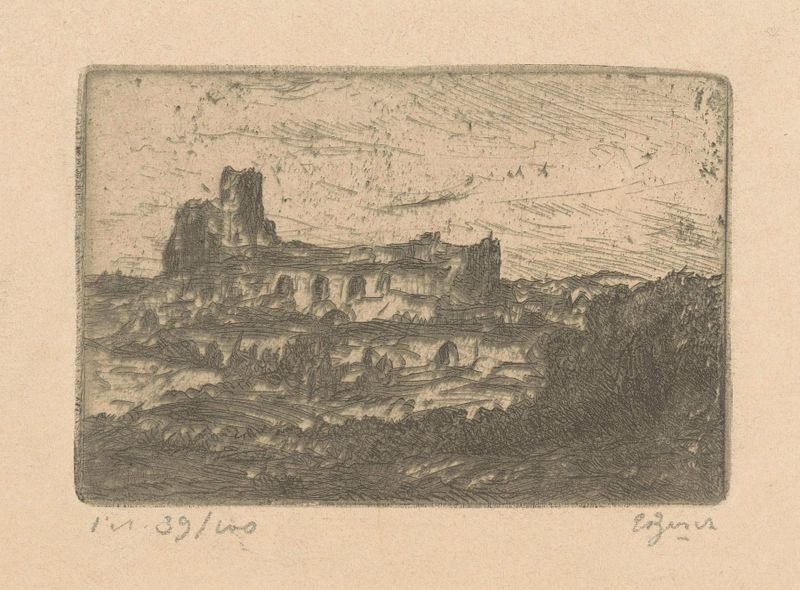
Ruïne Rome
Etienne Bosch
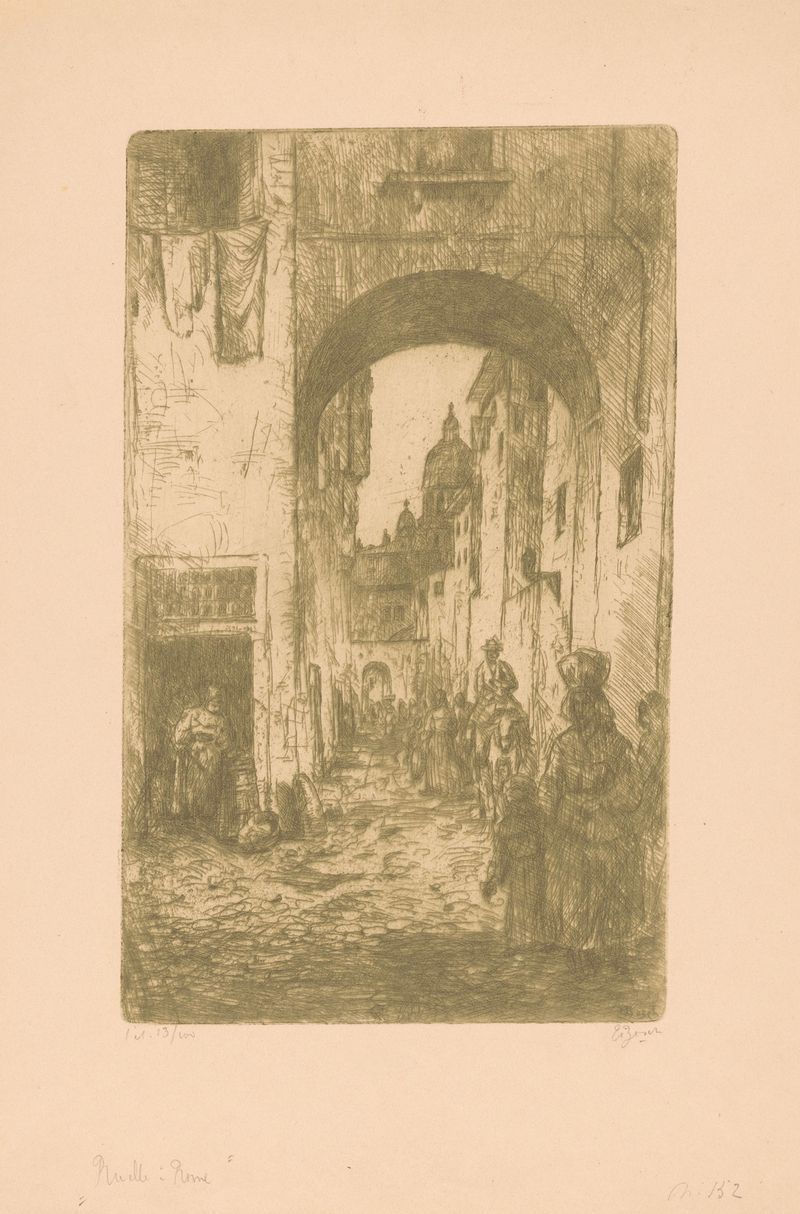
Ruelle, Rome
Etienne Bosch
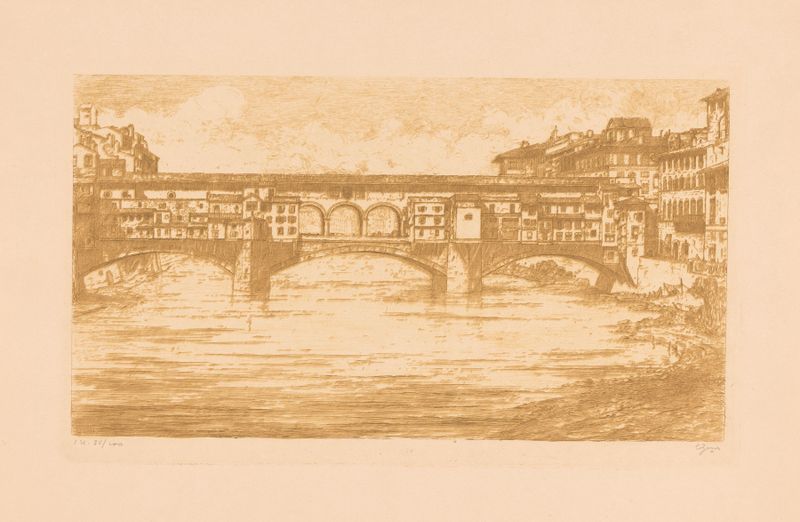
Ponte Vecchio in Florence
Etienne Bosch

Landschap, Rome
Etienne Bosch





